


LONDON- Tata Group-owned Air India (AI) faces regulatory scrutiny after a Boeing 787 departed London despite a reported fuel control switch concern.
London Heathrow Airport (LHR) saw the aircraft depart safely, but regulators now seek details on maintenance checks before clearance.
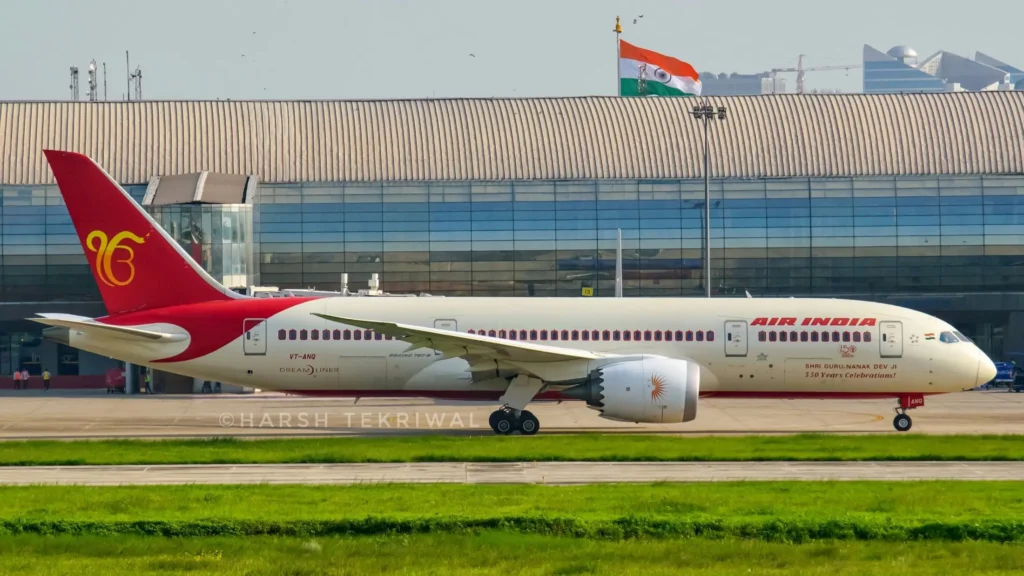
Air India 787 Faulty Fuel Switch
Air India flight AI-132 from London Heathrow to Bengaluru, operated by a nine-year-old Boeing 787-8 registered VT-ANX, experienced an issue during engine start procedures on Sunday night.
Pilots observed that the left engine fuel cut-off switch moved from RUN to CUTOFF position twice when slight pressure was applied. According to pilot notes entered into the aircraft maintenance log after arrival in Bengaluru, the switch did not lock firmly into position.
Fuel cut-off switches on Boeing aircraft are engineered with protective gating. A pilot must lift the switch, move it across a detent, and then lower it to lock. Accidental contact should not shift the switch between positions.
Despite the abnormal behavior, the aircraft departed Heathrow after the crew physically confirmed the switch remained latched in the RUN position. Upon arrival at Bengaluru Airport (BLR), the aircraft was grounded and has not returned to service.
The UK Civil Aviation Authority has now formally requested Air India to submit a detailed account of maintenance inspections and actions performed before the aircraft was released for flight. The airline has one week to respond, failing which regulatory action may follow, PYOK reported.
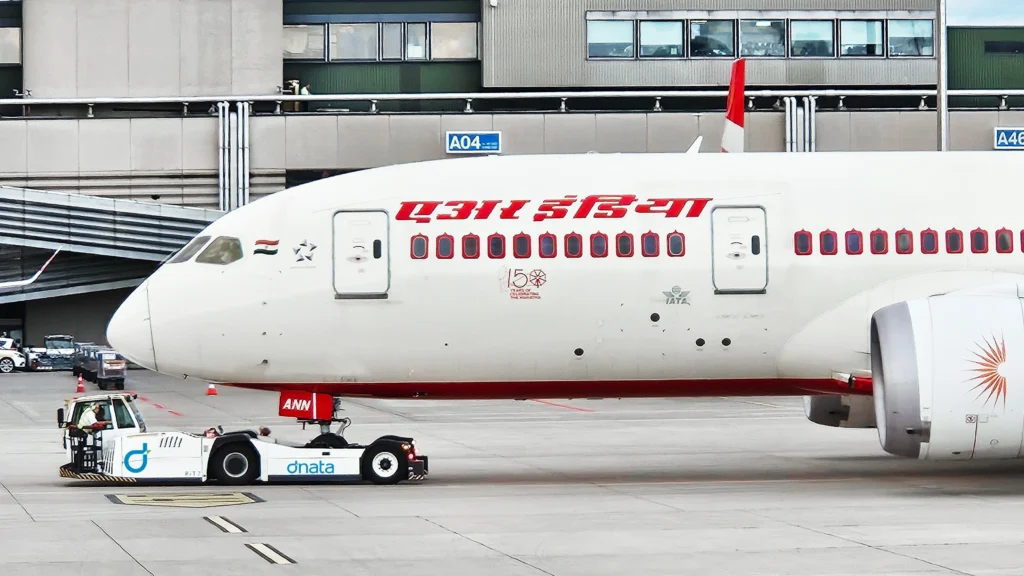
DGCA Explanation and Aircraft Inspection Outcome
India’s Directorate General of Civil Aviation (DGCA) stated that crew members verified switch positioning before departure and monitored systems throughout the journey.
Maintenance teams conducted checks after landing and initially found the switches functioning normally. However, DGCA noted that applying force incorrectly could move the switch from RUN to CUTOFF more easily than expected.
The aircraft remains grounded while further assessments continue.
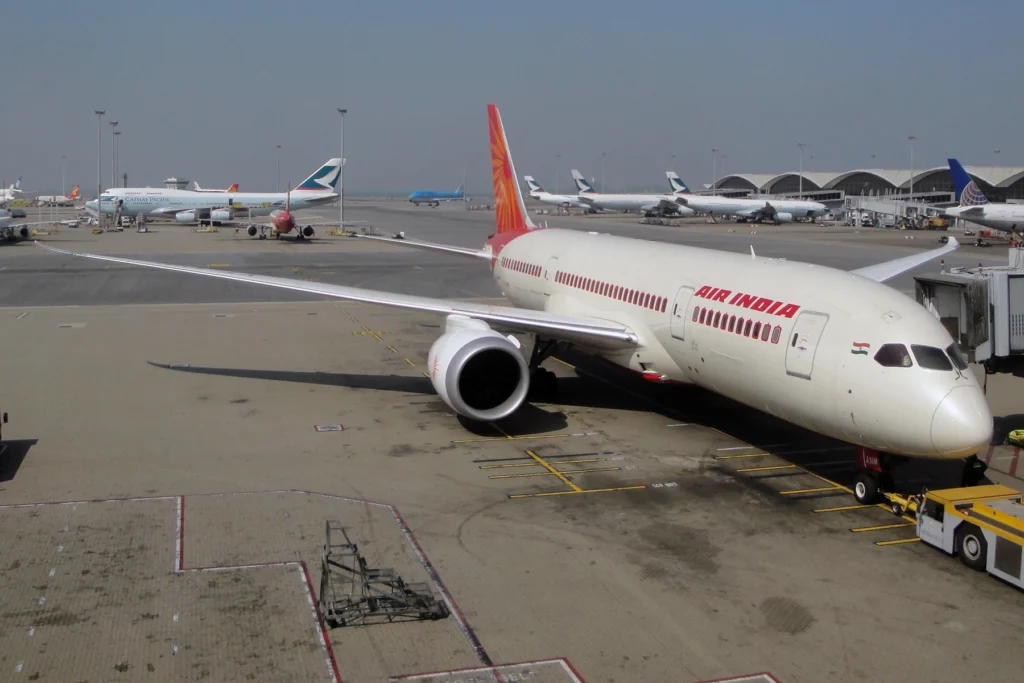
Fuel Control Switches Under Global Safety Focus
Fuel cut-off switches are also central to the ongoing investigation into Air India flight AI-171, the first fatal Boeing 787 accident, which occurred after departure from Ahmedabad Airport (AMD) on June 12, 2025.
Flight recorder data indicated both engine fuel switches moved to CUTOFF shortly after takeoff. Although pilots restored them to RUN, the engines had already lost thrust, leading to the aircraft crashing beyond the runway perimeter.
Following the accident, airlines, including Etihad Airways, conducted precautionary inspections on their Boeing 787 fleets, but no systemic defects were reported.
Professional pilots have expressed surprise at reports suggesting fuel switches could slip positions, since such events are extremely rare in normal operations.
Discussion continues within aviation circles regarding whether operational factors, maintenance issues, or hardware concerns played roles in recent incidents. The AI-171 crash investigation remains active, and final conclusions have not yet been issued by investigators.

Current Aircraft Status and Regulatory Implications
The grounding of the Heathrow-Bengaluru aircraft highlights the growing regulatory sensitivity surrounding flight-critical components after the 2025 crash.
Authorities are expected to review maintenance oversight and operational decision-making to ensure strict compliance with airworthiness standards before aircraft departures.
The outcome of the UK CAA inquiry may influence future procedures involving aircraft dispatch when cockpit anomalies arise.
Stay tuned with us. Further, follow us on social media for the latest updates.
Join us on Telegram Group for the Latest Aviation Updates. Subsequently, follow us on Google News
