

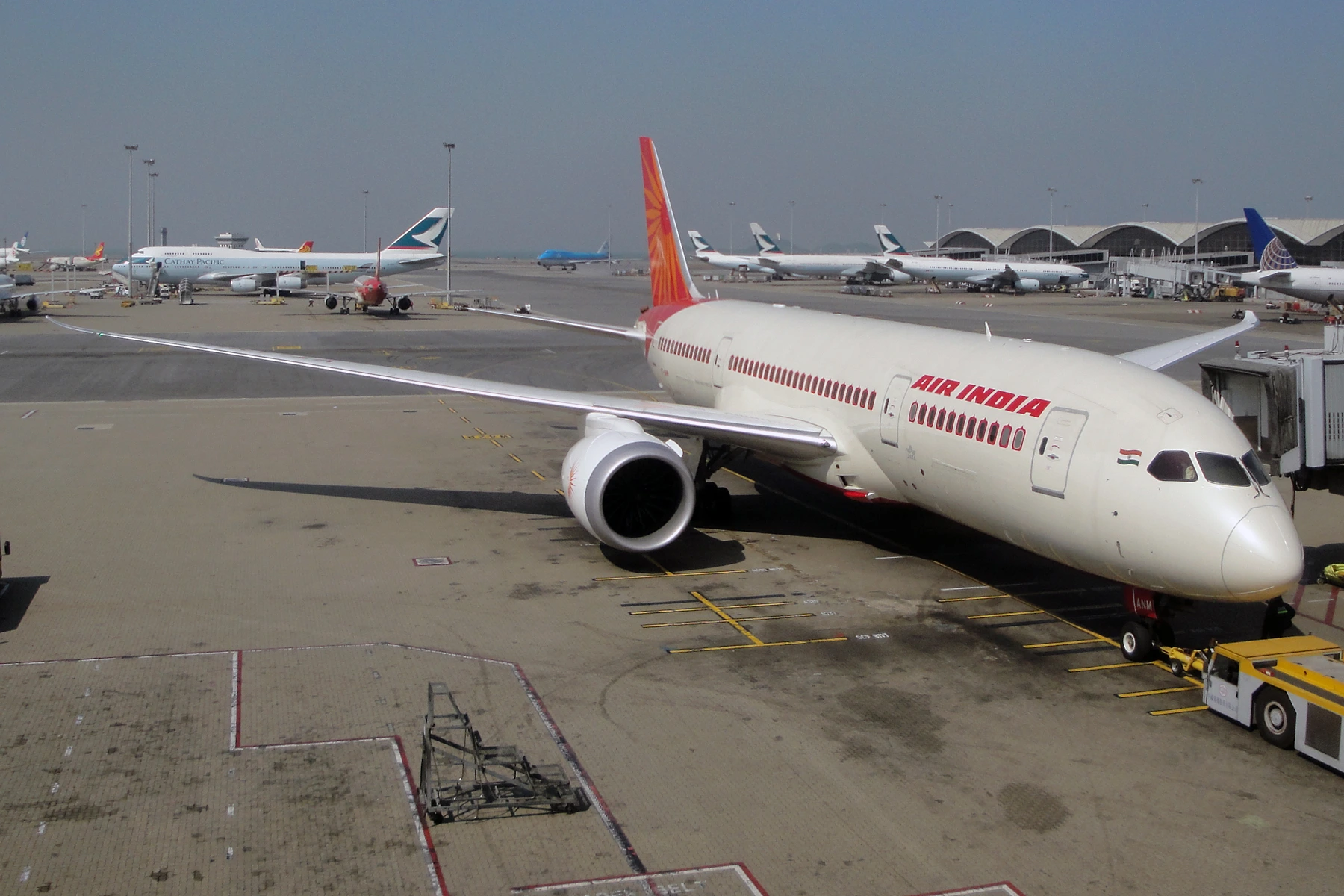
BENGALURU– Tata Group-owned Air India (AI) has launched a precautionary, fleet-wide inspection of fuel control switches on its Boeing 787 aircraft after a pilot reported a potential defect on a recent international flight. The aircraft involved was grounded after landing at Kempegowda International Airport (BLR), Bengaluru, following its arrival from London, prompting immediate internal action by the airline.
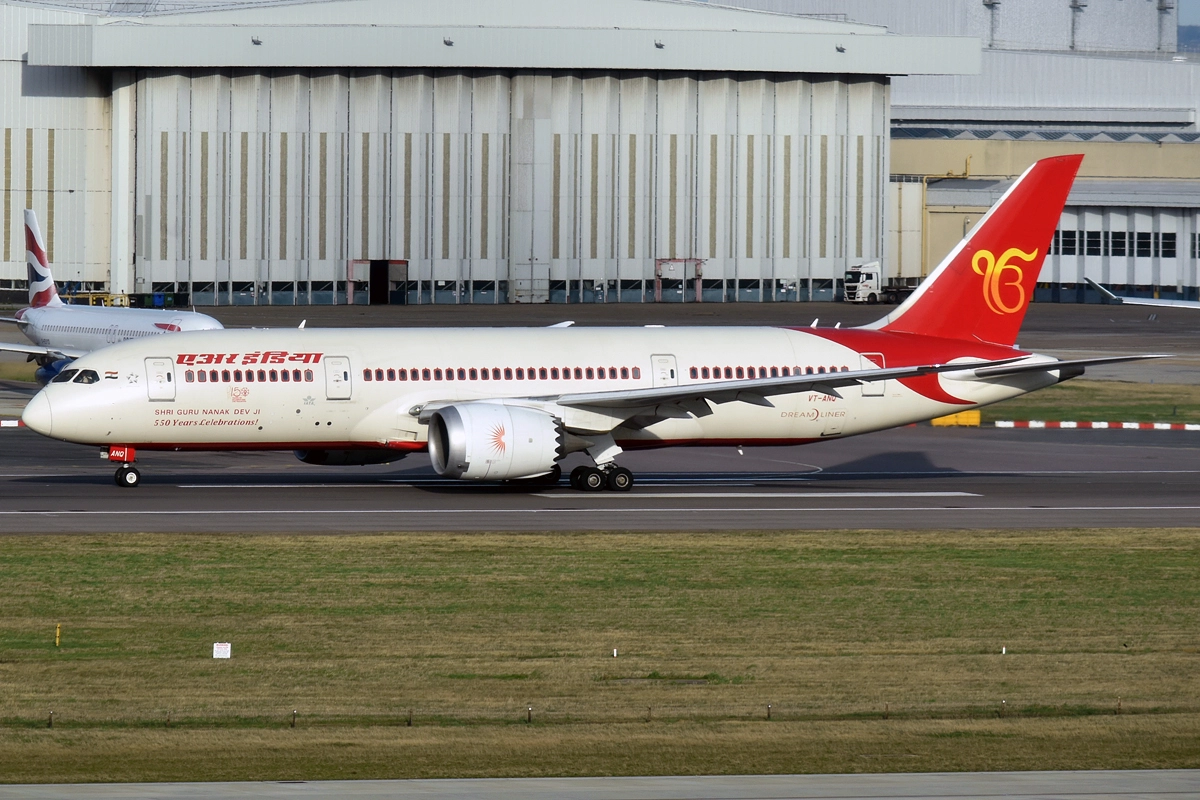
The review comes as Air India awaits technical feedback from Boeing on the reported issue. While the manufacturer assesses the findings, the airline has instructed its engineering teams to re-examine the relevant components across the entire Boeing 787 fleet, emphasizing caution and operational safety.

Air India to Inpect 787 Fleet
Air India has initiated a re-inspection of the fuel control switch latch mechanism on all Boeing 787 aircraft currently in service.
In a communication to pilots, the airline’s Senior Vice President (Operations), Captain Manish Uppal, stated that the checks were launched as a precaution to confirm normal operation of the system, reported The Hindu.
He added that, so far, no adverse findings have been recorded on aircraft that have completed the re-inspection.
The aircraft that triggered the inspection was grounded upon arrival in Bengaluru after the operating pilot raised concerns during post-flight reporting.
The airline’s decision to extend the inspection across the fleet reflects an effort to rule out any broader technical vulnerability rather than treat the event as an isolated occurrence.

Fuel switch safety focus
Fuel control switches play a critical role in managing fuel flow to an aircraft’s engines, allowing pilots to select between “run” and “cut off” modes.
These switches have attracted heightened attention within Air India following the AI171 accident in Ahmedabad last June, which brought fuel system integrity under scrutiny.
A preliminary report by the Aircraft Accident Investigation Bureau referenced the transition of a fuel cut-off switch from “run” to “cut off,” pointing to an interruption in fuel supply to the engines.
Although the current inspection is not directly linked to that accident, the historical context has intensified sensitivity around any reported irregularity involving fuel control mechanisms.
The present case involves a pilot report indicating that the left fuel control switch did not appear to lock securely in position. According to the report, the switch slipped from “run” to “cut off” when pressed down slightly, raising concerns about its mechanical integrity during operation.
Expert concern and oversight
Aviation safety experts have called for closer regulatory oversight in light of the reported defect. Captain Amit Singh of the Flight Safety Foundation has urged authorities to reassess earlier precautionary checks conducted after the Ahmedabad accident.
He has also called for an urgent review to determine whether the issue represents a one-off anomaly or a wider fleet-level concern.
Some industry voices have questioned whether the issue should have been identified before departure from London, though Air India has not attributed fault to the flight crew.
The airline’s internal communications emphasize that the pilot followed standard reporting procedures and that the subsequent grounding and inspection were precautionary measures.
Bottom Line
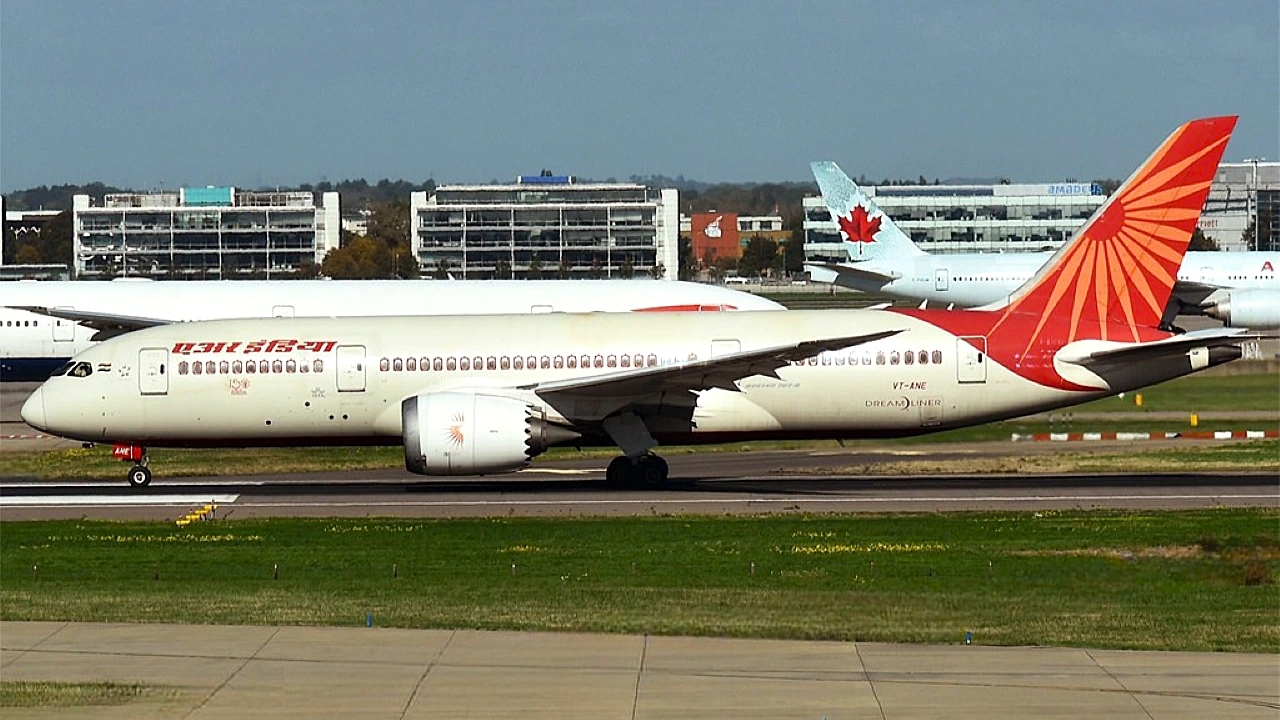
Air India’s decision to act before receiving formal guidance from Boeing highlights a conservative safety posture as it continues to integrate widebody aircraft into its long-haul operations.
The outcome of Boeing’s technical assessment and any regulatory response will likely shape next steps, including whether additional inspections or design reviews are required.
Stay tuned with us. Further, follow us on social media for the latest updates.
Join us on Telegram Group for the Latest Aviation Updates. Subsequently, follow us on Google News
