

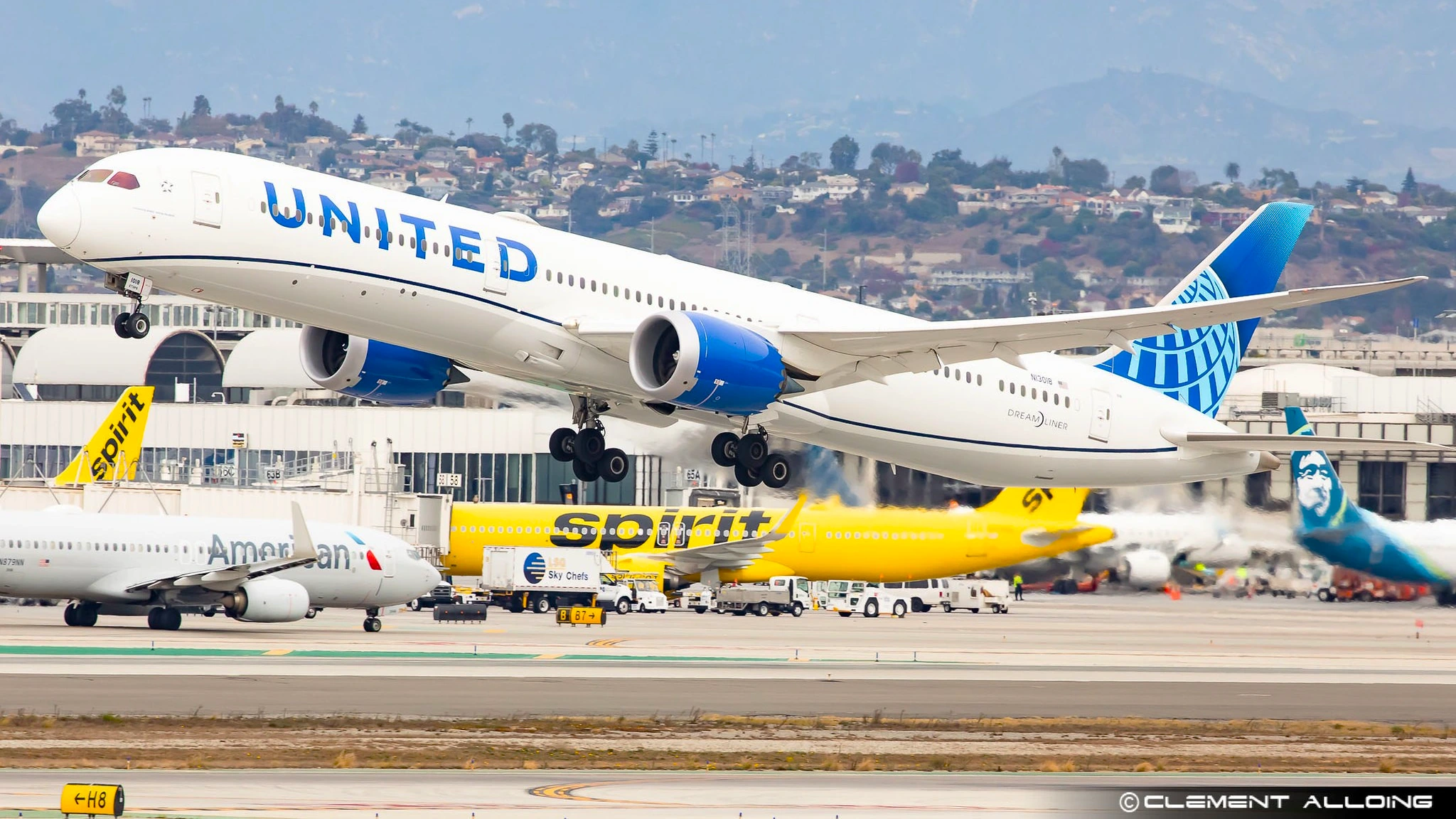
The airline industry is rapidly embracing Elon Musk’s satellite internet system, with 34 carriers now committing to installing SpaceX’s Starlink for in-flight Wi-Fi. Among these, 21 airlines finalized their agreements within the past three months, highlighting the accelerated adoption of this low-orbit satellite technology.
Leading the charge are global giants such as Emirates Airlines (EK) at Dubai International Airport (DXB), British Airways (BA) at London Heathrow (LHR), and Qatar Airways (QR) at Hamad International Airport (DOH). The expansion is not limited to these flag carriers, as regional and domestic airlines across Asia, Europe, and North America are also joining the trend.
Starlink Technology Overview
Unlike conventional airborne internet services that rely on ground-based cell towers or older satellite systems, Starlink utilizes a constellation of low-Earth orbit satellites.
This approach aims to deliver internet speeds comparable to typical home broadband, even at 35,000 feet. Passengers can now potentially enjoy streaming, video conferencing, and real-time browsing without interruptions during flights.
The system’s architecture allows it to cover remote and transoceanic routes, where traditional Wi-Fi systems often face connectivity gaps.
Airlines adopting Starlink can expand service reliability on long-haul flights and routes over oceans or sparsely populated regions.
Airlines Using Starlink Wi-Fi
European carriers have been particularly aggressive in adopting Starlink this year.
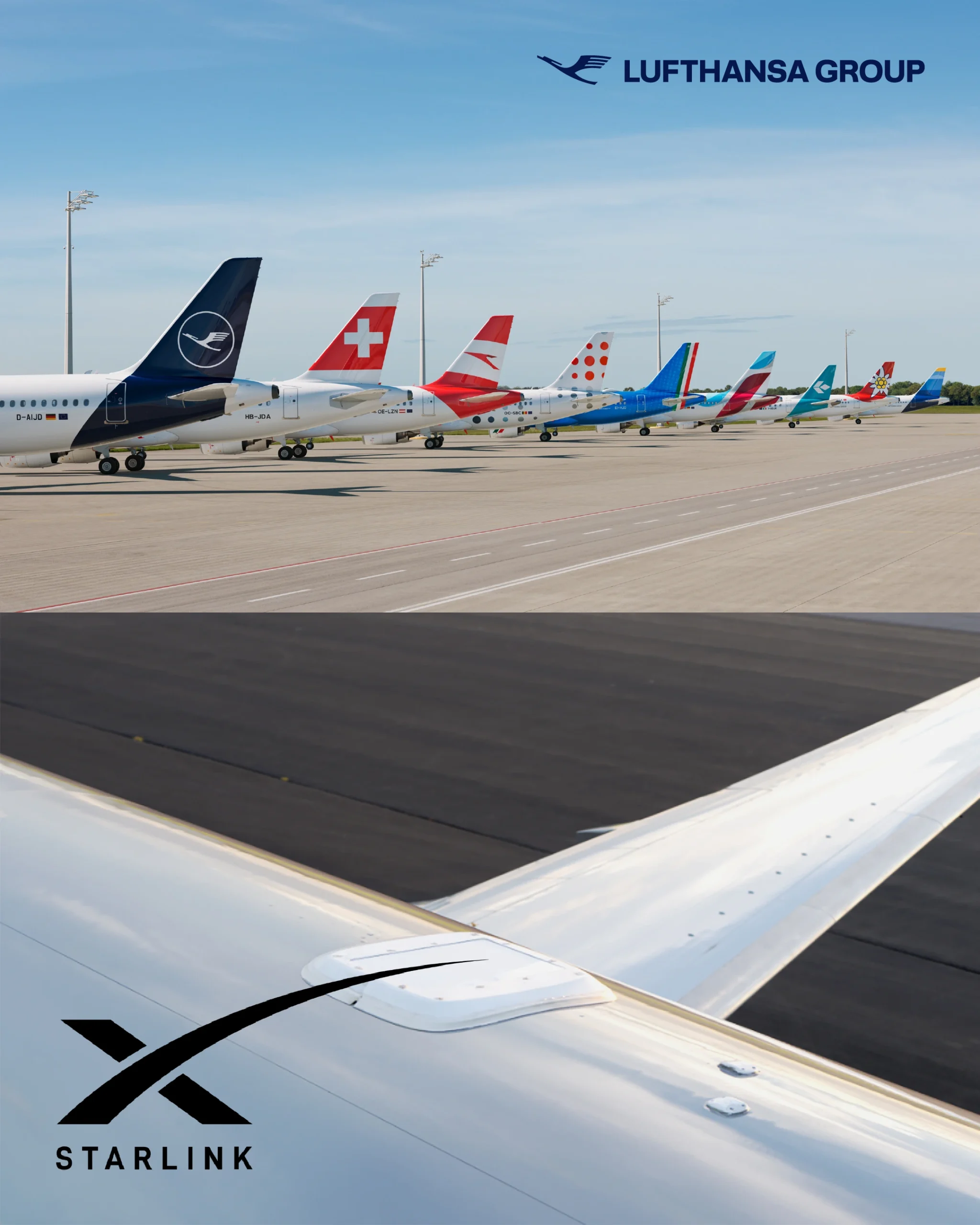
Lufthansa Group confirmed in January 2026 that it will equip the system across multiple subsidiaries, including Austrian Airlines, Brussels Airlines, Discover Airlines, Edelweiss Air, Eurowings, and SWISS.
Meanwhile, Asian carriers have also joined the network rapidly. South Korean airlines such as Air Busan (BX), Air Seoul (RS), Asiana Airlines (OZ), Jin Air (LJ), and Korean Air (KE) committed to the service in December 2025.
According to Dallas Express, North American carriers, including Alaska Airlines (AS) and Hawaiian Airlines (HA), continue to maintain early partnerships with SpaceX, while Air New Zealand (NZ) and Gulf Air (GF) expand Starlink coverage across the Pacific and Middle East.
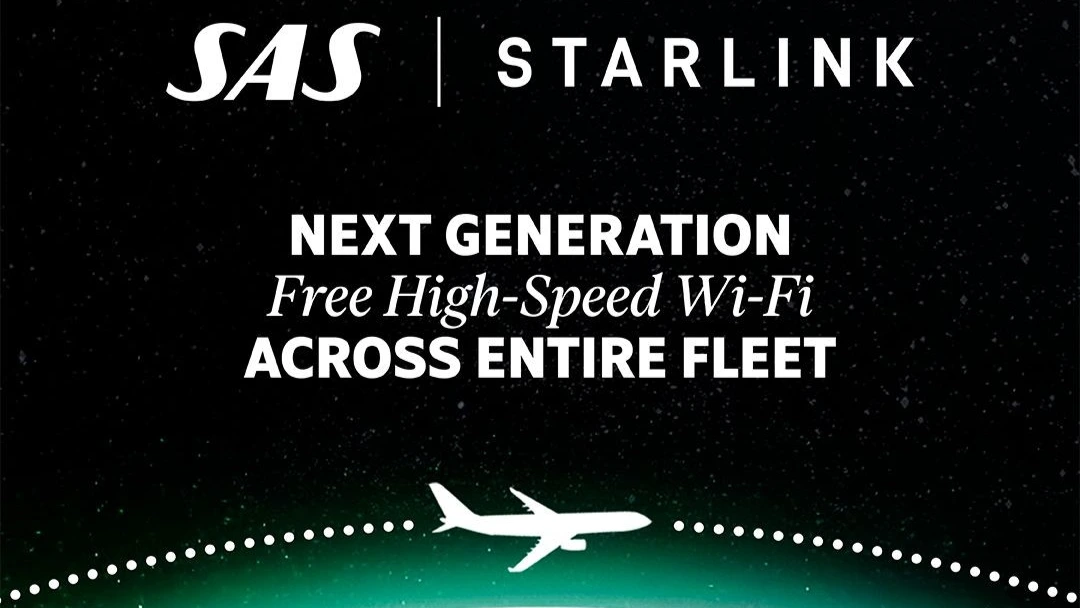
Pricing models vary significantly; some carriers offer Starlink as a complimentary service, while others limit access to higher fare classes or charge a premium.

Implementation Challenges
While Starlink promises high-speed internet globally, integration is not without challenges. Installation requires extensive aircraft downtime for retrofitting antennas, creating operational complexities.
Moreover, regulatory approvals differ across countries, necessitating additional compliance efforts for airlines.
Despite these hurdles, the continued adoption underscores the industry’s commitment to enhancing passenger experience.
SpaceX has launched over 9,300 satellites since its initial commercial Starlink deployment, and aviation integration marks a strategic expansion into one of the fastest-growing connectivity markets.
Bottom Line
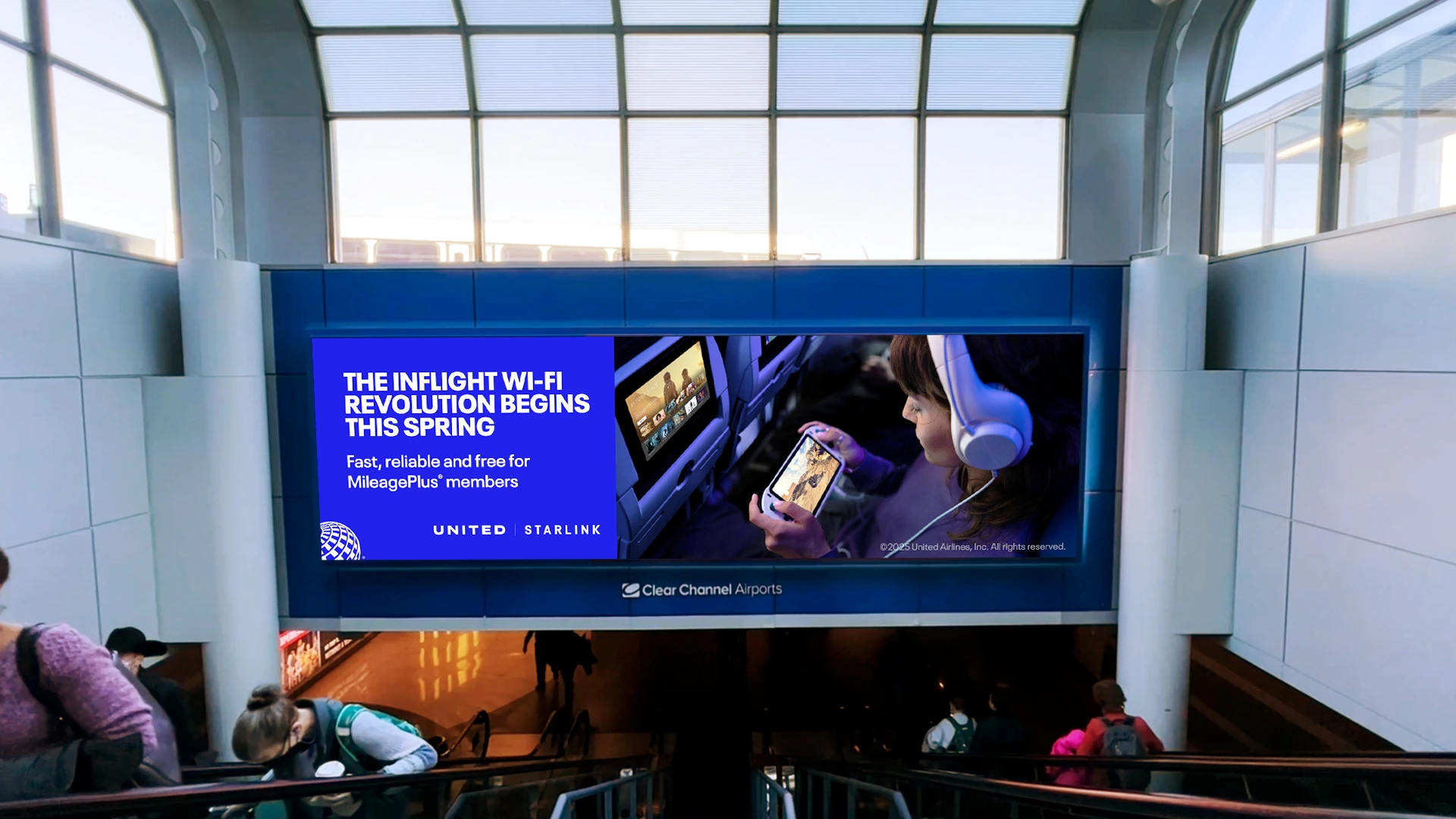
The commitment from 34 airlines demonstrates that Starlink is not just a niche offering but a mainstream solution for modern air travel.
By delivering reliable high-speed internet, airlines hope to differentiate themselves in a competitive landscape while addressing increasing passenger expectations.
Stay tuned with us. Further, follow us on social media for the latest updates.
Join us on Telegram Group for the Latest Aviation Updates. Subsequently, follow us on Google News
