

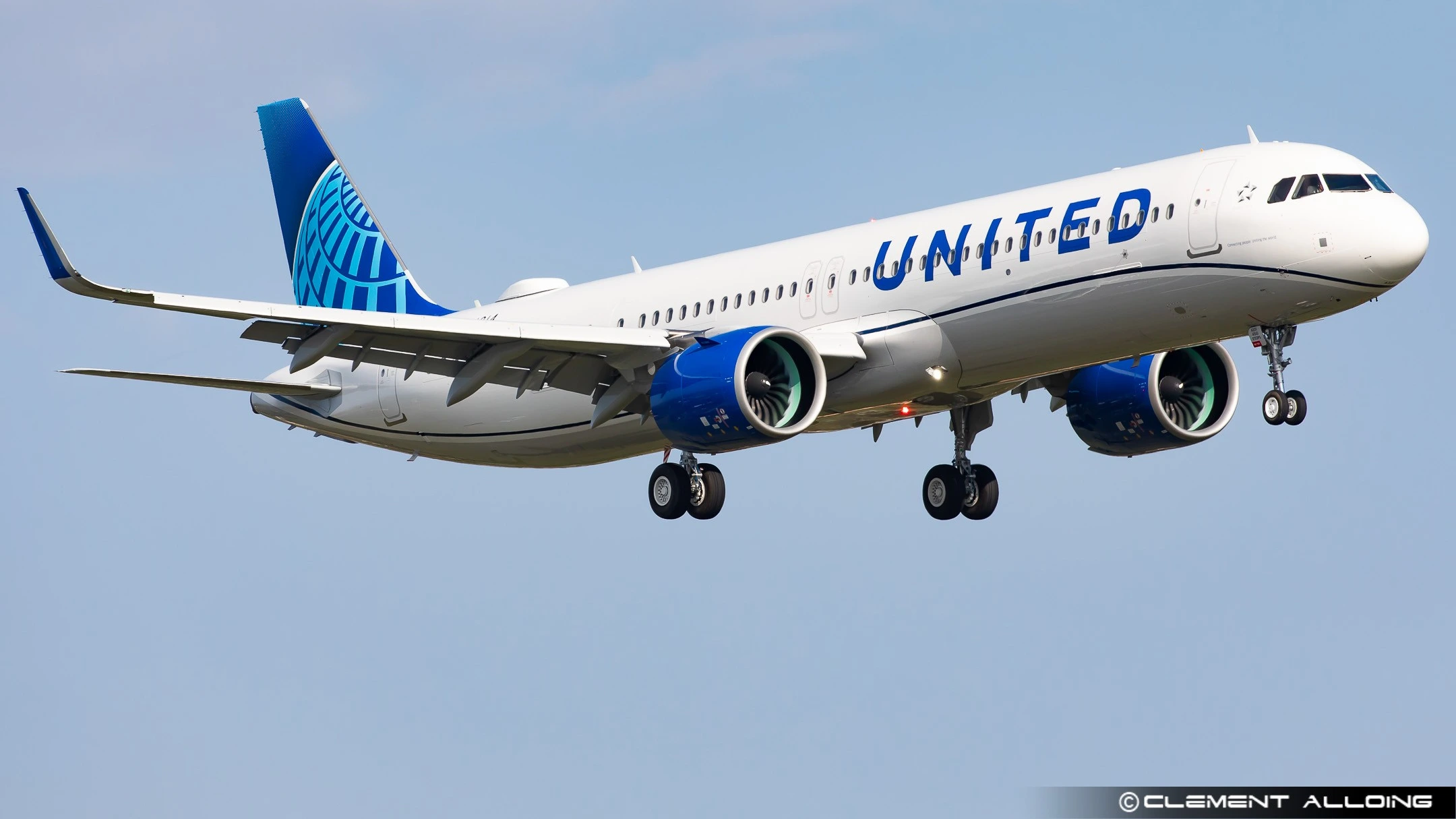
CHICAGO- United Airlines (UA) is preparing to introduce a new premium-configured Airbus A321neo subfleet aimed at high-demand transcontinental routes within the United States. The aircraft will focus on business-heavy coast-to-coast markets rather than long-haul international flying.
The new A321neo variant is expected to complement United’s upcoming Airbus A321XLR fleet, with a similar premium cabin standard but optimized for domestic operations between hubs like Newark (EWR), Los Angeles (LAX), and San Francisco (SFO).
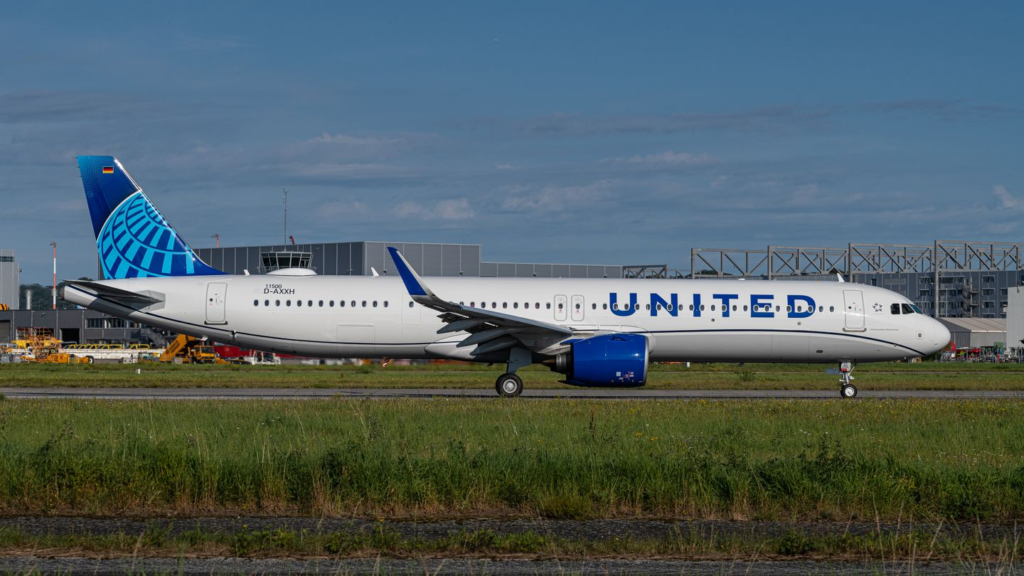
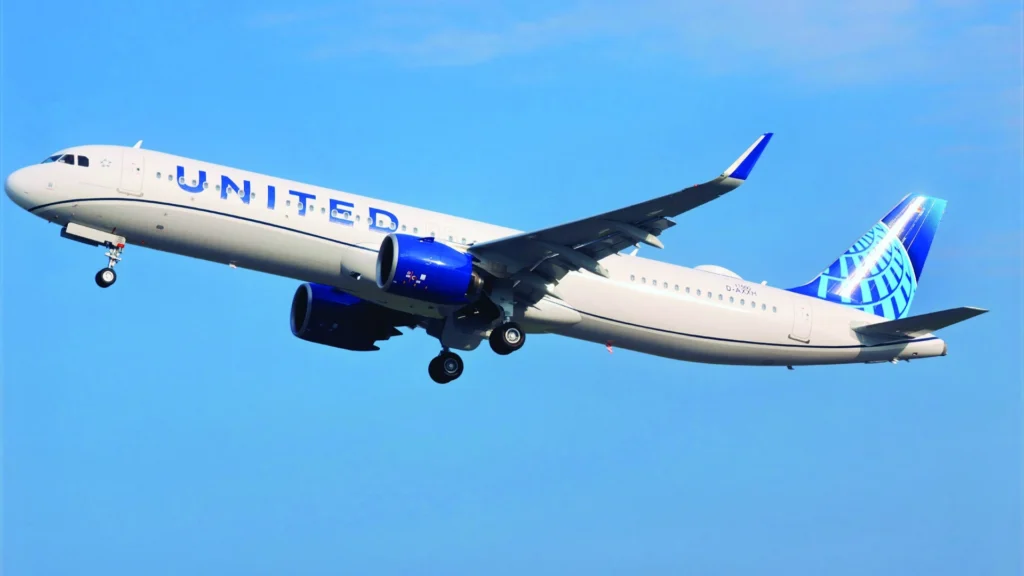
United A321neo Coastliner Livery
United is in the process of building one of the world’s largest Airbus A321neo fleets, with more than 175 aircraft expected over time. Until now, these aircraft have featured a standard 200-seat domestic layout designed for high-capacity routes.
That approach is now changing. One upcoming A321neo delivery, registered as N94750, is expected to be the first aircraft in a new premium subfleet internally referred to as the Coastliner. This aircraft type is distinct from the A321XLR and is designed specifically for long domestic missions with a strong premium focus.
The airline is reportedly planning around 40 of these aircraft under the internal code A321LF. Each jet is expected to feature 161 seats, including 20 business class seats in a 1-1 configuration with fully flat beds, 12 premium economy seats in a 2-2 layout, and 129 economy seats arranged 3-3.
By comparison, United’s A321XLRs are expected to carry 150 seats with the same number of business and premium economy seats but fewer economy seats overall.
The business class and premium economy cabins are expected to be nearly identical across both aircraft types, with differences concentrated in economy density, galley size, and onboard service requirements, OMAAT reported.
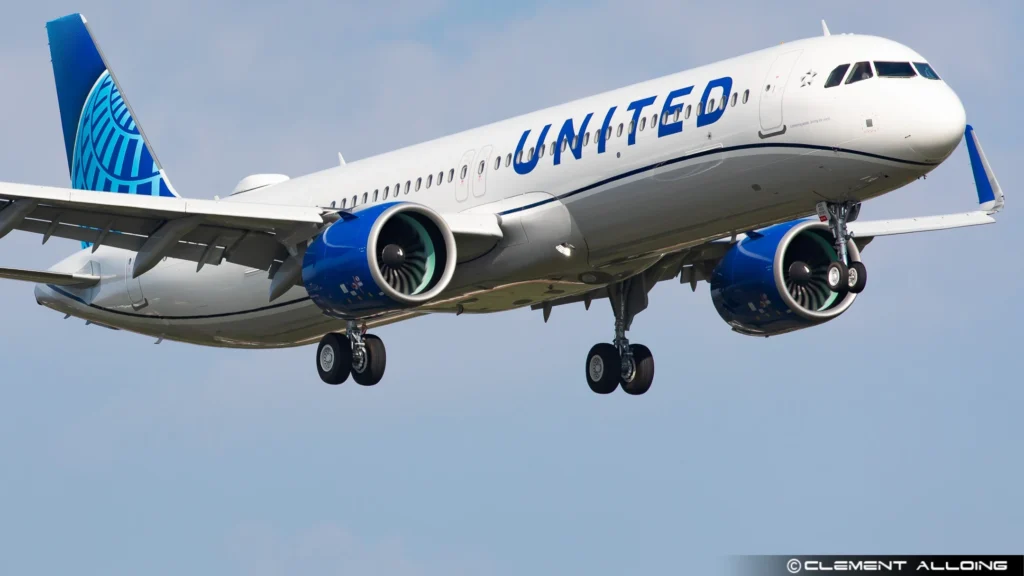
Why the A321neo Makes Sense for United
United has long stated its intent to offer lie-flat seats on next-generation narrowbody aircraft. The original plan centered on the Boeing 737 MAX 10, but ongoing certification delays have forced a strategic pivot.
The Airbus A321neo provides a certified, efficient platform that allows United to move forward without further delays. These aircraft are expected to replace aging Boeing 757-200s on premium domestic routes and, in some cases, widebody aircraft currently used on transcontinental services.
Replacing widebodies on domestic routes also frees up long-haul aircraft for international expansion, strengthening United’s global network while improving unit economics on domestic premium routes.
With a fleet of roughly 40 aircraft, United could operate up to 60 daily round-trip coast-to-coast flights. Core routes are expected to include Newark (EWR) to Los Angeles (LAX) and San Francisco (SFO), with potential expansion to Boston (BOS) and New York (JFK) depending on network strategy and partnerships.
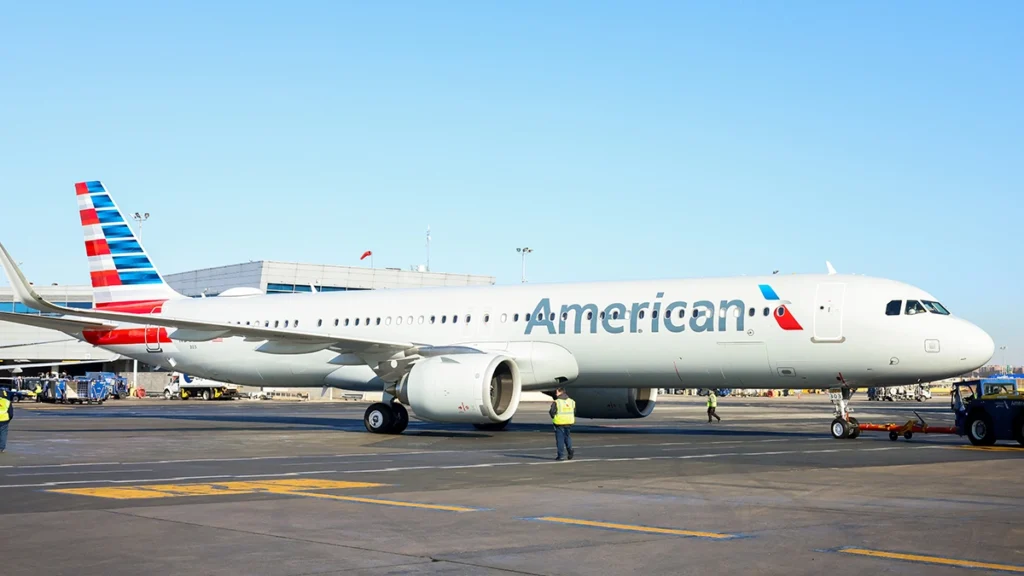
Competitive Contrast With American and Delta
United’s decision to create a dedicated premium transcontinental subfleet stands in contrast to American Airlines’ approach. American plans to use its Airbus A321XLRs across both domestic premium and long-haul international routes, a strategy that limits flexibility and growth in both segments.
Delta Air Lines is also developing premium-configured A321neos for transcontinental flying, but on a much smaller scale. Delta’s planned fleet of around 21 aircraft is roughly half the size of United’s, and certification delays have already disrupted deployment timelines.
These differences highlight United’s more focused and scalable narrowbody premium strategy, particularly in high-revenue domestic markets.
Bottom Line
United Airlines is moving closer to launching a dedicated premium Airbus A321neo subfleet tailored for transcontinental flying. With 161 seats, including 20 lie-flat business class seats and 12 premium economy seats, the Coastliner concept aligns closely with United’s broader premium growth strategy.
While the airline has not yet made a formal announcement, the move reflects a clear shift away from delayed aircraft programs and toward immediate, practical fleet solutions that support both domestic and international ambitions.
Stay tuned with us. Further, follow us on social media for the latest updates.
Join us on Telegram Group for the Latest Aviation Updates. Subsequently, follow us on Google News
