

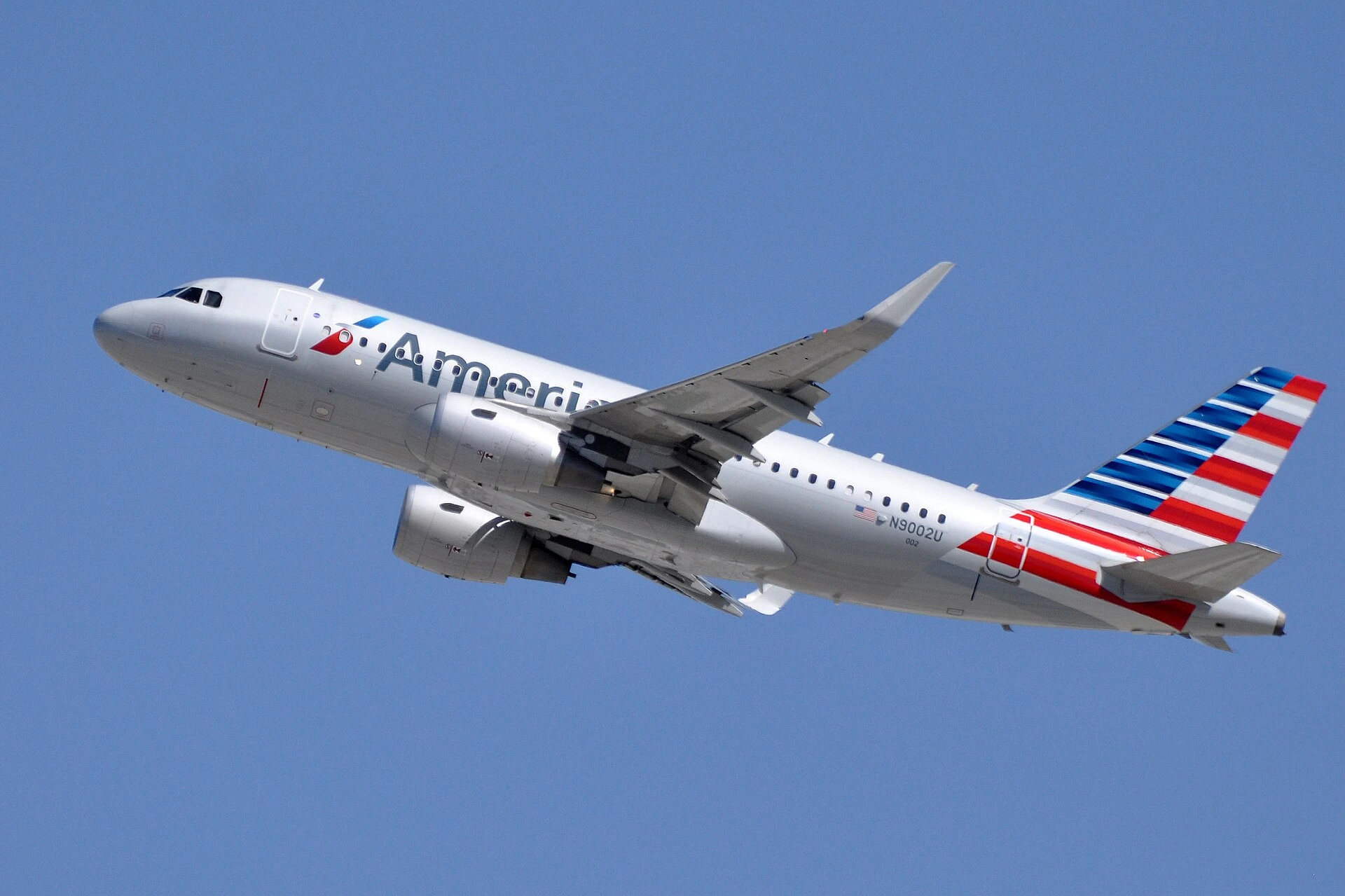
TOULOUSE- Airbus faces another lawsuit after a flight attendant alleged long-term illness following exposure to cabin fumes aboard an Airbus A319 during boarding.
American Airlines (AA) operations at Phoenix Sky Harbor Airport (PHX) are central to the case, which adds to ongoing legal pressure surrounding aircraft cabin air safety.
Airbus Hit with Lawsuit Over Toxic Fume
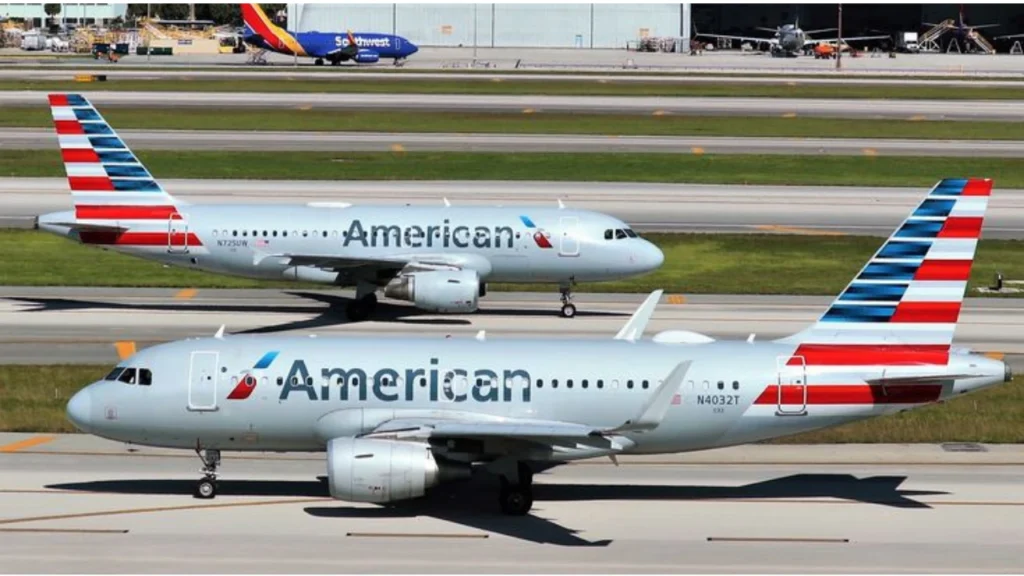
The lawsuit was filed in a New York district court by Tamar Ferrel, an American Airlines flight attendant based in Phoenix, over an incident that occurred on January 14, 2024, while passengers boarded an Airbus A319 at Phoenix Sky Harbor Airport.
Ferrel states she stood midway in the cabin assisting passengers when the aircraft captain activated the auxiliary power unit, commonly known as the APU. The APU is a small engine located in the aircraft’s tail that provides power while on the ground and assists in starting the main engines.
Within moments, a strong odor resembling dirty socks reportedly spread through the cabin. Ferrel moved toward the rear, where another crew member was coughing and gagging due to the fumes. The captain then ordered an evacuation of passengers.
During the evacuation, Ferrel experienced coughing, confusion, and severe headaches. Although passengers left the aircraft, the crew remained onboard for nearly an hour before being transported to urgent care facilities for evaluation.
Despite symptoms, Ferrel was initially cleared to work and returned to flying after a single day off. During a subsequent flight to Mexico, she reportedly became severely ill, began shaking, and required onboard oxygen support.
Her condition worsened in the following weeks, forcing her to take an extended time off despite having no alternative income source. She later sought treatment from neurologist Dr. Robert Kaniecki, who compared the exposure to the effect of a concussion, but caused by chemicals rather than physical trauma.
Ferrel claims she now suffers daily headaches and panic attacks associated with post-traumatic stress symptoms, preventing her return to flying duties.
According to PYOK, the lawsuit alleges Airbus knew about contamination risks within its aircraft air systems yet failed to act, seeking compensatory and punitive damages and accusing the manufacturer of reckless indifference to passenger and crew safety.
How Cabin Air Is Supplied on Most Aircraft
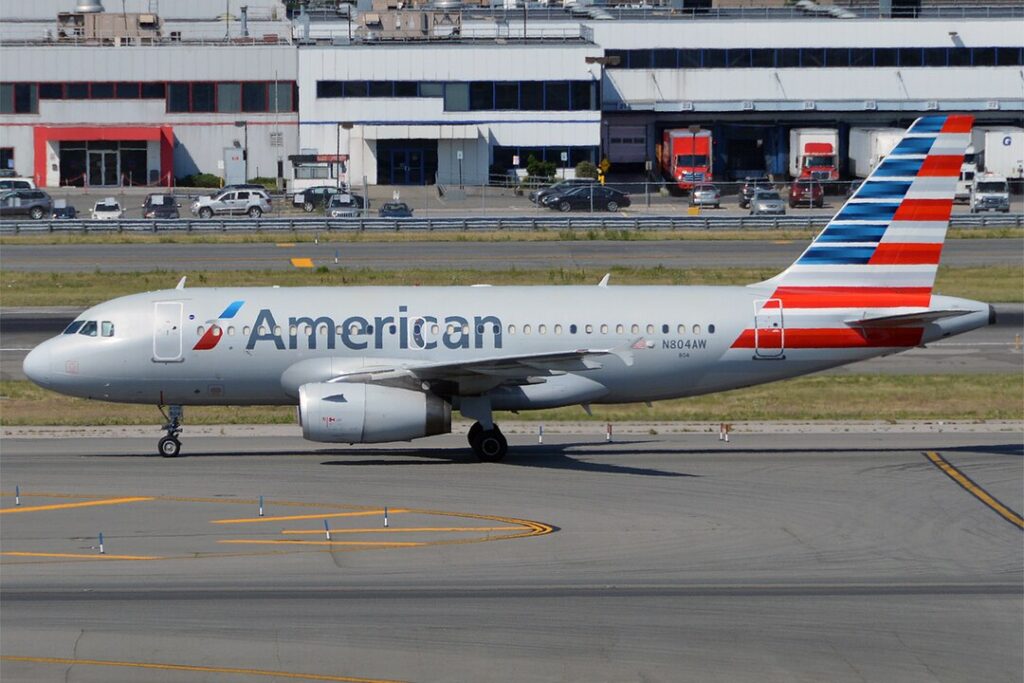
Most commercial aircraft use what is known as a bleed air system to supply cabin air. The system draws compressed air from aircraft engines, cools it through air conditioning units, and circulates it inside the cabin.
Campaigners argue that if engine oil or lubricants leak into this airflow, they may vaporize and contaminate cabin air, leading to what are commonly called fume events. Some experts believe the risk increases when the APU operates near areas susceptible to oil leakage.
Airbus and airlines maintain that such incidents are rare and that aircraft systems comply with safety regulations. However, lawsuits continue to challenge whether long-term health risks are adequately addressed.
Similar Lawsuits Involving Airbus and Boeing
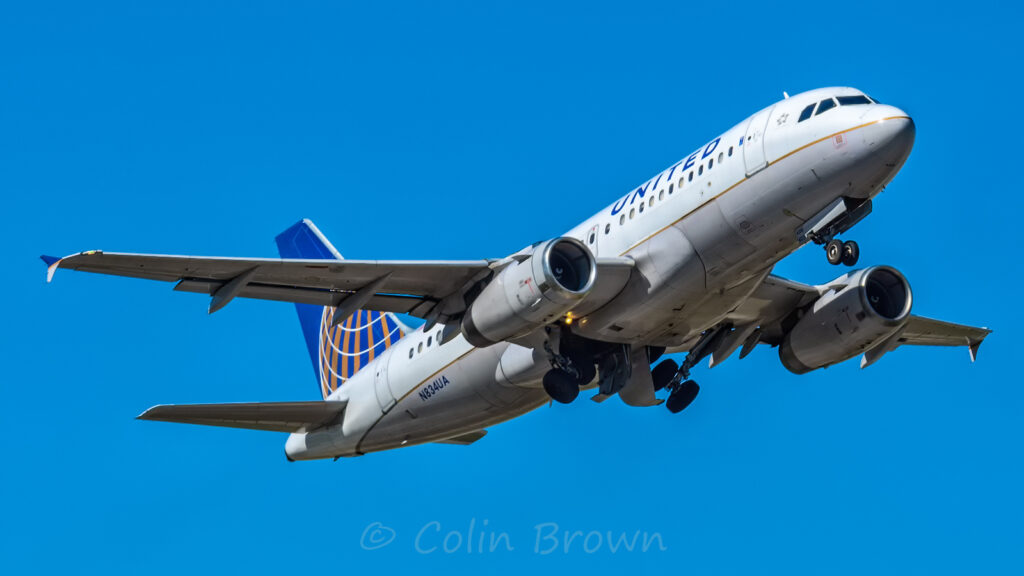
This case follows other lawsuits involving alleged cabin air contamination. In May 2023, United Airlines flight attendant Darlene Fricchione sued Airbus after an A319 incident at Denver International Airport, where activation of the APU reportedly filled the cabin with chemical fumes.
A pulmonologist treating Fricchione reportedly described her airway injuries as similar to chlorine exposure due to severe irritation.
Boeing has also faced legal action. A Delta Air Lines passenger, Temple University law professor Jonathan Harris, sued the manufacturer after claiming long-term brain and respiratory injuries following exposure to contaminated cabin air on a Boeing 737 flight.
Health Effects Remain Debated
The aviation industry maintains that most passengers and crew recover quickly after fume events and that lasting harm is uncommon. However, advocacy groups argue that a small portion of those exposed develop chronic neurological and respiratory conditions.
Scientific consensus remains inconclusive, and further research continues regarding long-term effects.
Aircraft That Avoid Bleed Air Systems
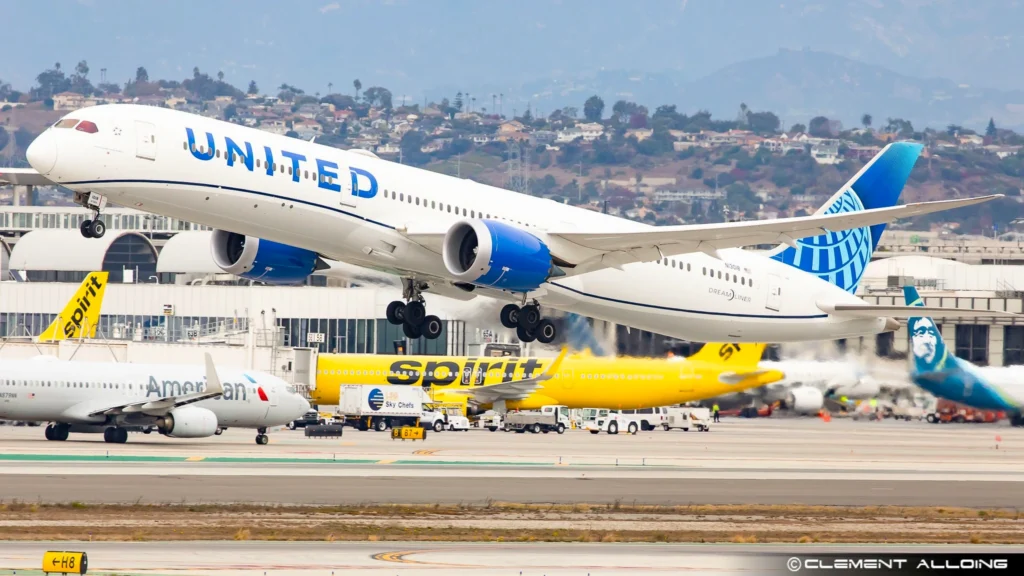
Nearly every commercial jet uses bleed air to supply cabin airflow. The primary exception is the Boeing 787 Dreamliner, which relies on electrically powered compressors rather than engine bleed air.
Campaigners argue that additional filtration systems, sensors, and early-warning technologies could reduce contamination risks across existing aircraft fleets.
Broader Implications for Aviation Safety
Ferrel’s lawsuit adds legal and reputational pressure on Airbus as courts evaluate claims that aircraft design may allow contaminated air events.
The case could influence future aircraft design decisions, regulatory oversight, and airline procedures related to cabin air quality and crew safety.
Stay tuned with us. Further, follow us on social media for the latest updates.
Join us on Telegram Group for the Latest Aviation Updates. Subsequently, follow us on Google News
