

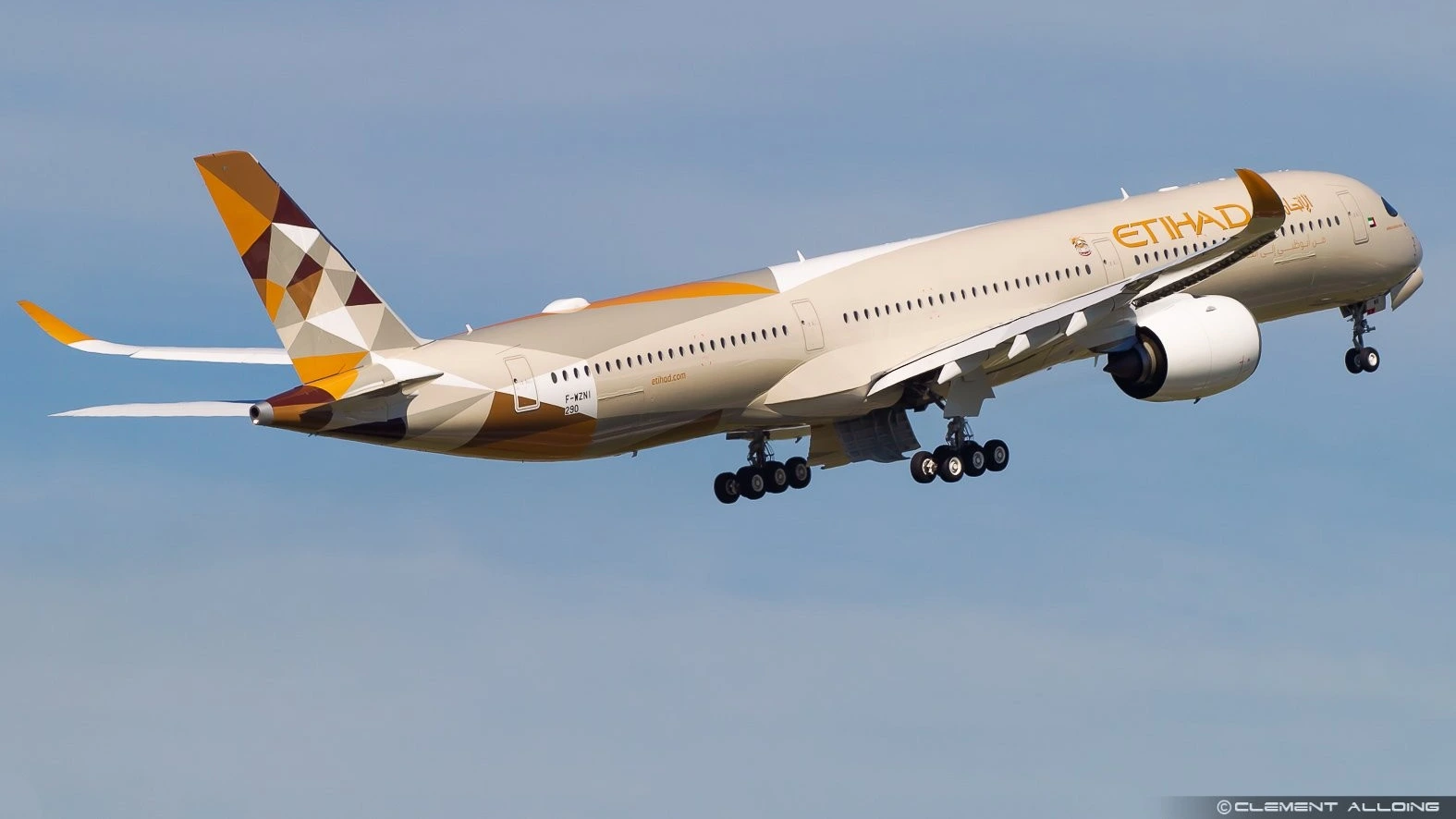
ABU DHABI- Etihad Airways (EY) has proposed an unconventional approach to India’s traffic rights policy, arguing that foreign carriers can help build demand before Indian airlines scale up.
Speaking at Wings India 2026, the airline’s leadership said current restrictions limit near-term growth, even as India remains central to Etihad’s long-term strategy linked to Abu Dhabi International Airport, Abu Dhabi (AUH).
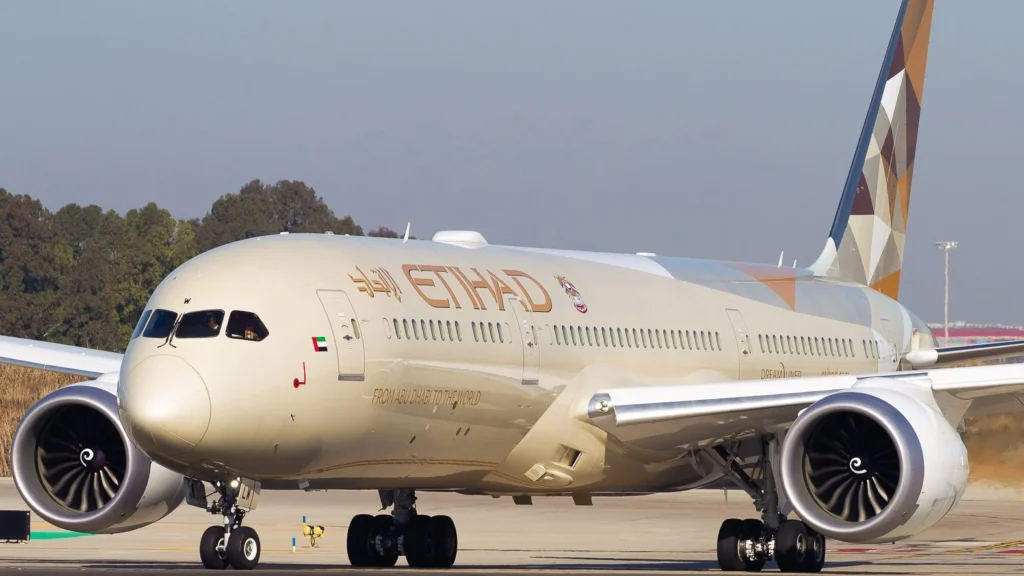
Etihad Eyes New Destinations to India
Etihad Airways Chief Executive Officer (CEO) Antonoaldo Neves outlined a market-first strategy aimed at accelerating India’s international aviation growth. His argument is simple. Allow foreign airlines to stimulate demand now so Indian carriers can later capture traffic once their fleet expansion plans are ready.
Neves said foreign carriers can absorb early risk by adding capacity, marketing routes, and attracting new passengers. When Indian airlines induct more widebody aircraft, they can then benefit from an already mature and proven market rather than starting from scratch.
This approach, he said, aligns with long-term national interest rather than short-term protectionism, HinduBusiness Line reported.
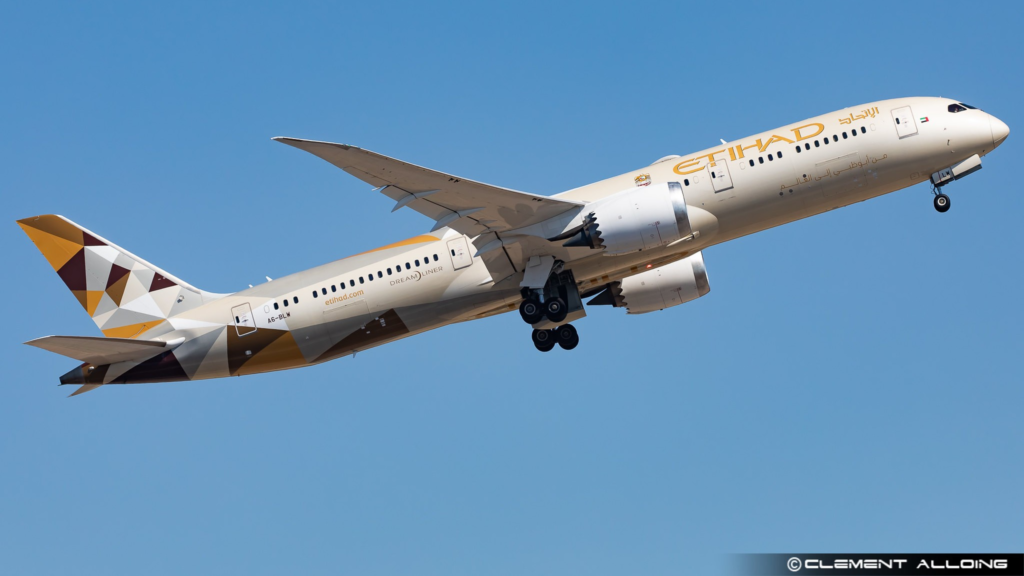
India’s Role in Etihad’s Vision 2030
Etihad views India as a core pillar of its Vision 2030 roadmap. The airline expects 15 to 20 percent of its future global growth to originate from the Indian market.
Despite posting 20 percent global growth in 2025, Etihad’s capacity to India has remained flat. All allocated bilateral traffic rights are fully utilised, preventing additional flights or new routes.
Neves made it clear that if expansion in India remains constrained, Etihad will be forced to divert growth to other regions where access is available.
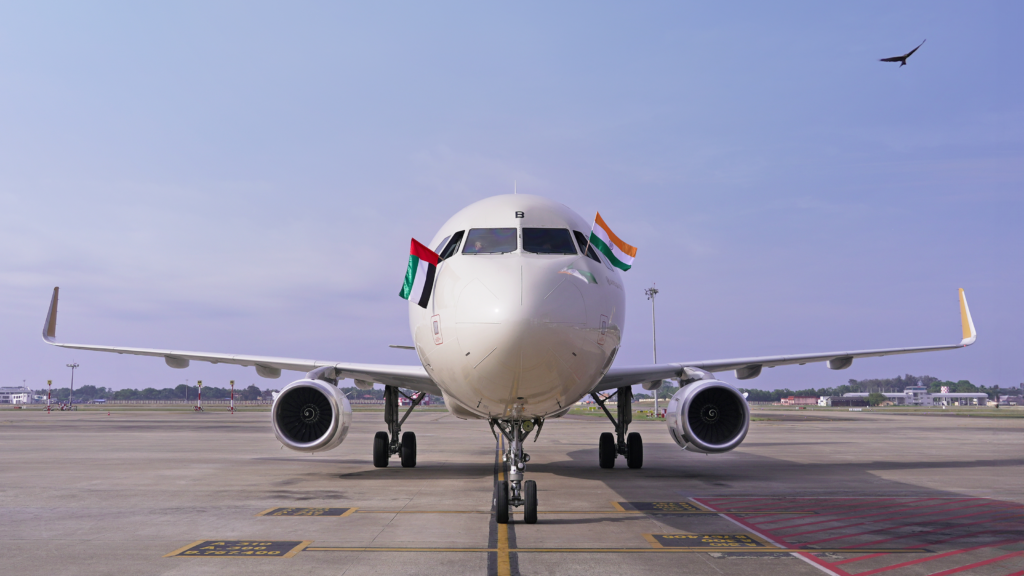
Expansion Plans Pending Traffic Rights Approval
If additional rights are approved, Etihad plans a measured expansion rather than aggressive capacity dumping. The airline aims to add five to seven new Indian destinations, including Goa, while increasing frequencies to cities such as Hyderabad and Ahmedabad.
This expansion would strengthen Abu Dhabi’s role as a key transit hub for Indian outbound traffic while improving inbound tourism flows to India.
Neves also pointed out that Indian carriers still have around 10,000 unutilised seats available on the Abu Dhabi route, indicating unused potential on both sides of the market.
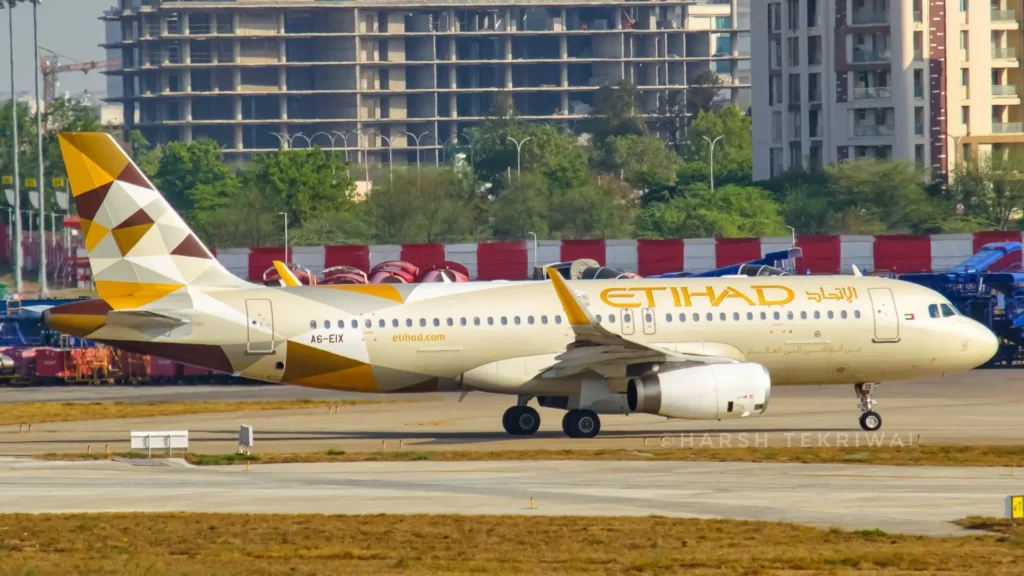
Capacity Constraints and Aircraft Shortage
Even with immediate regulatory approval, Etihad does not plan to flood the Indian market. The airline, like most global carriers, is facing a severe aircraft shortage.
Neves said sourcing new aircraft is extremely difficult due to production delays and supply chain constraints. As a result, any expansion would be gradual and aligned with fleet availability rather than policy changes alone.
He added that current restrictions appear to be a temporary measure designed to give Indian airlines time to scale operations.

Tourism and Long-Term Market Balance
Neves emphasized that expanding air access ultimately benefits India’s tourism sector. More flights mean more inbound visitors, higher economic activity, and stronger international connectivity.
He expressed confidence that market realities will eventually drive a rational opening of the skies as demand continues to rise and capacity gaps become harder to ignore.
Stay tuned with us. Further, follow us on social media for the latest updates.
Join us on Telegram Group for the Latest Aviation Updates. Subsequently, follow us on Google News
