

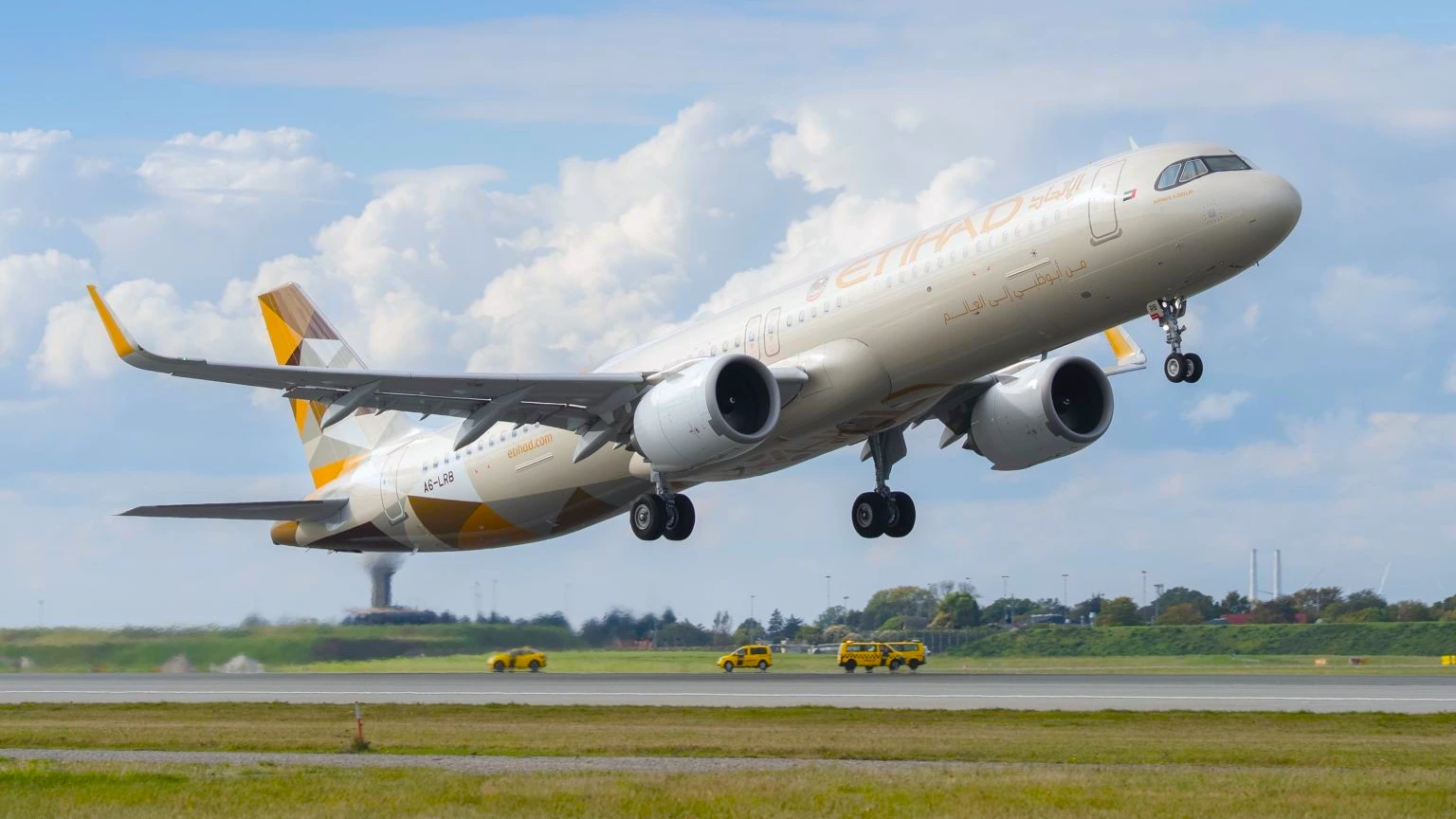
ABU DHABI- Etihad Airways (EY) has confirmed the launch of nonstop flights between Abu Dhabi and Luxembourg, becoming the first Middle East airline to serve the country. The service will connect Abu Dhabi International operations via Zayed International Airport (AUH) with Luxembourg Airport (LUX).
Launching on 29 October 2026, the route positions Etihad Airways (EY) as the only carrier offering direct connectivity between Abu Dhabi and Luxembourg City (LUX), opening a new air bridge between the UAE and one of Europe’s key financial centres.
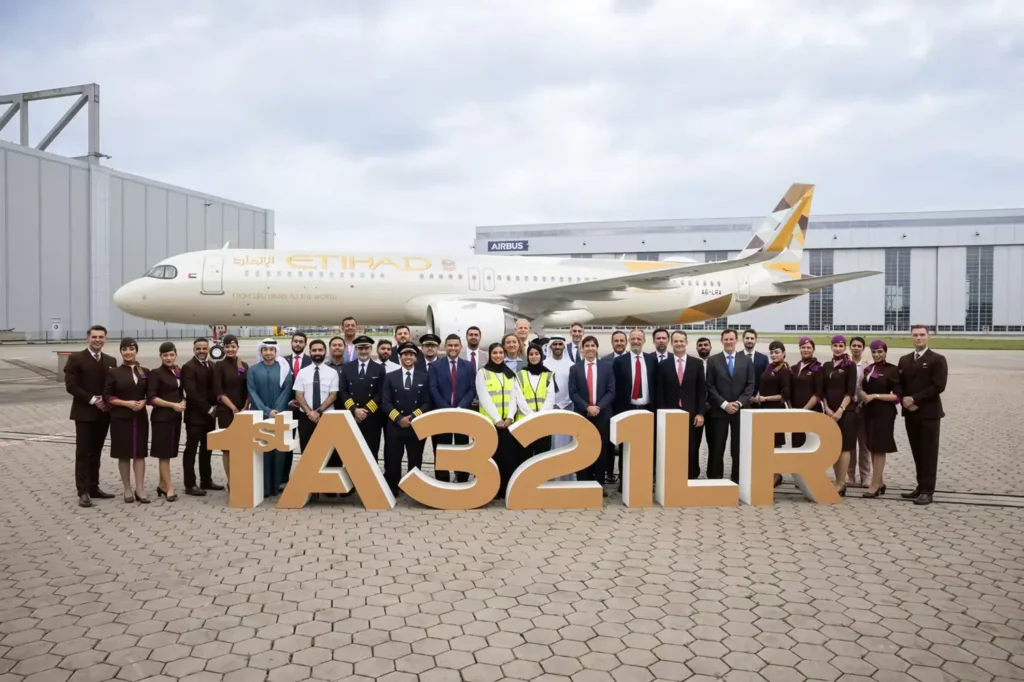
Etihad Launching Flights to Luxembourg
The new Abu Dhabi to Luxembourg service reflects rising demand for direct access to the UAE from Luxembourg and surrounding regions, including Belgium, France, and Germany.
By adding Luxembourg to its network, Etihad strengthens its European footprint while providing travellers with a faster and more efficient option to reach the UAE capital.
Luxembourg Airport (LUX) will gain its first nonstop connection to the Middle East, offering passengers a direct gateway to Abu Dhabi’s cultural landmarks, hospitality sector, and growing business ecosystem.
For Etihad, the route supports its strategy of connecting secondary European markets with high-value demand to its global hub.
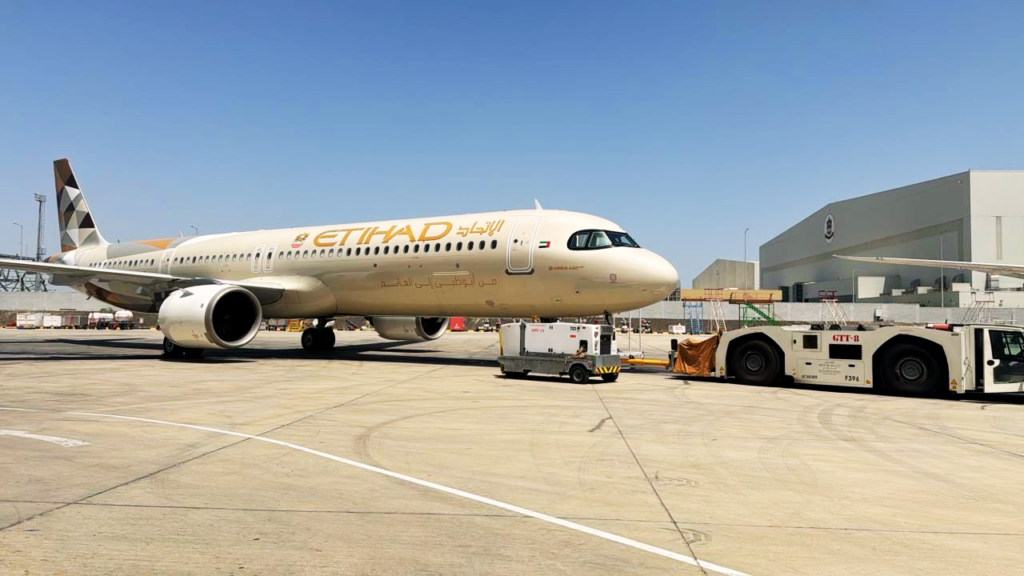
Flights will operate three times per week using Etihad’s Airbus A321LR. The aircraft is configured with a three-class layout, including First Suites, lie-flat Business Class seats with direct aisle access, and upgraded Economy seating.
Passengers can expect enhanced comfort across all cabins, with modern inflight entertainment, Bluetooth-enabled 4K screens in Economy, and high-speed Wi-Fi available throughout the aircraft. The A321LR allows Etihad to deliver a long-haul premium product on thinner routes that previously lacked nonstop service.
Luxembourg Flight Schedule from 29 October 2026
| Flight Number | Departure Airport | Departure Time | Arrival Airport | Arrival Time | Operating Days | Aircraft |
|---|---|---|---|---|---|---|
| EY 51 | Abu Dhabi (AUH) | 02:45 | Luxembourg (LUX) | 06:55 | Mon, Thu, Sat | Airbus A321LR |
| EY 52 | Luxembourg (LUX) | 09:35 | Abu Dhabi (AUH) | 19:05 | Mon, Thu, Sat | Airbus A321LR |
Note: All times local
Business and Leisure Connectivity Benefits
The new route supports both corporate and leisure travel between Europe and the UAE. Luxembourg’s status as a financial and institutional hub aligns with Abu Dhabi’s role as a regional business centre, enabling more efficient corporate travel schedules.
Leisure travellers gain direct access to Abu Dhabi’s major attractions, including the Sheikh Zayed Grand Mosque, Louvre Abu Dhabi, Yas Island entertainment venues, and upcoming cultural institutions such as the Zayed National Museum and Natural History Museum.
Through Zayed International Airport (AUH), passengers from Luxembourg will benefit from onward connections across Etihad’s global network. This includes destinations in Asia such as Thailand, Japan, South Korea, Singapore, Indonesia, and India.
Inbound travellers from Abu Dhabi and beyond will also gain direct access to Luxembourg, known for its UNESCO-listed Old Town, historic castles, and scenic valleys, positioning the country as a premium European leisure destination.
Luxembourg becomes the latest European addition to Etihad Airways’ expanding route map. The airline continues to target underserved yet high-potential markets, using next-generation narrowbody aircraft to unlock new nonstop city pairs.
Luxembourg: Richest Country in the World
Luxembourg is a small yet highly developed European nation known for political stability, strong public infrastructure, and a high quality of life. Despite its size, it offers a balanced mix of culture, history, nature, and modern urban living.
Positioned between France, Belgium, and Germany, Luxembourg functions as a multilingual hub with efficient transport, walkable cities, and easy access to countryside escapes. Its appeal lies in simplicity, accessibility, and depth.
Why Luxembourg Stands Out in Europe
Luxembourg combines a strong services-driven economy with preserved heritage and open green spaces. It operates under EU and OECD transparency standards while maintaining a business-friendly environment. Finance and fund administration remain economic anchors, supported by growth in ICT, satellite communications, logistics, and data infrastructure.
Beyond economics, Luxembourg stands apart for practical governance. Since 2020, all public transport buses, trams, and trains have been free nationwide. This policy supports mobility, tourism, and sustainability while reducing travel friction for visitors.
Best Time to Visit Luxembourg
Summer, from June to August, is the most popular period due to mild weather and longer daylight hours. Outdoor areas, hiking trails, and vineyards are at their best during this season.
Autumn, from September to November, offers cooler temperatures, colorful landscapes, and slightly lower accommodation prices. Winter is quieter, with festive markets in December but reduced hours and colder conditions in January and February.
How Long to Stay
A weekend is sufficient to explore Luxembourg City, including its historic core and viewpoints. In four days, visitors can add the Moselle wine region and southern cultural centers like Esch-sur-Alzette.
A stay of seven days allows travel north to Mullerthal for hiking and a visit to Echternach, the country’s oldest town. Short distances make multi-region trips easy without long travel times.
Getting In and Around
Luxembourg Airport is located about five kilometers from the capital and connects directly to major European cities. The city itself is compact and highly walkable.
Nationwide free public transport simplifies movement between cities, towns, and rural areas. This includes cross-country train routes and urban trams.
Top Things to Do in Luxembourg
Explore Luxembourg City
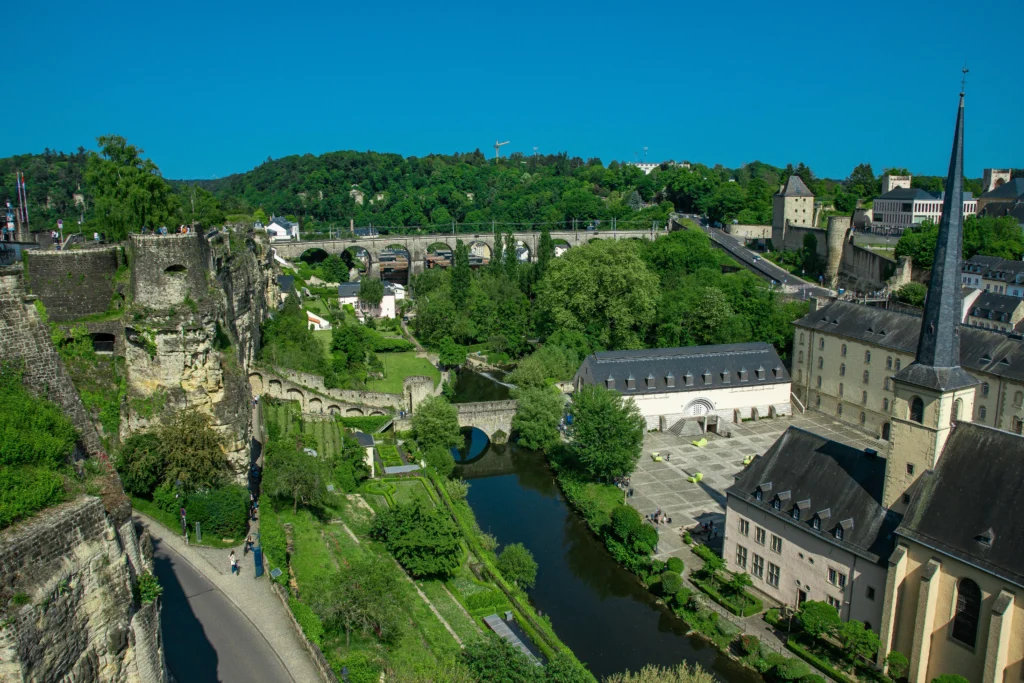
The capital’s Old Town is a UNESCO World Heritage Site shaped by cliffs, bridges, and fortified walls. Key highlights include the Bock Casemates, Chemin de la Corniche, and Pont Adolphe. Museums focus on urban history, art, and national identity.
Experience Nightlife in Clausen
The Rives de Clausen district blends historic breweries with modern bars and restaurants. It is the city’s primary nightlife area and remains active throughout the year.
Discover Industrial Heritage in Esch and Belval
Southern Luxembourg showcases its steel-making past through preserved blast furnaces at Belval and walking trails at Minett Park Fond-de-Gras. These sites reflect the country’s industrial roots.
Visit the Moselle Wine Region
The Moselle Valley lies about 20 kilometers from the capital and is known for white wines such as Riesling and Gewürztraminer. Vineyard towns offer tastings and riverside walks.
Hike in Mullerthal and Visit Echternach
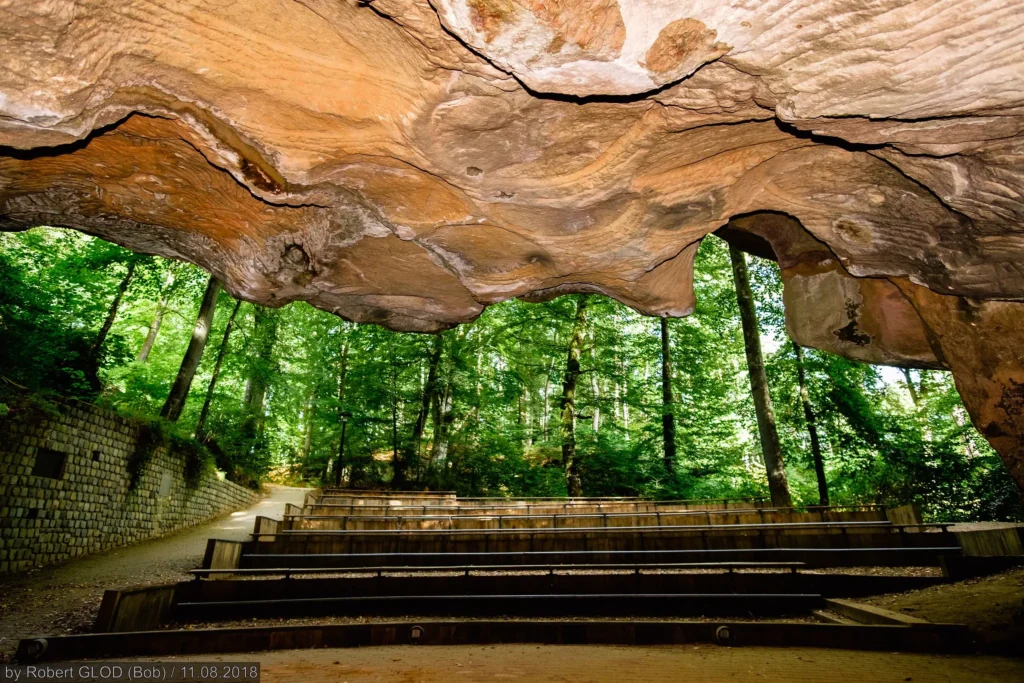
Often called Little Switzerland, Mullerthal features sandstone formations, forests, and the 112-kilometer Mullerthal Trail. Nearby Echternach is known for Roman remains, a medieval abbey, and traditional cultural events.
Costs and Daily Budget
Luxembourg has a high GDP per capita, but visitor costs align with neighboring countries rather than premium destinations. Free public transport significantly reduces daily expenses.
- Hostel bed: €35
- Mid-range hotel for two: €112
- Coffee: €3.50
- Sandwich: €5
- Dinner for two: €50 to €70
- Beer at a bar: €6
Languages and Local Cuisine
Luxembourg has three official languages: Luxembourgish, French, and German. French is widely used in daily life, and English is commonly spoken due to the international workforce.
Local cuisine blends French and German influences. Traditional dishes feature pork, potatoes, and beans, with Judd mat Gaardebounen being a national staple.
Stay tuned with us. Further, follow us on social media for the latest updates.
Join us on Telegram Group for the Latest Aviation Updates. Subsequently, follow us on Google News
