

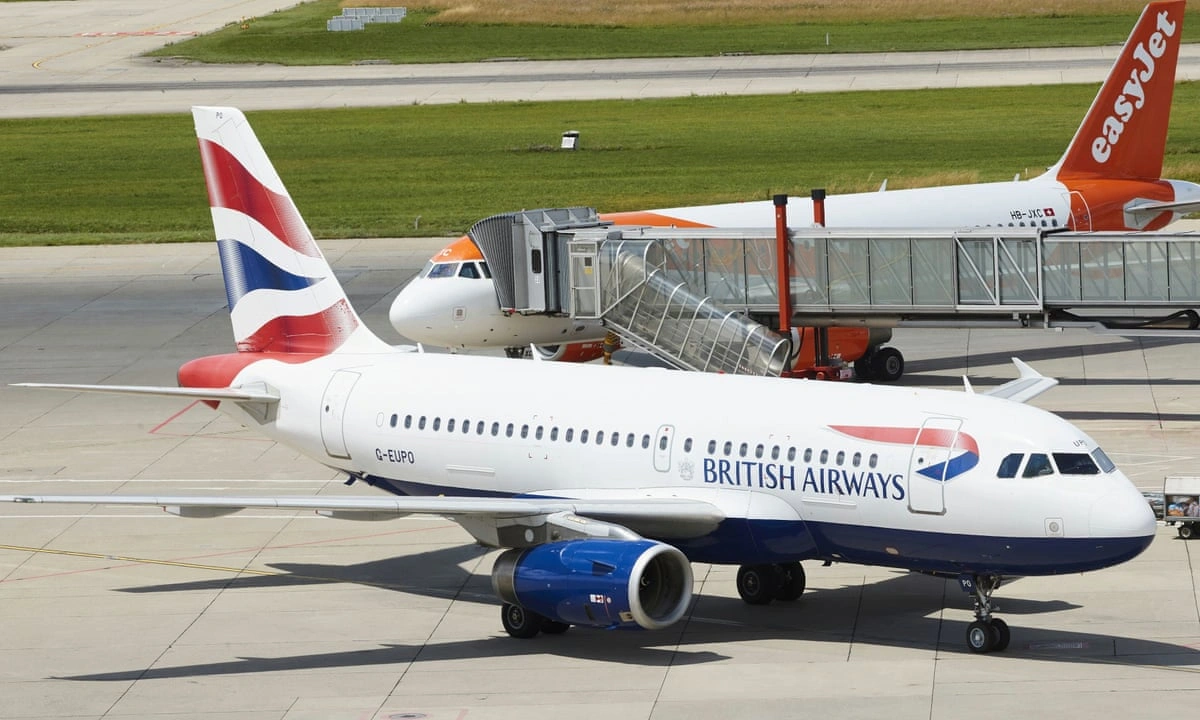
NEW DELHI— The Delhi Bench of the Income Tax Appellate Tribunal (ITAT) has ruled that British Airways (BA) cannot claim tax treaty protection for income earned from providing ground handling and engineering services to other airlines in India.
The decision reinforces that such receipts remain taxable under Indian law and fall outside the scope of the India-UK Double Taxation Avoidance Agreement (DTAA).
The ruling is expected to have wider implications for UK-based airlines operating in New Delhi (DEL) and other Indian airports, particularly those offering aviation support services alongside scheduled passenger operations.
Tax experts say the judgment distinguishes the India-UK treaty from similar agreements with Germany and the Netherlands, where broader treaty provisions offer greater protection for comparable activities.

ITAT Rejects DTAA Relief Claim
British Airways argued that the ground handling and engineering services it provides to other airlines are closely connected to its international flight operations.
According to the airline, these activities qualify as ancillary services and should therefore receive the same tax treatment as profits earned from operating aircraft under Article 8 of the India-UK DTAA.
The tribunal rejected that interpretation, noting that the dispute is not new.
It observed that British Airways has unsuccessfully pursued the same treaty benefit since the 1996-97 assessment year, with tax authorities consistently denying exemption for revenue generated from these services, The Hindu Business Line reported.
The bench further stated that the airline’s reliance on previous Delhi High Court decisions involving KLM Royal Dutch Airlines and Lufthansa German Airlines was misplaced.
Those judgments interpreted different treaty provisions under India’s tax agreements with the Netherlands and Germany, which contain broader language than the India-UK DTAA.
Treaty Scope Limited Under DTAA
The tribunal emphasized that Article 8 of the India-UK DTAA applies specifically to profits derived from operating aircraft in international traffic. It found that revenue from ground handling and engineering work performed for third-party airlines does not fall within that definition.
Tax specialists noted that while such services may be commercially linked to airline operations, treaty benefits depend on the precise wording of each bilateral agreement rather than the operational relationship between activities.
The ruling also reaffirmed that commentary issued by the Organisation for Economic Co-operation and Development (OECD) does not carry binding legal authority when interpreting treaty provisions.
Instead, the tribunal relied on the actual language of the India-UK agreement and previous judicial findings.

Industry Impact Across Aviation
According to tax experts, the judgment provides greater certainty for future assessments involving foreign airlines operating aviation support businesses in India.
UK carriers and airlines covered by similarly worded treaties are expected to remain liable for Indian tax on income earned from providing ground handling and engineering services to other airlines.
In contrast, airlines from Germany and the Netherlands are likely to continue benefiting from broader treaty protections because their agreements with India include explicit provisions covering pooling arrangements and related aviation activities.
The decision underscores the importance of treaty-specific interpretation rather than applying judicial precedents across different bilateral agreements.
For international airlines, it also highlights that ancillary aviation services may receive different tax treatment from core passenger and cargo flight operations, depending on the language of the applicable tax treaty.
Stay tuned with us. Further, follow us on social media for the latest updates.
Join us on Telegram Group for the Latest Aviation Updates. Subsequently, follow us on Google News


