

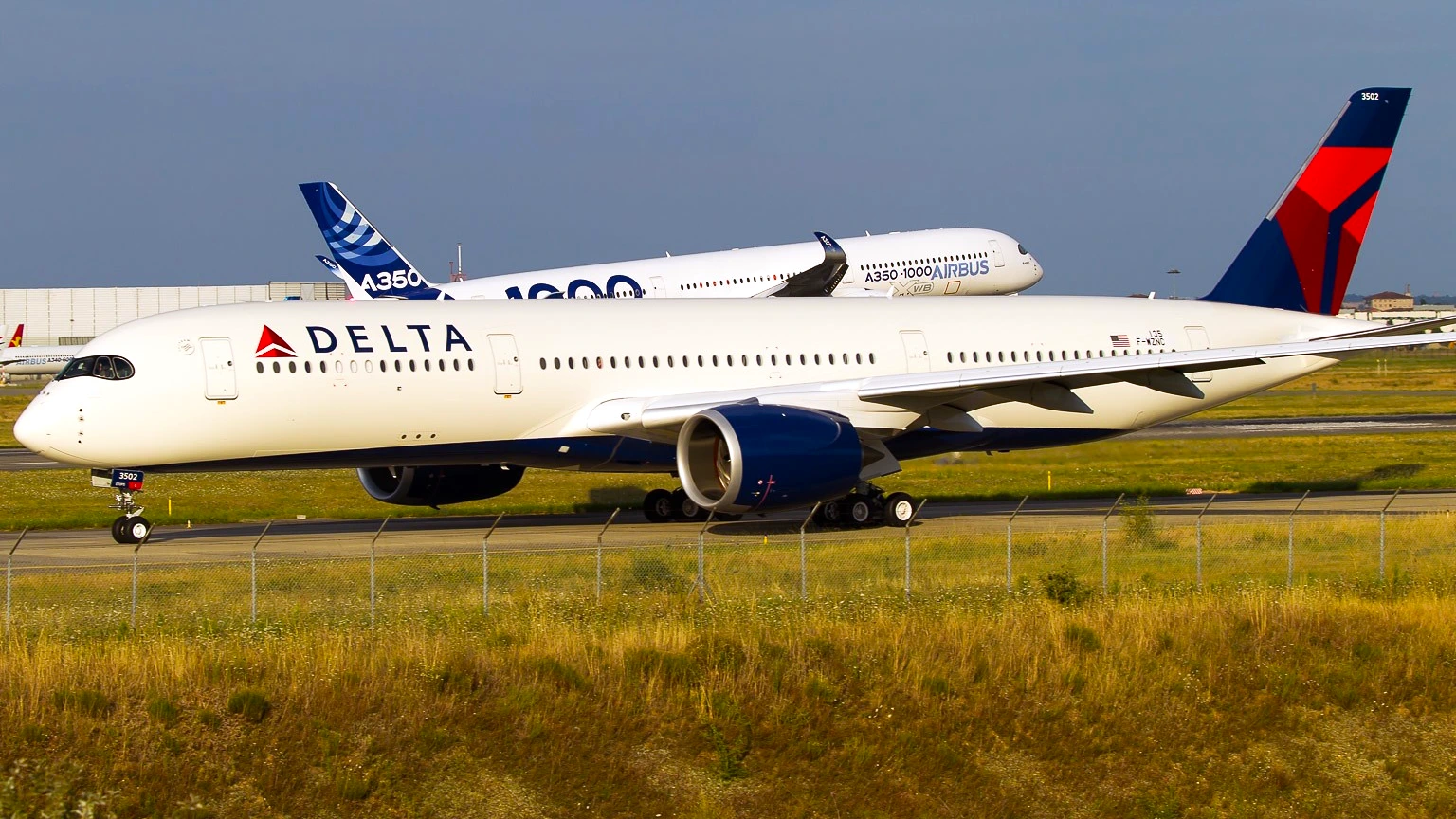
ATLANTA- Delta Air Lines (DL) has confirmed a major widebody fleet expansion as part of its long-term international growth and renewal plan, anchored at Atlanta’s Hartsfield-Jackson International Airport (ATL).
The airline will add 31 next-generation Airbus widebody aircraft, combining a new order with exercised options, reinforcing Delta’s focus on premium travel and global reach.
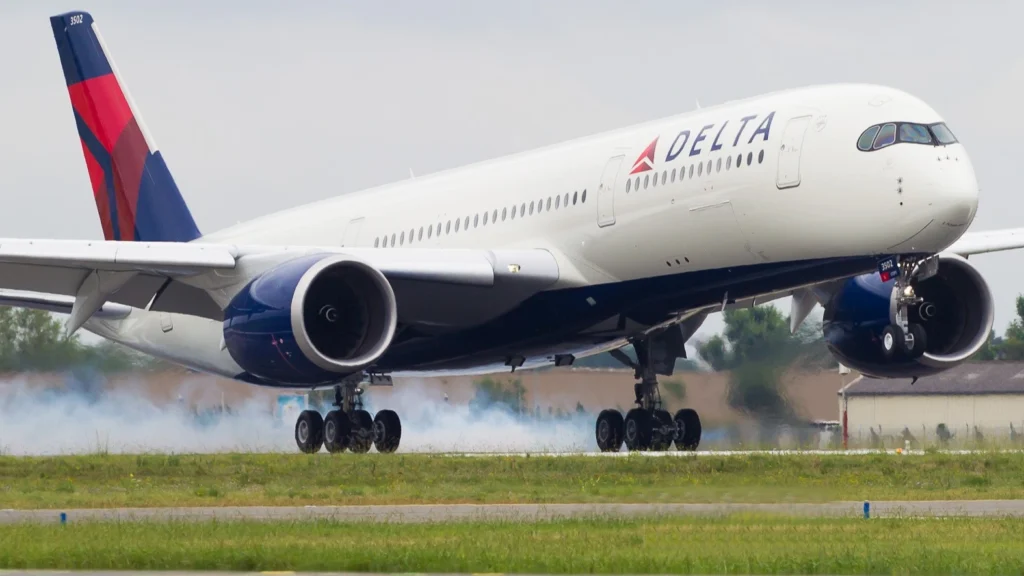
Delta Orders 31 Airbus Jets
Delta’s latest Airbus commitment includes additional A330-900 and A350 aircraft, along with 20 future widebody options. The order aligns with Delta’s previously stated capital expenditure plans and supports steady international capacity growth over the next decade.
The expansion is designed to increase premium seating on medium and long-haul routes while improving fuel efficiency and operating margins. Delta leadership has emphasized that these aircraft will play a central role in serving expanding long-haul markets and elevating onboard product standards.
With this addition, Delta’s A330-900 fleet will grow to 55 aircraft, while its A350 fleet will reach 79 aircraft. This total includes 20 A350-1000s, with deliveries expected to begin in early 2027.
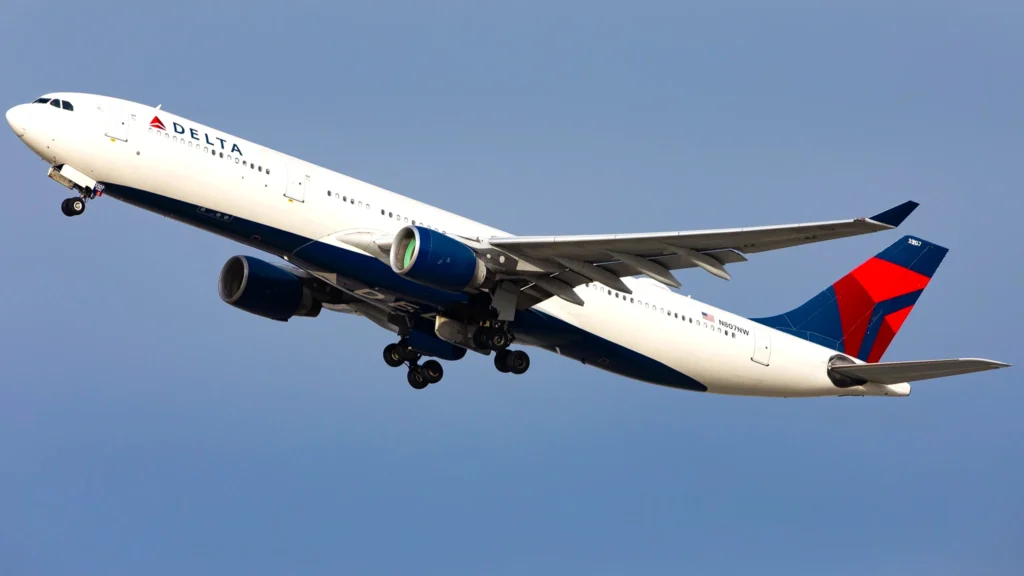
A350 Fleet Enables Long-Haul Market Expansion
The Airbus A350 continues to anchor Delta’s longest international routes due to its extended range and performance capabilities. The aircraft supports nonstop service to key global destinations across Asia, Africa, the Middle East, and the South Pacific.
Delta has already deployed or announced A350 operations on routes to cities such as Taipei, Melbourne, Hong Kong, and Riyadh. The type’s range and payload flexibility allow Delta to open and sustain routes that demand both efficiency and premium capacity.
The A350-900 aircraft in Delta’s fleet are powered by Rolls-Royce Trent XWB-84 EP engines, offering improved fuel efficiency and extended range compared to earlier engine variants.
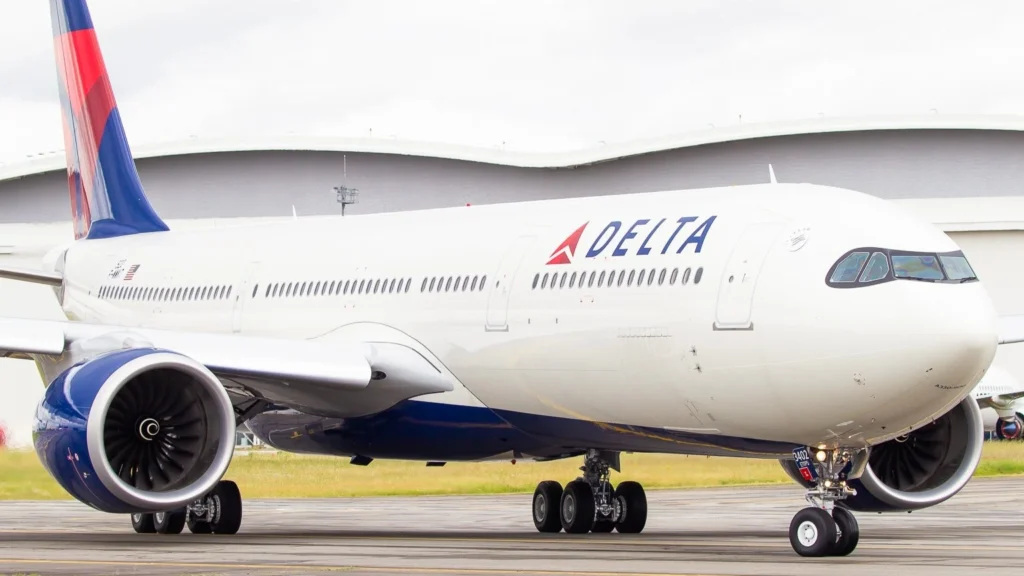
A330neo Adds Efficiency and Network Flexibility
The A330-900 complements Delta’s long-haul strategy by serving medium and long-distance international markets with lower operating costs. Powered by the Rolls-Royce Trent 7000 engine, the aircraft has logged more than four million flight hours globally, including significant operational experience with Delta.
The A330neo is capable of flying up to 8,100 nautical miles nonstop and delivers a 25 percent reduction in fuel burn, emissions, and operating costs compared to previous-generation competitor aircraft.
Delta has also signed long-term maintenance agreements with Rolls-Royce to support both the Trent 7000 and Trent XWB engine families, ensuring reliability and predictable lifecycle costs.
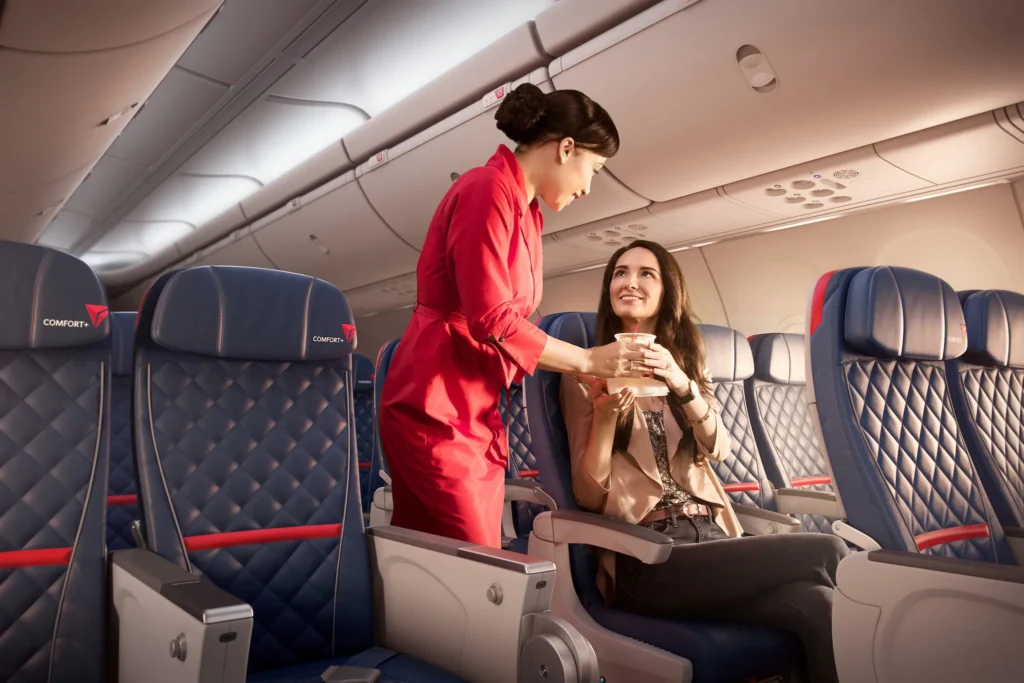
Premium Cabin Focus Across the Widebody Fleet
All newly delivered widebody aircraft will feature expanded premium cabins designed to support Delta’s high-yield international strategy. Onboard products will include Delta One Suites, Delta Premium Select, Delta Comfort, and Delta Main.
Passengers will also benefit from free Delta Sync seatback entertainment, fast in-flight Wi-Fi, and upgraded food and beverage offerings. These features aim to deliver a consistent premium experience across Delta’s global network, supported by the airline’s joint ventures and international partnerships.
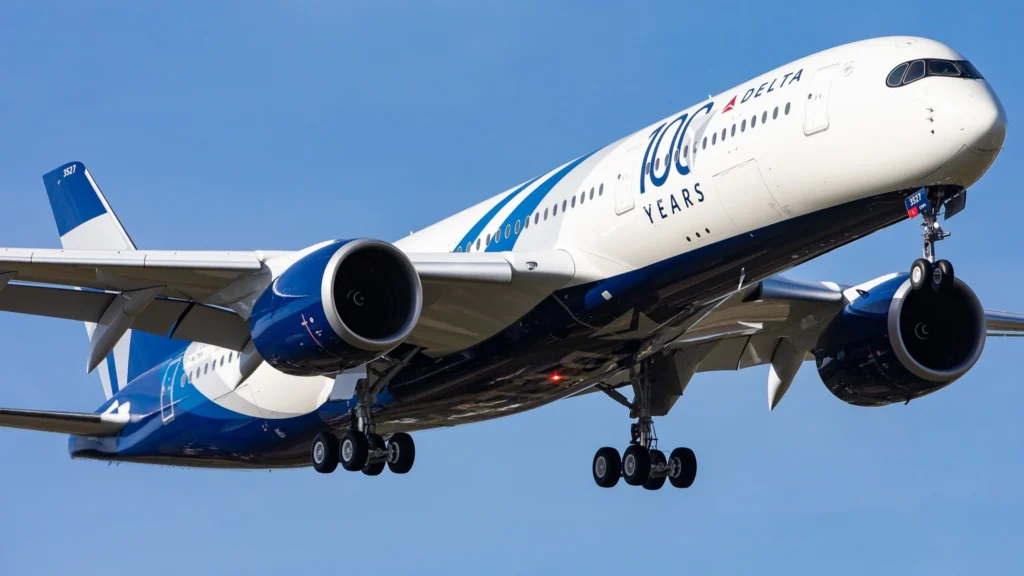
Airbus Partnership and Sustainable Aviation Goals
Delta currently operates more than 500 Airbus aircraft across all major product families, from the A220 to the A350. The airline’s Airbus backlog stands at roughly 200 aircraft, including future A350-1000 deliveries.
Both the A330neo and A350 are certified to operate with up to 50 percent Sustainable Aviation Fuel, with Airbus targeting full SAF compatibility by 2030.
The A350 family has secured over 1,500 orders worldwide, while the A330 family has surpassed 1,900 orders, underscoring their strong global demand.
Stay tuned with us. Further, follow us on social media for the latest updates.
Join us on Telegram Group for the Latest Aviation Updates. Subsequently, follow us on Google News
