

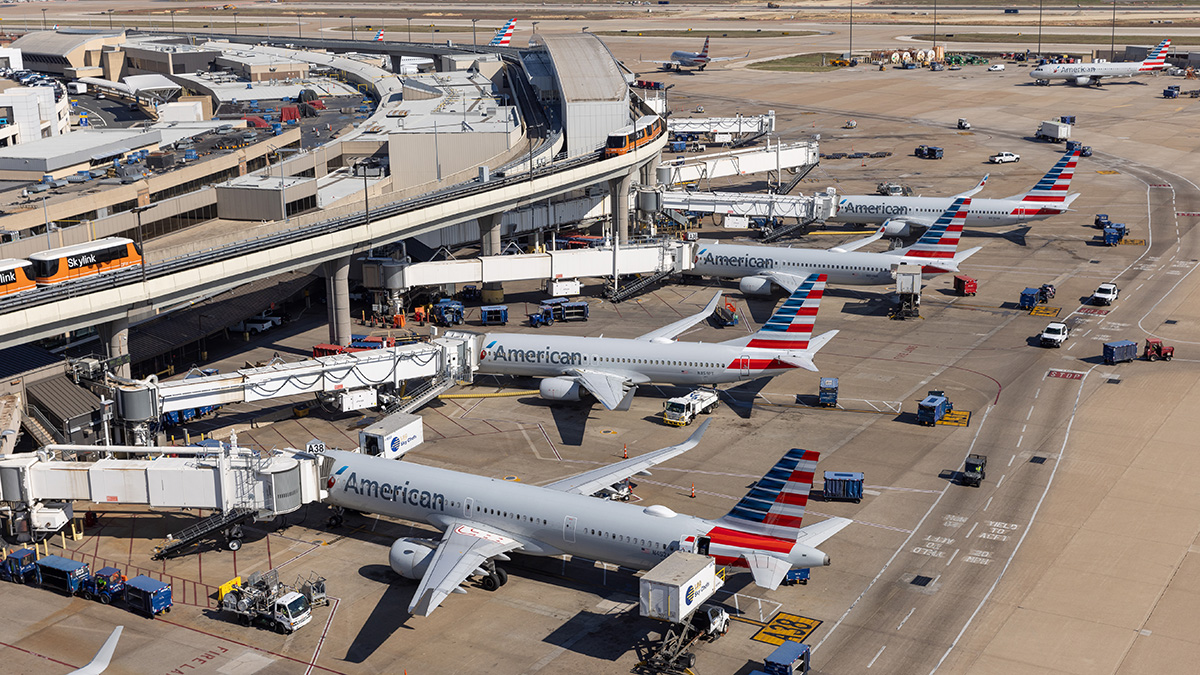
FORT WORTH- American Airlines Group (AA) has reported a steep decline in profitability for full-year 2025, despite marginal revenue growth. Rising operating costs and softer unit performance sharply reduced earnings and widened the gap with its closest competitors.
Headquartered near Dallas Fort Worth International Airport, Dallas–Fort Worth (DFW), the airline ended the year with a net profit of just $111 million, highlighting ongoing structural and strategic challenges in a tougher operating environment.
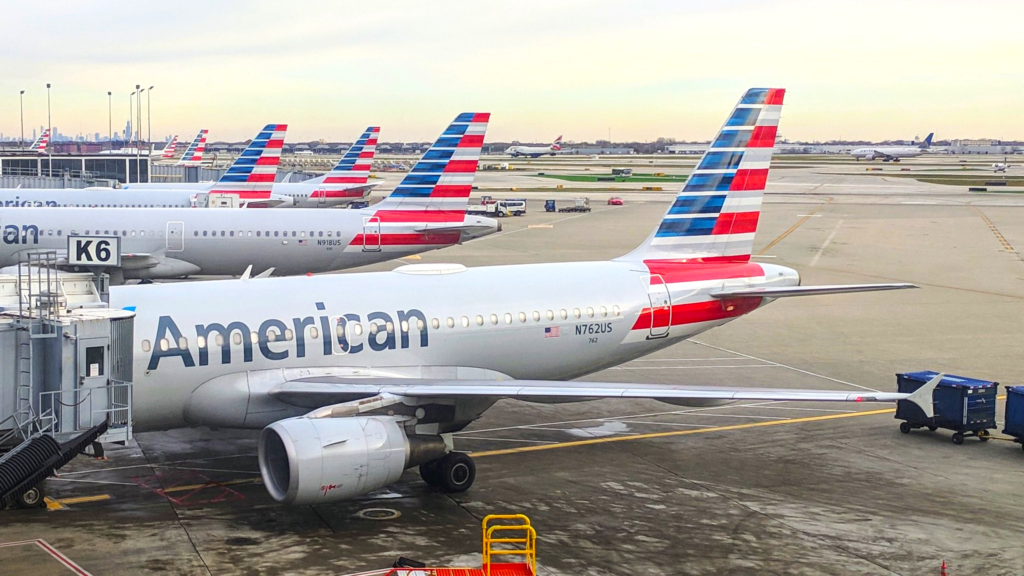
American Airlines Profit Falls 87%
American Airlines reported total operating revenue of $54.6 billion in 2025, up 0.8 percent year over year. Passenger revenue remained the dominant contributor at $49.6 billion, supported by stable travel demand and ancillary income linked to the AAdvantage loyalty program.
Cargo revenue totaled $839 million, reflecting continued softness in freight markets. Other revenue streams, including co-branded credit cards, airport lounges, and partner income, contributed $4.2 billion.
Total operating expenses reached $53.2 billion, rising 3 percent compared to the previous year. Labor remained the largest cost category, with salaries, wages, and benefits totaling $17.6 billion. Fuel and related taxes accounted for $10.7 billion, while maintenance expenses reached $3.8 billion.
Additional cost pressures came from aircraft rent at $1.2 billion, selling expenses of $2.0 billion, depreciation and amortization of $1.9 billion, and other operating expenses of $7.0 billion, including crew costs, ground handling, and special charges.
Operating income for the year stood at $1.5 billion. After $1.3 billion in net non-operating expenses, pretax income fell to $190 million. Excluding net special items, pretax income was $352 million. Following an income tax provision of $115 million, net income excluding special items totaled $237 million. GAAP net income was reported at $111 million.

Operating Metrics Show Year-on-Year Weakness
American’s operational performance also softened in 2025. Passenger load factor declined to 83.6 percent, down from 84.9 percent in 2024. Total revenue per available seat mile decreased 1.4 percent to 18.25 cents, indicating pressure on pricing and yield.
While overall demand remained stable, these metrics point to challenges in revenue quality and network optimization compared with peers, OMAAT reported.
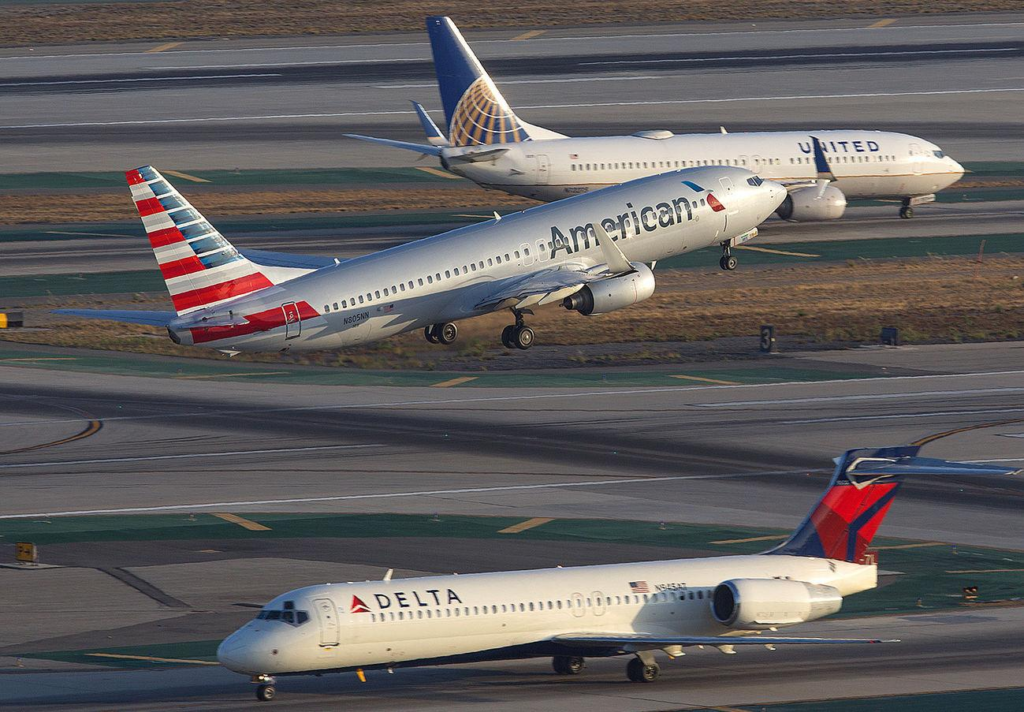
Comparison With Major US Peers
The profitability gap between American and its rivals continued to widen. Delta Air Lines reported net income of approximately $5 billion for 2025, while United Airlines posted profits of about $3.4 billion.
American’s $111 million profit represented roughly 2 percent of Delta’s earnings, underscoring its weaker margin structure and higher relative cost base within the US airline industry.
2026 Outlook and Forward Guidance
American Airlines has issued a more optimistic outlook for 2026. For the full year, the company expects adjusted earnings per diluted share in the range of $1.70 to $2.70.
For the first quarter of 2026, the airline forecasts available seat miles growth of 3 to 5 percent and total revenue growth of 7 to 10 percent compared with the same period in 2025. Cost per available seat mile is expected to rise 3 to 5 percent, with an adjusted loss projected between $0.10 and $0.50 per share.
Management attributes expected improvement to investments in customer experience, fleet modernization, network strength, partnerships, and the AAdvantage loyalty program.
Strategic Questions Remain
Despite repeated emphasis on premium positioning, network scale, and operational reliability, American has yet to demonstrate sustained financial improvement relative to Delta and United.
Similar forward-looking narratives were presented in prior years without delivering meaningful gains in profitability.
Competitive pressure in key hubs, including Chicago, and ongoing cost inflation continue to raise concerns about the airline’s ability to materially improve margins in the near term.
Bottom Line
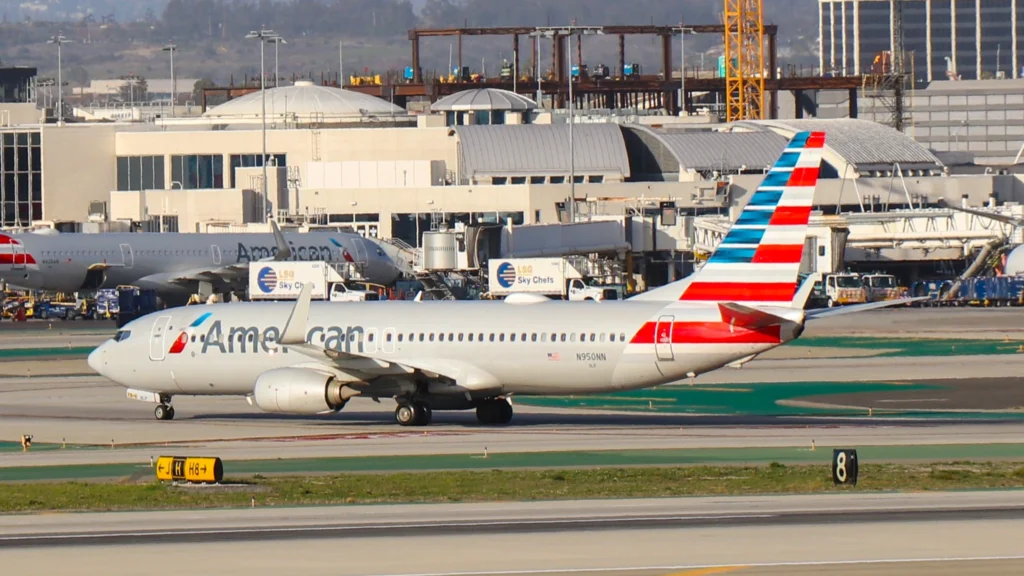
American Airlines closed 2025 with sharply lower profits, driven by rising costs and weaker unit revenue. While management expects 2026 to deliver better results, the airline remains significantly behind its major US competitors, with limited evidence so far of a structural turnaround.
Stay tuned with us. Further, follow us on social media for the latest updates.
Join us on Telegram Group for the Latest Aviation Updates. Subsequently, follow us on Google News
