

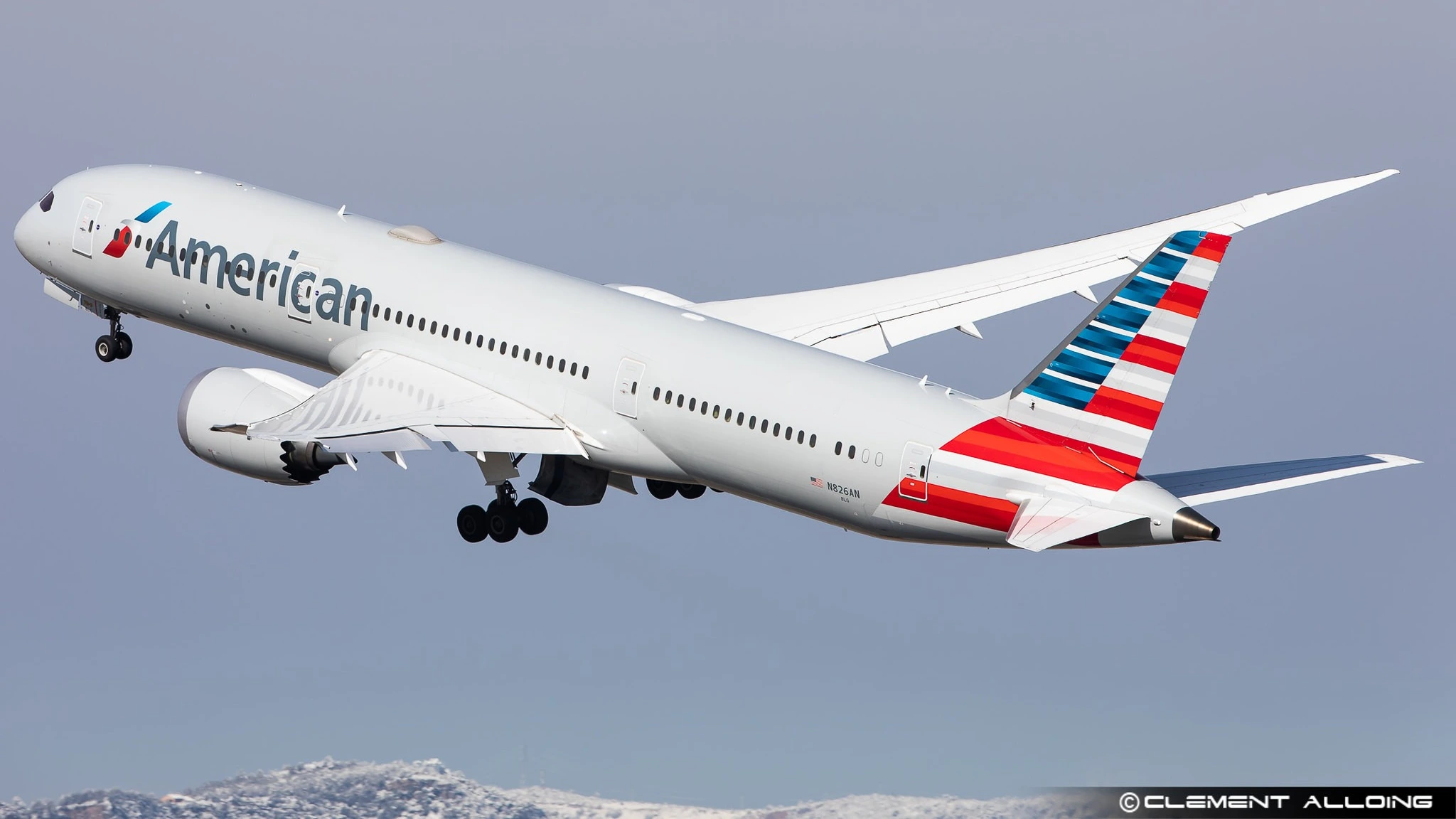
FORT WORTH- In 2026, American Airlines (AA) will mark 100 years of continuous operation, an achievement few airlines ever reach. In the United States, only one other major airline, Delta Air Lines (DL), can trace its roots back to the 1920s and still operate at a global scale today. Most airlines founded during aviation’s early years no longer exist.
The airline industry is known for its instability. Airlines often grow quickly when demand is strong, but struggle just as fast when costs rise or travel slows. Over time, mergers, bankruptcies, and shutdowns have erased most of the original carriers that helped build modern air travel.
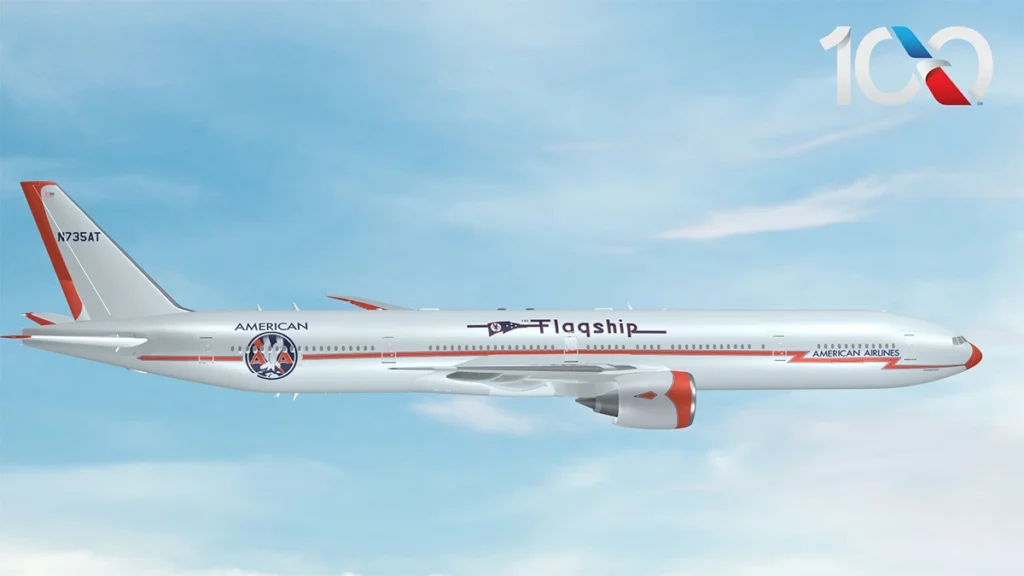
American Airlines’ 100th Anniversary in 2026
Running an airline is expensive and risky. Aircraft cost millions of dollars, fuel prices change daily, and airlines must operate large networks with thin profit margins. Even in good years, airlines make only a small amount of profit per passenger.
Industry forecasts show this challenge clearly. According to Forbes, global airlines are expected to generate more than one trillion dollars in revenue in 2026, yet total profits are projected to remain under forty-five billion dollars.
That means airlines earn less than ten dollars per passenger on average, leaving little room for mistakes or unexpected events.
Because of this, history alone does not protect an airline. Carriers that fail to adapt to new rules, changing customer needs, or economic shocks often disappear. Flexibility and access to capital matter more than brand recognition.
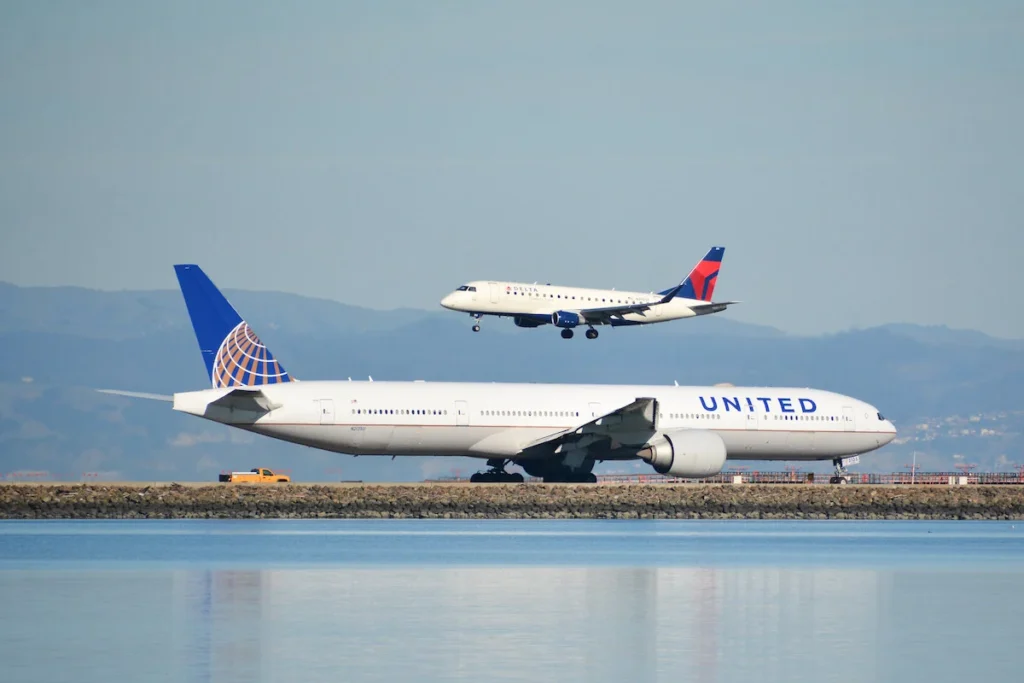
Airlines Are Improving Financial Stability
Despite the challenges, airlines today are more resilient than in the past. Industry leaders say airlines have learned how to manage shocks better, whether from fuel spikes, recessions, or global crises. While profits remain small, they are more stable than before.
Air travel also plays a major role in the global economy. Airlines support tens of millions of jobs and help move people and goods quickly across continents.
This importance has pushed airlines to modernize operations, invest in efficiency, and strengthen balance sheets.
In North America, airlines are expected to earn modest profits again in 2026. While growth has slowed due to labor shortages, aircraft delivery delays, and policy uncertainty, carriers have managed to protect margins through better pricing and fuel management.
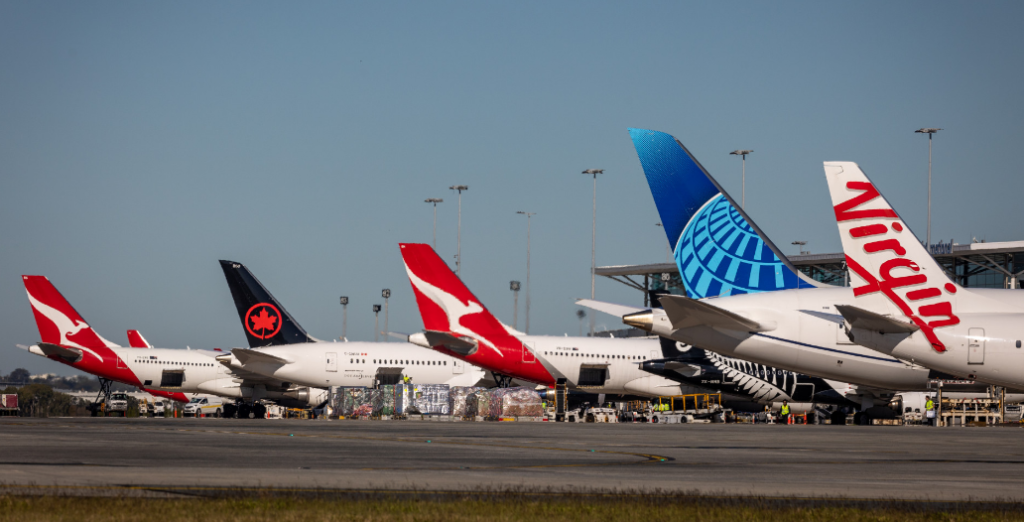
The Small Group of 100-Year Airlines
Only a handful of airlines worldwide have reached their 100th anniversary. Some, like KLM and Avianca, were founded in 1919 and still operate today.
Others, such as British Airways and Lufthansa, reached the milestone through mergers and restructurings rather than uninterrupted corporate history.
In the United States, the list is even shorter. Delta Air Lines reached 100 years first, followed closely by American Airlines. Most other early U.S. airlines collapsed or merged long ago, including Pan Am, Eastern, Northwest, Braniff, and TWA.
These airlines were once industry leaders, but deregulation, rising costs, and poor financial planning led to their downfall. Their stories highlight how unforgiving aviation economics can be.
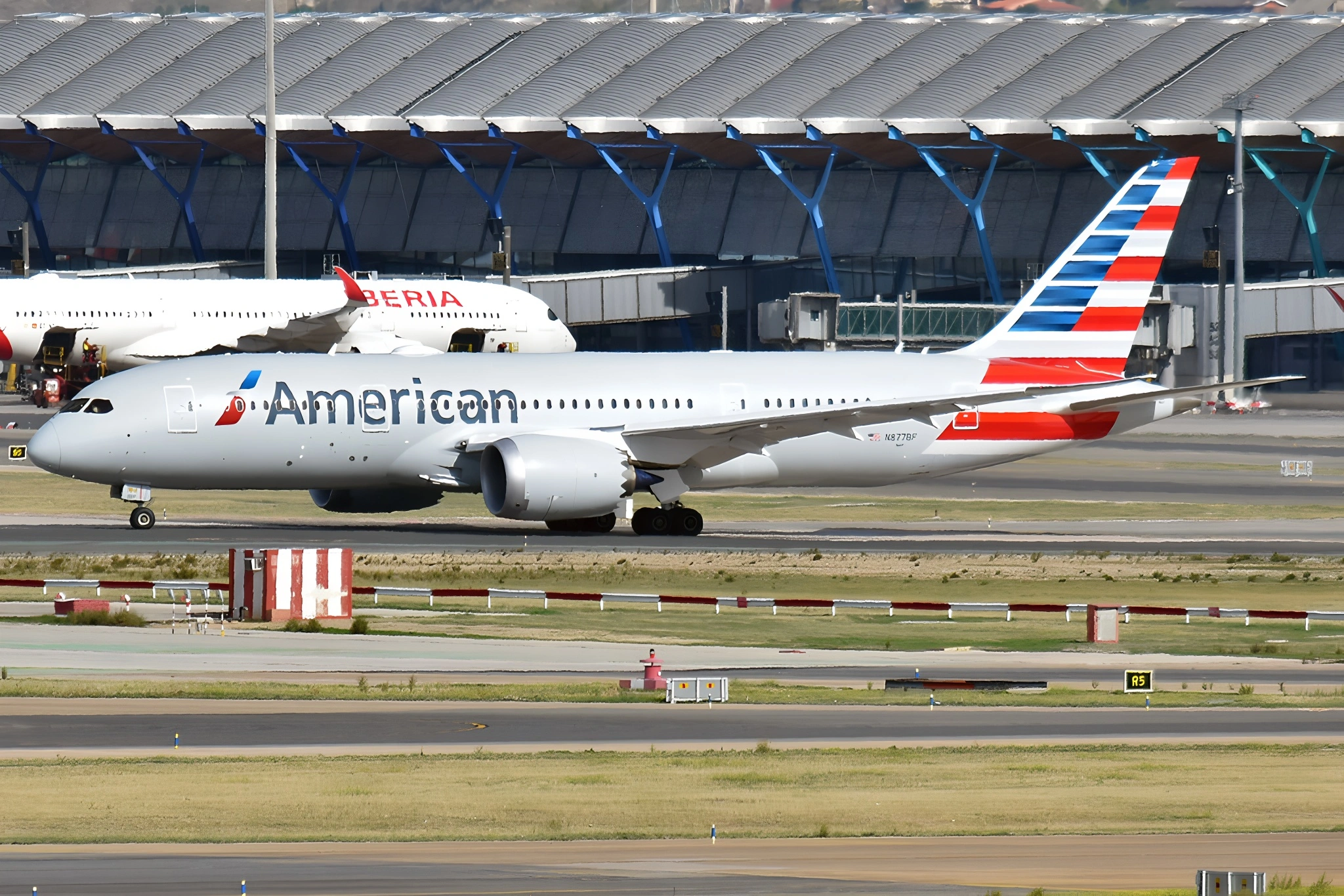
How American Airlines Survived?
American Airlines survived where many others failed because it adapted. The airline built a strong domestic network, expanded internationally, and used mergers to grow scale. During difficult periods, it restructured costs and adjusted its strategy to survive.
American also faced major shocks, including deregulation, economic downturns, and the COVID-19 pandemic. Each time, the airline changed its approach rather than relying on past success.
To mark its centennial, American Airlines has unveiled a special aircraft livery inspired by its early history. The design reflects the airline’s past while signaling its focus on the future, including updated cabins and modern aircraft.
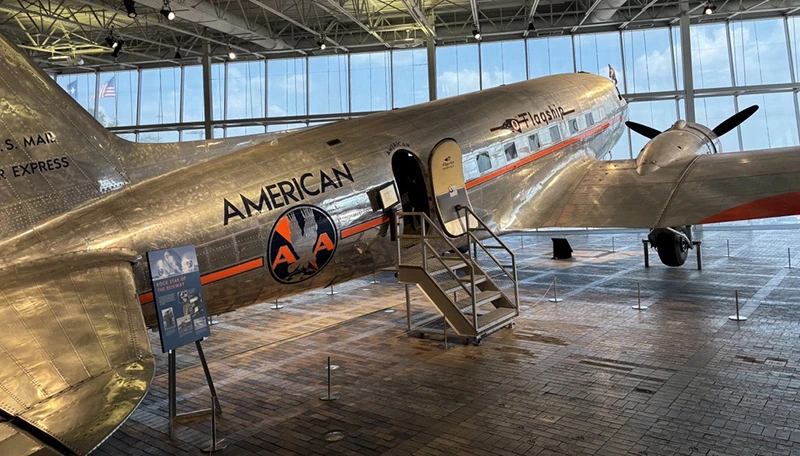
What A Century Means
Reaching 100 years does not mean an airline has been successful every year. It means the airline survived repeated crises that forced many competitors out of the market. These include wars, recessions, oil shocks, deregulation, and global health emergencies.
For American Airlines, the centennial reflects long-term adaptation rather than constant profitability. The airline changed ownership structures, modernized fleets, adjusted labor agreements, and reshaped its route network many times to stay competitive.
In aviation, survival itself is a measure of strength. Few industries require such frequent reinvention, and even fewer companies manage to endure for a full century without losing their identity.
Bottom Line
Reaching 100 years does not guarantee future success. Aviation remains unpredictable, and new challenges will continue to emerge.
However, American Airlines’ long survival shows that adaptability, scale, and financial discipline can help airlines endure.
In an industry where most companies vanish, lasting a century is not just a celebration of age, but of constant reinvention.
Stay tuned with us. Further, follow us on social media for the latest updates.
Join us on Telegram Group for the Latest Aviation Updates. Subsequently, follow us on Google News
