

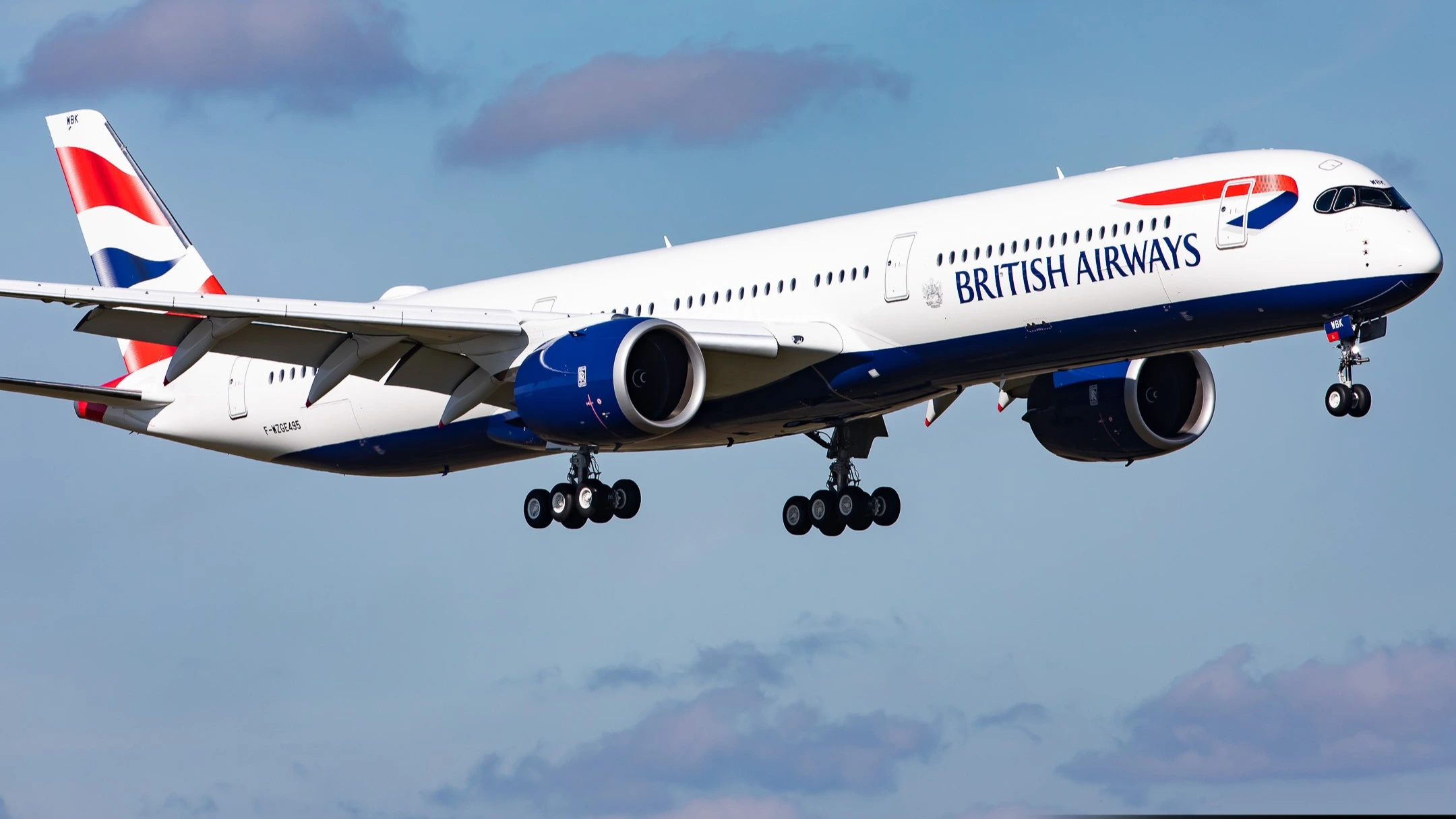
LONDON- British Airways (BA) has successfully defended a compensation claim after a flight attendant was injured during turbulence on a long-haul service to India. A UK court ruled the incident was an unforeseeable accident, not pilot error.
The injury occurred on a London Heathrow (LHR) to Mumbai Chhatrapati Shivaji Maharaj International Airport (BOM) flight in 2019. The court found no evidence that the aircraft was flown dangerously close to storm activity.
British Airways £72,500 Attendant
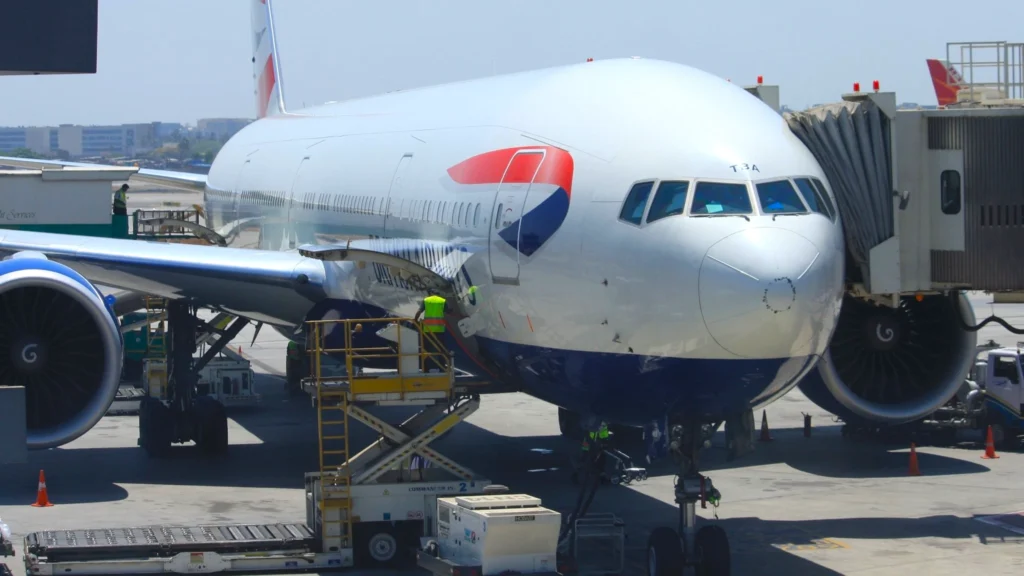
The case centered on a Boeing 777 operating a nine-hour British Airways service from London to Mumbai. As the aircraft prepared for landing, it encountered a sudden and severe turbulence event.
The flight attendant, a 56-year-old crew member with decades of experience, was working in the galley when the aircraft experienced a rapid vertical movement.
She was thrown into the air, landed heavily, and suffered a fractured knee and dislocated shoulder. An unsecured drinks container later fell onto her, worsening the injuries.
Seatbelt signs were already illuminated due to earlier mild to moderate turbulence. However, the abrupt movement that caused the injury was described as unexpected by both the crew member and the flight deck.
The claimant sought £72,500 in damages, arguing that the pilot failed to avoid a nearby cumulonimbus storm cloud. Her legal team stated the aircraft flew within 20 miles of the cloud, placing it inside what they described as a danger zone.
They maintained that the pilot should have altered course or instructed the cabin crew to take their seats earlier. The turbulence was described by the claimant as the worst she had experienced in nearly 30 years of flying.
Pilot Testimony and Weather Evidence
British Airways rejected the claim, supported by testimony from two flight officers. They stated that no cumulonimbus clouds were visible from the cockpit during the approach.
Instead, the pilots reported observing only cumulus clouds, commonly described as fluffy white clouds. Aircraft weather radar also showed no indicators of storm cells that would warrant a diversion.
Meteorological experts acknowledged elevated turbulence in the region but deferred to the pilots’ direct observations. The court accepted that experienced flight crews could reliably distinguish between storm clouds and benign formations, the Independent UK reported.

Judge Rules No Breach of Duty
Judge David Saunders concluded that the turbulence event was unfortunate but not reasonably foreseeable. He ruled that the pilots acted professionally and in line with safety procedures.
The court found no evidence of cumulonimbus clouds near the aircraft and no failure in operational judgment. As a result, the claimant did not meet the burden of proof required to establish negligence. The compensation claim was dismissed in full.
Stay tuned with us. Further, follow us on social media for the latest updates.
Join us on Telegram Group for the Latest Aviation Updates. Subsequently, follow us on Google News
