

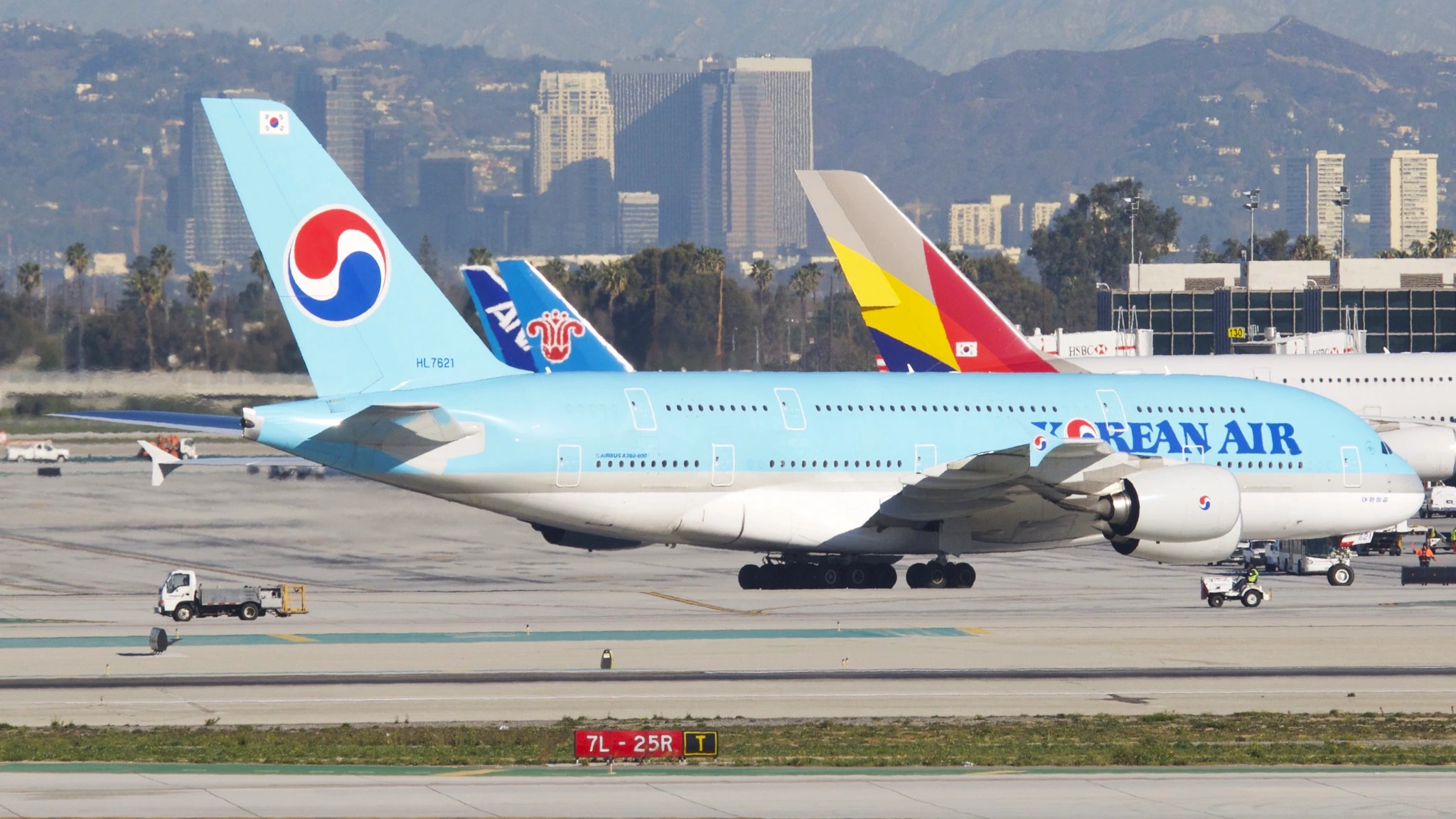
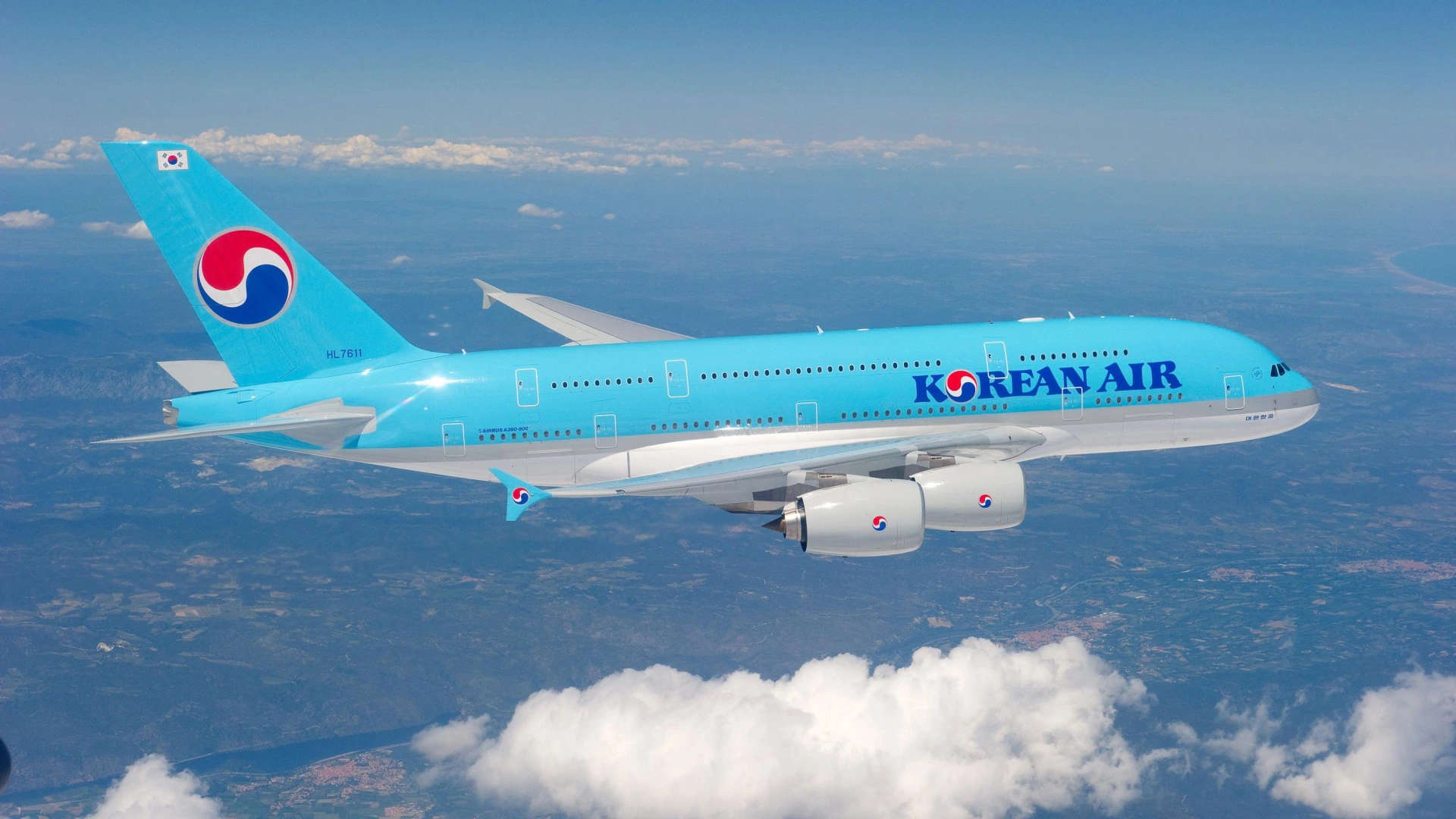
SEOUL– Five major South Korean carriers under the Hanjin Group umbrella have announced a comprehensive ban on the in-flight use of portable batteries, citing heightened concerns over lithium-ion battery fire risks. The new safety regulation will take effect from January 26 across all domestic and international services.
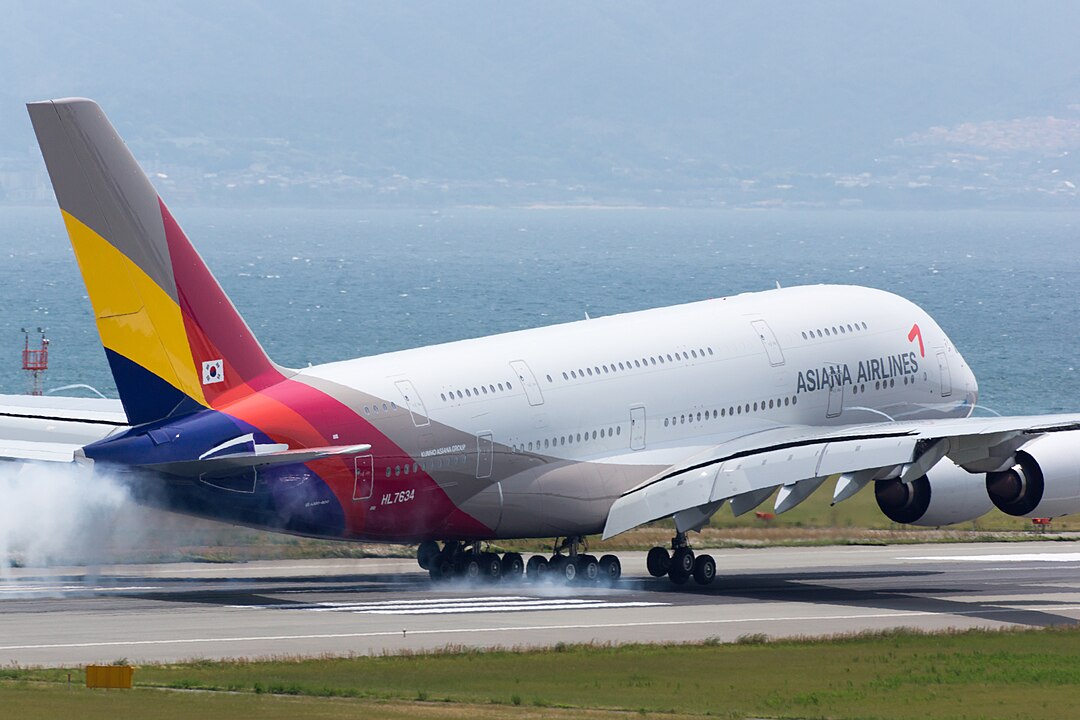
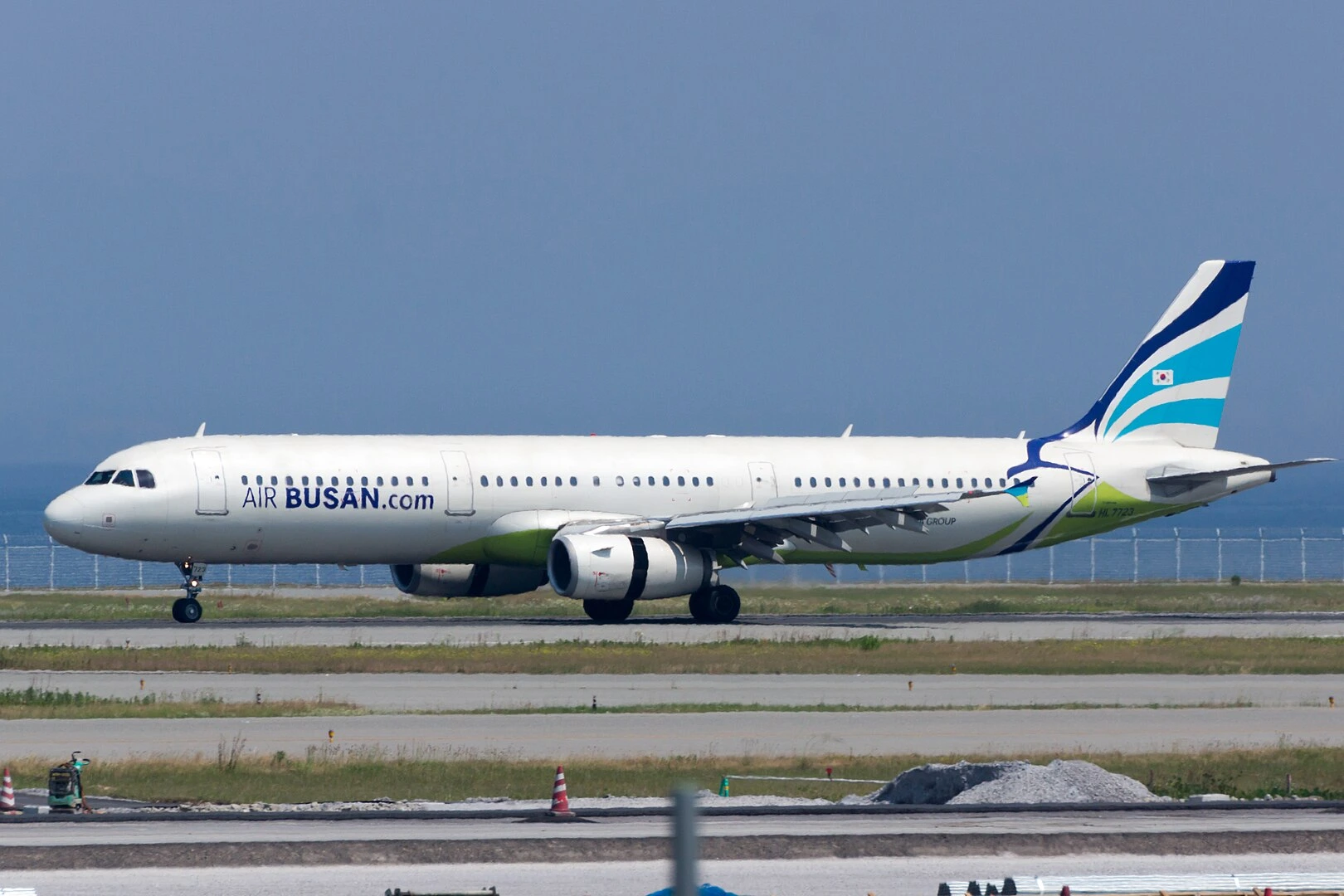
The policy applies to Korean Air (KE), Asiana Airlines (OZ), Jin Air (LJ), Air Busan (BX), and Air Seoul (RS), marking one of the most coordinated battery safety actions by a major airline group in Asia. The move follows global aviation safety discussions around battery-related thermal runaway incidents onboard aircraft.
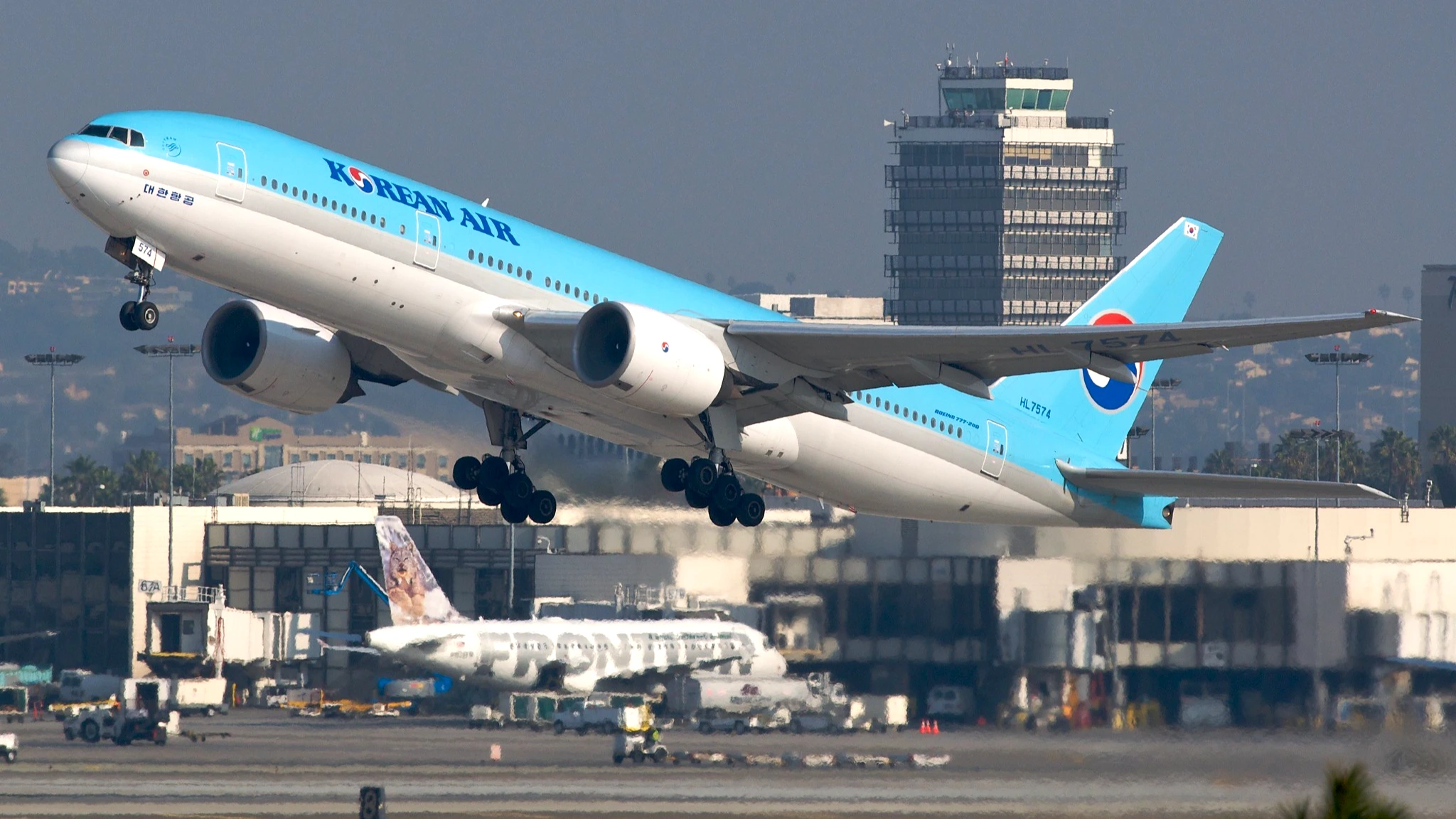
Korean Air Battery Use Ban
Under the updated rules, passengers will not be permitted to use portable batteries to charge electronic devices such as smartphones, tablet PCs, laptops, cameras, or other consumer electronics during flight. The restriction also extends to charging the batteries themselves through seat power outlets or onboard USB ports.
Once onboard, passengers must keep portable batteries within arm’s reach throughout the flight. The airlines stated that this requirement allows cabin crew to quickly detect abnormal heat, smoke, or swelling, reducing the likelihood of escalation during flight.
The regulation applies uniformly across all routes operated by the five carriers, regardless of aircraft type or flight duration. Crew members will conduct additional cabin monitoring to ensure compliance during boarding and cruise phases.
Safety Rationale
The airlines have strictly prohibited the storage of portable batteries in overhead bins. According to officials, batteries stored away from passengers can delay detection of overheating, increasing the risk of fire propagation in confined cabin spaces.
Lithium-ion battery incidents, while statistically rare, pose complex challenges in flight due to limited firefighting options and pressurized cabin environments. Industry data has consistently highlighted power banks as one of the most common sources of in-flight battery events globally.
A Korean Air official stated that the decision reflects an operational necessity rather than a temporary restriction. The official emphasized that passenger cooperation plays a critical role in maintaining safe flight operations across the group’s expanding network.
Passenger Communication
To minimise confusion and ensure smooth implementation, the airlines will launch a multi-channel passenger awareness campaign ahead of the January 26 deadline. Information will be distributed through official websites, mobile applications, airport check-in counters, and automated mobile notifications.
Repeated announcements will also be made at boarding gates and onboard aircraft, reinforcing the new requirements before departure. Cabin crew training has been updated to align enforcement procedures across all five carriers.
The Hanjin Group airlines reaffirmed their commitment to operational safety and passenger comfort, noting that consistent standards across affiliated airlines help streamline compliance and improve risk management.
Bottom Line
The coordinated ban on in-flight portable battery usage represents a decisive safety step by South Korea’s largest airline group. By prioritizing early detection and standardized enforcement, the carriers aim to mitigate battery-related risks while maintaining stable flight operations.
Stay tuned with us. Further, follow us on social media for the latest updates.
Join us on Telegram Group for the Latest Aviation Updates. Subsequently, follow us on Google News
