

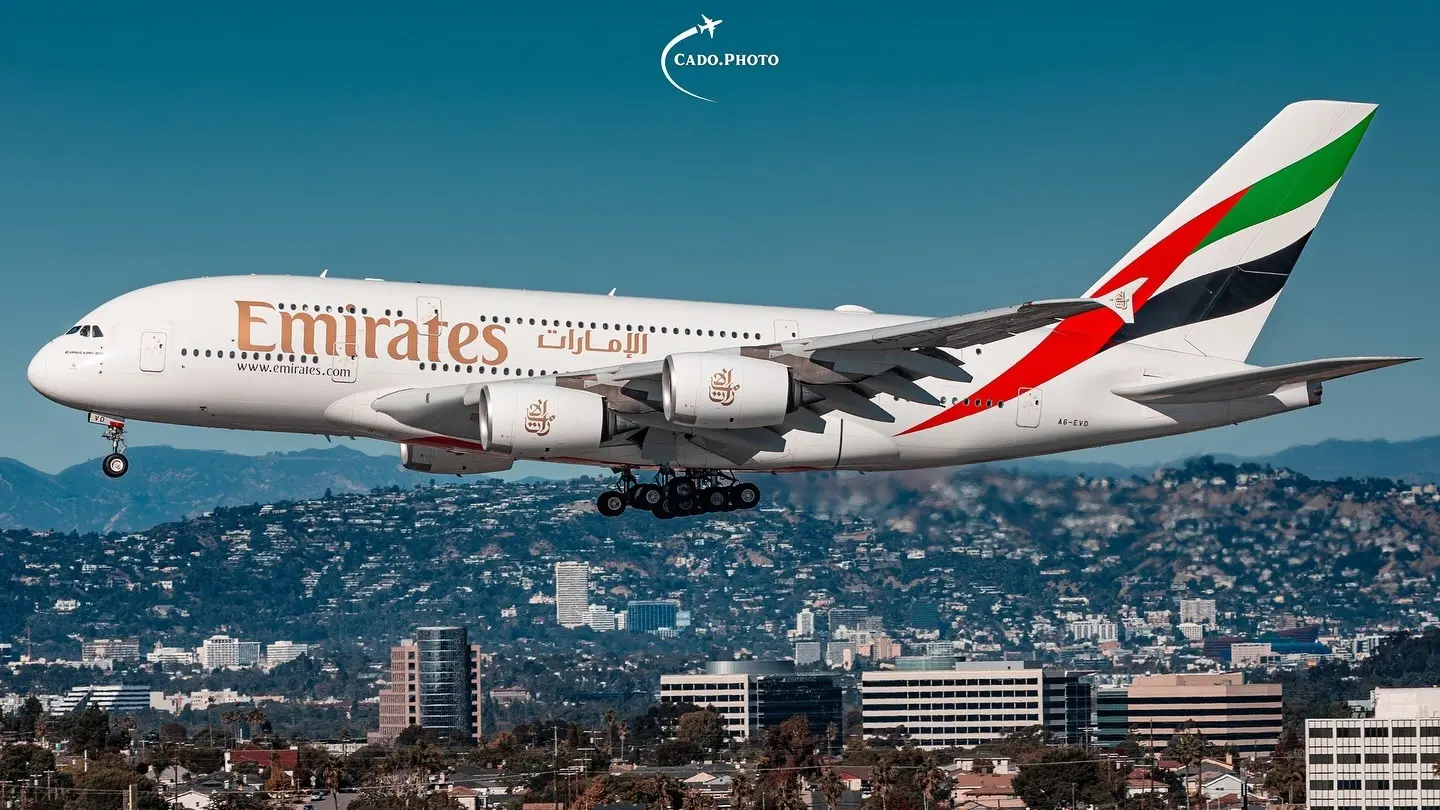
In almost two decades of commercial operations, the Airbus A380 has turned heads around the globe for its long‑range capabilities and sheer size. The double‑decked quadjet, often called the Superjumbo, is most associated with ultra‑long‑haul travel linking major global hubs with hundreds of passengers aboard.
Nonetheless, the A380 has also been scheduled on unusually short routes that defy its typical use case as a long‑haul workhorse. From Singapore (SIN) to Kuala Lumpur (KUL) and regional Gulf hops from Dubai (DXB), the Superjumbo has served sectors covering distances that fall well below 700 miles, Simple Flying exclusively reported.
Shortest A380 Flights of All Time
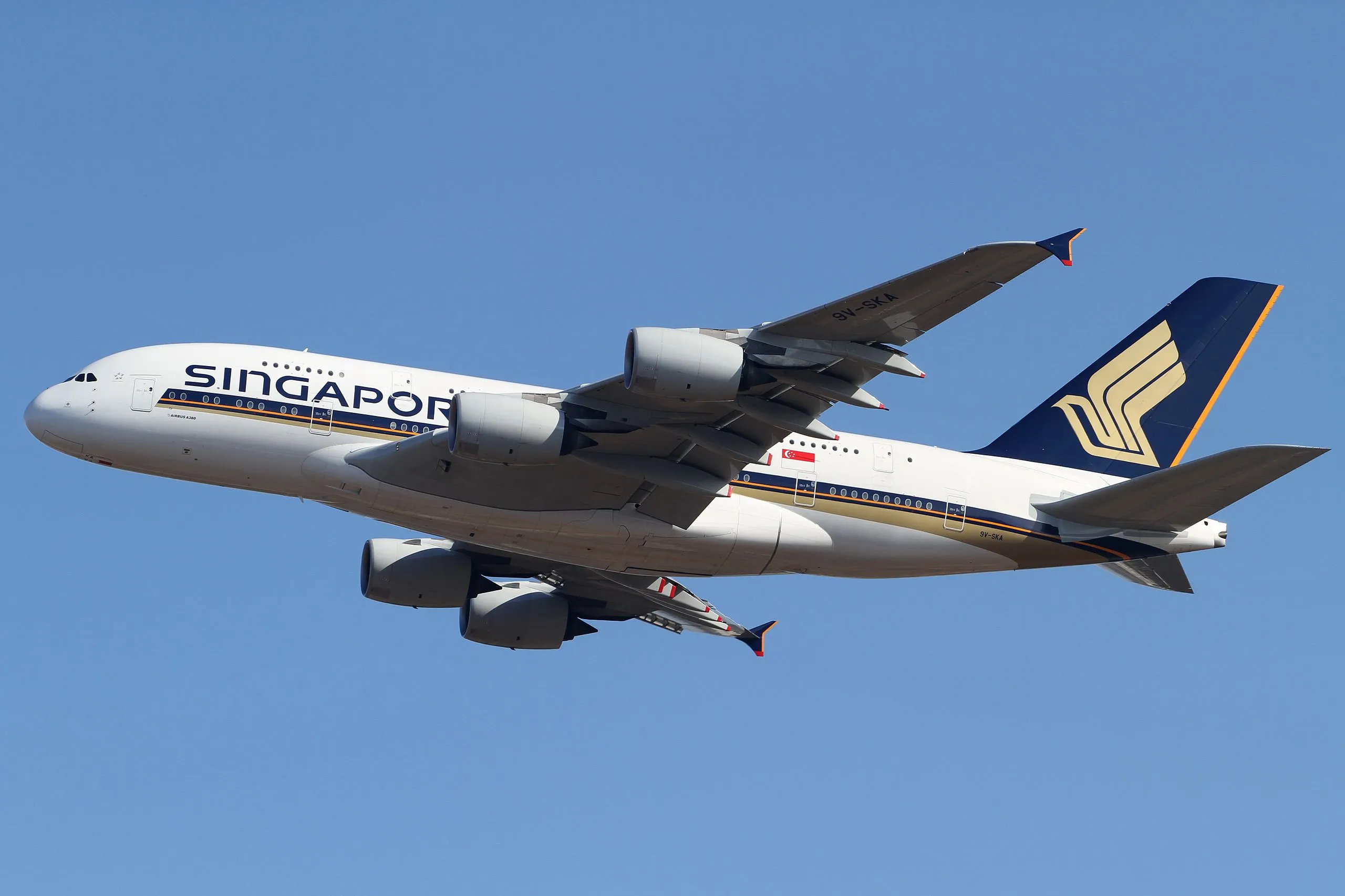
Singapore Airlines (SQ) placed the Airbus A380 on one of its most unexpected missions between Singapore (SIN) and Kuala Lumpur (KUL).
This sector covered a scant 184 miles and operated for several weeks in late 2021, mostly to refamiliarise crew with the Superjumbo after pandemic grounding. These flights typically spent around 35–40 minutes airborne despite the aircraft’s capability for transcontinental journeys.
Air France (AF) also deployed its A380 on a notably short corridor between Paris (CDG) and London (LHR), measuring about 216 miles. The French carrier used the Superjumbo on select dates in 2010, primarily for crew training and familiarisation as its A380 fleet entered service.
Gulf Region A380 Operations
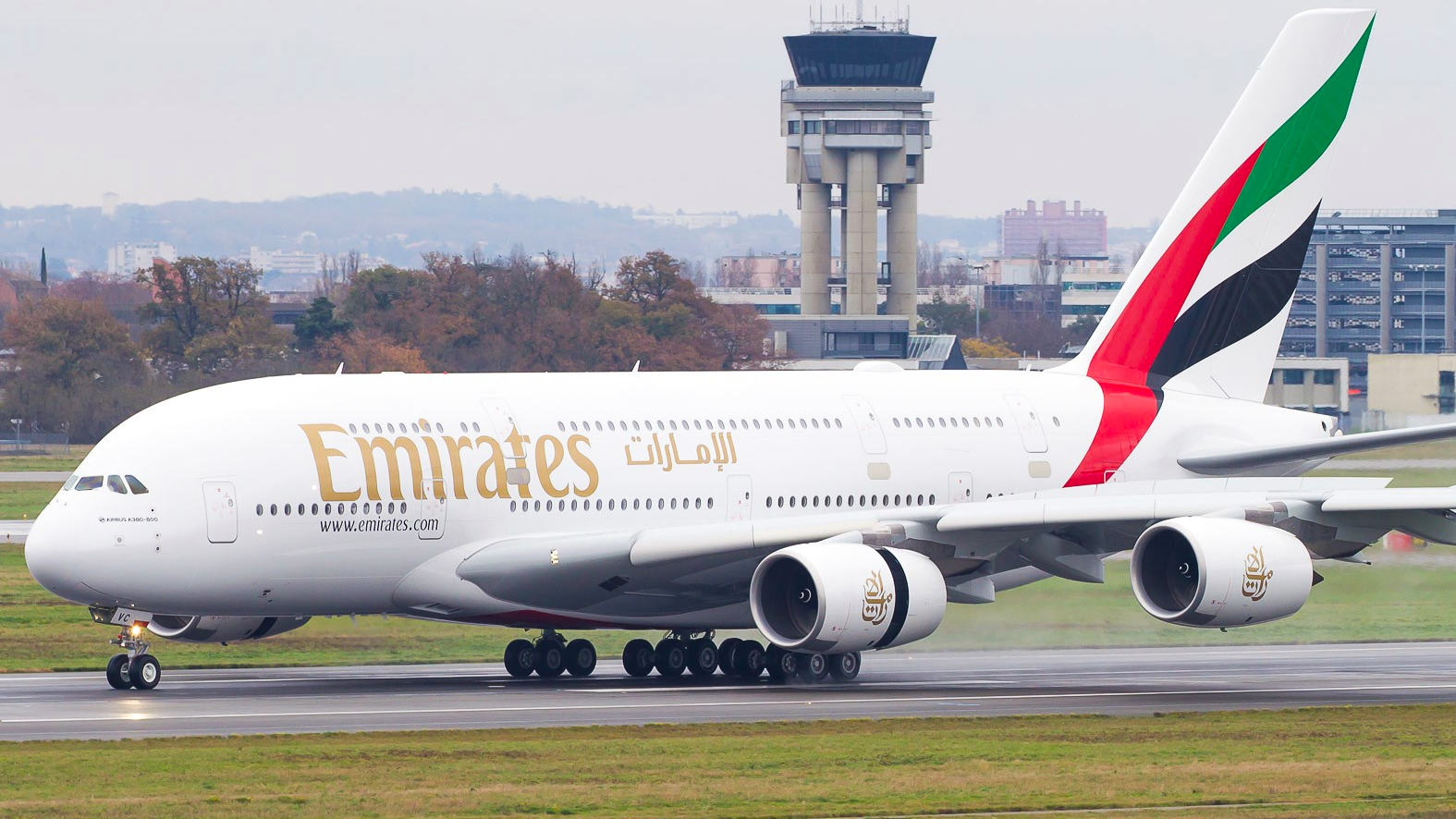
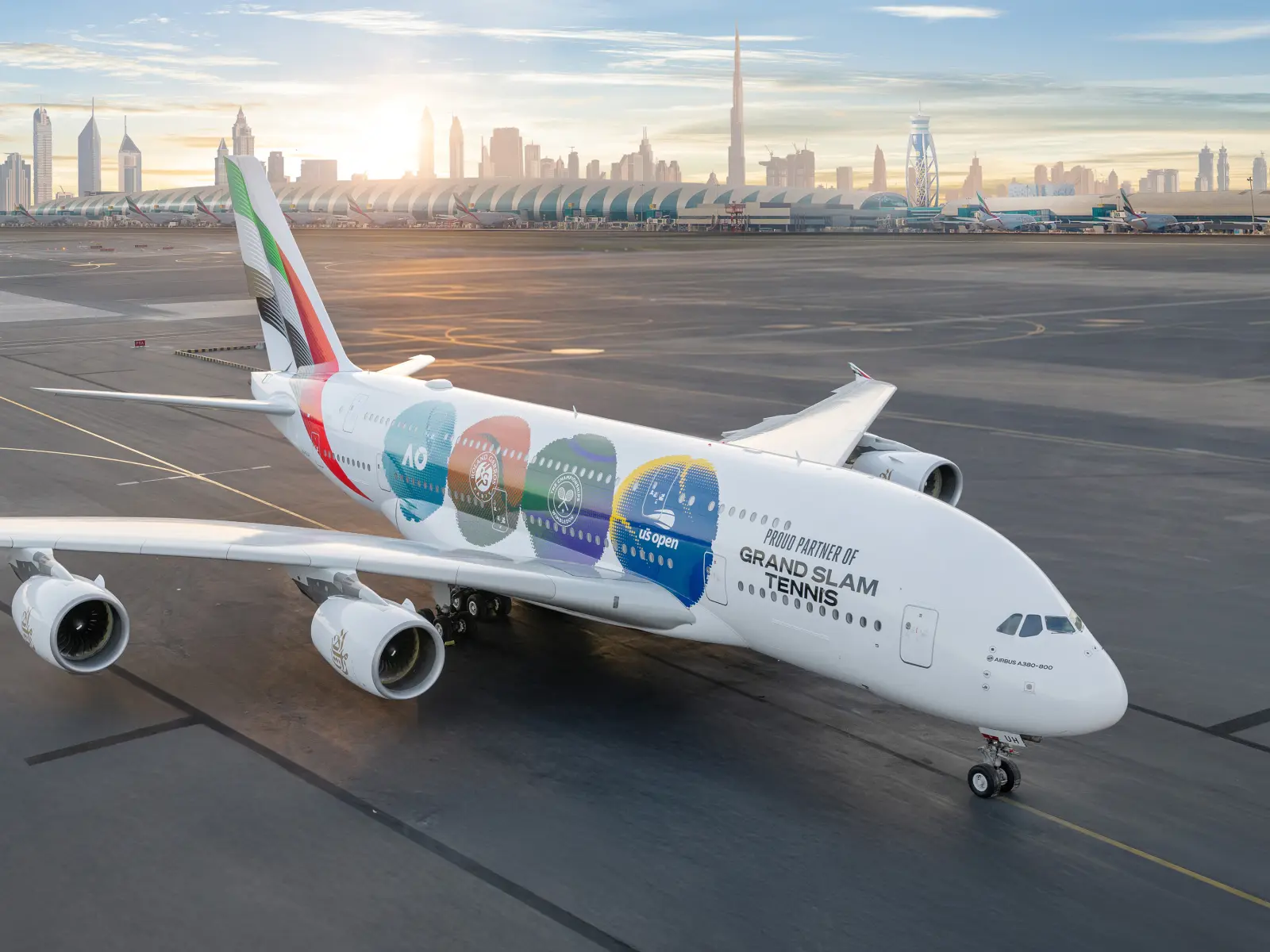
Emirates (EK), the world’s largest operator of the Airbus A380, has frequently used the aircraft on short regional hops from its hub at DUBAI (DXB). One of its briefest scheduled sectors was between DUBAI (DXB) and MUSCAT (MCT) in Oman, covering about 217 miles with flights that typically took less than 70 minutes.
Emirates also operated short‑haul services from DUBAI (DXB) to DOHA (DOH) and BAHRAIN (BAH) at distances of roughly 235 and 303 miles, respectively. These routes were flown to match market demand and take advantage of the A380’s high capacity even on quick regional sectors.

Additional Short Routes
British Airways (BA) used its A380 on a relatively brief route from LONDON (LHR) to FRANKFURT (FRA), a scheduled sector of about 408 miles that supported crew training and increased cargo capacity.
Further down the list are more Emirates regional missions from DUBAI (DXB) to KUWAIT (KWI) and RIYADH (RUH), spanning approximately 530 and 543 miles. These services utilised the Superjumbo to lift high passenger volumes across the Gulf region.
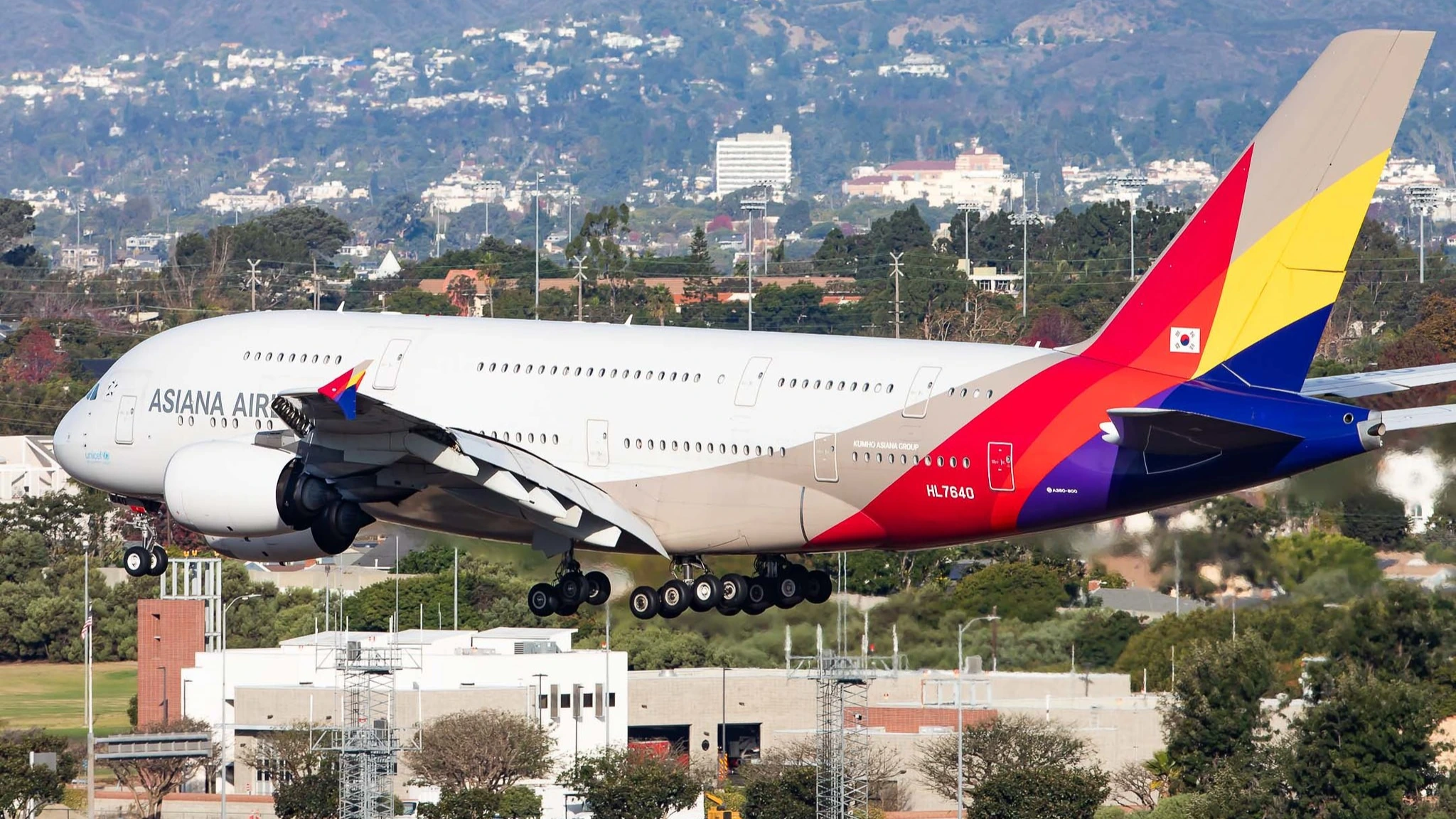
In Asia, Asiana Airlines (OZ) flew the A380 between SEOUL (ICN) and OSAKA (KIX) over a distance of about 535 miles, while China Southern Airlines (CZ) flew between BEIJING (PEK) and SHANGHAI (PVG) at around 681 miles. Both of these short sectors appear among the top ten shortest in A380 operational history.
Operational Insights
Although the Airbus A380 was designed for efficiency on long‑haul routes, these shorter deployments demonstrate airlines’ strategic flexibility in capacity management.
In many cases, the Superjumbo was used to bolster pilot training, meet temporary spikes in demand, or maximise utilisation of a large‑capacity aircraft between closely spaced cities.
The list of the ten shortest scheduled A380 flights showcases how operators have adapted the type beyond its conventional missions.
These services, while brief in distance and time, offered travellers a rare chance to experience the world’s largest passenger plane on routes typically served by narrowbodies or smaller widebodies.
Bottom Line
The A380’s deployment on routes as short as 184 miles highlights the remarkable operational versatility of this iconic aircraft.
From crew training missions to capacity‑rich regional hops, the Superjumbo has occasionally strayed from its long‑haul niche to serve unique scheduled sectors.
These short flights underscore the dynamic strategies airlines employ to match aircraft capabilities with market needs, even when it means flying a giant on brief hops.
Stay tuned with us. Further, follow us on social media for the latest updates.
Join us on Telegram Group for the Latest Aviation Updates. Subsequently, follow us on Google News
