


Airfare pricing in 2025 reveals a sharply divided global market, with some airlines delivering historically low one-way economy fares while others have imposed substantial increases on comparable ticket types.
An analysis of average economy fares across major international carriers shows that pricing trajectories are no longer uniformly upward but instead reflect diverging commercial strategies shaped by fleet economics, network structures, and post-pandemic demand recovery.
Based on comparative fare data examining earlier one-way economy prices against 2025 averages, the gap between the cheapest and most expensive airlines has widened considerably.
While several carriers—particularly those with strong low-cost DNA or excess long-haul capacity—have reduced average fares, others have moved decisively in the opposite direction, pushing prices to levels that significantly outpace inflation.
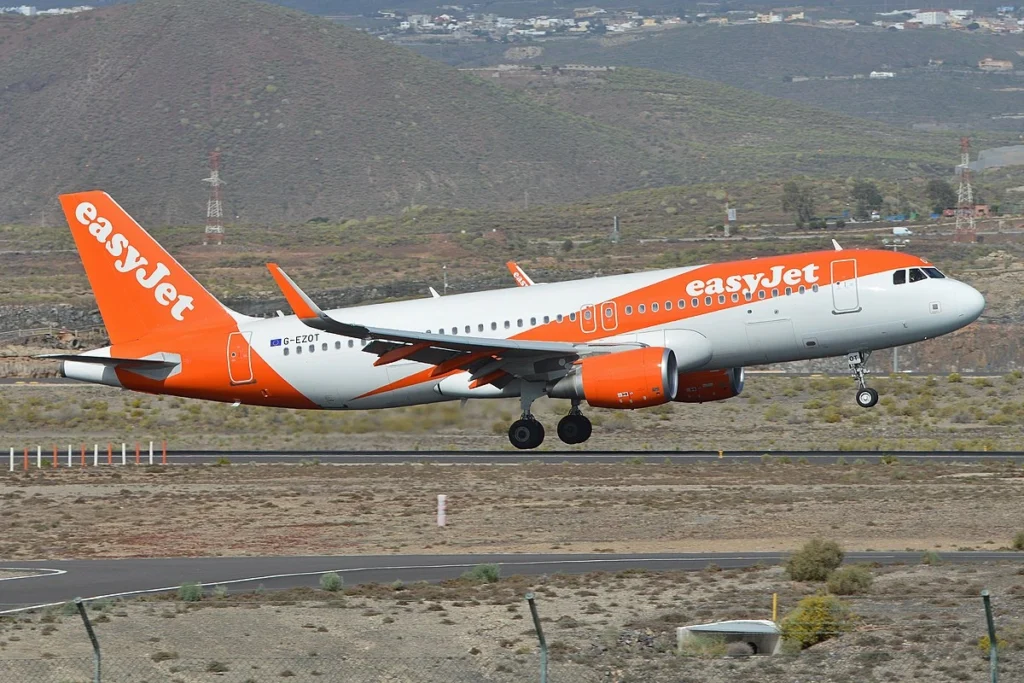
Airlines Offering Lowest Economy Fares
Among the most striking findings in the data is the scale of fare reductions recorded by several prominent carriers. Qantas emerges as the most dramatic case, with its average one-way economy fare falling from £75 to £22, representing a 70% reduction, reported APH.
Such a steep decline suggests aggressive price stimulation, potentially linked to capacity redeployment, route competition, or yield-management recalibration on selected markets.
Other airlines posting notable reductions include:
- easyJet, where average fares declined by 45%, from £19 to £10
- Air Canada (AC), down 28%, from £83 to £59
- Jet2, which recorded a 27% drop, from £23 to £16
- Air Seychelles, with a 20% reduction, lowering averages from £41 to £32
Even traditionally premium-leaning long-haul operators such as Emirates and Cathay Pacific posted modest decreases of 5% and 4%, respectively, indicating selective discounting rather than wholesale repricing.
These reductions point toward a broader trend among certain airlines to prioritise load factors over yield, particularly on leisure-heavy or highly competitive routes where price sensitivity remains acute.
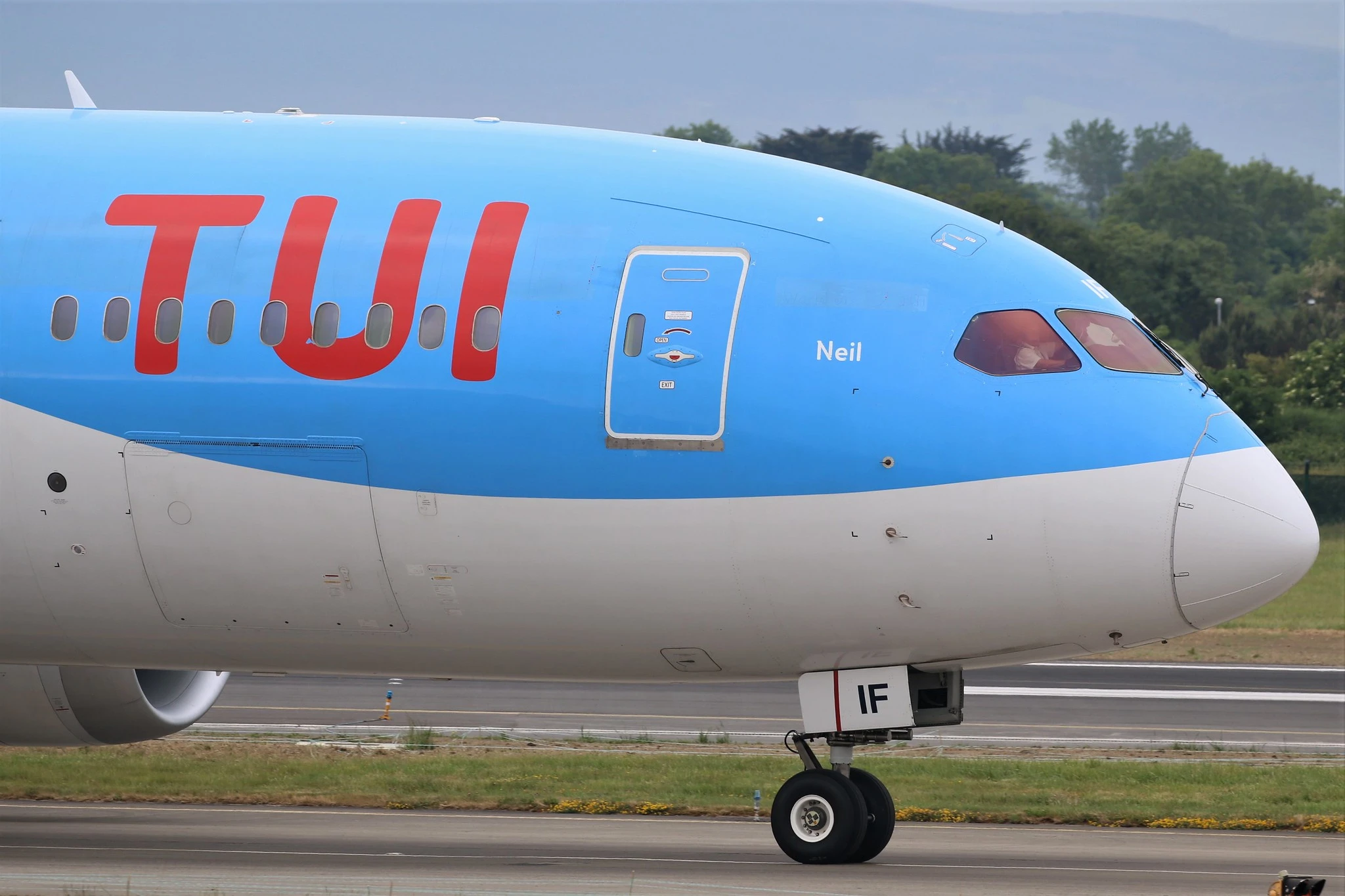
Airlines with Stable or Unchanged Pricing
A smaller cohort of airlines demonstrated relative pricing stability, with average fares remaining effectively flat across the comparison period.
TUI Airways maintained an unchanged average of £25, while American Airlines showed a statistically negligible increase of 0.01%, holding steady at £73.
This pricing consistency suggests disciplined revenue management, possibly reflecting mature route portfolios with predictable demand profiles or contractual fare structures that limit volatility.
For these carriers, stability appears to have taken precedence over aggressive discounting or inflation-driven increases.
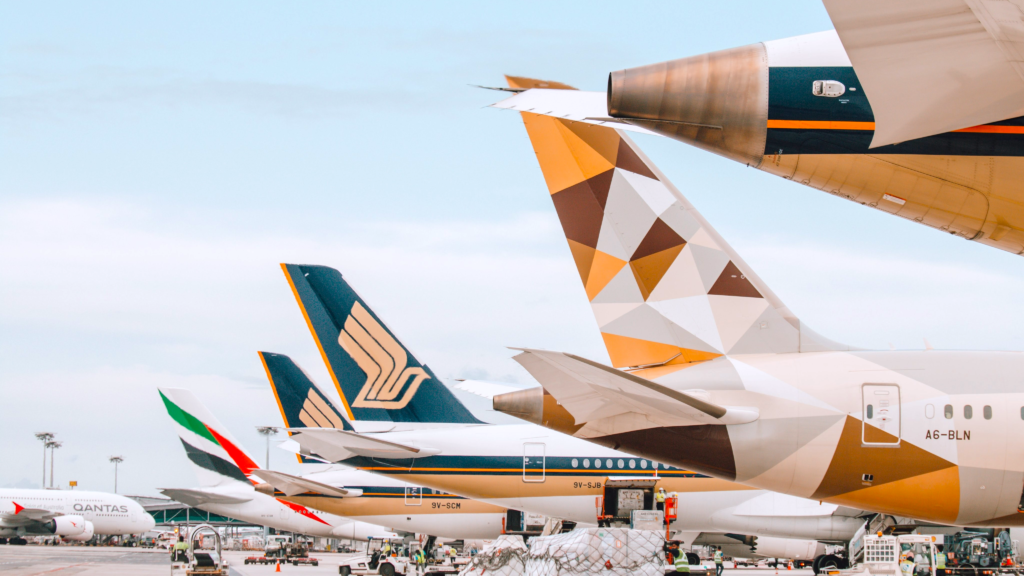
Moderate Fare Increases Among Carriers
Several airlines registered moderate increases in average one-way economy fares, typically in the single- to low-double-digit range. Lufthansa saw a 7% increase, rising from £56 to £60, while Ryanair recorded a 10% uplift, moving from £22 to £24.
Other carriers in this tier include:
- Singapore Airlines (SQ), up 19% (from £52 to £61)
- Air New Zealand (NZ), up 25% (from £48 to £59)
These increases, while noticeable, remain comparatively restrained and may reflect higher operating costs, fuel price exposure, or targeted yield optimization rather than wholesale repricing of the economy product.
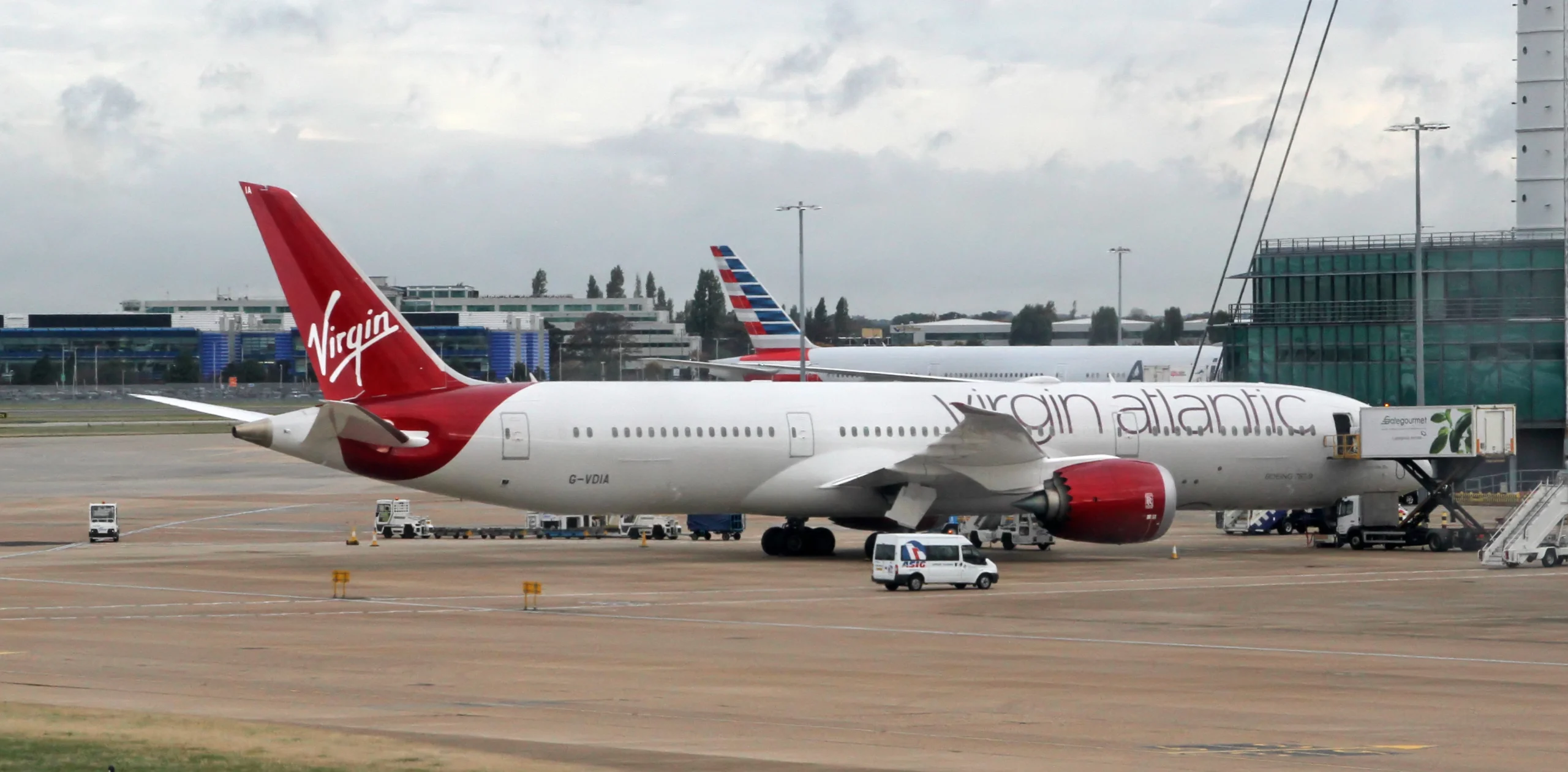
Airlines with the Steepest Fare Increases
At the upper end of the pricing spectrum, the data reveals a cluster of airlines that have imposed substantial fare hikes, particularly among European network carriers.
British Airways stands out most prominently, with average one-way economy fares surging from £35 to £68, representing a 93% increase—the largest recorded in the dataset.
Other significant increases include:
- SAS, up 56%, from £27 to £41
- Virgin Atlantic, up 38%, from £40 to £55
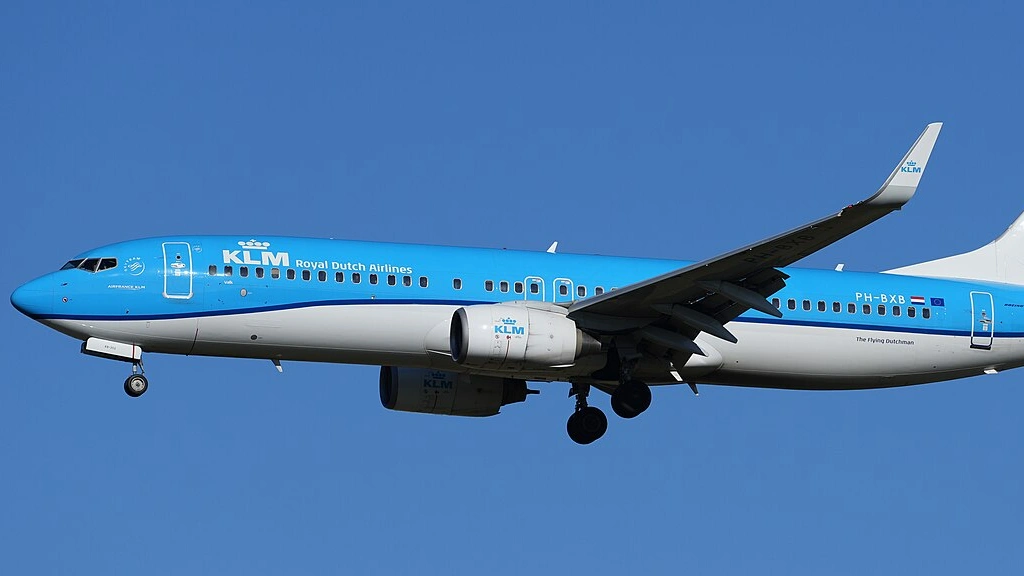
- KLM, up 37%, from £60 to £82
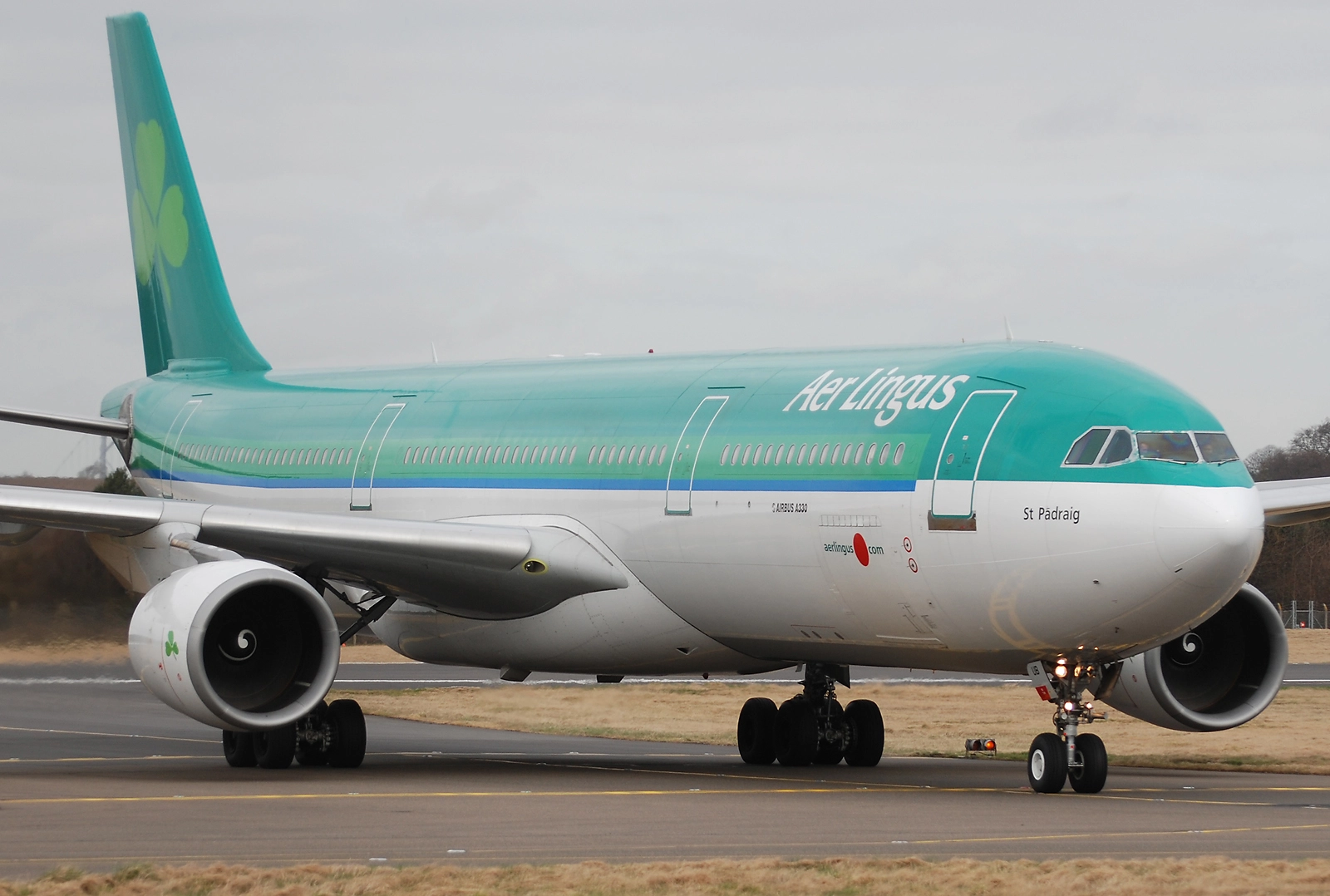
- Aer Lingus, up 34%, from £48 to £64
- Air France, up 33%, from £37 to £48
These increases suggest a strategic pivot toward yield recovery, premium brand positioning, or cost pass-through, particularly as these airlines contend with higher labour expenses, aircraft leasing costs, and constrained widebody availability.
What Pricing Divide Reveals About Airline Strategy
The divergence in fare trends underscores the absence of a single, industry-wide pricing narrative in 2025. Airlines that reduced fares appear to be leveraging lower marginal costs, surplus capacity, or competitive pressures to stimulate demand, especially in leisure-oriented markets.
Conversely, carriers raising prices sharply may be prioritising profitability per seat, even at the risk of softer demand elasticity.
The data also highlights how business models matter. Low-cost carriers and hybrid operators tend to exhibit greater pricing flexibility, while legacy airlines increasingly rely on brand strength, network breadth, and ancillary segmentation to sustain higher fares.
https://commons.wikimedia.org/wiki/File:Berlin_Brandenburg_Airport_KLM_Royal_Dutch_Airlines_Boeing_737-8K2(WL)_PH-BXB_(DSC07657).jpg
Bottom Line
The global airfare landscape in 2025 is defined not by uniform inflation, but by strategic divergence.
From Qantas’ deep fare cuts to British Airways’ near-doubling of average prices, the range of outcomes reflects how differently airlines are responding to the same economic environment.
For passengers, this means that price competitiveness now varies more by airline than by region—and careful comparison remains essential in navigating an increasingly fragmented market.
Stay tuned with us. Further, follow us on social media for the latest updates.
Join us on Telegram Group for the Latest Aviation Updates. Subsequently, follow us on Google News
