

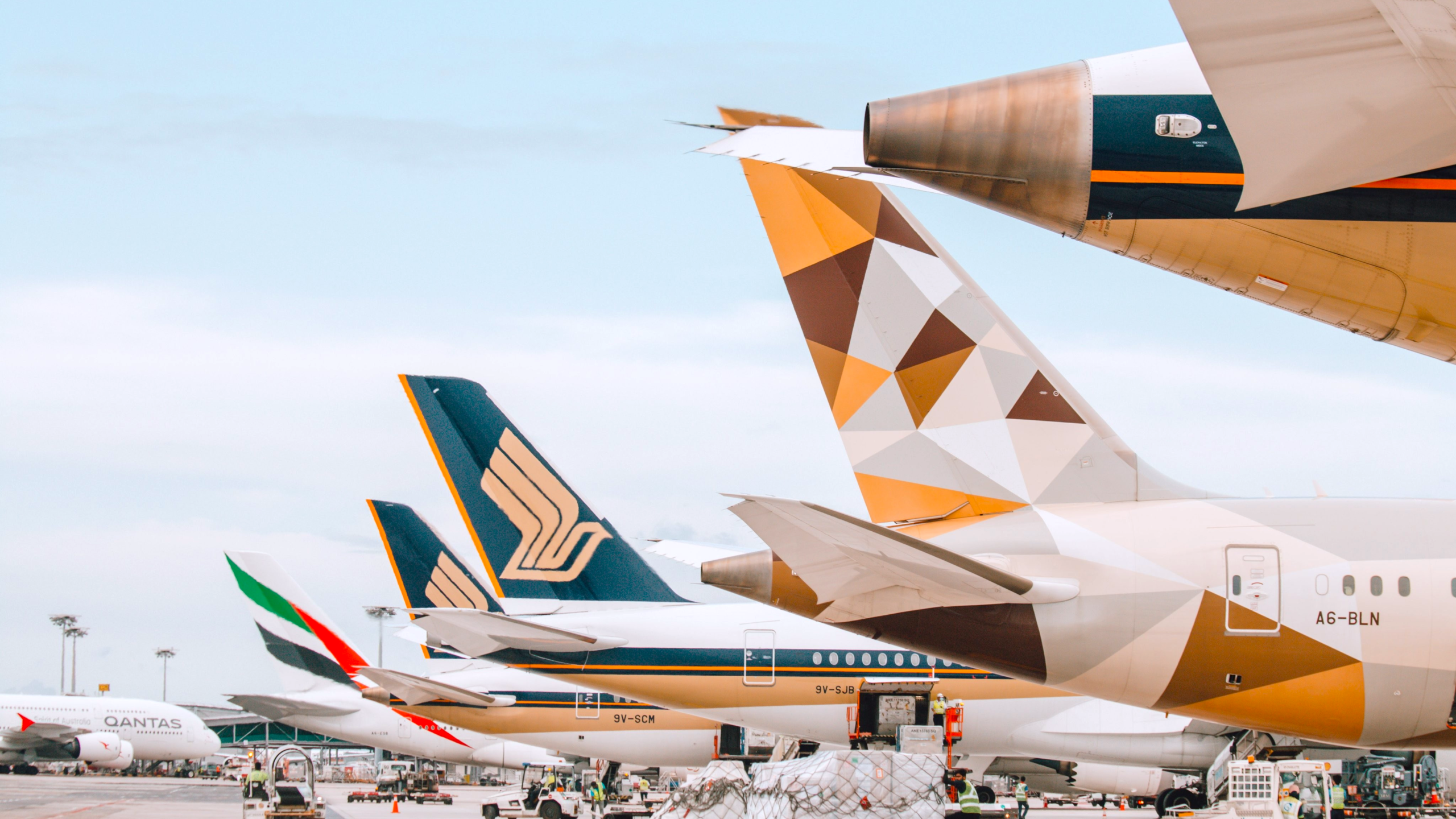
As long-haul travel rebounds and competition intensifies, airline stopover programmes have evolved into a sophisticated strategic tool rather than a peripheral perk.
In 2026, several global carriers are actively encouraging passengers to pause their journeys at hub cities, transforming routine connections into short, self-directed city breaks without the cost of an additional airfare.
For travellers, the appeal is straightforward. A journey that once involved a tedious overnight layover can now include a hotel stay, discounted accommodation, or the freedom to explore a destination for several days. For airlines, stopovers promote tourism at their home hubs while differentiating their product in an increasingly crowded long-haul market.

Airlines Offering Complimentary or Subsidised Hotels
These programmes typically target passengers with long connections and are designed to offset the inconvenience of extended transit times.
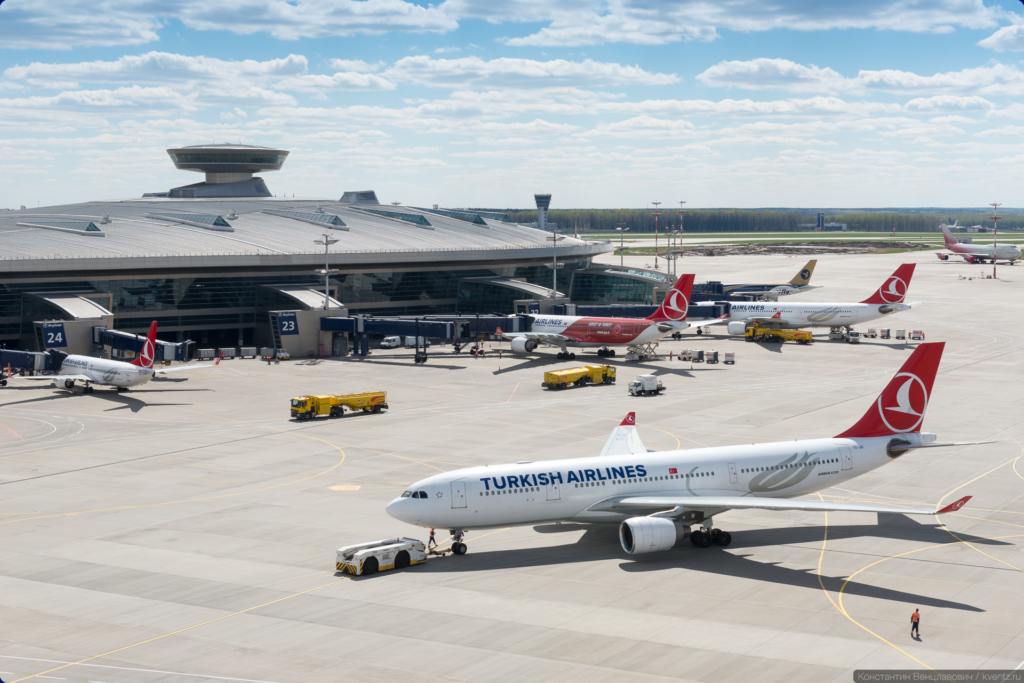
Turkish Airlines — Istanbul
Turkish Airlines (TK) operates one of the most mature stopover schemes in the industry. Eligible passengers transiting through Istanbul may receive complimentary hotel accommodation, with entitlements varying by cabin class, route, and market.
The stopover hotel programme is separate from TourIstanbul, which offers guided city tours for passengers with shorter layovers. Stopovers must be requested after ticket issuance and are subject to minimum connection durations and fare rules.

Emirates — Dubai
Emirates (EK) runs two distinct stopover products that serve different passenger needs. Dubai Connect provides complimentary hotel accommodation, meals, and ground transfers for eligible itineraries when no reasonable shorter connection exists.
Separately, Emirates markets paid Dubai Stopover packages that bundle multi-night hotel stays, visas where required, and airport transfers. These packages are designed for travellers deliberately planning a city stay rather than recovering from a long layover.
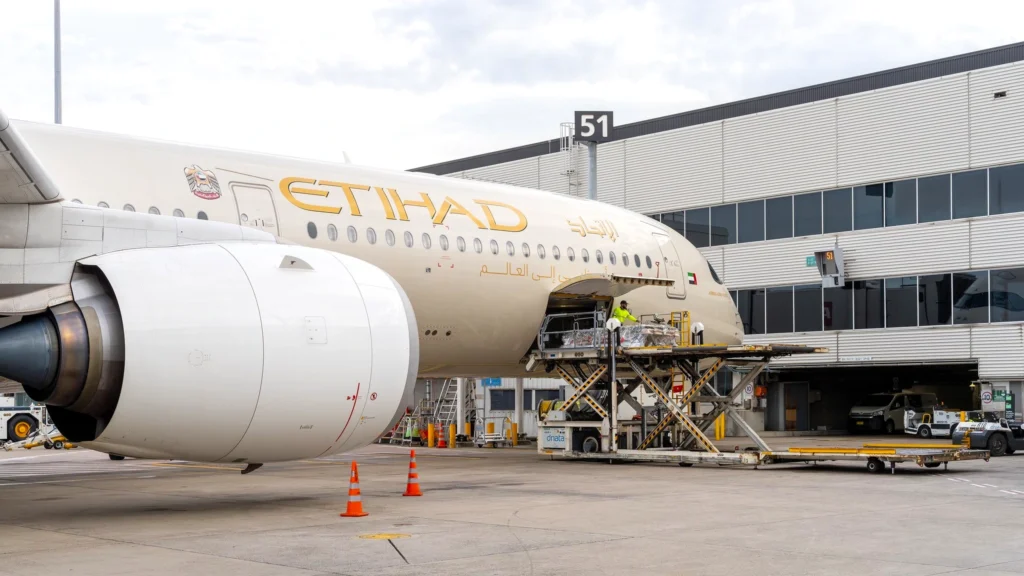
Etihad Airways — Abu Dhabi
Etihad’s Abu Dhabi stopover programme combines complimentary hotel nights on select itineraries with optional paid extensions. Eligibility depends on route, fare class, and availability, and bookings must be made through Etihad’s designated stopover channels.
The airline positions the programme as a way to introduce passengers to Abu Dhabi while maintaining flexibility for different travel profiles.
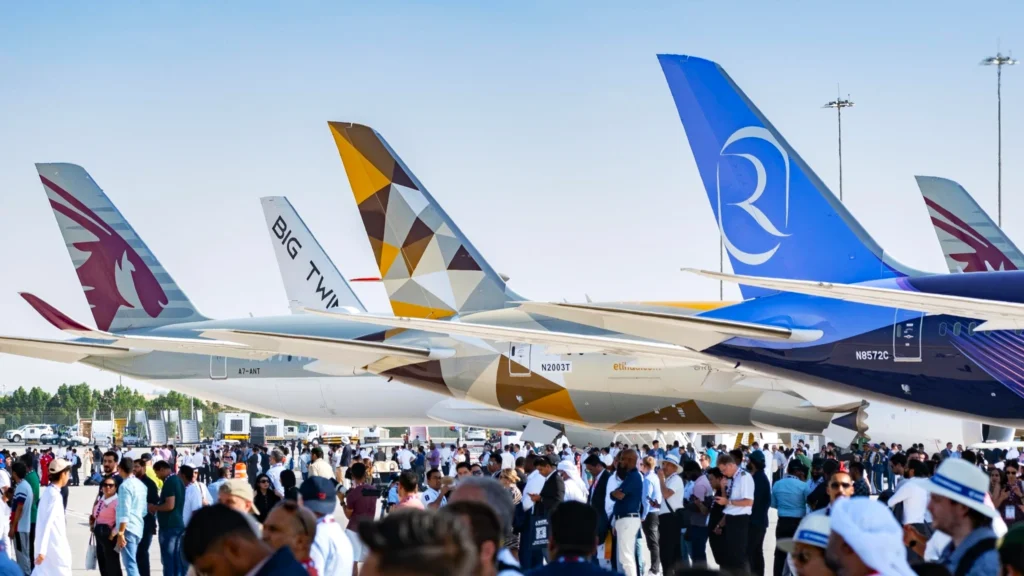
Qatar Airways — Doha
Qatar Airways (QR) does not routinely offer fully free stopover hotels, but its Doha stopover programme remains one of the most aggressively subsidised in the market. Through Discover Qatar, passengers can book four- and five-star hotels at significantly reduced nightly rates.
The programme targets short stays of 12 to 96 hours and is structured to encourage sightseeing rather than overnight rest between flights.
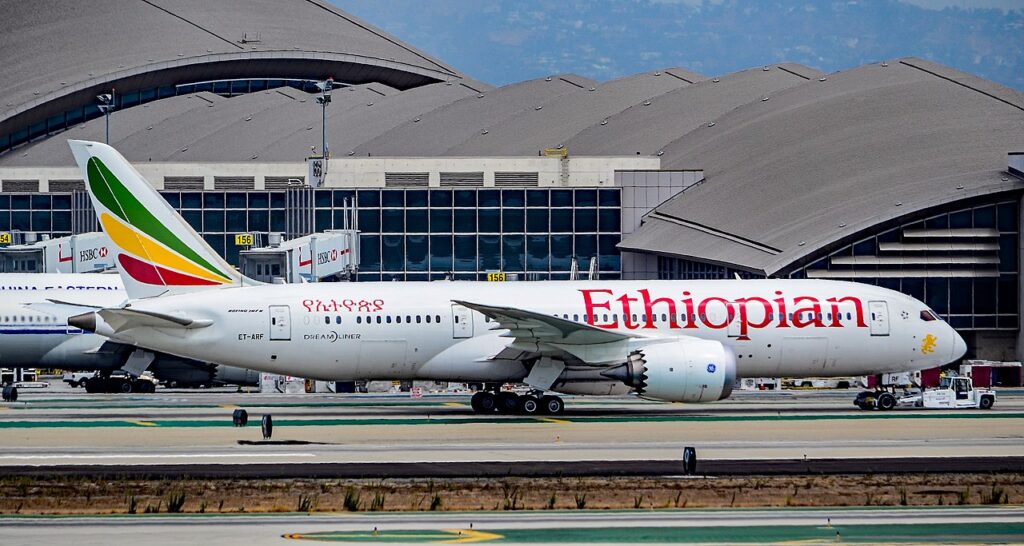
Ethiopian Airlines — Addis Ababa
Ethiopian Airlines offers stopover and transit accommodation options tied to its Addis Ababa hub operations. Availability and inclusions vary by itinerary, and accommodation is not automatically bundled with tickets.
Passengers are directed to Ethiopian’s dedicated stopover booking pages, where packages may include hotel stays, airport transfers, or short city visits depending on eligibility.
Airlines Allowing Free Stopovers Without Hotel Inclusion
These programmes prioritise routing flexibility and fare transparency rather than accommodation.
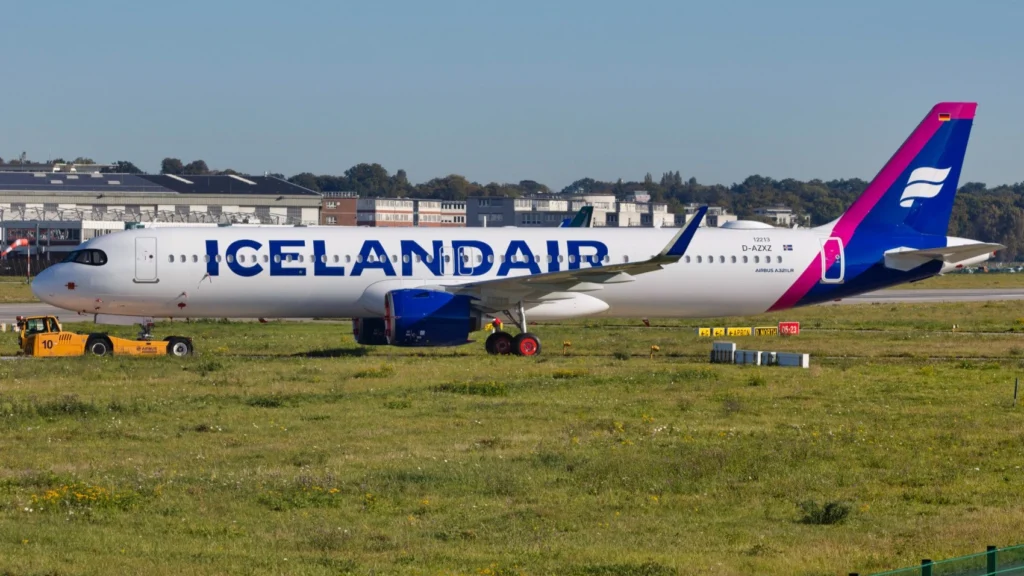
Icelandair — Reykjavík
Icelandair remains one of the original pioneers of airline stopovers. The carrier allows passengers to remain in Iceland for up to seven days on transatlantic itineraries without an increase in airfare.
While hotels are not included, the booking engine is explicitly designed to support stopover routing, making the programme simple to use and widely accessible.
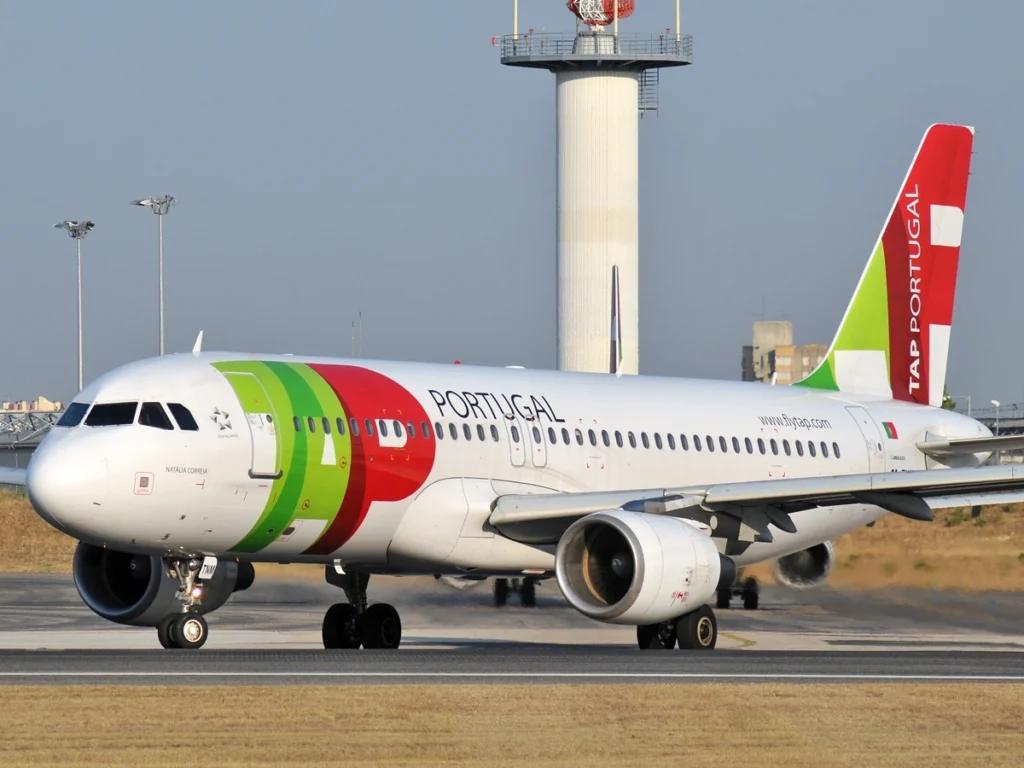
TAP Air Portugal — Lisbon or Porto
TAP Air Portugal’s Portugal Stopover programme allows travellers to add a stay of up to 10 days in Lisbon or Porto at no additional flight cost. Instead of complimentary hotels, TAP focuses on partner discounts covering accommodation, experiences, and domestic connections.
The programme is integrated directly into TAP’s booking process for eligible itineraries.
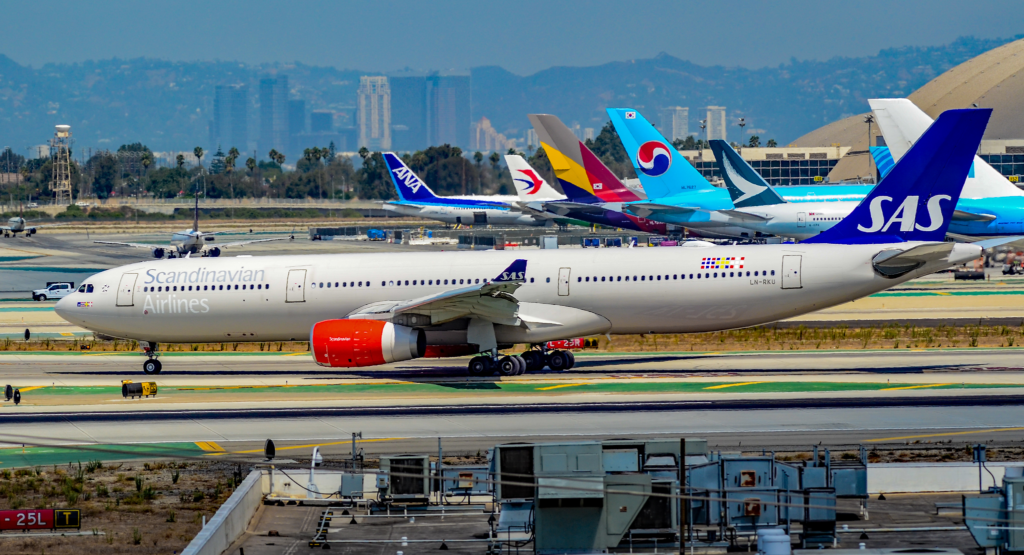
SAS — Scandinavia
SAS permits stopovers at its Scandinavian hubs on select fares. While Copenhagen is most prominently marketed, other SAS hubs may be eligible depending on routing.
Accommodation is not included, and travellers are typically advised to arrange stopovers through customer service before ticketing to avoid fare recalculations.
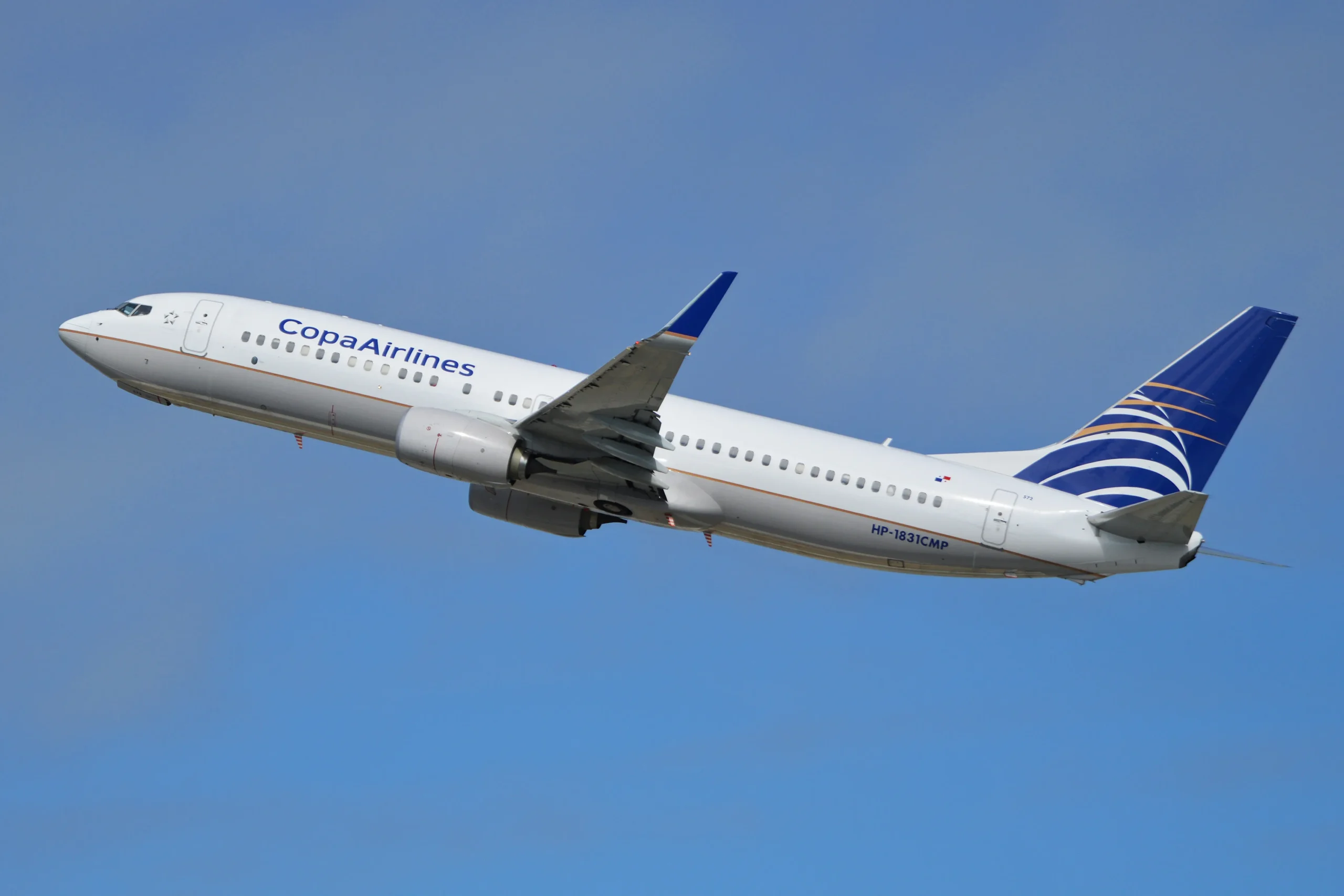
Copa Airlines — Panama City
Copa Airlines’ Panama Stopover programme allows travellers to pause in Panama City for between 24 hours and seven days at no extra airfare. The programme is supported by Panama’s tourism authority and includes access to discounted hotels and attractions.
Free accommodation is not standard, but the structure encourages short urban stays with minimal administrative complexity.

Iberia — Madrid
Iberia’s “Stopover Hola Madrid” enables passengers to add between one and nine nights in Madrid on eligible itineraries without increasing the flight price. The programme also includes promotional discounts on hotels, transportation, and cultural attractions.
Stopovers Tied to Packages or Specific Conditions
Some carriers do not market stopovers as a standalone product but still facilitate extended stays under defined conditions.
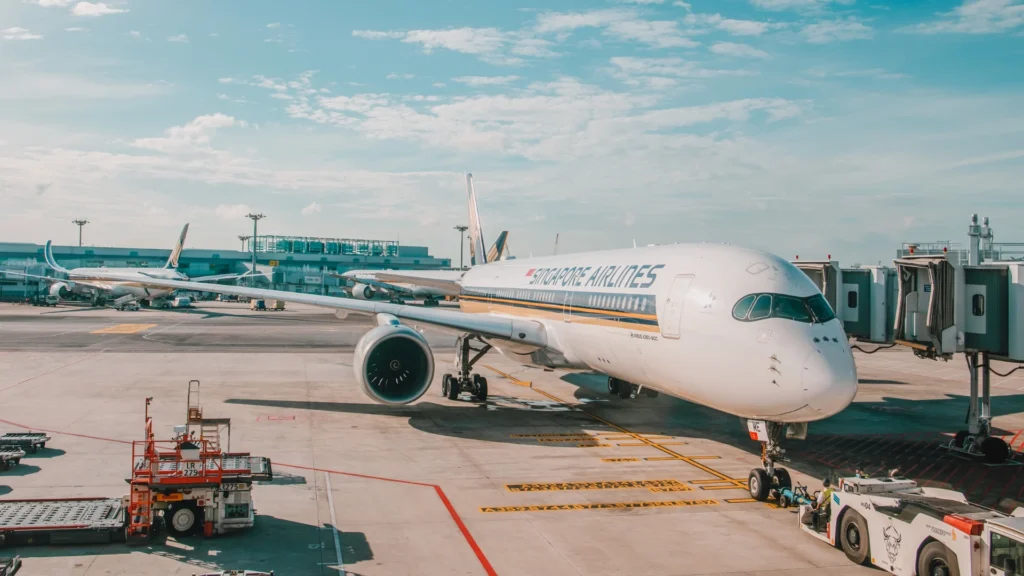
Singapore Airlines — Singapore
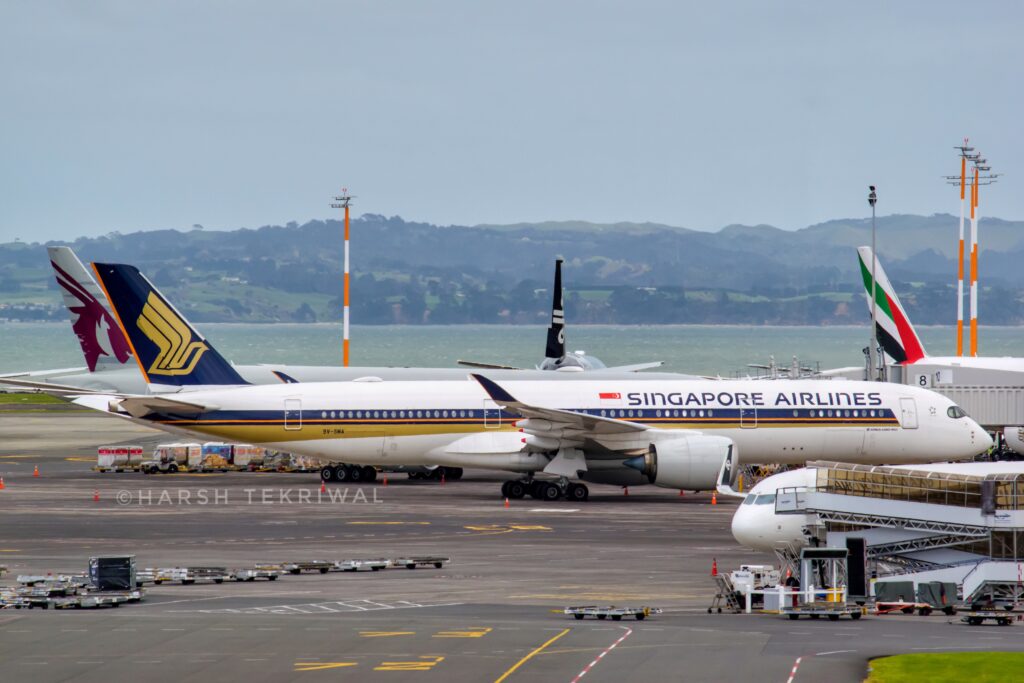
Singapore Airlines (SQ) supports stopovers through multi-city bookings and markets a separate Singapore Stopover product that bundles accommodation and transfers. The airline also operates the Free Singapore Tour for qualifying transit passengers, which is a guided excursion rather than a full overnight stay.
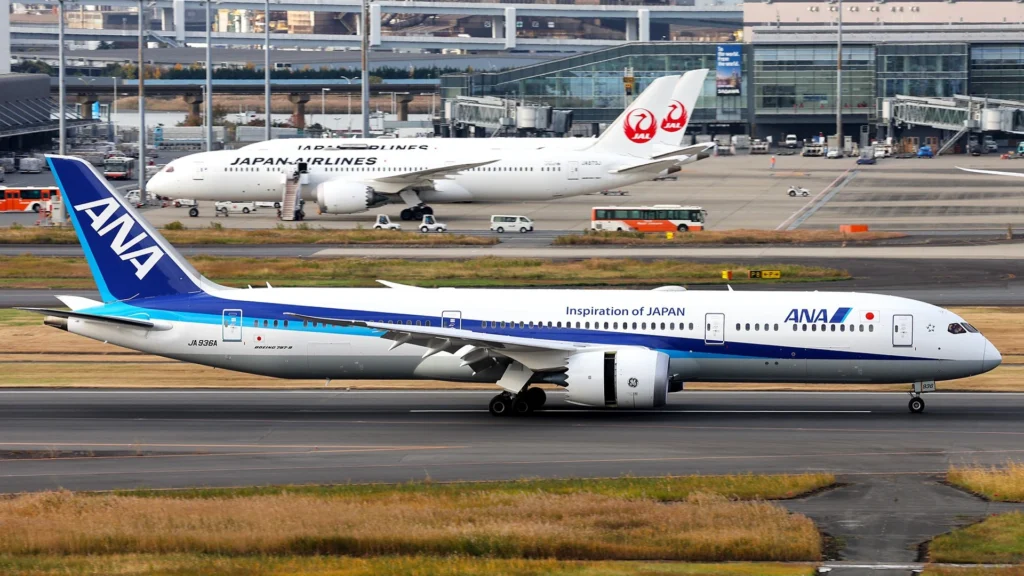
Japan Airlines and All Nippon Airways — Japan
Both Japanese carriers permit stopovers on certain international itineraries, particularly when combined with domestic segments. These arrangements emphasise routing flexibility rather than hotel inclusion and are often popular among award ticket holders.
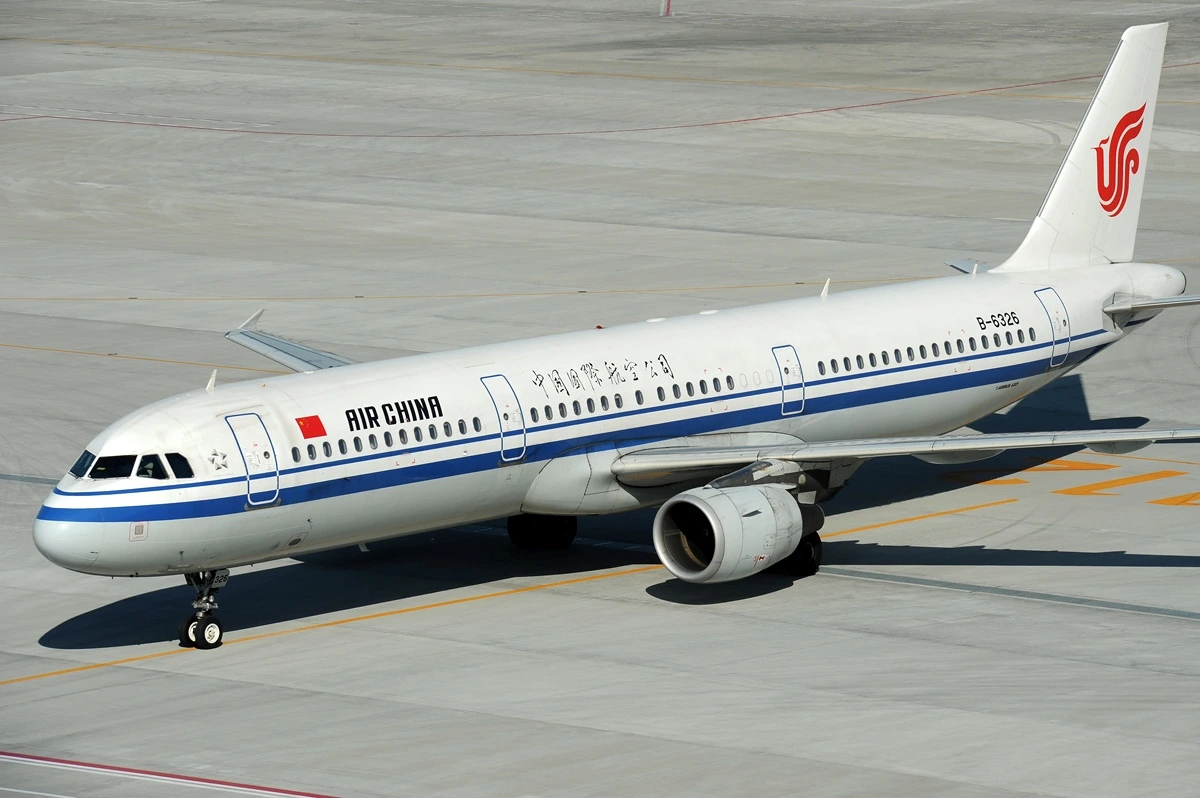
Chinese carriers — China
Several Chinese airlines, including Air China and China Southern, offer transit hotel accommodation for long layovers, typically ranging from six to 24 hours. These are classified as transit services rather than tourism stopovers and are subject to strict eligibility rules.
2026 Airline Stopover Program Overview
| Airline | Stopover hub | Hotel included | Stopover duration | Booking method |
|---|---|---|---|---|
| Turkish Airlines | Istanbul | Yes (conditional) | Long connections | Apply after booking |
| Emirates | Dubai | Yes (Dubai Connect) / Paid packages | Hours to multi-day | Manage Booking |
| Etihad Airways | Abu Dhabi | Yes (select itineraries) | Varies | Stopover portal |
| Qatar Airways | Doha | Subsidised | 12–96 hours | Stopover page |
| Icelandair | Reykjavík | No | Up to 7 days | During booking |
| TAP Air Portugal | Lisbon / Porto | No | Up to 10 days | During booking |
| SAS | Scandinavia | No | Fare dependent | Customer service |
| Copa Airlines | Panama City | No | 1–7 days | During booking |
| Iberia | Madrid | No | 1–9 nights | During booking |
| Singapore Airlines | Singapore | Package-based | Itinerary dependent | Multi-city booking |
Source: Aerospace Global News

Bottom Line
Stopover programmes can offer significant value, but they are not universally generous. Complimentary hotels are often conditional, visa requirements remain the passenger’s responsibility, and inventory is frequently limited during peak periods.
Booking mechanics matter as well. Some stopovers must be added at the time of ticket purchase, while others require post-booking applications within strict time windows. Understanding these nuances is essential to avoiding disappointment.
In 2026, airline stopovers are no longer novelty offerings. They represent a deliberate attempt by carriers to convert transit hubs into destinations and to give travellers a compelling reason to choose one airline over another.
For passengers willing to read the fine print, they can unlock an additional destination at minimal cost — and sometimes with surprising comfort.
Stay tuned with us. Further, follow us on social media for the latest updates.
Join us on Telegram Group for the Latest Aviation Updates. Subsequently, follow us on Google News
