


ATLANTA- Delta Air Lines (DL) will distribute $1.3 billion in profit-sharing bonuses for 2025, marking its lowest payout since 2022 and triggering employee dissatisfaction.
The Atlanta-based carrier, headquartered at Hartsfield-Jackson Atlanta International Airport, Atlanta (ATL), says the bonus still ranks among the top five in company history.

Delta Profit Sharing
Delta Air Lines confirmed it will issue profit-sharing payments on February 13, allocating 8.9 percent of eligible earnings to employees. The airline estimates the payout equals roughly four weeks of additional pay for each qualifying worker.
Despite the scale of the distribution, many employees expressed frustration online, citing lower percentages compared with recent years. In 2024, Delta paid $1.4 billion in bonuses, equal to 10.4 percent of annual wages. In early 2020, the airline issued a record $1.6 billion payout shortly before the pandemic disrupted global aviation.
Company leadership emphasized employee contributions to operational performance and customer trust throughout 2025. Delta maintains that its workforce-driven culture remains central to long-term financial stability.
How Delta Compares With Rival US Airlines
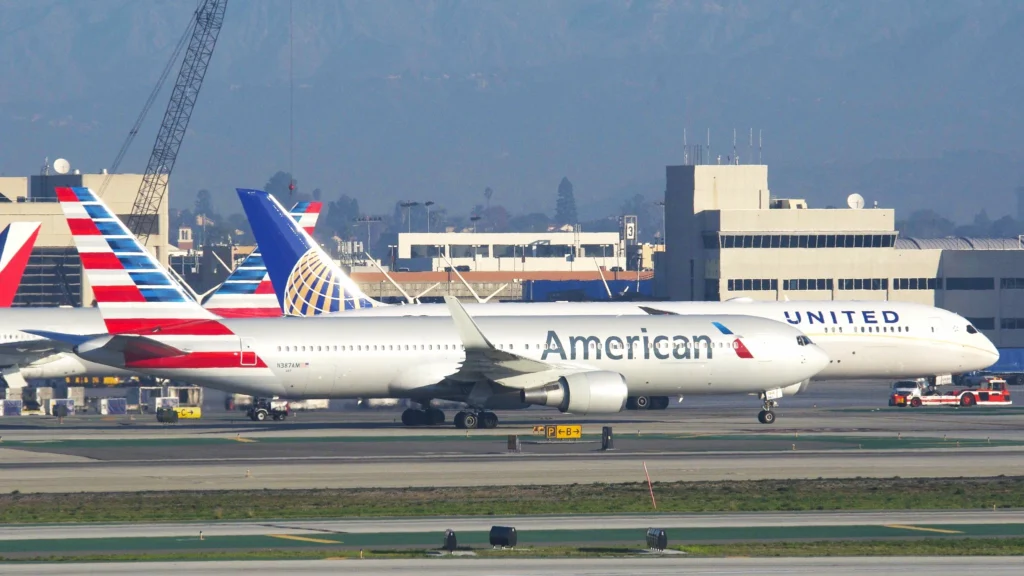
Delta’s profit-sharing model continues to differentiate it from competitors such as American Airlines (AA) and United Airlines (UA). While Delta applies a uniform formula across eligible employees, rival carriers typically distribute bonuses by workgroup, often resulting in smaller payouts.
In 2024, United issued a 5.3 percent bonus to flight attendants, while American Airlines and Southwest Airlines provided profit-sharing bonuses of around 1.1 percent. Neither American nor United has announced 2025 profit-sharing figures so far.
Delta calculates its bonuses by allocating 10 percent of the first $2.5 billion in profit and 20 percent of profits above that threshold. The structure remains unchanged from previous years.
Labor Relations And The Union Debate
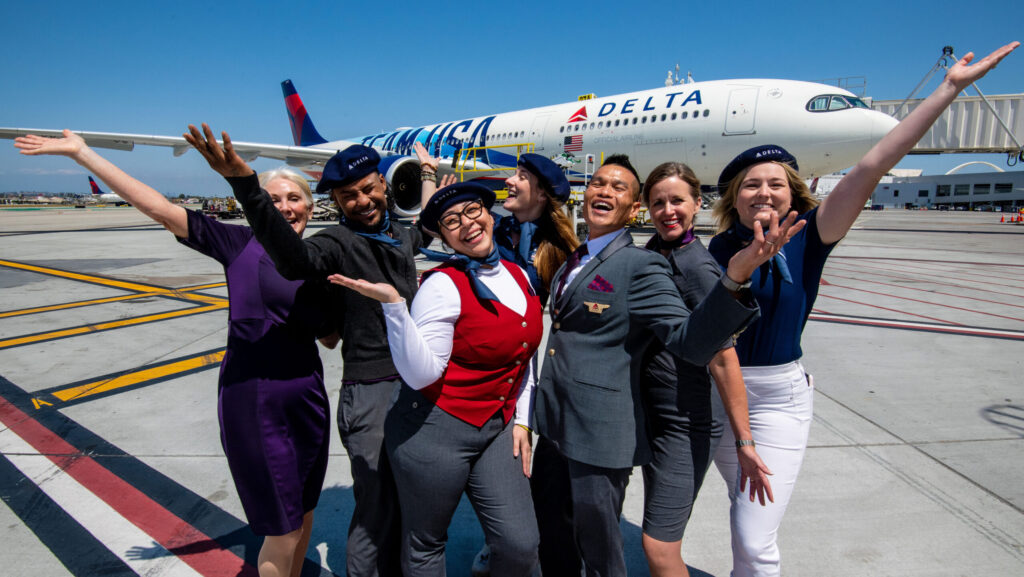
Profit-sharing bonuses remain closely linked to ongoing unionization discussions within Delta’s workforce. The airline has long positioned generous bonuses as a benefit of remaining non-unionized.
Labor advocates counter that a union contract could offer broader protections, including structured sick leave policies, cancellation pay safeguards, and guaranteed wage increases.
The Association of Flight Attendants continues its efforts to organize Delta cabin crew, arguing that contractual stability outweighs variable annual bonuses.
This debate resurfaces annually, reflecting a broader question within Delta’s workforce about compensation certainty versus flexibility.
Stay tuned with us. Further, follow us on social media for the latest updates.
Join us on Telegram Group for the Latest Aviation Updates. Subsequently, follow us on Google News
