

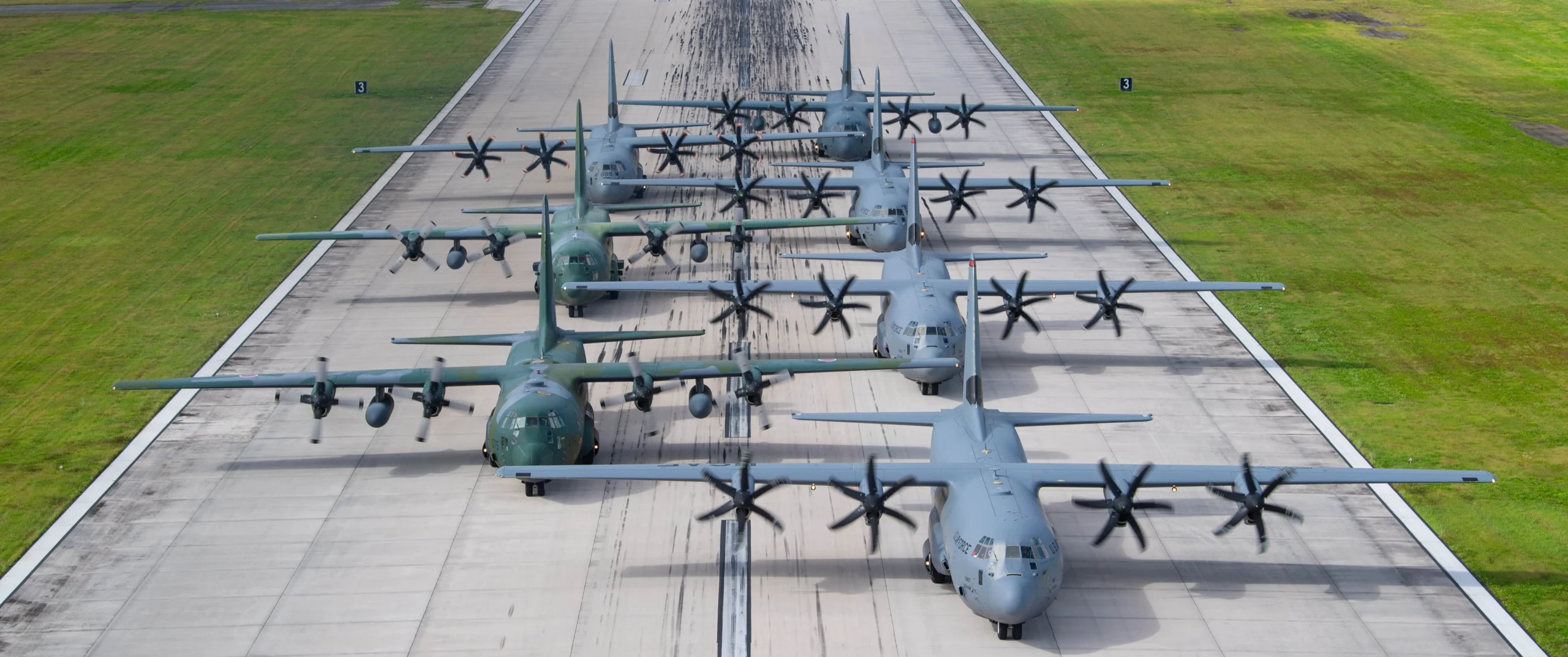
WASHINGTON, D.C.- The Department of the Air Force has appointed 5 senior officials as its first Portfolio Acquisition Executives to speed up procurement and improve accountability.
The initiative is designed to move critical weapons systems to warfighters faster by reducing approval delays and consolidating decision authority.
The US Air Force’s acquisition leadership operates alongside major national transit hubs such as Ronald Reagan Washington National Airport (DCA), underscoring the city’s role as the center of US defense policy and command oversight.
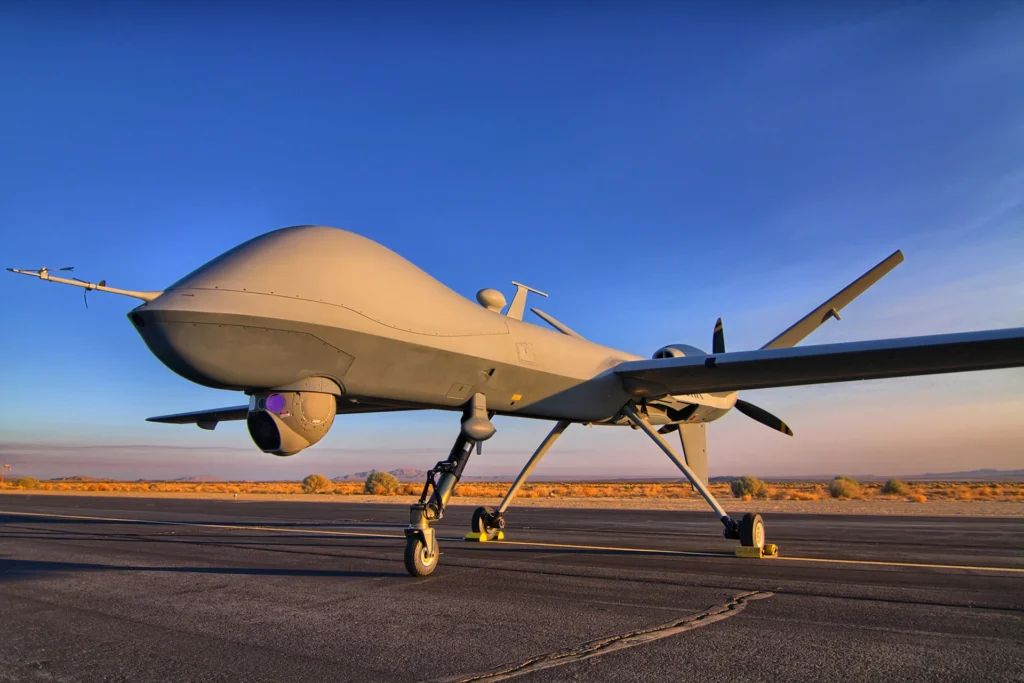
US Air Force Future Weapons Acquisition
The newly appointed Portfolio Acquisition Executives were formerly Program Executive Officers and now hold expanded authority over 5 critical portfolios:
- Command, control, communications, and battle management
- Fighters and advanced aircraft
- Nuclear command, control, and communications
- Propulsion
- Weapons
Each executive is solely accountable for the performance of their portfolio, including cost, schedule, and mission effectiveness.
This restructuring follows a mandate outlined by Defense Secretary Pete Hegseth during a November speech at the National War College in Washington.
He called for replacing the Pentagon’s slow procurement model with a more agile Warfighting Acquisition System that empowers leaders to act without months or years of approval chains.
According to Defense News, this marks the first phase of a broader transformation intended to modernize acquisition practices across the Department of the Air Force.
Air Force Secretary Troy Meink described the reform as a generational opportunity to reshape how the service develops and delivers capability.
He emphasized the need to holistically reform requirements, acquisition, and testing to ensure operators receive what they need when they need it.
William Bailey, performing the duties of Assistant Secretary of the Air Force for Acquisition, Technology and Logistics, said the effort goes beyond speed.
He framed it as a fundamental cultural overhaul to empower airmen, cut bureaucracy, and ensure acquisition decisions remain tightly aligned with warfighter needs. Bailey stressed that leaders are being told they own their mission sets, with direct responsibility for outcomes.
Program and Operational Impact
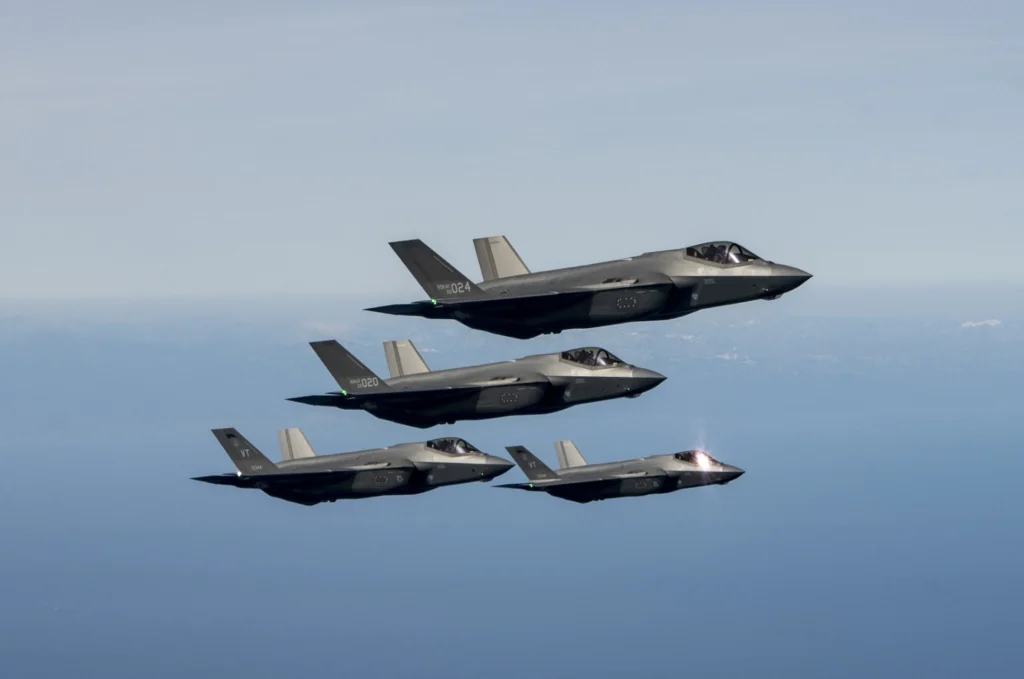
The Portfolio Acquisition Executives oversee some of the Air Force’s most critical modernization programs.
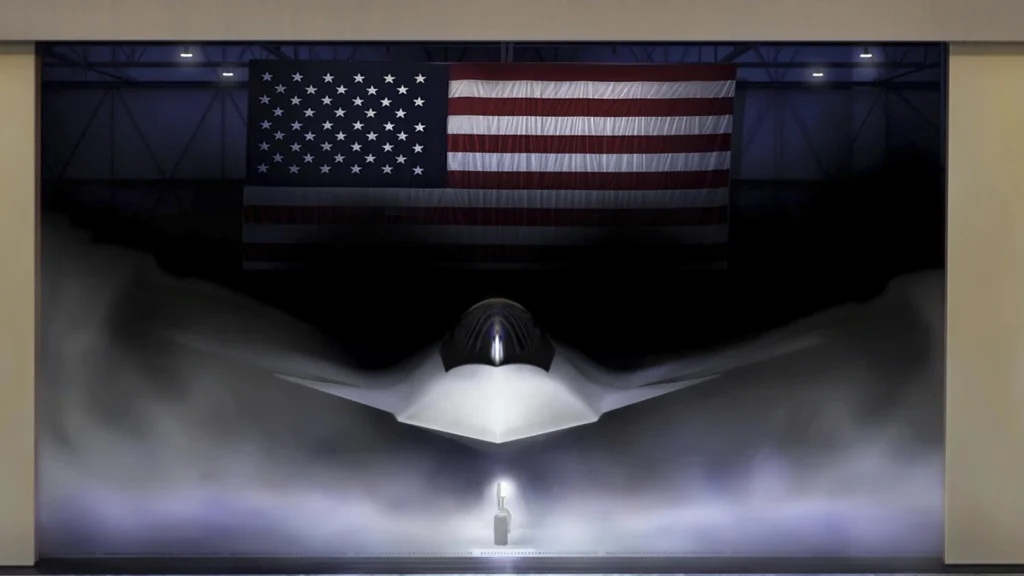
Brig. Gen. Jason Voorheis, who leads the fighters and advanced aircraft portfolio, manages initiatives such as the collaborative combat aircraft drone wingmen and the next-generation F-47 fighter.
For airmen on the flightline, the new structure aims to deliver tools before they become obsolete. By unlocking workforce expertise and streamlining processes, the Air Force intends to ensure acquisition timelines match operational demands in future conflicts.
Space Force Adoption
The United States Space Force is implementing a similar approach by assigning Portfolio Acquisition Executives to space access and space-based sensing and targeting mission areas.
Major General Stephen Purdy, acting assistant secretary for space acquisition and integration, stated that acquisition is now a warfighting function.
Space Force leadership is prioritizing a commercial-first strategy, iterative development, and rapid fielding.
Iterative development allows systems to be delivered in phases, refined through repeated cycles, and improved while already in operational use.
Purdy summarized the approach as speed with discipline, enabling experts to manage risk while delivering capability faster.
Stay tuned with us. Further, follow us on social media for the latest updates.
Join us on Telegram Group for the Latest Aviation Updates. Subsequently, follow us on Google News
