

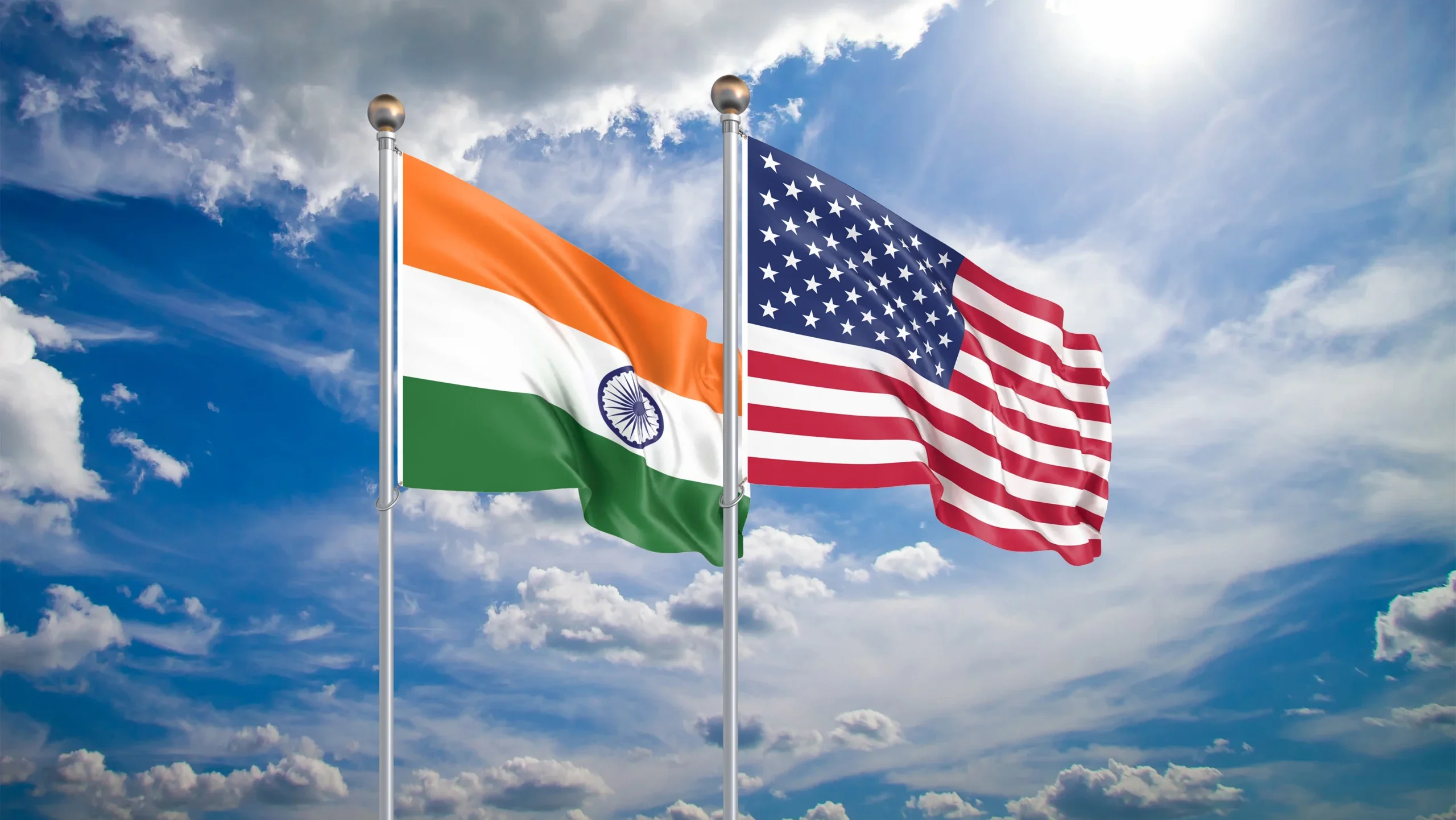
WASHINGTON- The US authorities have expanded a controversial visa policy that requires certain foreign travellers to post a cash bond of up to $15,000 before entering the country. The US State Department has confirmed that the requirement now applies to citizens of 38 countries seeking B1/B2 visitor visas.
The policy applies to arrivals into the country through designated ports of entry, including Boston Logan International Airport (BOS), John F. Kennedy International Airport (JFK), New York, and Washington Dulles International Airport (IAD). While the measure has raised concerns across several regions, India is not included in the expanded list, despite the presence of some South Asian nations.
US Visa Deposit for 38 Countries
The visa bond requirement applies to travellers who are otherwise eligible for a B1/B2 visa but are assessed as higher risk based on nationality. Applicants may be asked to post a bond of $5,000, $10,000, or $15,000, with the amount determined during the visa interview process, reported The Financial Express.
US officials have clarified that posting a bond does not guarantee visa approval. If a visa application is denied, the bond is refunded, and successful applicants receive the money back once they demonstrate compliance with visa conditions, including timely departure from the US.
The State Department has framed the policy as a compliance tool rather than a penalty, aimed at discouraging overstays and misuse of visitor visas.

Countries Affected
With the latest expansion, the policy now covers 38 countries, most of which are located in Africa, with others in Latin America, the Caribbean, and Asia. Newly added countries include Algeria, Bangladesh, Nepal, Nigeria, Senegal, Venezuela, and Zimbabwe, among others.
Several countries were already subject to the rule before the latest update, including Bhutan, Tanzania, Zambia, and Turkmenistan. The list has nearly tripled in size within days, following the addition of seven countries earlier in the week.
While Bangladesh and Nepal are included, India does not feature on the list. This distinction is significant given India’s large volume of US-bound travellers and its historically high B1/B2 visa demand.

https://commons.wikimedia.org/wiki/File:Atlanta_Airport_%E2%80%93_Hartsfield-Jackson_Atlanta_International_Airport_in_Georgia_19.jpg
Enforcement and Airports
Travellers subject to the bond requirement must comply with strict entry and exit conditions. Visa holders are required to enter and leave the United States only through approved airports, with deviations potentially resulting in denied entry.
If authorities suspect a violation of bond conditions, such as overstaying, late departure, or attempting to change visa status, the case is referred by the Department of Homeland Security for review. US Citizenship and Immigration Services then determines whether the bond should be forfeited.
The current framework builds on a pilot programme launched in August, which targeted countries with high visa overstay rates and concerns related to document security. Officials have indicated that the list may be adjusted further based on compliance data.
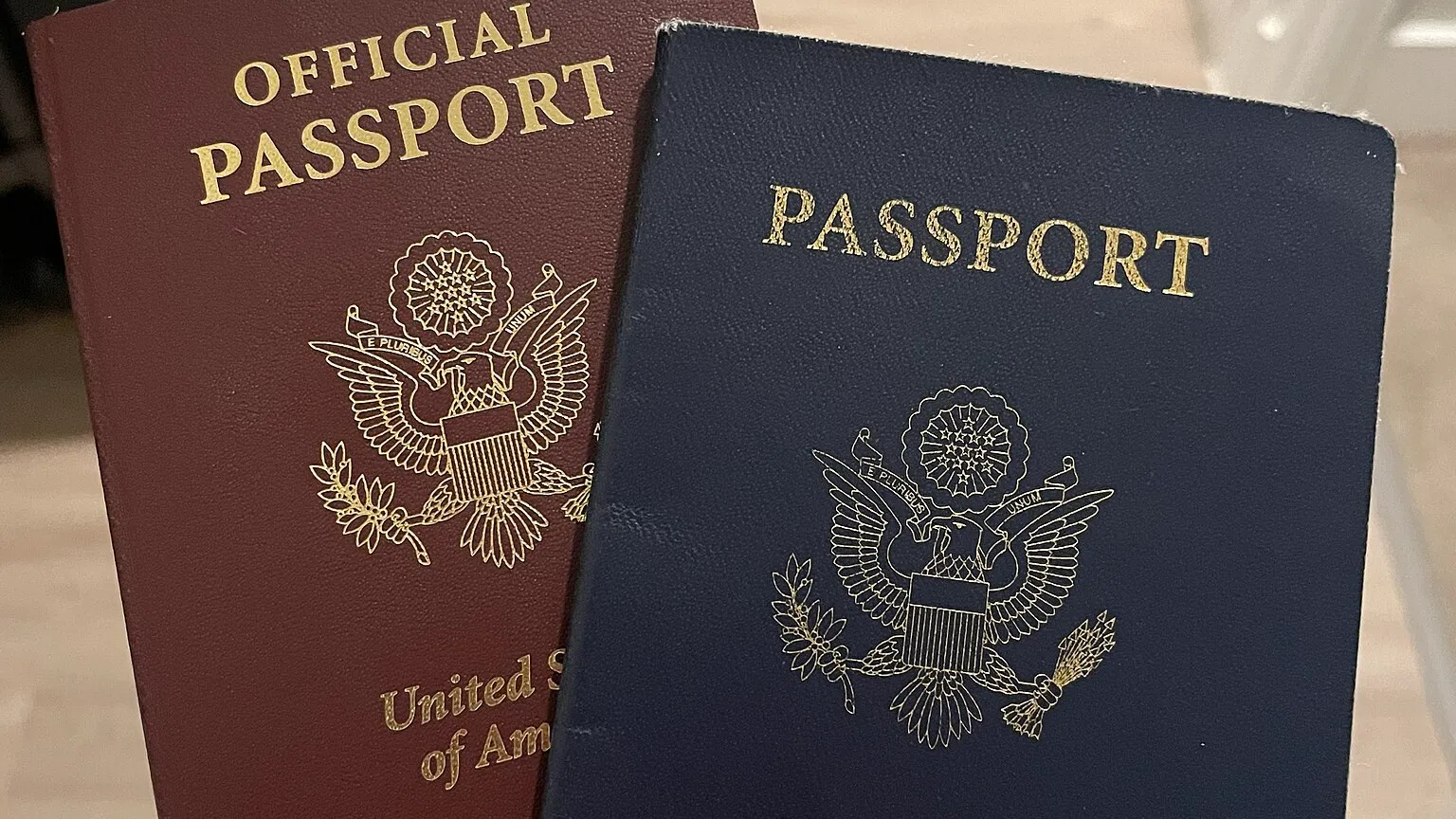
https://commons.wikimedia.org/wiki/File:US_Official_and_Regular_Passport_Comparison.jpg
Bottom Line
The expansion of the US visa bond policy marks a significant tightening of entry conditions for travellers from 38 countries, increasing both the financial and procedural burden of obtaining a B1/B2 visa.
Although several South Asian nations are affected, India remains outside the scope of the rule for now.
For travellers from the listed countries, careful adherence to entry requirements and exit timelines will be critical to avoiding financial loss.
Stay tuned with us. Further, follow us on social media for the latest updates.
Join us on Telegram Group for the Latest Aviation Updates. Subsequently, follow us on Google News
