

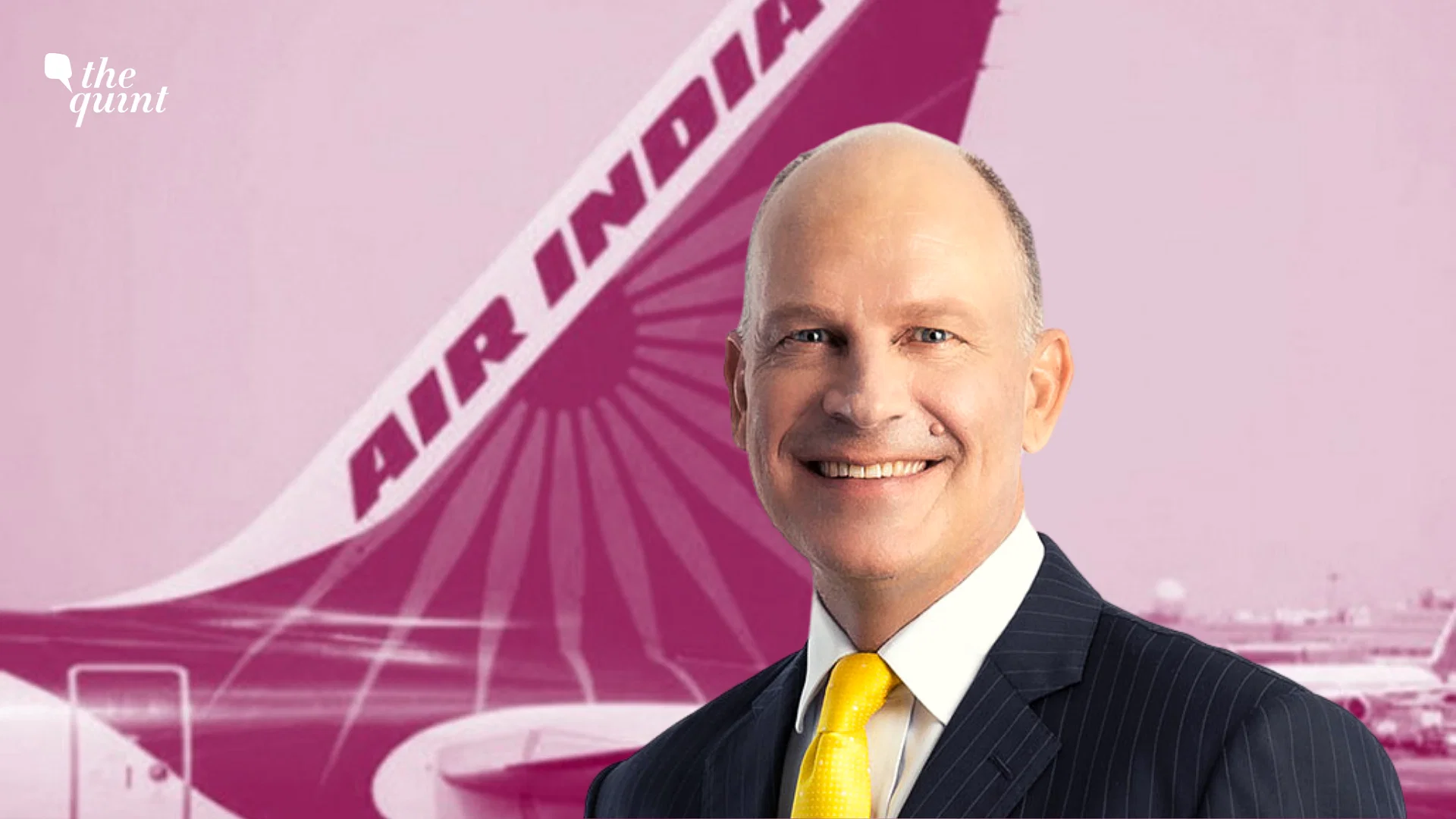
NEW DELHI- Tata Sons has initiated high-level discussions to recast leadership at Air India (AI), signaling a possible early transition at the top of the national carrier.
The deliberations, led directly by group chairman N Chandrasekaran, reflect growing urgency to accelerate execution and on-ground improvements at the airline.
The review process is unfolding across key hubs, including Mumbai Airport (BOM) and New Delhi (DEL), as Tata evaluates global aviation leaders from the UK and the US.
While CEO Campbell Wilson’s term runs until June 2027, people familiar with the matter say a leadership change could come well before that timeline.
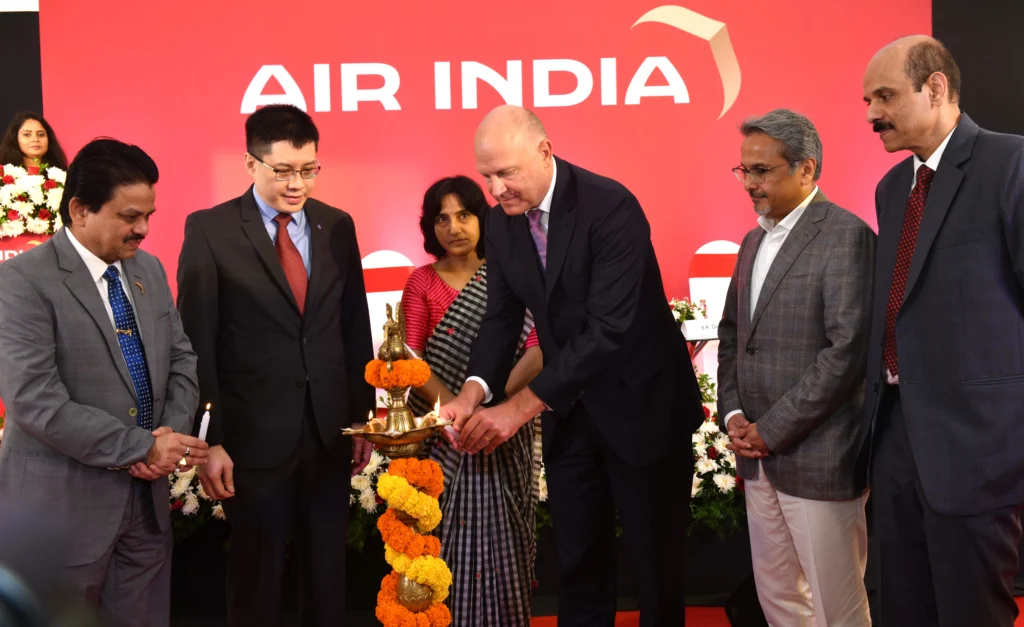
Air India Leadership Review
Tata Sons has engaged with the chief executives of at least two major international carriers as potential candidates to lead its airline business.
The discussions underscore the group’s intent to strengthen leadership depth as Air India moves from consolidation to performance-driven growth.
Chandrasekaran, who also chairs Air India, has conducted regular performance reviews with Wilson over recent months.
Group officials maintain that no formal board-level succession decision has been taken, though the process is being driven from the chairman’s office.
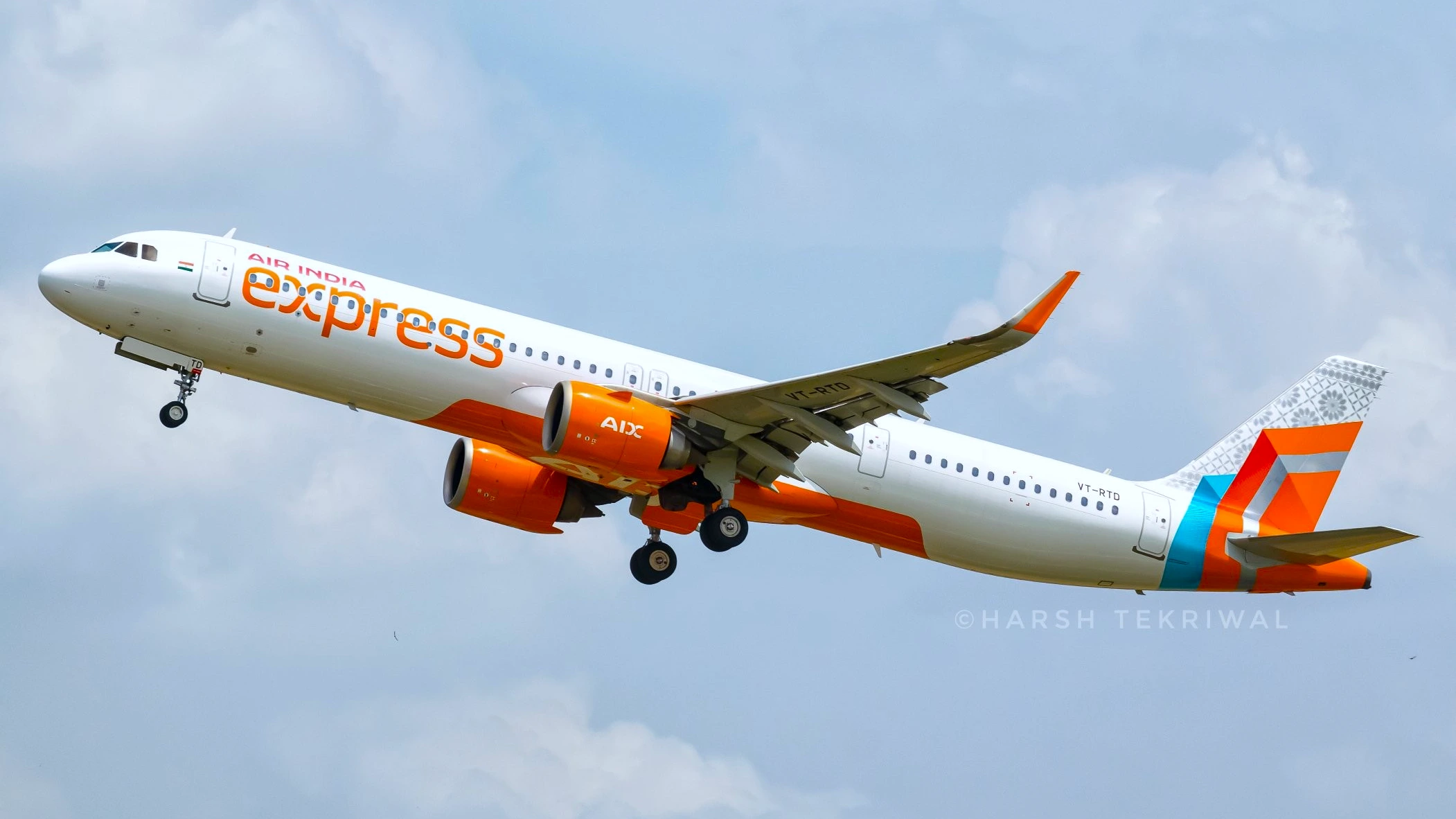
Air India Express, the group’s low-cost arm, is also expected to see leadership changes around the same period. The current CEO’s term ends in 2027, aligning with Tata’s broader reassessment of its aviation leadership bench.
Execution Challenges
Wilson, who joined Air India in July 2022, launched a 5 year transformation plan aimed at restoring the airline’s global standing and financial health.
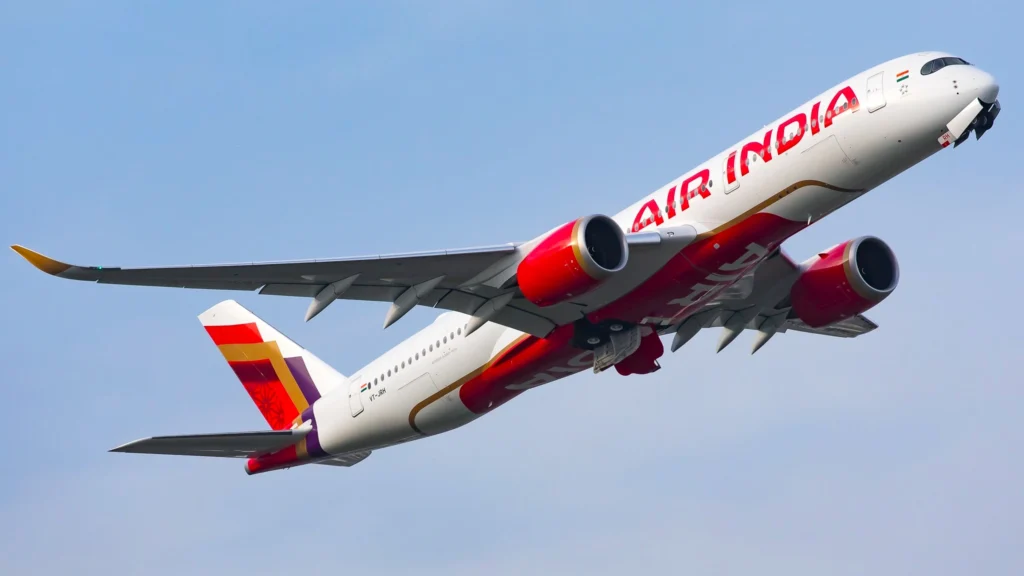
His tenure delivered some critical wins, most notably the smooth merger of Vistara into Air India and a rapid expansion of the fleet footprint on key metro routes.
Execution, however, has faced material constraints from a prolonged global supply chain crisis. Delays in aircraft deliveries and cabin refurbishment have strained service quality and on-time performance, particularly across long-haul operations to Europe and North America.
Operational scrutiny has intensified following a fatal crash last year that claimed 260 lives, even as preliminary findings found no fault with the aircraft or engineering practices.
In parallel, the Directorate General of Civil Aviation has issued show-cause notices to multiple senior executives, including Wilson, over compliance-related issues.
Air India’s Financial Pressures
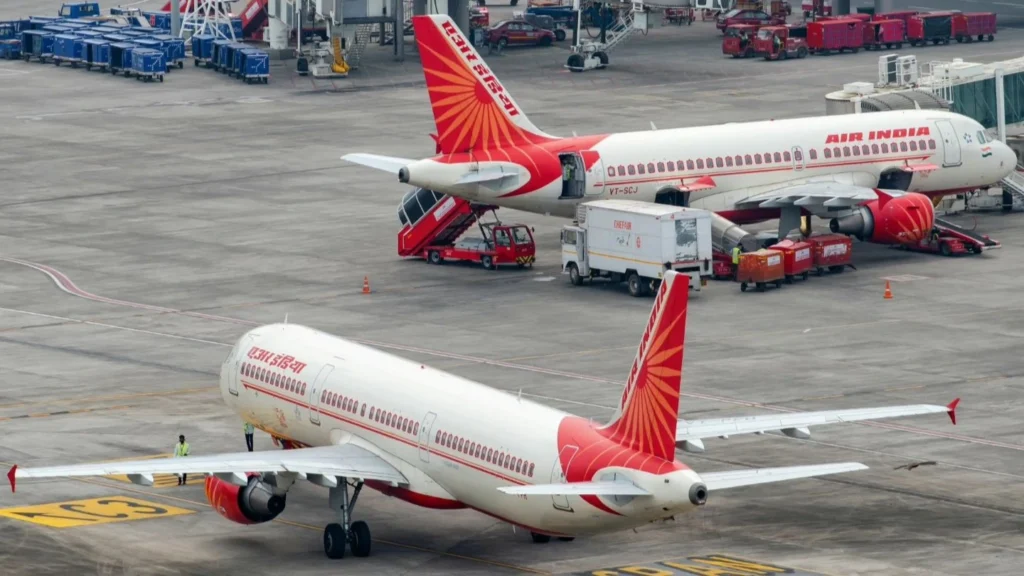
Air India’s path to profitability has been further complicated by external shocks, including Pakistan’s airspace closure that forces longer routings and higher operating costs. These factors have weighed heavily on financial outcomes.
According to the Economic Times, in FY25, Air India and Air India Express together reported a loss of Rs 10,859 crore on revenue of Rs 78,636 crore, making aviation the Tata Group’s largest loss-making vertical.
The numbers have sharpened the group’s focus on tighter execution and customer-centric delivery.
With the bulk of consolidation and brand reset initiatives now in place, Tata Sons is understood to be seeking leadership with stronger executional rigor.
The next phase is expected to prioritize reliability, service consistency, and sustained profitability in an increasingly competitive global market.
Bottom Line
Tata Sons’ leadership review at Air India marks a decisive shift from integration to accountability and performance.
As the group weighs its next move, the emphasis is squarely on execution strength to translate scale and brand revival into durable financial returns.
Stay tuned with us. Further, follow us on social media for the latest updates.
Join us on Telegram Group for the Latest Aviation Updates. Subsequently, follow us on Google News
