

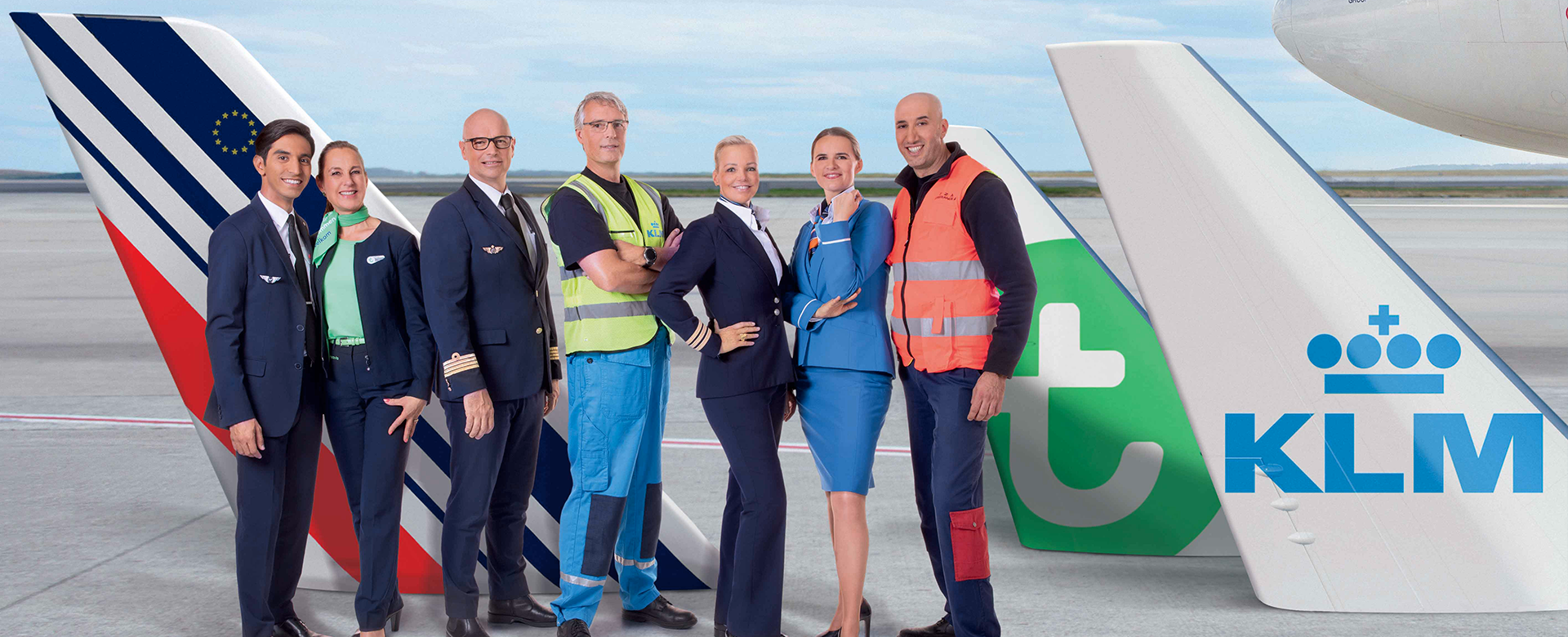
AMSATERDAM- KLM Royal Dutch Airlines (KL) has finalized a two-year collective labor agreement with its cabin crew unions following months of negotiations and labor unrest. The agreement centers on operations linked to Amsterdam Schiphol Airport (AMS), where repeated industrial action had disrupted schedules and forced large-scale flight cancellations.
The deal, approved by union members, takes effect retroactively from March 1, 2025, and runs through February 28, 2027. It brings closure to a tense bargaining cycle that tested KLM’s cost discipline while exposing the operational impact of crew shortages at one of Europe’s busiest hubs.
KLM Cabin Crew Salary Hike
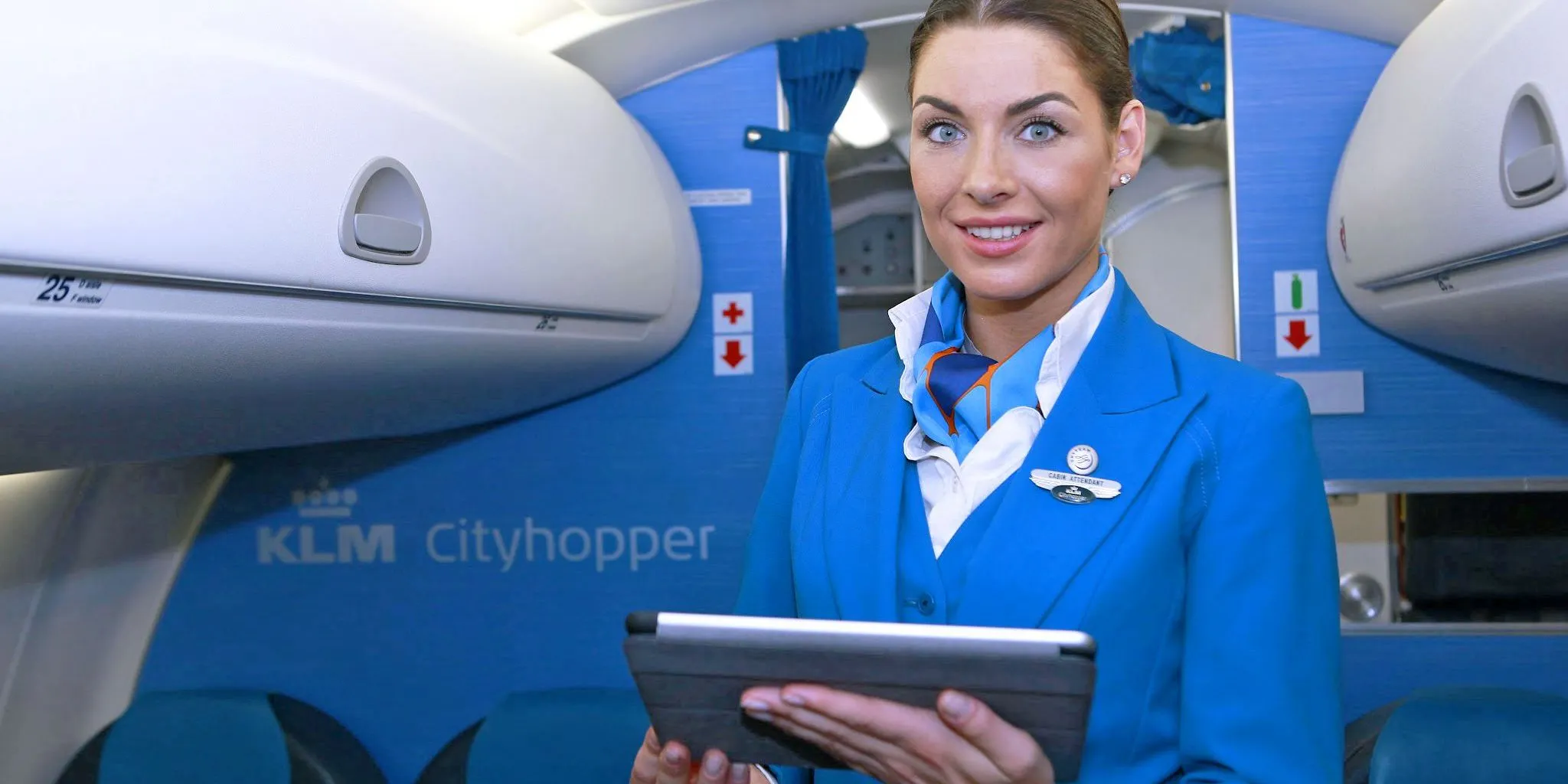
Under the new contract, cabin crew will receive a cumulative salary increase of 3.25 percent spread across three stages. Pay will rise by 1 percent in December 2025, followed by 1.25 percent in July 2026, and a final 1 percent in January 2027.
In addition to structural wage growth, employees will receive a one-time net payment of €750 in January 2026 based on full-time employment.
KLM and the unions positioned this payment as a bridge measure to offset inflationary pressure without permanently inflating the airline’s cost base.
Work Rules Changes
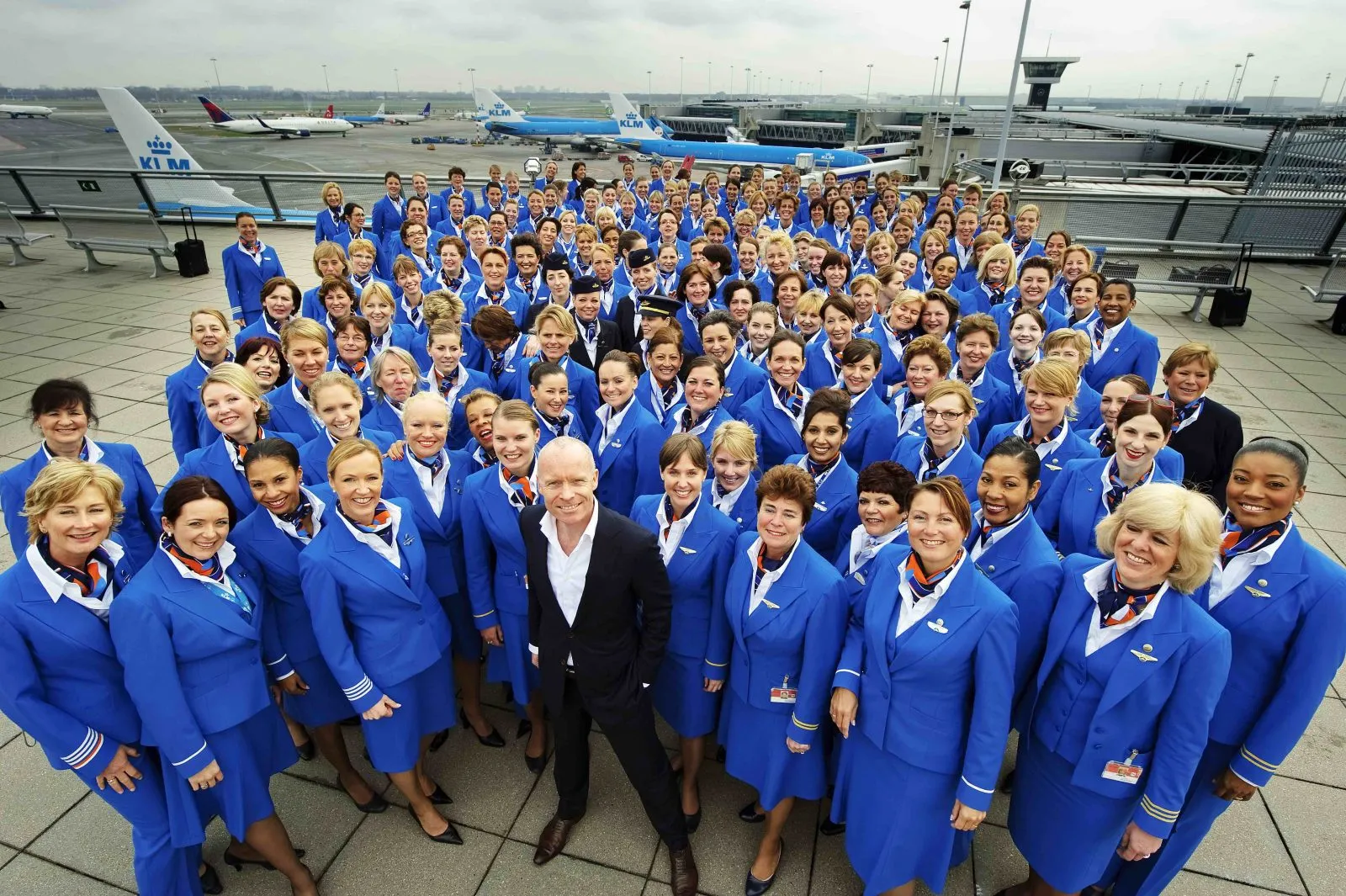
The agreement extends beyond pay and includes revised arrangements on work schedules, allowances, and long-term employability. The 80-90-100 scheme, which allows older employees to work fewer hours while retaining pension accrual, will continue under the new framework.
A temporary early retirement arrangement has also been approved, giving eligible cabin crew a structured exit option.
KLM has further agreed to a return policy for employees who move into ground roles, allowing them to rejoin cabin service under defined conditions.

https://commons.wikimedia.org/wiki/File:KLM_Boeing_787-10_PH-BKK_IAD_VA1.jpg
Labor Context Impact
The cabin crew agreement mirrors a framework reached earlier with KLM’s ground staff after mediation involving a former government minister. That earlier settlement followed three strikes at Schiphol Airport and several court proceedings that led to hundreds of canceled flights.
Union leaders described the outcome as restrained but realistic given KLM’s ongoing cost-cutting program.
Management said it was satisfied to secure agreements with all cabin crew unions, emphasizing the need for stability as the airline balances labor peace with financial discipline.
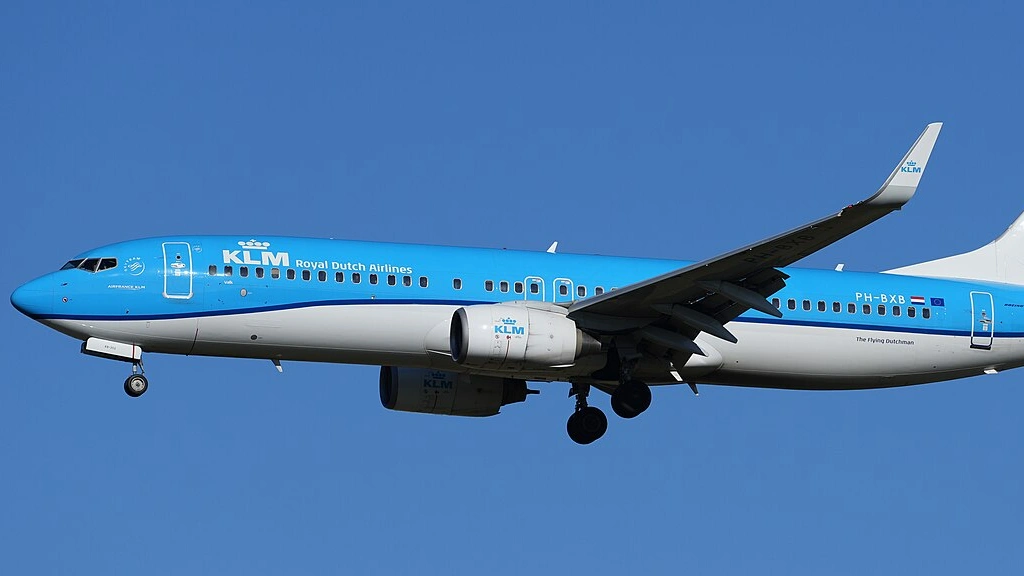
https://commons.wikimedia.org/wiki/File:Berlin_Brandenburg_Airport_KLM_Royal_Dutch_Airlines_Boeing_737-8K2(WL)_PH-BXB_(DSC07657).jpg
Operational Stability Benefits
The agreement reduces the risk of near-term flight disruptions at Amsterdam Schiphol Airport by restoring labor certainty.
KLM gains improved schedule reliability as cabin crew staffing levels stabilize under clearer work rules.
For passengers, the deal lowers the likelihood of strike-related cancellations during peak travel periods. For the airline, it supports network planning while management continues broader cost-control and productivity initiatives.
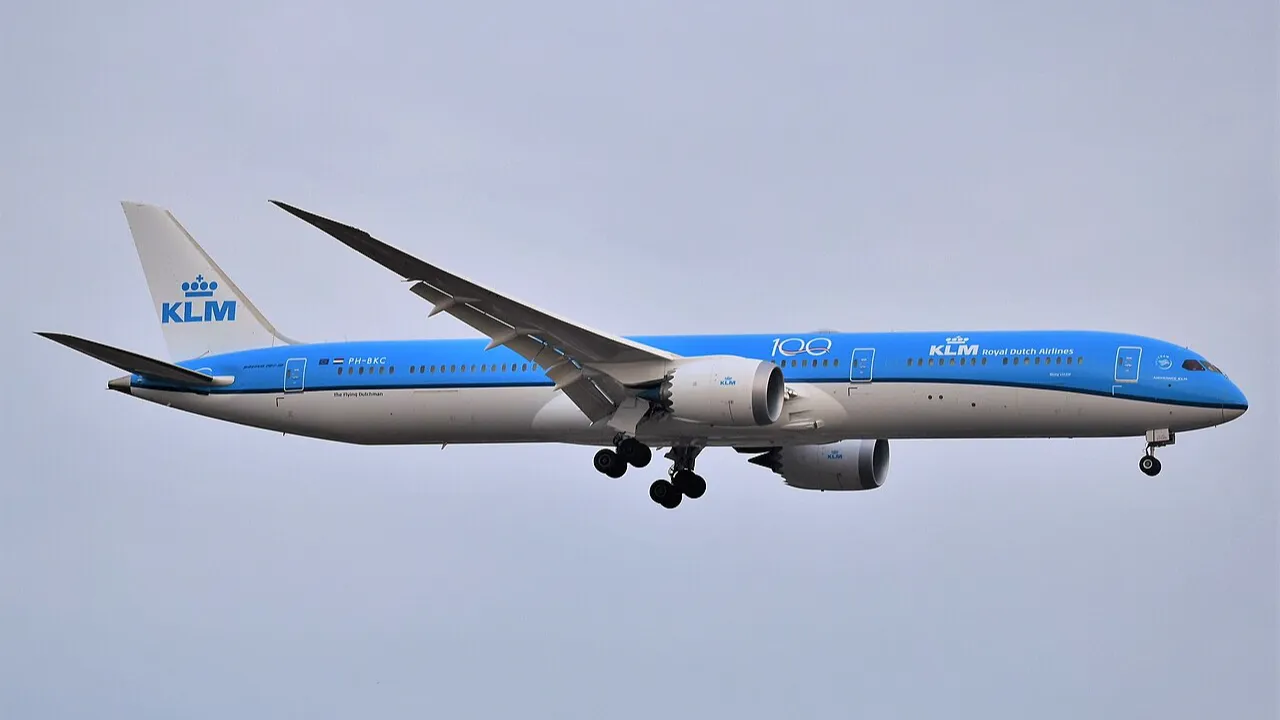
https://commons.wikimedia.org/wiki/File:KLM_Royal_Dutch_Airlines_Boeing_787-10_Dreamliner_PH-BKC_approaching_JFK_Airport.jpg
Bottom Line
KLM’s two-year labor deal brings operational certainty after a prolonged period of disruption and negotiation.
While the financial gains for cabin crew remain modest, the agreement stabilizes staffing, aligns with earlier ground staff settlements, and supports continuity at Amsterdam’s primary aviation hub.
Stay tuned with us. Further, follow us on social media for the latest updates.
Join us on Telegram Group for the Latest Aviation Updates. Subsequently, follow us on Google News
