

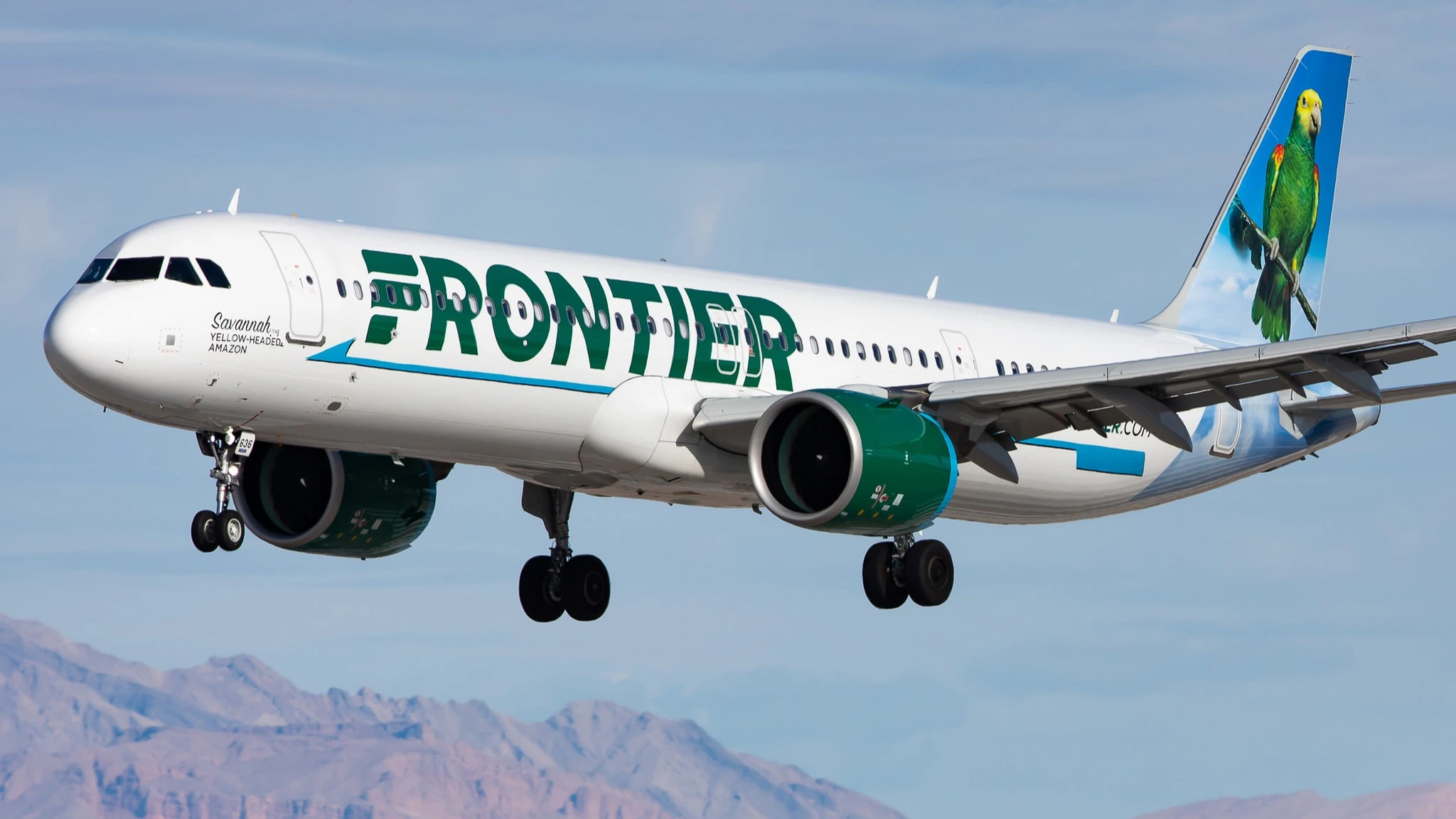
DENVER- Frontier Airlines (F9) has moved to strictly enforce sick leave rules for flight attendants as flu and respiratory illnesses surge across the United States.
The airline now requires medical documentation for all sick calls, citing operational disruption and alleged misuse of sick leave protections.
The policy affects crews operating nationwide, including at Denver International Airport (DEN), where Frontier Airlines is headquartered and maintains a major operational base.
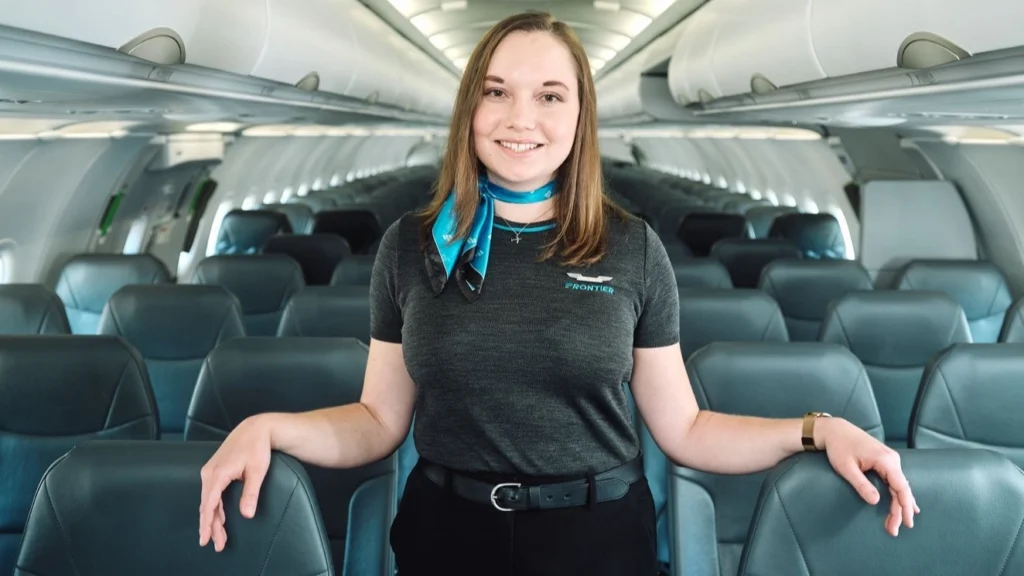
Frontier Airlines Targets Rising Sick Calls
Frontier Airlines sent a blunt internal email to flight attendants just before New Year’s Eve 2025, warning that the airline views the recent spike in sick calls as unacceptable.
The message stated that although illness and legitimate emergencies occur, the “frequency and timing of sick calls have reached a point” where employees “are no longer using sick leave protections as intended” and that “drastic action is now necessary.”
The airline emphasized that reliability is a fundamental expectation of the role. According to the email, when absenteeism increases, “aircraft don’t take off, schedules collapse, and trust, both internally and externally, is eroded.”
Reported by PYOK, the communication made clear that Frontier believes attendance abuse is contributing to operational instability.
Effective December 30, 2025, Frontier Airlines began requiring flight attendants to provide a doctor’s note for any sick-related absence. The airline stated that it is enforcing the policy “without exception.”
If an employee fails to submit official medical documentation, the company will record the absence as unexcused, which may lead to formal disciplinary proceedings.
Frontier said the measure aims to protect operational integrity and ensure fairness for crew members who consistently meet attendance expectations.
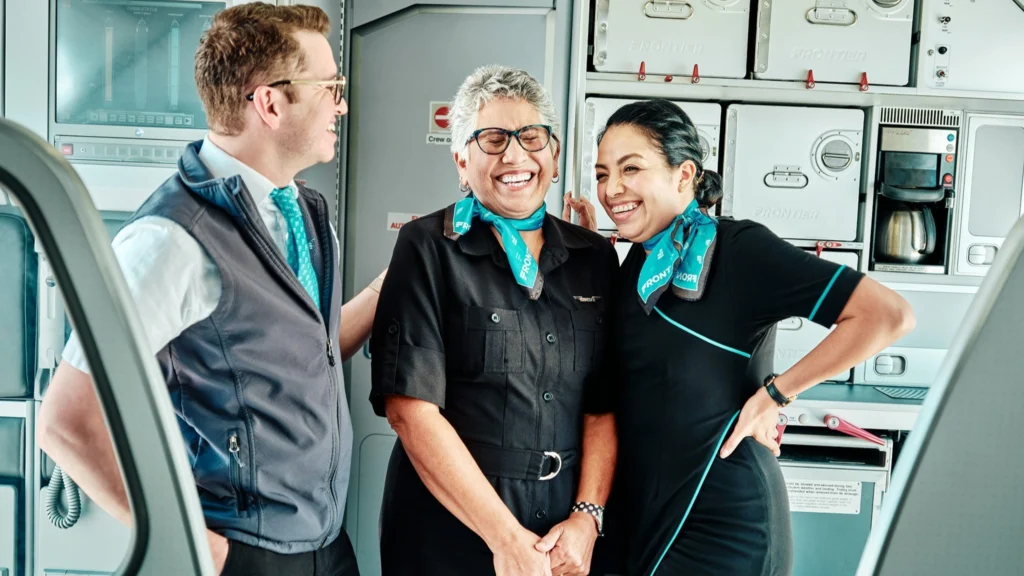
Union Acknowledges Contractual Authority
The Association of Flight Attendants (AFA-CWA), which represents Frontier’s cabin crew, criticized the tone of the airline’s message but confirmed that the policy is permitted under the existing contract.
Under the agreement, Frontier can designate periods that require all flight attendants to present a doctor’s note for sick calls, provided the company gives advance notice.
The contract cites examples such as the Christmas holiday period or Super Bowl weekend, when sick leave misuse may increase, but does not restrict the airline from declaring other periods if it deems necessary.
In a memo to members, the union urged crews to prioritize health, stating that “while attendance expectations exist, no one should feel pressured to fly while sick,” noting that doing so puts crew members and passengers at risk.
Flight attendants routinely work duty days that can exceed 12 hours, operate multiple flight segments, and remain in close contact with the public.
Early morning departures, late-night arrivals, fatigue, and overnight hotel stays are standard parts of the role.
These conditions, combined with constant exposure to travelers, help explain why sickness rates among flight attendants are often higher than those of office-based employees, even as airlines scrutinize attendance patterns more closely.
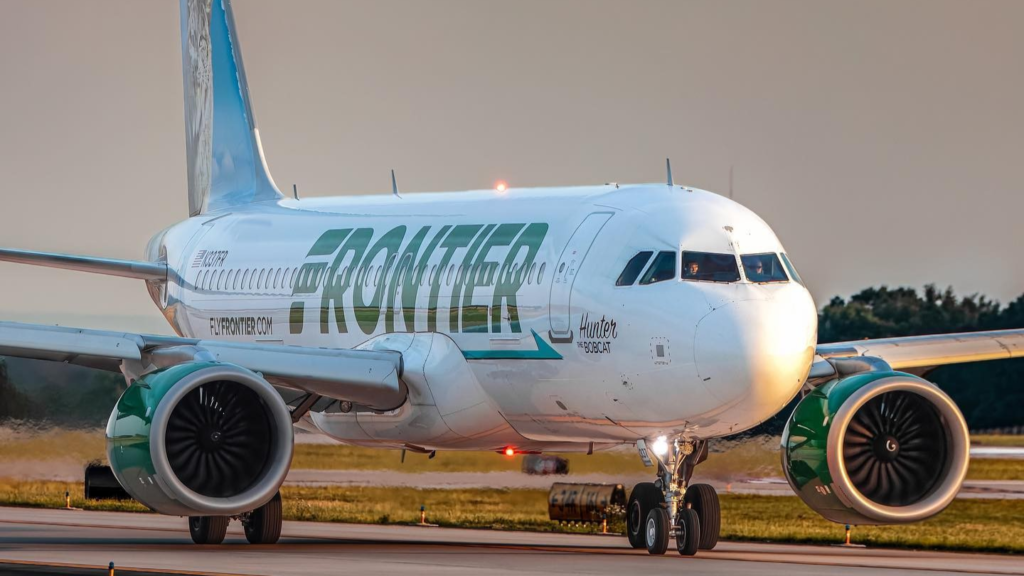
Severe Flu Season Adds Pressure
The attendance crackdown coincides with a worsening flu season. The Centers for Disease Control and Prevention estimates that, as of December 20, approximately 7.5 million flu illnesses have occurred in the United States this season, resulting in 81,000 hospitalizations and 3,100 deaths.
In its weekly influenza report, the CDC warned that flu activity is “elevated and continues to increase across the country,” following similarly severe seasons earlier this year in Australia and New Zealand.
United Airlines Set Industry Precedent
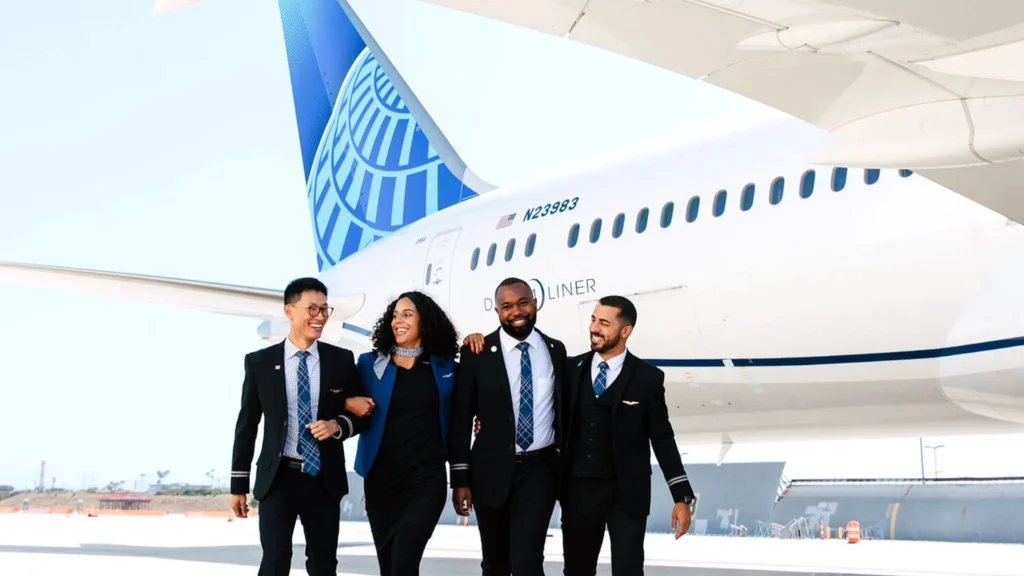
Frontier’s policy mirrors actions taken by United Airlines (UA) in July 2024. United required flight attendants to obtain absence certificates, at their own expense, for sick calls tied to trips departing on Fridays, Saturdays, or Sundays, after providing just 24 hours’ notice.
The AFA-CWA labeled United’s move “reprehensible” and legally challenged it, arguing that the requirements applied only to specific holidays.
Nearly a year later, an independent arbitrator ruled that United’s contract allowed the airline to demand medical certification when evidence showed abuse or misuse of sick leave.
United presented data showing weekend sick call rates had surged to 22 percent prior to the policy.
The airline later suspended the requirement weeks after implementation, stating it had successfully reduced absenteeism to acceptable levels.
Stay tuned with us. Further, follow us on social media for the latest updates.
Join us on Telegram Group for the Latest Aviation Updates. Subsequently, follow us on Google News
