

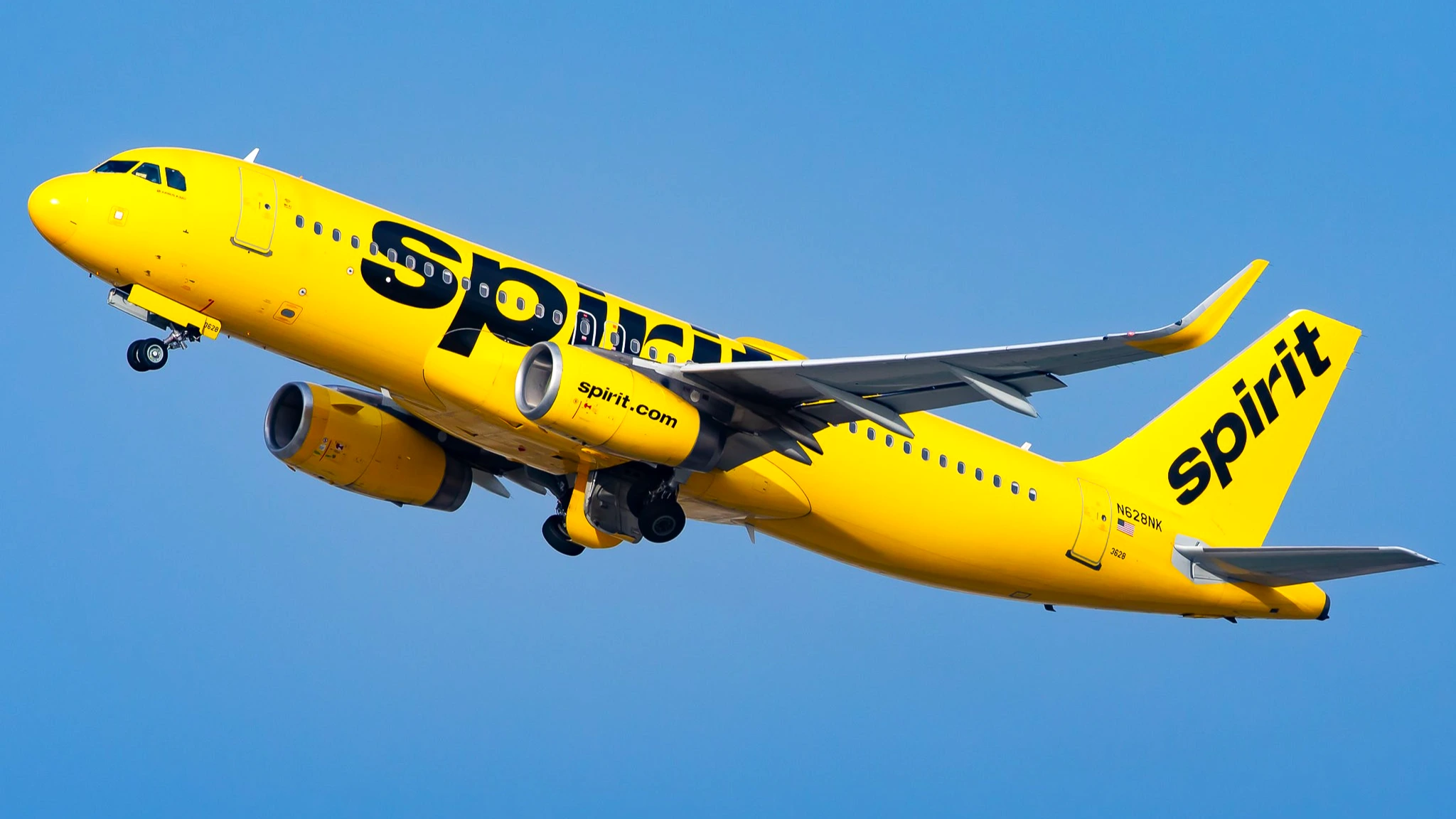
FLORIDA- United States carriers entered 2026 facing mixed operational conditions, but Spirit Airlines (NK) has emerged as a clear outlier in reliability performance. The ultra-low-cost carrier has recorded a sharp rise in cancellations and delays during the first days of the year, raising concerns among passengers and industry observers.
Spirit’s operational disruption has unfolded across multiple domestic hubs, including Fort Lauderdale–Hollywood International Airport (FLL) and Orlando International Airport (MCO). The issues come as the airline continues to operate under Chapter 11 bankruptcy protection, adding financial pressure to an already fragile operating environment.

Spirit Airlines Canceling Flights
Flight tracking data from early January shows Spirit canceling and delaying a significantly higher share of flights than any other major U.S. airline.
On January 1, 2025, the airline canceled 11 percent of scheduled flights and delayed 38 percent, marking a difficult start to the year.
The following day, cancellations increased to 14 percent, while delays affected roughly one-third of all departures.
Early data from January 3 showed continued instability, with cancellations nearing 10 percent before the day’s full schedule had operated.
While the airline has reduced its network size over the past year, it has struggled to maintain reliability even on this scaled-back schedule.
The lack of timely public explanations has also drawn criticism, as affected passengers reported limited advance notice and rebooking challenges.
Crew Availability Issues
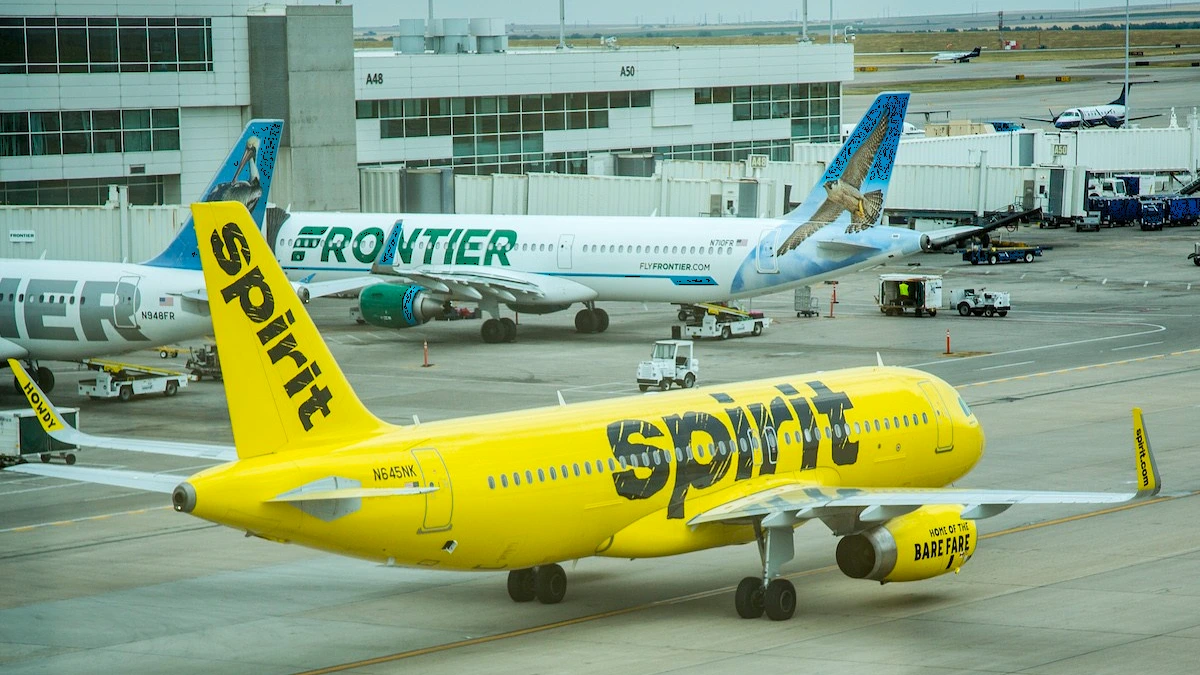
Spirit later acknowledged internally that crew availability was the primary driver behind the disruptions. The airline moved to an elevated irregular operations status after reporting record levels of employee sick calls, which significantly reduced available staffing.
According to company leadership, sick calls during the holiday period exceeded prior years by as much as 250 percent on certain days.
These absences compounded existing staffing challenges caused by depleted reserve pools and higher-than-expected employee attrition.
Although Spirit had previously planned pilot furloughs in early 2026, those cuts were reversed as voluntary departures accelerated.
The combination of illness-related absences and workforce losses left the airline short of crews, forcing widespread cancellations across the network.
Bankruptcy Impact
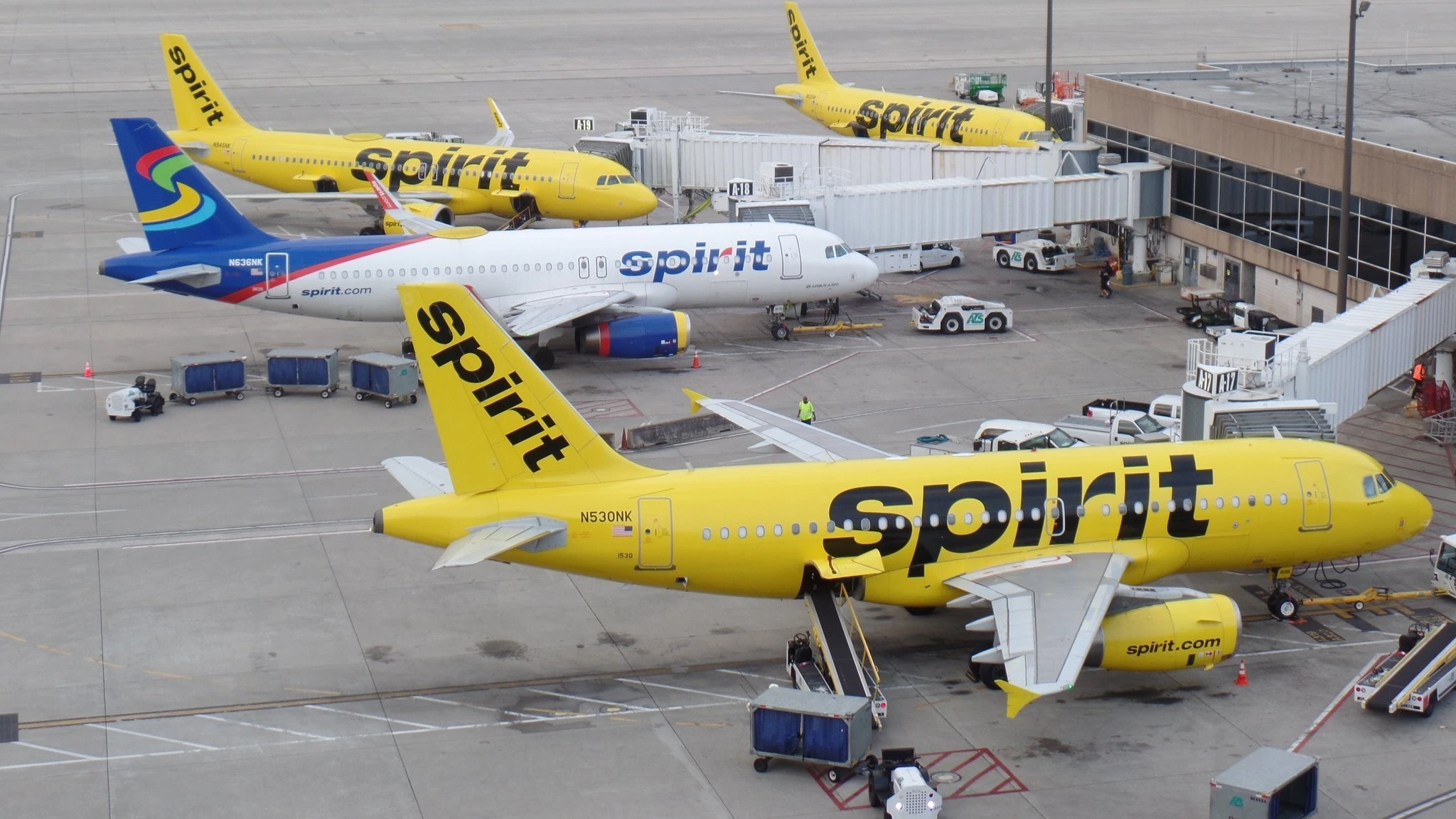
Spirit Airlines’ ongoing Chapter 11 restructuring has placed additional strain on its operational resilience.
Cost controls, reduced hiring, and network downsizing have limited the airline’s ability to absorb disruptions when staffing levels fall unexpectedly.
The restructuring process has also affected employee morale and long-term staffing stability.
While the airline continues flying a reduced schedule, its operational buffer has narrowed, making it more vulnerable to irregular operations during periods of high sick leave or workforce turnover.
Bottom Line
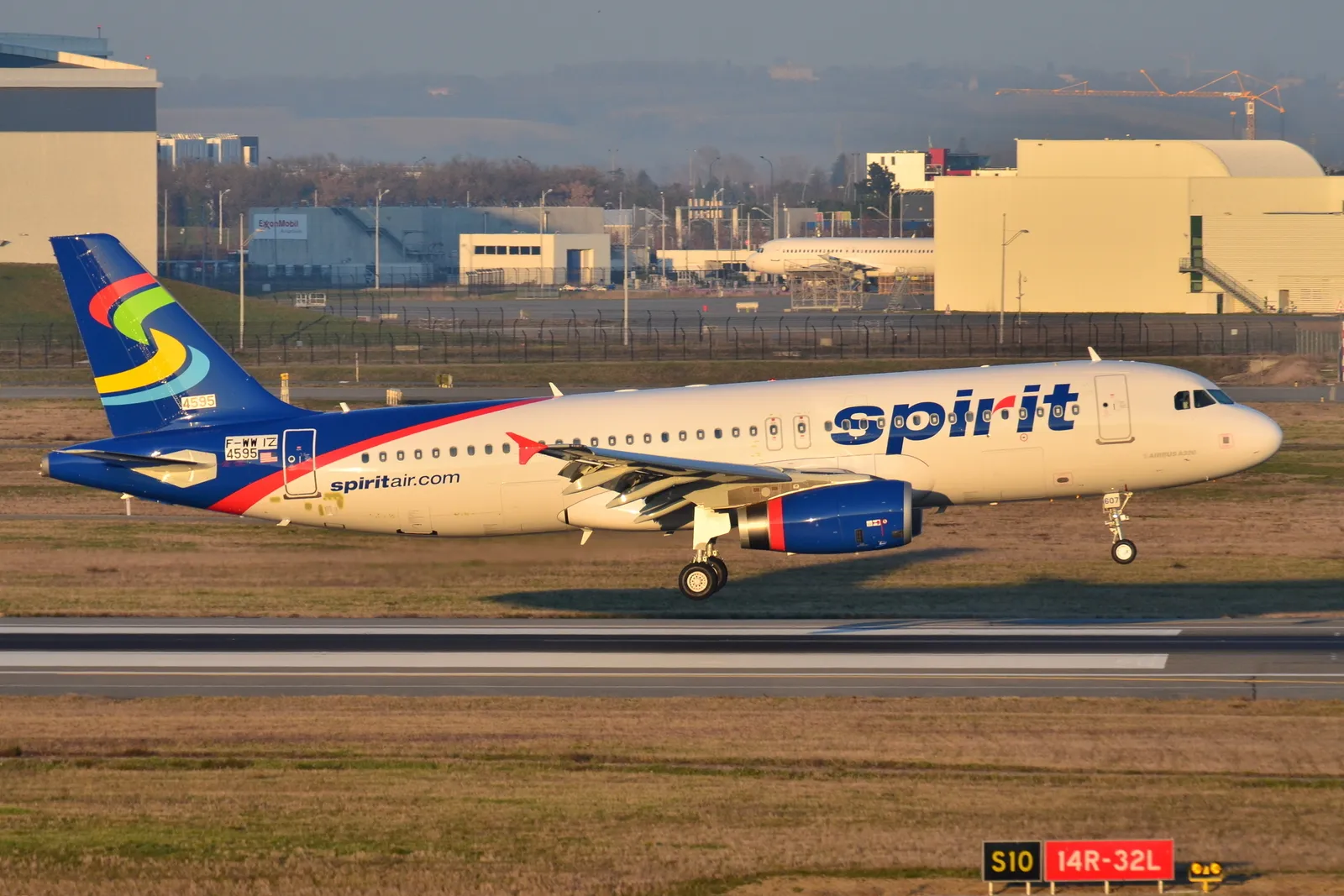
Spirit Airlines’ early-2026 operational struggles highlight the risks of running a lean schedule during a period of financial restructuring.
With more than 10 percent of flights canceled on multiple days and nearly half experiencing disruptions, the airline faces mounting pressure to stabilize operations quickly.
Stay tuned with us. Further, follow us on social media for the latest updates.
Join us on Telegram Group for the Latest Aviation Updates. Subsequently, follow us on Google News
