

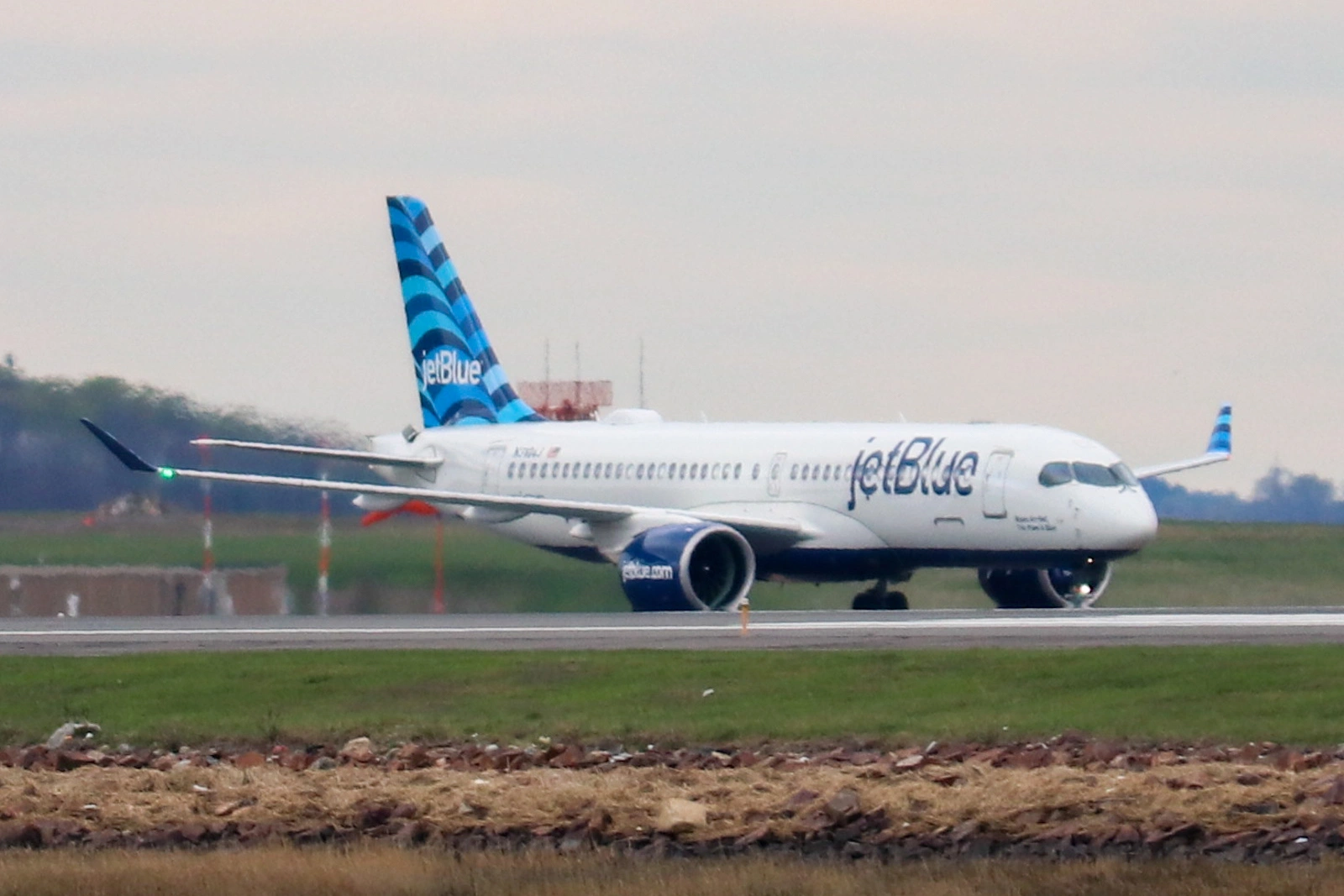
WASHINGTON- The Federal Aviation Administration (FAA) bans all US airlines from the Maiquetía Flight Information Region (SVZM) after US forces struck Caracas (CCS) and captured President Nicolás Maduro, as declared by President Donald Trump.
This emergency action shields commercial flights from military risks across Venezuela’s 1,204,815 square kilometers of airspace and territorial waters.
JetBlue Airways (B6) and other US carriers, which had voluntarily halted operations there since November 2025, now face a mandatory prohibition.
Foreign airlines like Iberia (IB) and Avianca (AV) grounded Caracas (CCS) services earlier, prompting threats from the Maduro regime.
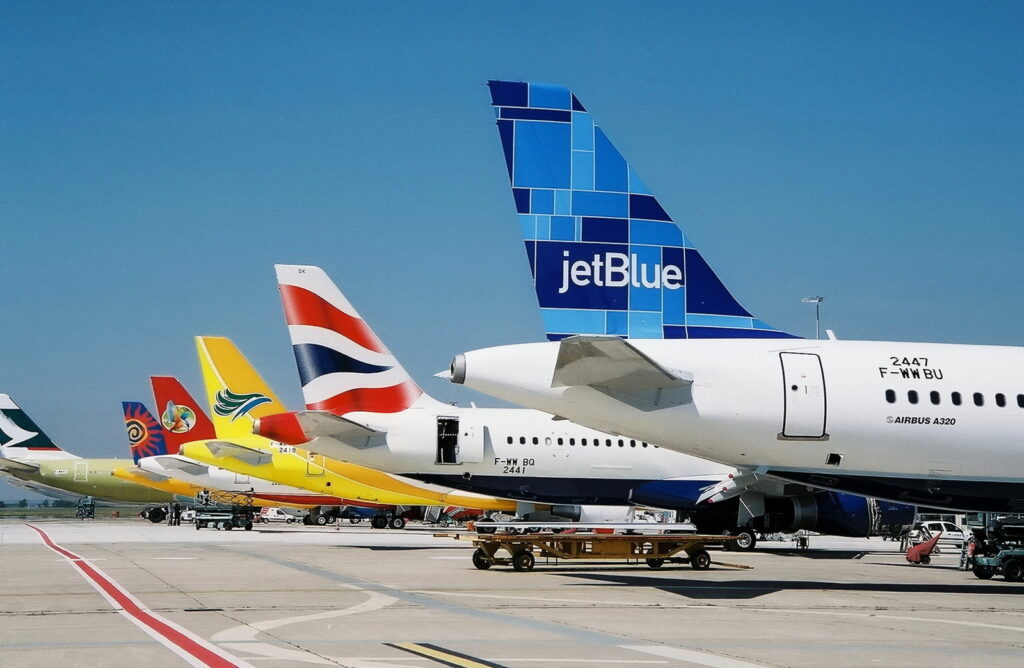
FAA Bans US Airlines Over Venezuela Airspace
Despite a buildup of US military assets in the Caribbean and threats by President Trump against the Maduro regime, airlines received only advisories until the overnight strikes.
Early on January 3, 2026, US forces targeted Caracas (CCS), leading Trump to announce Maduro and his wife’s capture.
According to PYOK, the operation focused on regime strongholds with minimal civilian exposure.
The FAA issued an emergency Notice to Air Missions (NOTAM) at 6:00 AM UTC (1:00 AM EST), prohibiting operations at all altitudes.
The full NOTAM states:
“SECURITY…UNITED STATES OF AMERICA PROHIBITION FOR POTENTIALLY HAZARDOUS SITUATION IN THE MAIQUETIA FLIGHT INFORMATION REGION (SVZM). THOSE PERSONS DESCRIBED IN PARAGRAPH A (APPLICABILITY) BELOW ARE PROHIBITED FROM OPERATING AT ALL ALTITUDES IN THE MAIQUETIA FLIGHT INFORMATION REGION, DUE TO SAFETY-OF-FLIGHT RISKS ASSOCIATED WITH ONGOING MILITARY ACTIVITY. A. APPLICABILITY. THIS NOTAM APPLIES TO: ALL U.S. AIR CARRIERS AND COMMERCIAL OPERATORS; ALL PERSONS EXERCISING THE PRIVILEGES OF AN AIRMAN CERTIFICATE ISSUED BY THE FAA, EXCEPT SUCH PERSONS OPERATING U.S.-REGISTERED AIRCRAFT FOR A FOREIGN AIR CARRIER; AND ALL OPERATORS OF CIVIL AIRCRAFT REGISTERED IN THE UNITED STATES, EXCEPT WHEN THE OPERATOR OF SUCH AIRCRAFT IS A FOREIGN AIR CARRIER. THIS NOTAM DOES NOT APPLY TO U.S. MILITARY AND STATE AIRCRAFT.”
The ban ends at midnight EST on January 4, 2026, unless extended.
In mid-November 2025, the FAA advised avoidance, but all U.S. carriers had already stopped voluntarily.
Just over a week later, Trump posted on Truth Social: “To all Airlines, Pilots, Drug Dealers, and Human Traffickers, please consider THE AIRSPACE ABOVE AND SURROUNDING VENEZUELA TO BE CLOSED IN ITS ENTIRETY. Thank you for your attention to this matter! PRESIDENT DONALD J. TRUMP.”
Close Calls Expose Pre-Ban Dangers
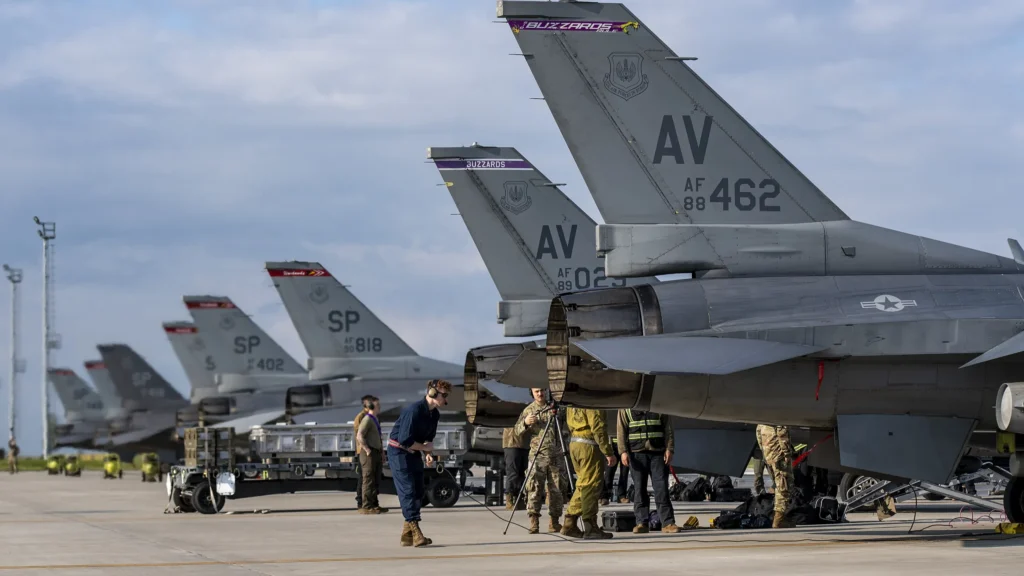
US Air Force refueling tankers, flying transponder-off and invisible to radar, caused 2 near-collisions with passenger planes near Venezuelan airspace. These incidents highlighted risks from the military buildup.
On December 12, 2025, pilots on a packed JetBlue (B6) Airbus A320 from Curaçao (CUR) to New York (JFK) spotted the tanker above them during initial ascent to cruising altitude. They halted the climb to avoid collision.
A day later, on December 13, 2025, a private jet from Aruba (AUA) to Miami (MIA) encountered another tanker at 26,000 feet.
Pilots reported to air traffic control, in audio first obtained by CNN through the LiveATC service: “They were really close.” They identified it as: “It was big, maybe a [Boeing] 777 or a 767.” Crew stopped their climb to evade the threat.
International Airlines Halt Caracas Operations
The November 2025 FAA advisory led a slew of foreign carriers to ground flights to Caracas (CCS).
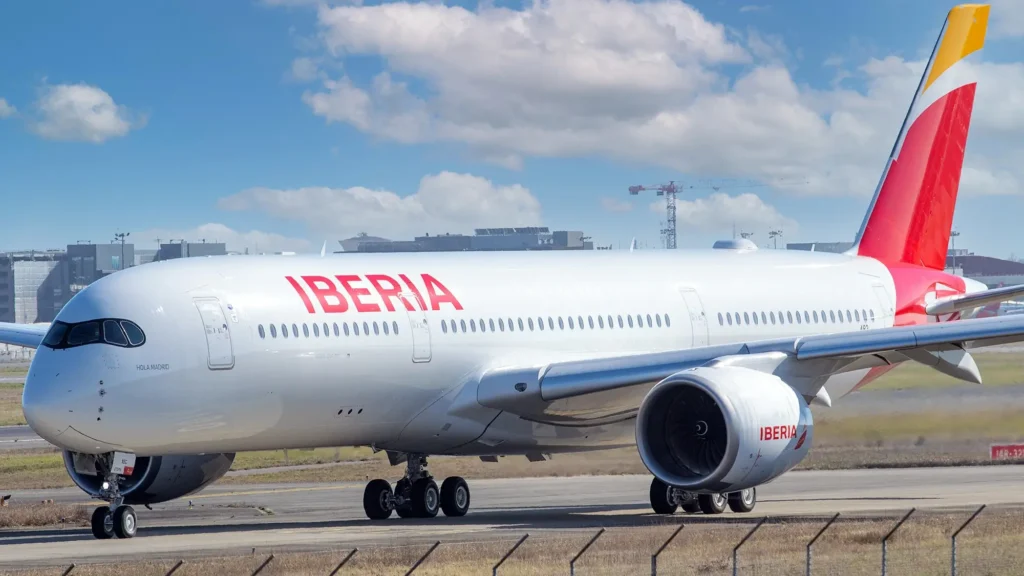
A bunch of Spanish airlines, such as Iberia (IB), PlusUltra (PU), and Air Europa (UX), suspended service, along with TAP Air Portugal (TP), Brazilian carrier GOL Linhas Aéreas (G3), Avianca (AV), and Turkish Airlines (TK).
The Maduro regime threatened to revoke their flying licenses unless they resumed flights within 48 hours.
Airlines ignored the demand, and suspensions continue from mid-November 2025. Reroutes now funnel through hubs like Bogotá (BOG) or Panama City (PTY), averting exposure to regime-linked anti-aircraft systems.
Broader Effects on Aviation Networks
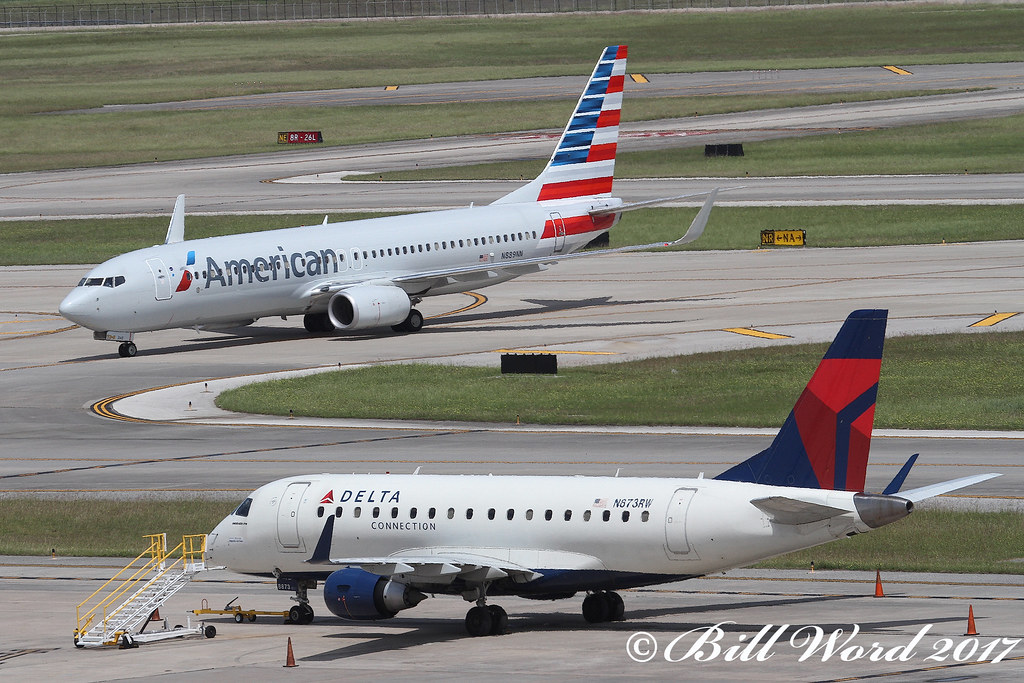
The prohibition adds 15-20% to fuel costs for US carriers like American Airlines (AA) and Delta Air Lines (DL), extending Latin American routes by hours.
Cargo and passenger volumes drop 30% in the southern Caribbean, though Curaçao (CUR) and Aruba (AUA) gain minor stopover traffic.
Experts forecast prolonged closure during a post-Maduro transition under U.S. influence, urging travelers to check FAA alerts for South American itineraries.
Stay tuned with us. Further, follow us on social media for the latest updates.
Join us on Telegram Group for the Latest Aviation Updates. Subsequently, follow us on Google News
