

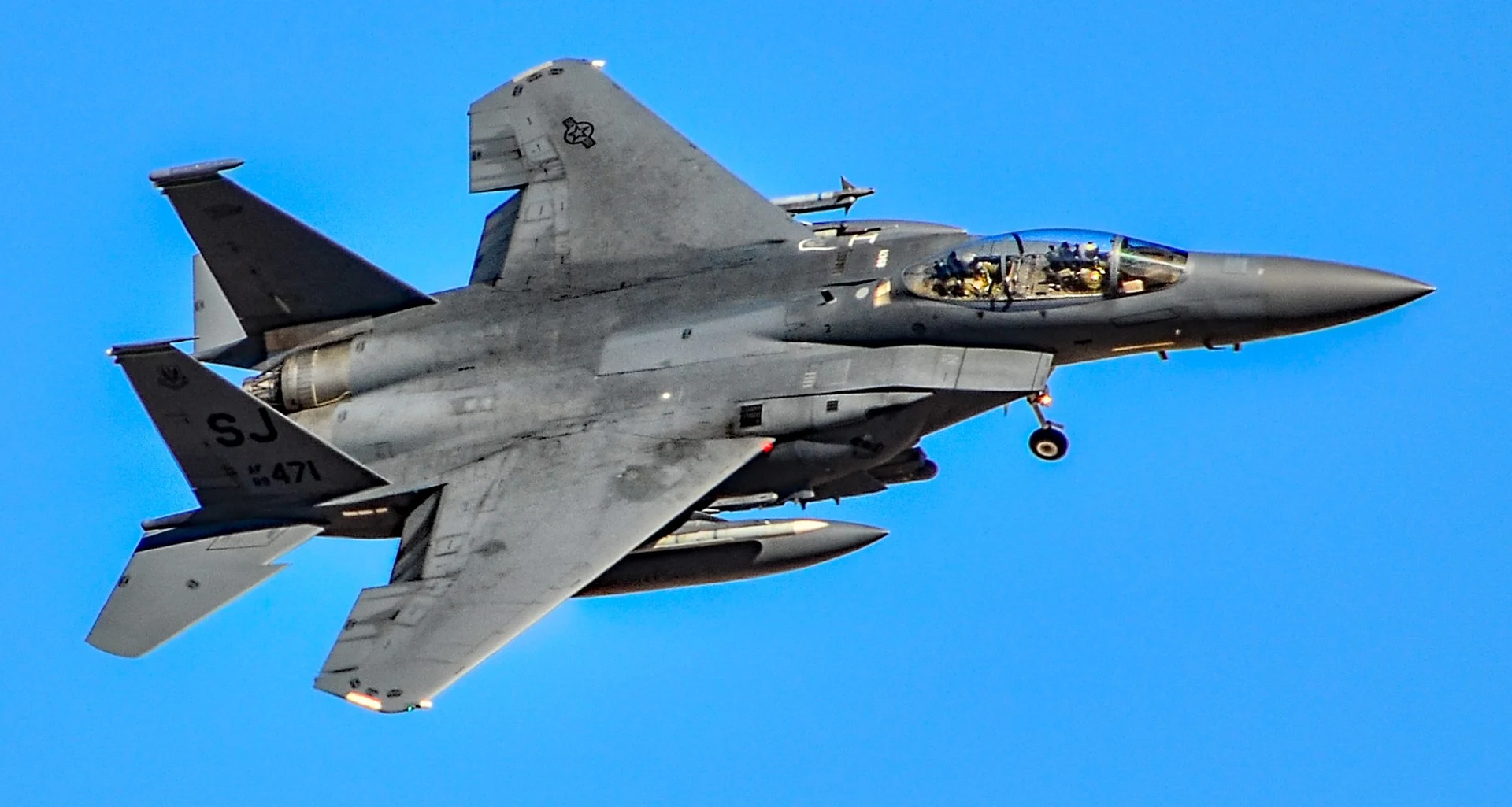
ARLINGTON- The United States has approved the Foreign Military Sales deal, clearing Israel to receive up to 50 Boeing F-15IA fighter jets, with the program connected to operations out of Tel Aviv Ben Gurion Airport (TLV) and aviation stakeholders, including El Al Israel Airlines (LY).
The initial batch will see 25 aircraft delivered to the Israeli Air Force, with production and testing work based near St. Louis Lambert International Airport (STL), under a total agreement value of $8.6 billion.
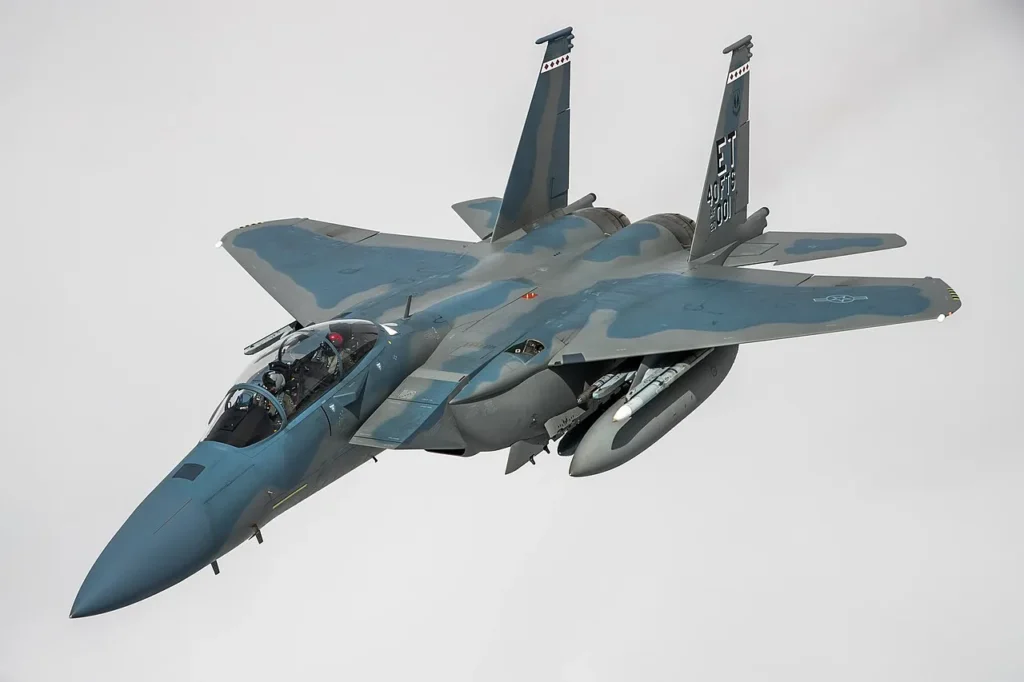
US Boeing $8.6 Billion Deal
The United States Department of Defense confirmed that the approval allows the US Air Force and Boeing to move ahead with design, integration, testing, and delivery of 25 new F-15IA aircraft.
Israel also holds options for an additional 25 units. Deliveries are planned to begin in 2031 and continue through the end of 2035, with $840 million already obligated under the contract.
The F-15IA is an Israel-specific version of Boeing’s latest F-15EX platform. The type is powered by twin GE Aerospace F110 turbofans producing a combined 81,000lb of thrust.
Capabilities include Mach 2.5 speeds, a service ceiling near 50,000ft, and a payload capacity of approximately 13,381kg. The aircraft features fly-by-wire controls and advanced ground attack systems.
Israel’s Ministry of Defense previously highlighted that the variant will integrate Israeli weapon systems and avionics. The enhancements are designed to extend range, increase payload flexibility, and support varied operational missions.
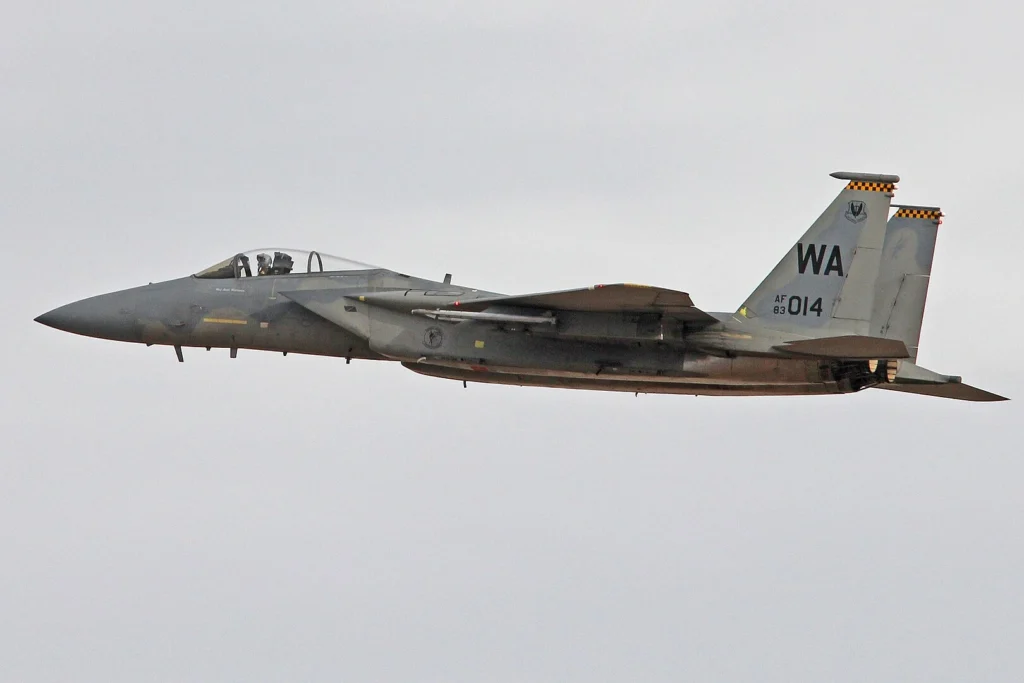
Current Israeli Combat Fleet
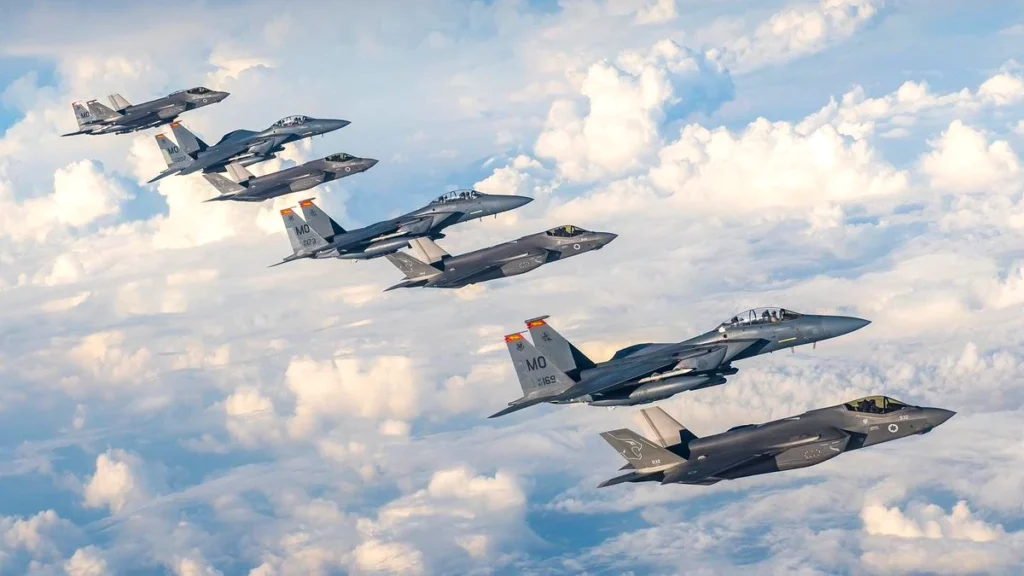
Israel currently operates 66 F-15s across several generations, alongside 174 Lockheed Martin F-16s and 38 F-35s. The new aircraft will expand and modernise long-range strike capability while supporting multi-role operations.
Israel’s F-15I models already represent a bespoke adaptation of the F-15E Strike Eagle platform, and the F-15IA continues this approach.
Boeing will build the aircraft at its facilities near St. Louis. The F-15 programme remains one of the longest-running tactical fighter production lines, with ongoing upgrades supporting international customers and future export programmes.
The Foreign Military Sales approval finalises the US government review process and enables full programme mobilisation.
The deal reflects strategic defence ties between Washington and Tel Aviv and secures a long-term production schedule extending into the mid-2030s.

F-15: Unbeatable Fighter Jet in the World
The F-15 Eagle serves with the United States Air Force as a frontline tactical fighter designed for air superiority. It operates worldwide from key bases, including Elmendorf Air Force Base, Anchorage.
The aircraft delivers all-weather performance, high maneuverability, and advanced avionics to gain and maintain control of contested airspace. Its design supports both long-range engagements and close-in combat.
Advanced Fighter Built for Air Dominance
The F-15 Eagle is engineered to outperform adversary aircraft across speed, climb rate, range, and weapons delivery. A high thrust-to-weight ratio and low wing loading allow tight maneuvering without major speed loss, supporting decisive performance in air-to-air missions.
The aircraft’s design enables single-pilot operation through integrated flight and weapons controls placed on the throttle and stick, reducing pilot workload in combat.
A comprehensive avionics suite provides navigation, targeting, communication, and threat detection capabilities. The head-up display projects essential flight and targeting data onto the windscreen so the pilot can maintain visual focus outside the cockpit.
Pulse-Doppler radar offers look-up and look-down capability, detecting targets at long range while filtering ground clutter. Electronic warfare systems supply threat warning and automatic countermeasures.
Weapons and Combat Capability
The F-15 carries a mix of medium and short-range air-to-air missiles supported by an internal 20 mm cannon. Automated weapon cueing displays visual prompts on the head-up display as the pilot selects different weapons, improving engagement speed and accuracy.
The aircraft can mount AIM-120 AMRAAM and AIM-9 Sidewinder missiles on fuselage and wing stations.
Multi-Role Variant
The F-15E Strike Eagle expands the platform into a dual-seat, multi-role fighter capable of deep interdiction missions.
Its avionics include advanced radar, night targeting pods, and automated terrain-following flight controls. This configuration supports precision strike at night and in adverse weather.
Operational Service History
The F-15 entered service in the mid-1970s and has participated in multiple conflicts, including Operation Desert Storm, where F-15C aircraft recorded the majority of U.S. Air Force air-to-air victories. The type has continued service in later operations across the Middle East, Europe, and Asia.
Key Specifications
Primary function: Tactical fighter
Powerplant: Two Pratt & Whitney F100 turbofan engines
Maximum speed: Mach 2 class
Ceiling: 65,000 feet
Crew: One (F-15C), Two (F-15E)
Armament: 20 mm cannon and up to eight air-to-air missiles
Development Background
The first F-15A flew in 1972, followed by subsequent F-15B, C, D, and E variants. Continuous upgrades added improved radar, computers, electronic warfare equipment, and fuel capacity. The aircraft remains a core element of U.S. air defense capability.
Stay tuned with us. Further, follow us on social media for the latest updates.
Join us on Telegram Group for the Latest Aviation Updates. Subsequently, follow us on Google News
