


In an increasingly globalized world, citizenship is no longer just a matter of birthplace. For many people, a second passport represents freedom of movement, financial security, political stability, or simply the opportunity for a fresh start. As governments compete for talent, investment, and diaspora engagement, several countries have introduced clear and relatively accessible pathways to citizenship.
While no citizenship process is truly “easy,” some nations stand out for offering faster timelines, fewer residency requirements, or well-defined routes through investment or ancestry.
Below are six of the easiest countries to get citizenship (reported by How Stuff Works), depending on your personal circumstances, financial capacity, and long-term goals.

1. Dominica
Dominica is widely regarded as one of the most accessible countries in the world for acquiring citizenship through investment. Its Citizenship by Investment (CBI) program, established in 1993, is one of the oldest and most reputable of its kind.
Applicants can qualify by making a contribution to the government’s Economic Diversification Fund or by investing in approved real estate.
The process is streamlined, typically taking between three and six months from application to passport issuance. Importantly, there is no requirement to reside in Dominica before or after citizenship is granted.
Dominican citizenship provides visa-free or visa-on-arrival access to more than 140 countries, including the Schengen Area, the United Kingdom, and Singapore.
The country allows dual citizenship and does not impose taxes on worldwide income for non-residents, making it particularly attractive to entrepreneurs and globally mobile individuals.

2. Ireland
Ireland offers one of the most straightforward citizenship-by-descent programs in the world, making it an excellent option for individuals with Irish ancestry.
If at least one parent was born in Ireland, you are automatically entitled to Irish citizenship. Those with an Irish-born grandparent may also qualify, provided they register in the Foreign Births Register.
Unlike many naturalization routes, citizenship by descent does not require prior residence in Ireland, language testing, or cultural integration exams.
Once granted, Irish citizenship is permanent and transferable to future generations born abroad, provided proper registration requirements are met.
An Irish passport grants full European Union citizenship rights, including the ability to live, work, and study anywhere in the EU. Irish citizens also enjoy extensive visa-free travel worldwide and the freedom to hold multiple nationalities without restriction.

3. Turkey
Turkey has emerged as a popular destination for those seeking a fast and relatively uncomplicated citizenship-by-investment program.
The most common route involves purchasing real estate valued at a minimum threshold, with the requirement that the property be held for several years.
One of the biggest advantages of Turkey’s program is speed. Citizenship applications are often processed within six to eight months, significantly faster than most residency-based naturalization systems.
There is no obligation to live in Turkey, pass a language exam, or renounce existing citizenship.
While the Turkish passport does not yet offer the same level of visa-free access as EU passports, it provides entry to a growing list of countries and benefits from Turkey’s strategic geopolitical position.
The country continues to negotiate visa liberalization agreements, which may further enhance passport strength in the future.

4. Portugal
Portugal remains one of the most attractive European countries for foreigners seeking citizenship, particularly through its residency-by-investment framework.
Although often referred to as a “Golden Visa,” the program ultimately leads to permanent residency and citizenship rather than immediate nationality.
After five years of legal residence, applicants may apply for Portuguese citizenship, provided they meet minimum stay requirements and demonstrate basic proficiency in the Portuguese language.
Compared to other EU countries, Portugal’s residency obligations are notably light, requiring only limited physical presence each year.
Portuguese citizenship unlocks full EU rights, visa-free access across the Schengen Area, and the ability to live and work throughout Europe. Portugal allows dual citizenship and is known for its transparent legal system, political stability, and high quality of life.

5. Vanuatu
Vanuatu offers one of the fastest citizenship programs in the world. Through its Development Support Program, applicants can obtain citizenship in as little as one to two months, making it particularly appealing for those who need a second passport urgently.
The process involves a financial contribution to government-approved initiatives, with no residency requirement, language test, or interview. Once approved, citizenship is granted for life and can be passed on to descendants.
Vanuatu’s passport provides visa-free or visa-on-arrival access to over 100 countries, including several key business and travel hubs.
The country also maintains a favorable tax environment, with no income tax, capital gains tax, or inheritance tax on foreign-earned income.

6. Italy
Italy is one of the most generous countries in the world when it comes to citizenship by descent, though recent legal changes have narrowed eligibility.
Today, individuals with an Italian parent or grandparent may qualify, provided they can document an unbroken line of citizenship.
The application process is documentation-heavy and often time-consuming, but it does not require residency in Italy or language testing when applying through descent.
Once citizenship is recognized, it is retroactive, meaning applicants are considered Italian citizens from birth.
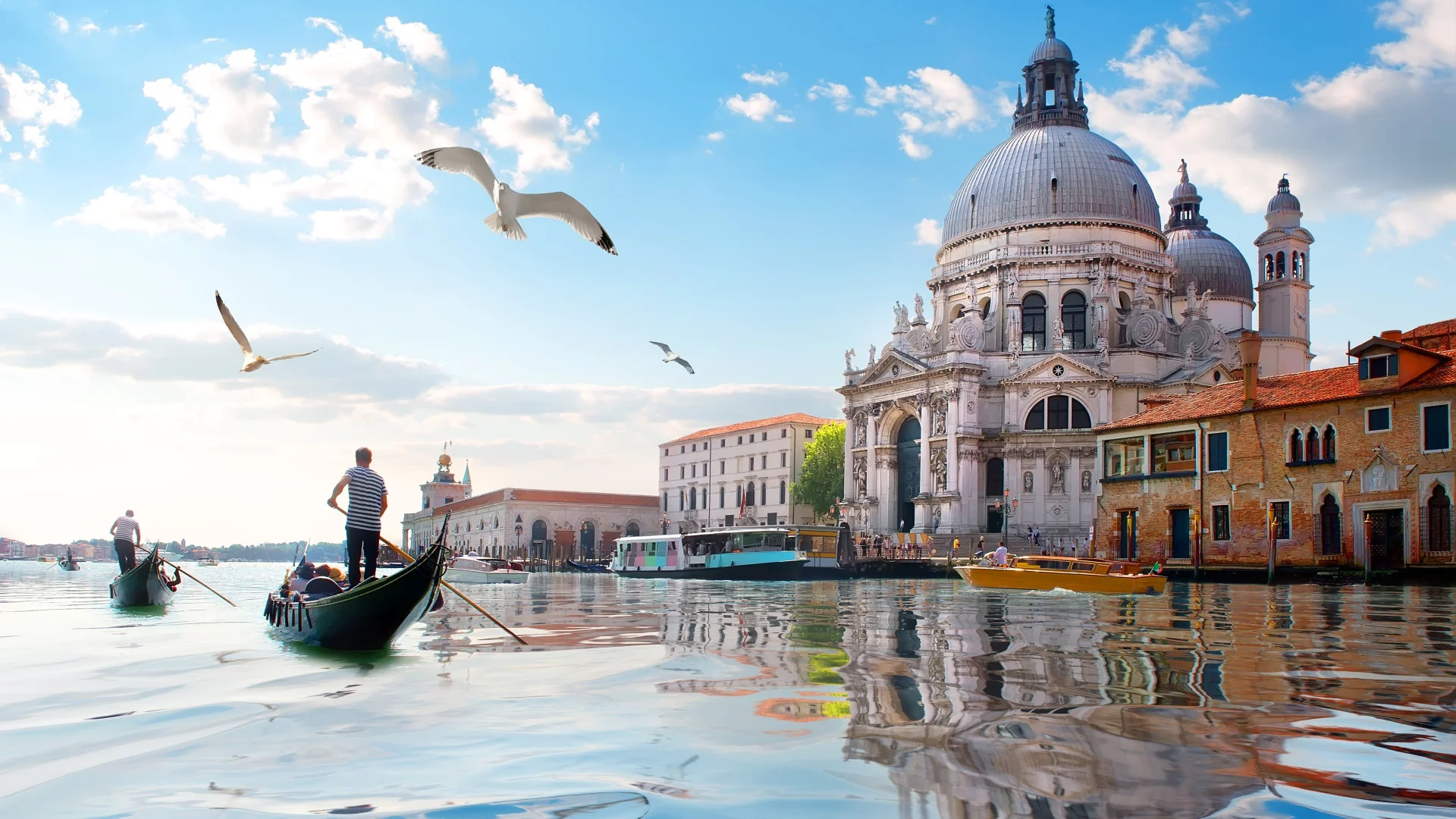
Italian citizenship provides full EU rights, extensive visa-free travel, and the ability to pass citizenship to children born abroad. Italy allows multiple citizenships, making it a strong option for those with eligible ancestry willing to navigate the bureaucratic process.
Bottom Line
The “easiest” country to get citizenship depends heavily on individual circumstances. Those with financial resources may find investment programs faster, while individuals with European ancestry may benefit from descent-based citizenship.
Factors such as processing time, cost, travel freedom, tax implications, and family inclusion should all be considered carefully.
Before pursuing any citizenship application, it is essential to verify eligibility requirements, understand long-term obligations, and consult qualified legal or immigration professionals when necessary.
Laws and policies can change, and thorough preparation can prevent costly delays or rejections.
Stay tuned with us. Further, follow us on social media for the latest updates.
Join us on Telegram Group for the Latest Aviation Updates. Subsequently, follow us on Google News
