

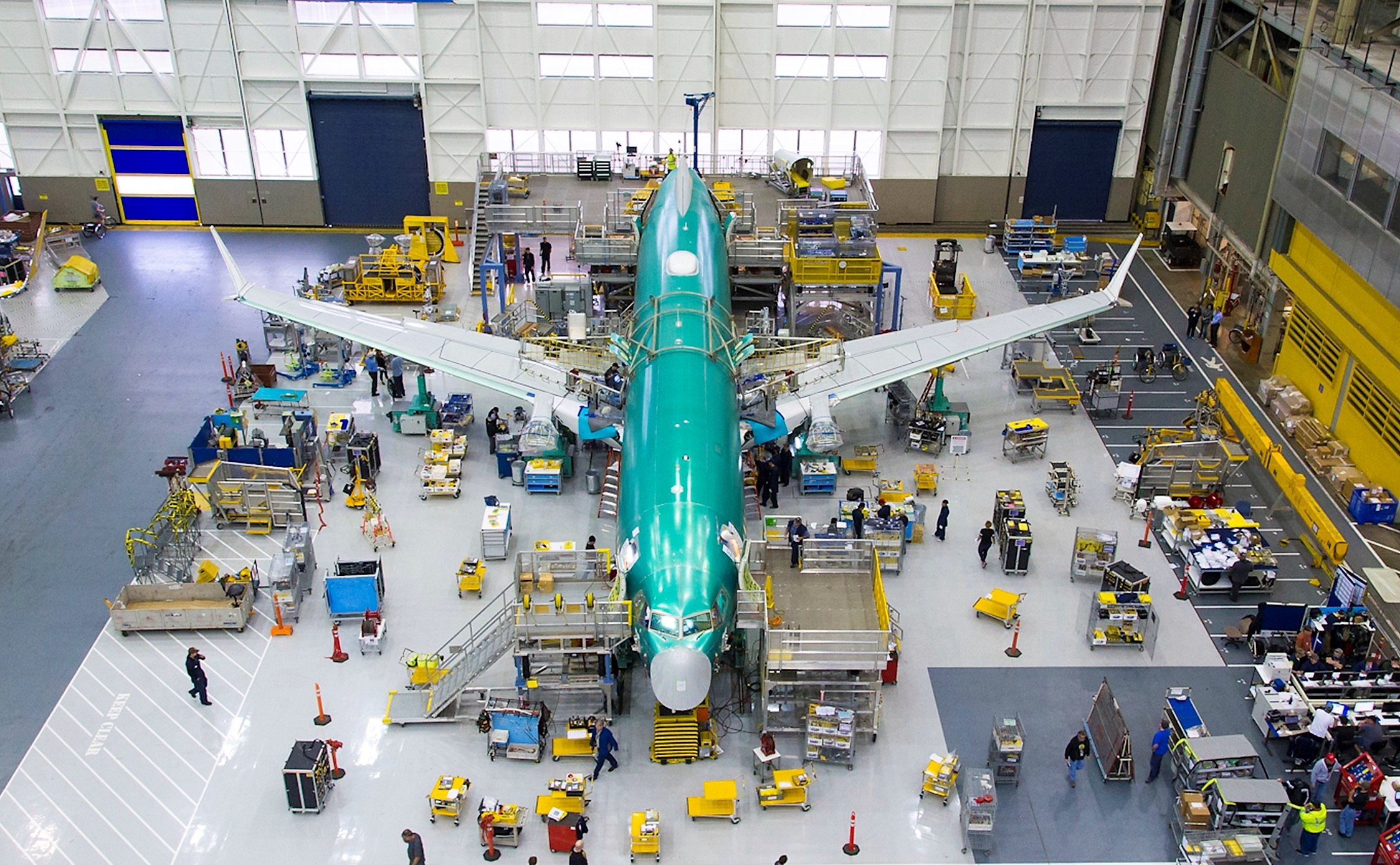
SEATTLE– Boeing shares fell nearly 10% on October 27 after the US aircraft manufacturer warned that it would miss its 2026 delivery target and take longer than expected to increase production of its best-selling 737 family. Chief Executive Officer Kelly Ortberg said the company now expects to reach a monthly production rate of 47 aircraft in early 2027, highlighting continuing manufacturing challenges.
The outlook also disappointed investors because Boeing expects free cash flow to grow more slowly than financial analysts had forecast. The company projected free cash flow of $3 billion in 2027 and $6 billion in 2028, compared with analysts’ expectations of approximately $5.6 billion and $9.6 billion, respectively.
Boeing 737 Production Delayed
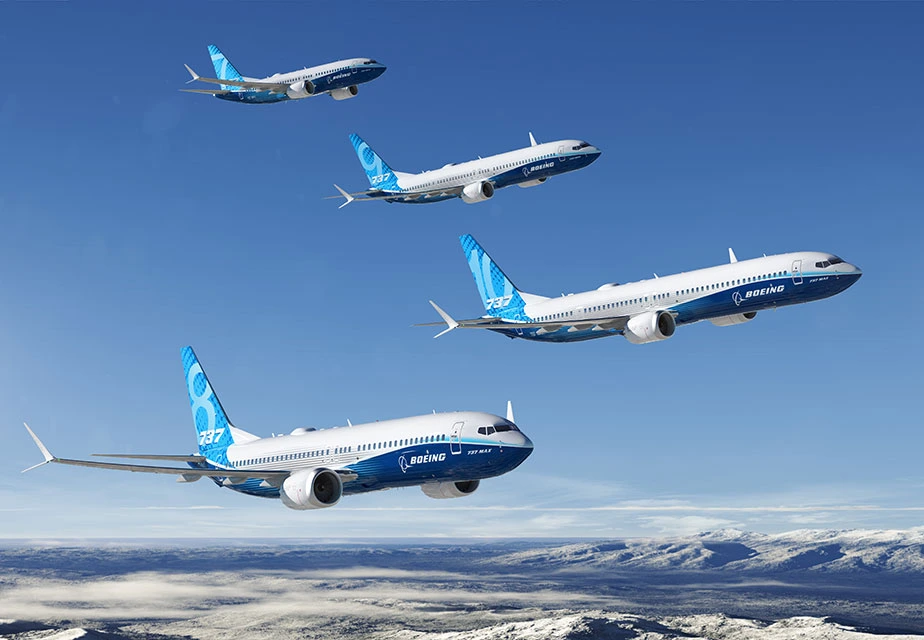
Boeing had planned to reach a production rate of 47 737 aircraft per month during the summer of 2026. However, manufacturing bottlenecks have delayed that milestone, with wing production emerging as a key constraint on the company’s ability to increase output.
Ortberg said Boeing would prioritise a controlled production increase rather than accelerate manufacturing at the expense of quality.
The company previously faced serious production and quality problems after increasing aircraft output too quickly, making production discipline a central part of its recovery strategy.
The delay also puts Boeing’s annual delivery target of 500 aircraft out of reach. Deliveries of commercial aircraft play a major role in generating cash, so a slower production ramp-up could affect revenue recognition, working capital and the company’s ability to reduce debt.
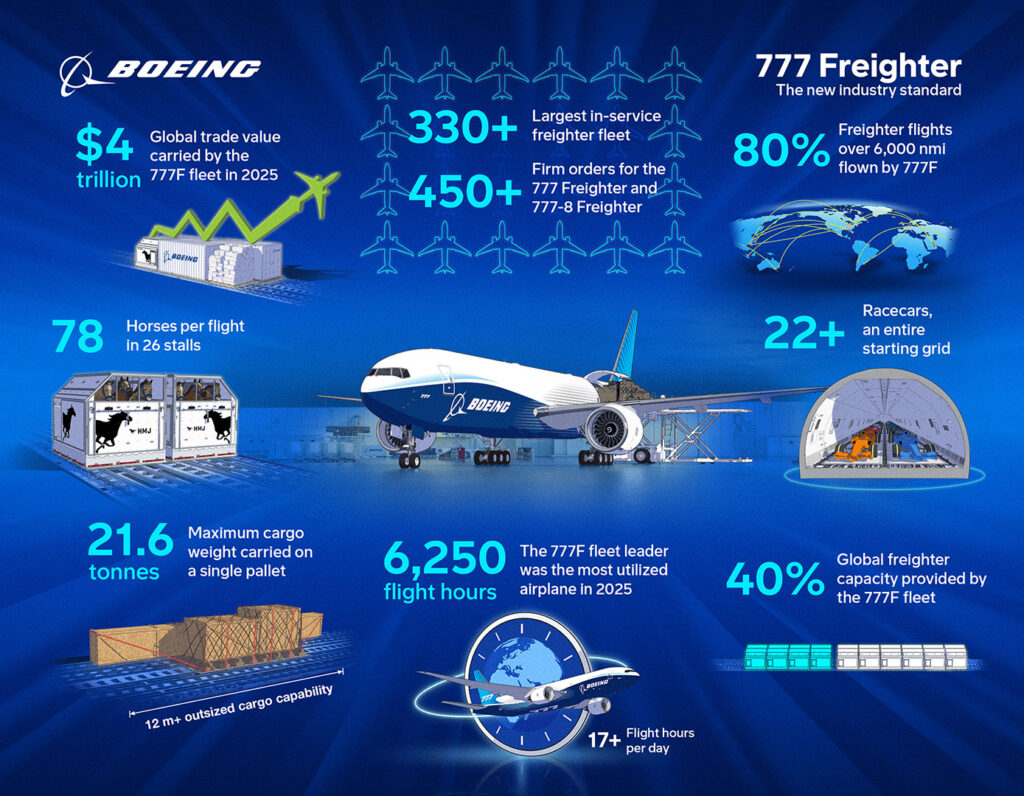
Boeing is also managing production challenges in other programmes, including the 787 Dreamliner and 777 freighters.
These difficulties add pressure as the manufacturer works to meet airline demand and improve the reliability of its manufacturing operations.
Free Cash Flow Outlook
Boeing’s financial outlook was another major factor behind the share price decline. Investors had expected a faster improvement in cash generation as aircraft production recovered and deliveries increased.
The company now expects free cash flow to reach $3 billion in 2027 and $6 billion in 2028. Its target of generating $10 billion annually has moved to 2029, approximately a year later than investors had anticipated.
Boeing reported third-quarter revenue of $24.2 billion, up 4% year over year, but recorded a net loss of $116 million. Its adjusted loss stood at $0.34 per share, wider than the $0.21 loss analysts had expected.
The Commercial Airplanes division generated $10.7 billion in revenue but recorded an operating loss of $697 million. Boeing attributed the performance to a less favourable mix of aircraft deliveries, higher production costs and increased supply chain expenses.
The company ended the quarter with $25.2 billion in net debt, down from $25.9 billion in the previous quarter and $30.4 billion a year earlier. Although the reduction indicates progress, the debt burden remains a major consideration for investors assessing Boeing’s recovery.
Recovery Gains Continue
Despite the production setbacks, Boeing reported progress in several areas during the third quarter. Its total backlog reached a record $745 billion, including more than 6,300 commercial aircraft, reflecting sustained demand for its products.
The company also secured amended type certification for the 737-7 from the Federal Aviation Administration (FAA), while the larger 737-10 achieved certification in October. Boeing was additionally selected by the US Navy to design, build and deliver its next-generation F/A-XX fighter aircraft.
Its Defence, Space & Security division recorded $492 million in operating earnings, supported by higher deliveries, improved operational performance and a gain from the sale of a subsidiary.
Boeing Global Services generated $1.02 billion in operating earnings, providing another source of profitability, Business Times reported.
The latest results show that Boeing continues to make progress in reducing debt and improving performance outside its commercial aircraft business.
However, the delayed 737 production target and weaker cash flow outlook demonstrate that a sustainable recovery will depend on resolving manufacturing bottlenecks while maintaining quality standards.
Stay tuned with us. Further, follow us on social media for the latest updates.
Join us on Telegram Group for the Latest Aviation Updates. Subsequently, follow us on Google News
