

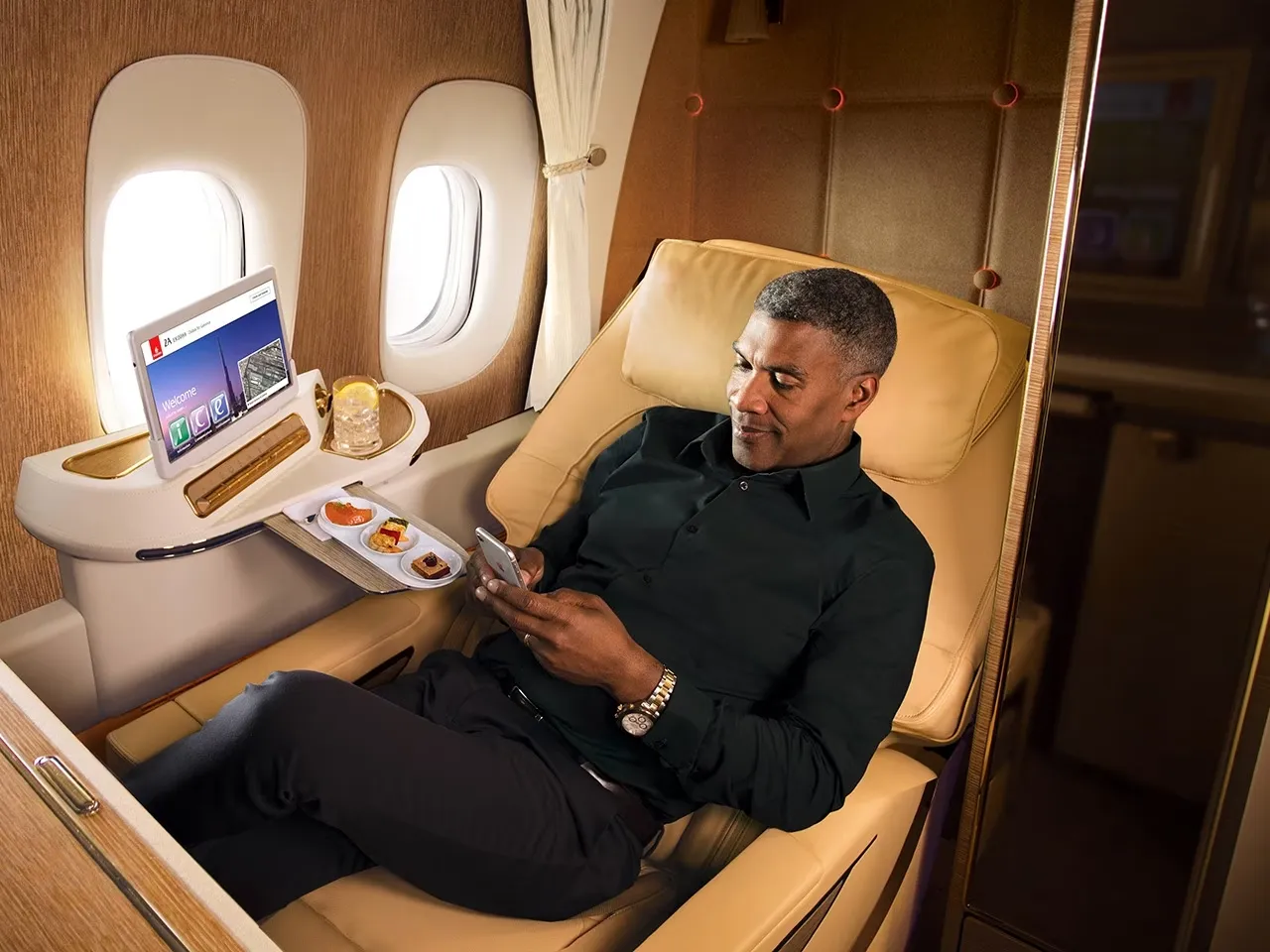
In-flight sleep remains one of the biggest challenges for long-haul passengers, especially in economy cabins where space, noise, and cabin lighting disrupt natural rest cycles. Travelers flying with major carriers such as Emirates (EK) and Singapore Airlines (SQ) frequently report fatigue on routes departing global hubs like Singapore Changi Airport (SIN) and London Heathrow Airport (LHR).
Long-haul aviation experts note that quality sleep at cruising altitude depends more on preparation and posture than luck. Travel professionals advising frequent flyers emphasize practical habits that reduce physical stress and improve rest without relying on medication or alcohol.
Seat Choice Matters
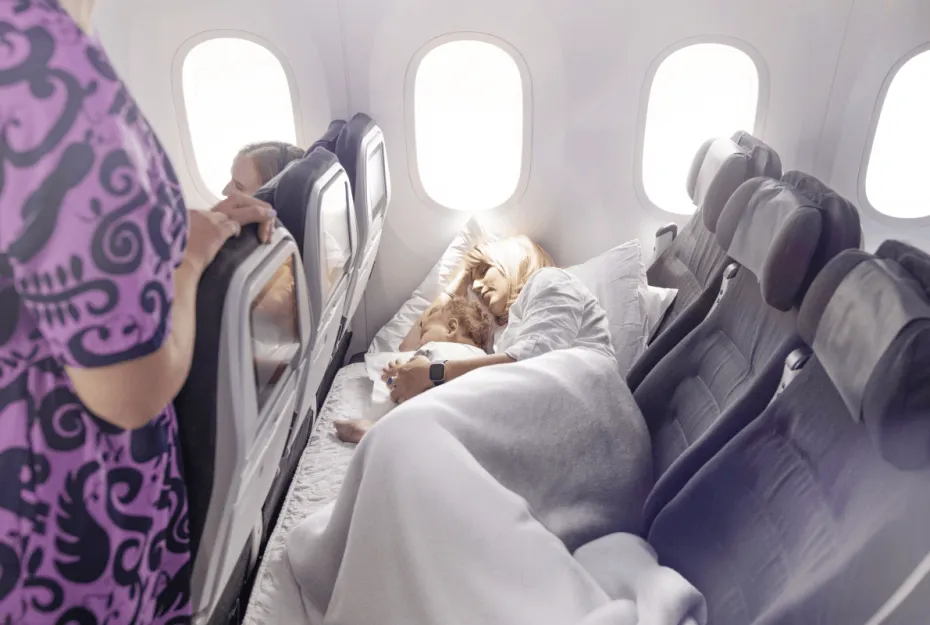
Choosing the right seat remains the most effective way to improve sleep on long flights.
Window seats provide a stable surface for leaning and allow passengers to control light exposure, which supports natural melatonin release. Aisle seats can still work when used correctly.
Travelers should use armrests for upper-body support and maintain an upright posture that reduces neck strain during prolonged rest periods.
Body Position Tips
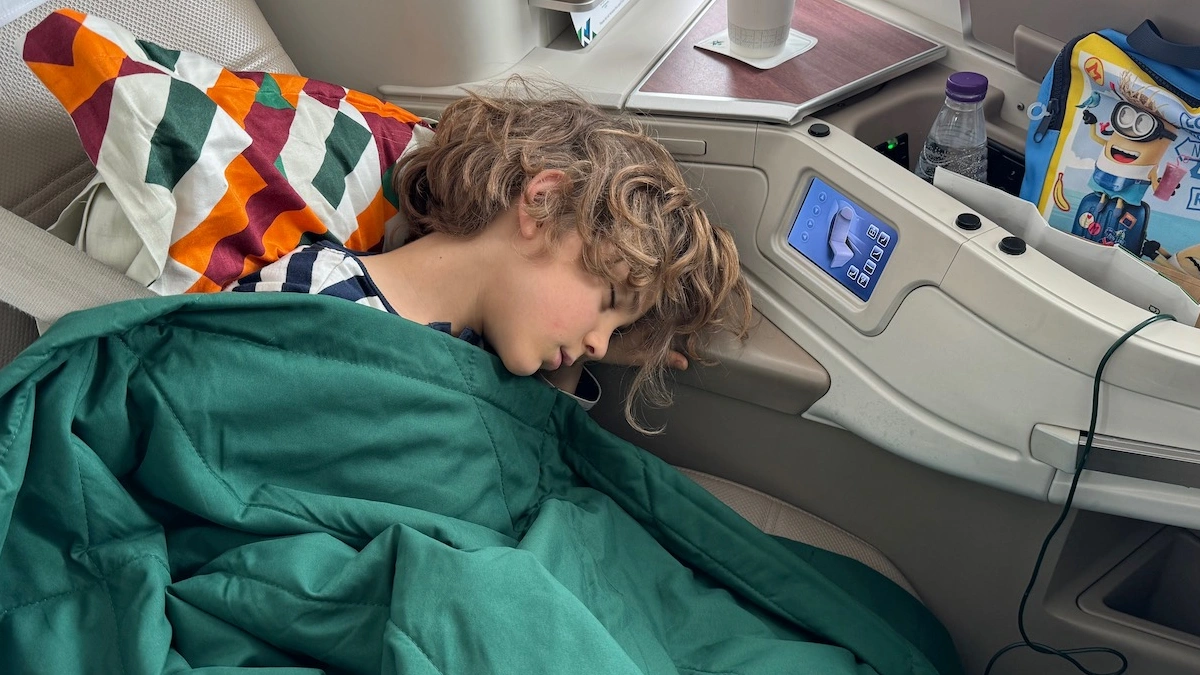
Comfort depends heavily on circulation and spinal alignment during extended sitting.
Loosening shoelaces before sleeping helps prevent nerve compression and improves blood flow to the feet, which reduces numbness and discomfort.
Passengers should also keep both feet flat on the floor and avoid crossing their legs.
Aviation ergonomics specialists warn that crossed legs restrict circulation and place uneven pressure on the lower spine, often causing mid-sleep wakeups.

Cabin Sleep Strategy
Food and beverage choices directly affect in-flight sleep quality. Experts recommend avoiding alcohol and caffeine before and during flights, as both disrupt rapid eye movement sleep and increase dehydration at altitude.
A simple sleep kit significantly improves rest outcomes on overnight flights.
Eye masks block disruptive cabin lighting, neck pillows support proper alignment, and noise-canceling headphones reduce engine and cabin noise during cruise.

Cabin Environment Control
Managing the cabin environment plays a key role in improving sleep quality during long flights. Passengers should adjust overhead air vents to maintain a cool airflow, as lower cabin temperatures help the body transition into sleep more easily.
Light exposure also affects rest at cruising altitude. Closing window shades when possible and minimizing screen use before sleeping reduces eye strain and supports the body’s natural sleep rhythm, even during daytime flights.
Together, temperature control and light management help travelers create a more sleep-friendly personal space.
These small adjustments often make the difference between fragmented rest and sustained in-flight sleep.
Bottom Line
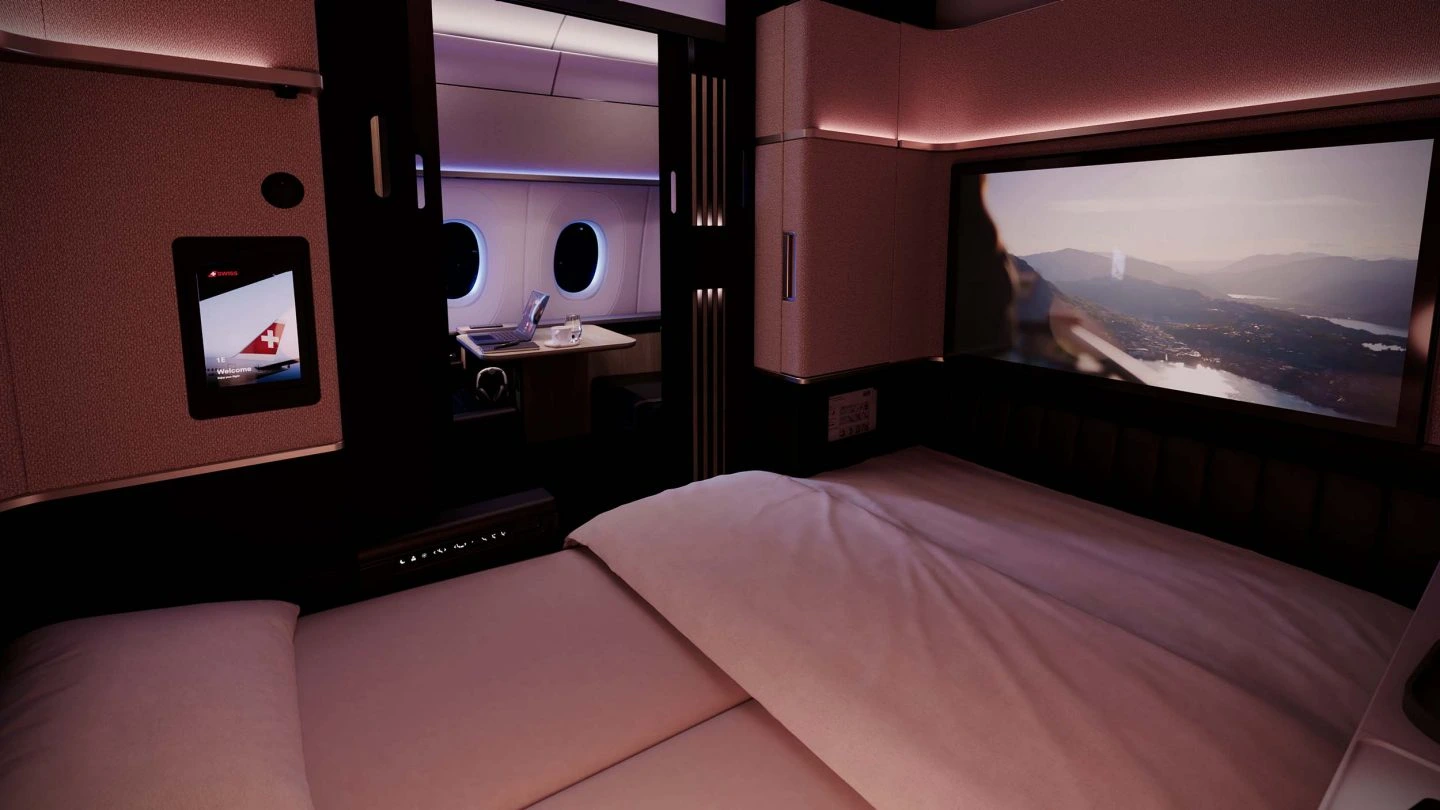
Sleeping well on a long flight requires deliberate planning rather than chance.
By selecting the right seat, maintaining healthy posture, avoiding sleep-disrupting drinks, and packing essential comfort items, passengers can arrive more alert and less fatigued.
These practical strategies help travelers adapt to cabin conditions and maximize rest, regardless of flight duration or cabin class.
Stay tuned with us. Further, follow us on social media for the latest updates.
Join us on Telegram Group for the Latest Aviation Updates. Subsequently, follow us on Google News
