

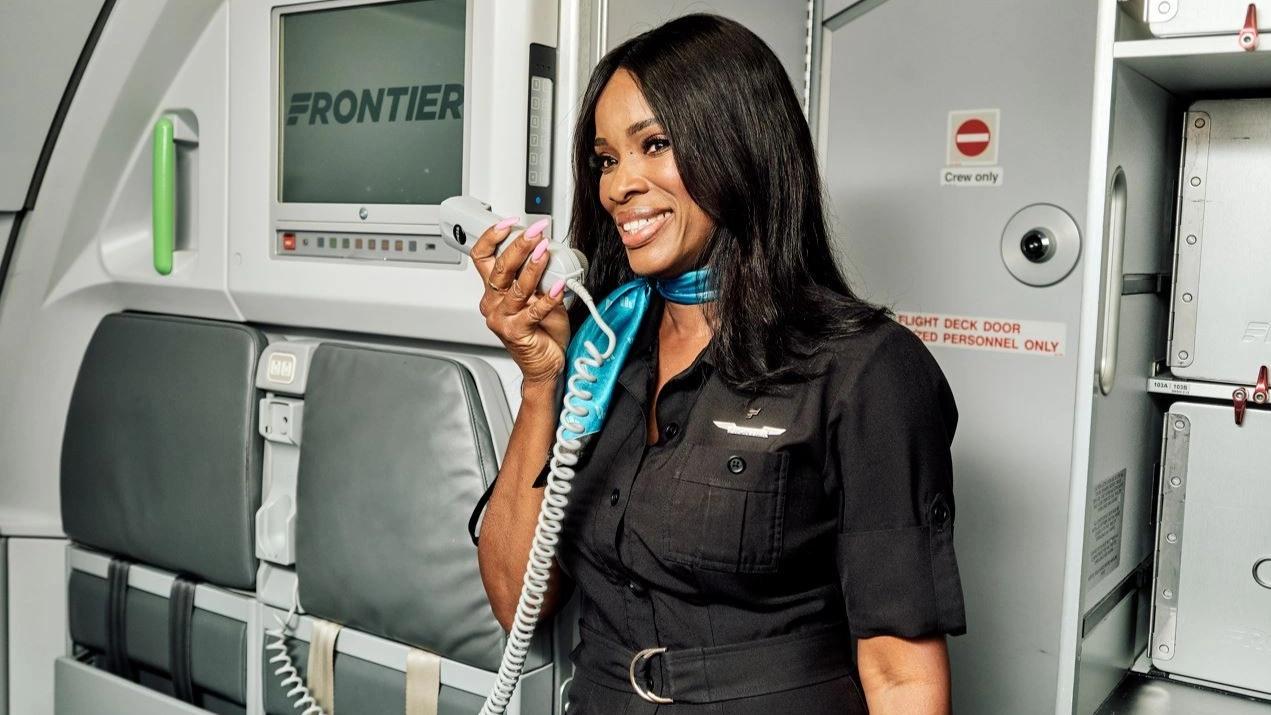
Air travel is facing a renewed debate over passenger conduct as airlines and regulators respond to a steady rise in disruptive behavior onboard. A former cabin crew member with 45 years of service says the decline in courtesy is not accidental but the result of structural changes in modern aviation.
Joan Foulks, who spent decades flying with Pan American World Airways (PA) and later United Airlines (UA), says the cabin environment has transformed dramatically since she began her career in 1979.
Her experience spans operations linked to major hubs such as New York John F. Kennedy International Airport (JFK) and Los Angeles International Airport (LAX), offering a long view of how passenger expectations and behavior have shifted.
Cabin Crew on Unruly Passengers Rise
Global data shows that unruly passenger incidents increased by 8 percent in 2024, placing additional pressure on frontline cabin crew, reported inews.co.uk.
Industry growth has been rapid, with airlines carrying about 9.4 billion passengers worldwide in 2024 compared with fewer than 650 million passengers annually in the late 1970s.
Foulks explains that mass air travel has diluted the sense of occasion once associated with flying.
She notes that when passengers feel confined, delayed, or underserved, frustration often spills into confrontational behavior directed at crew members.
Cabin crew now expect a more demanding work environment, marked by frequent complaints and reduced appreciation.
According to Foulks, professionalism remains essential, even as tolerance for poor behavior has worn thin across the industry.
Cabin Comfort Decline
Aircraft interiors have changed significantly over the past four decades, particularly in economy class.
Seat pitch once reached up to 38 inches on long-haul aircraft, while some modern low-cost configurations now offer as little as 28 inches.
Reduced personal space has amplified conflicts, especially on longer flights. Foulks says cramped seating limits mobility and patience, creating conditions where small disagreements escalate quickly.
Disputes over seat reclining remain common, even though many modern seats recline only marginally. Cabin crew often intervene by reseating passengers when possible, though options are limited on full flights.
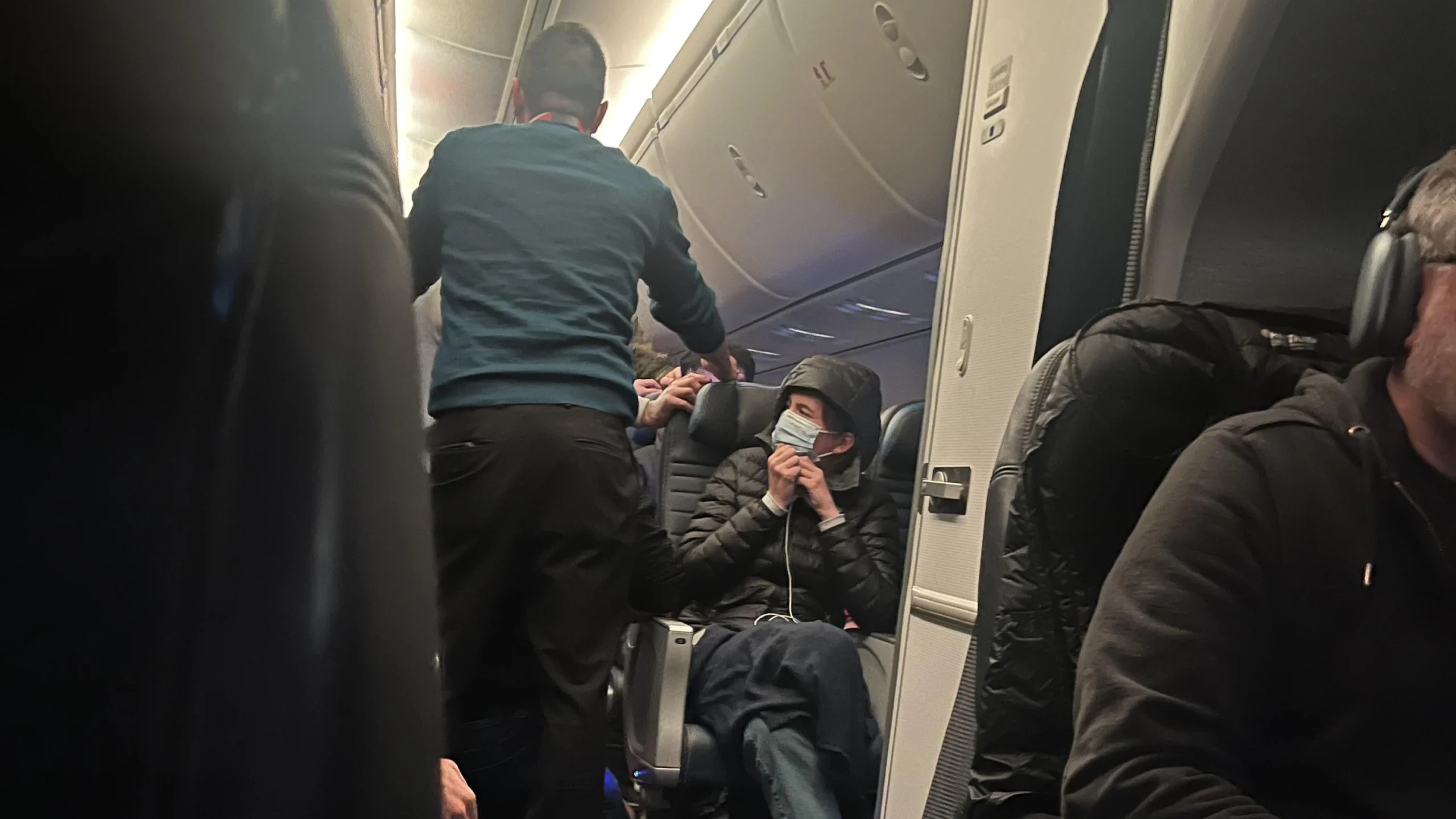
Travel Culture Shift
Dress codes and social norms have also evolved, reflecting a broader cultural shift. Foulks believes casual attire can subtly influence how passengers perceive rules and authority in shared spaces.
Former colleagues report that passengers now prioritize seat assignments, Wi-Fi access, and overhead bin space over service quality.
Alcohol consumption before boarding has further complicated in-flight management, despite stricter enforcement policies.
Airlines and aviation bodies have responded with public awareness campaigns highlighting fines, flight bans, and legal consequences.
These measures aim to protect crew members while reinforcing expectations for acceptable conduct.
Bottom Line
Air travel has become faster, cheaper, and more accessible, but it has also become more stressful for both passengers and crew.
As demand continues to rise, airlines face the challenge of restoring civility without ignoring the structural pressures that shape modern flying.
Stay tuned with us. Further, follow us on social media for the latest updates.
Join us on Telegram Group for the Latest Aviation Updates. Subsequently, follow us on Google News
