

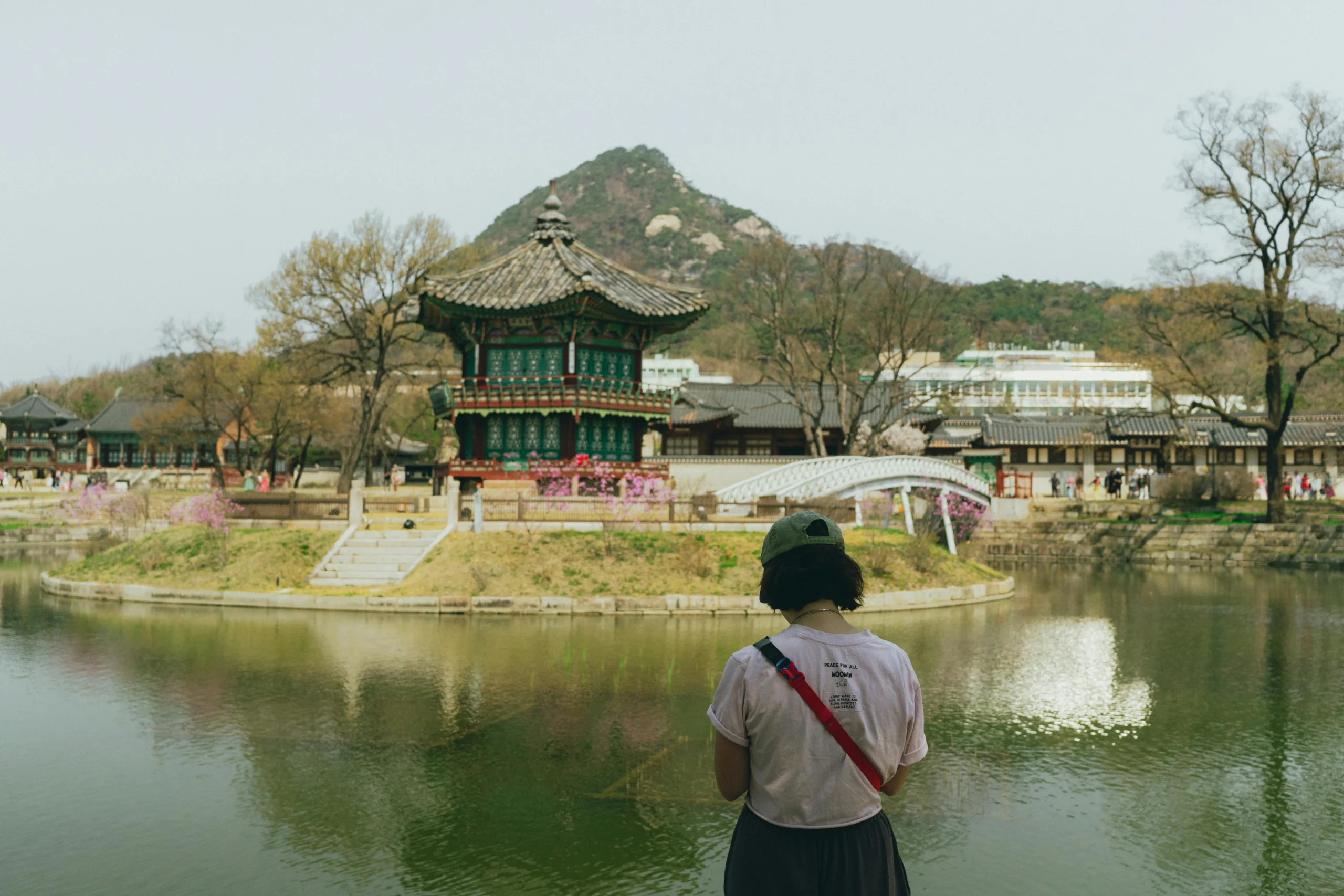
SEOUL- South Korea has officially extended its waiver on the Electronic Travel Authorization requirement for Singaporean visitors, reinforcing efforts to sustain inbound tourism growth through 2026.
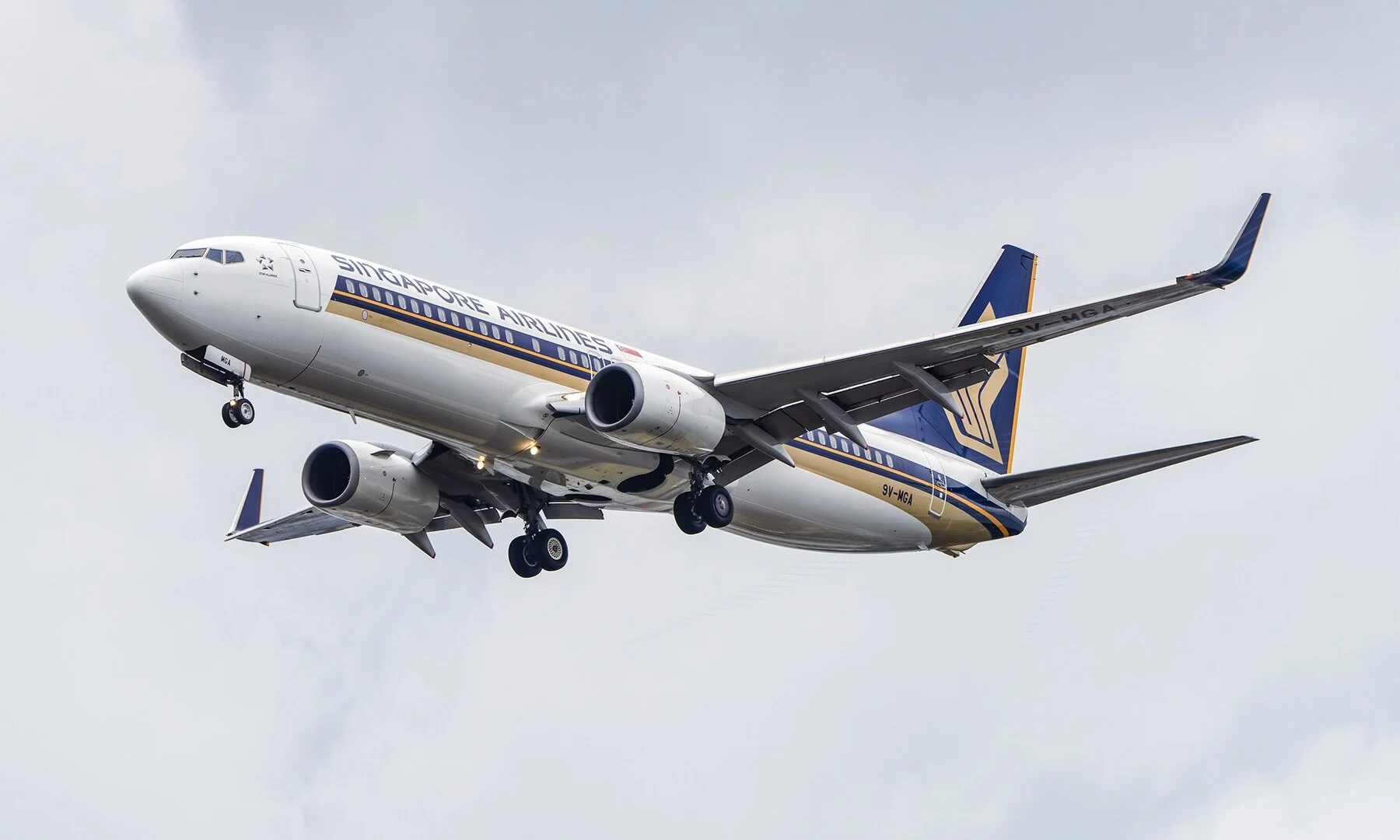
The move benefits passengers flying with carriers such as Singapore Airlines (SQ) and Korean Air (KE) between Singapore Changi Airport (SIN) and Seoul Incheon International Airport (ICN).
K-ETA Waiver Extension
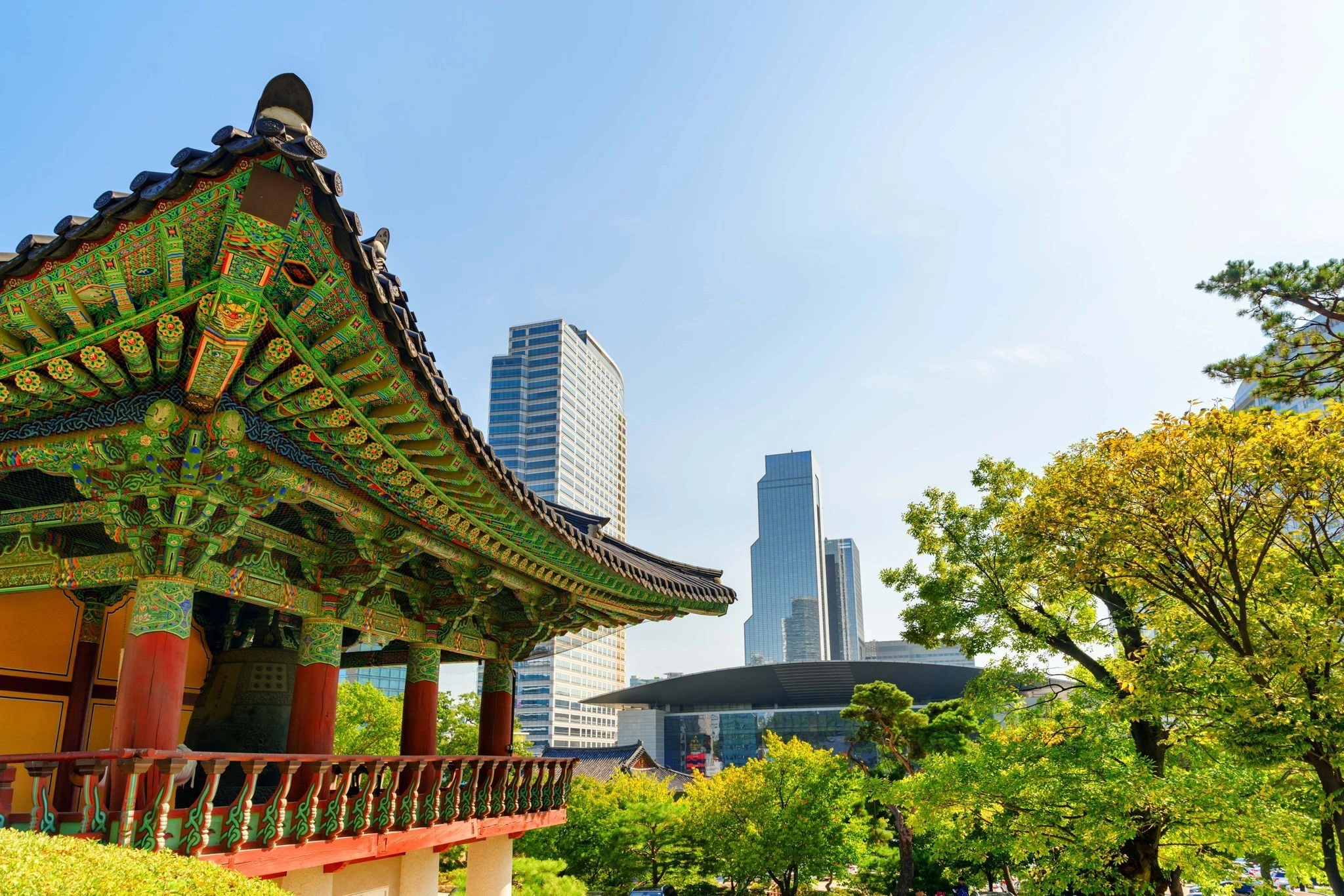
The extension confirms that Singapore citizens can continue entering South Korea without applying for a K-ETA until 31 December 2026.
Authorities framed the decision as part of a broader post-pandemic recovery strategy aimed at reducing travel friction and increasing short-term visitor arrivals.
South Korea first introduced the K-ETA system in September 2021 as a pre-departure screening tool for visa-free travelers. While the authorization carries a modest fee and offers multi-entry validity, officials temporarily removed the requirement to stimulate tourism demand.
The waiver initially took effect in April 2023 and was scheduled to expire at the end of 2025. The newly announced extension adds another year, ensuring eligible travelers can continue to enter without prior electronic approval through 2026.
The exemption applies to nationals from 22 countries, including Singapore, Australia, Japan, the United Kingdom, the United States, and several European states.
Although this is the formal list, travelers from many other visa-free jurisdictions also benefit in practice.
Entry Process Changes
Singapore citizens entering South Korea without a K-ETA must complete a standard arrival card upon landing.
Immigration authorities require the card to be presented at border control, replacing the previously mandatory online application.
Travelers who already hold a valid K-ETA may continue using it until expiration. Those passengers are exempt from filling out an arrival card, which remains the only functional difference during the waiver period.
Applicants who submitted K-ETA requests before the extension will not receive refunds, even if they qualify for the exemption.
Business travelers holding an APEC Business Travel Card remain unaffected, as they already enjoy visa-free entry privileges.
South Korea has also eliminated all remaining pandemic-era entry systems. The removal of the Q-code health declaration in mid-2023 restored the arrival process to pre-2020 norms for most foreign visitors.
Air Travel Impact
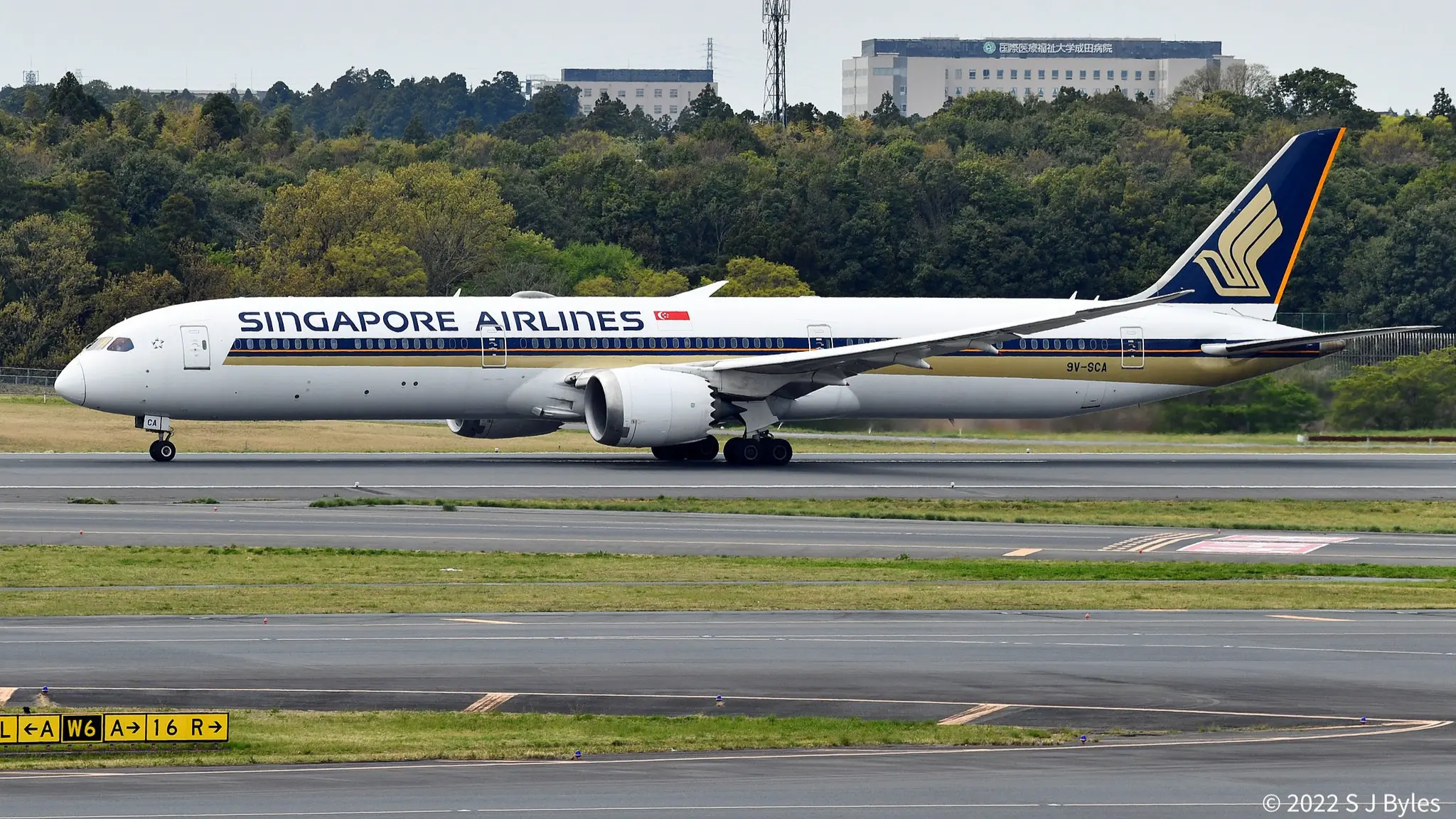
The extended waiver arrives as air connectivity between Singapore and South Korea reaches historic highs.
Airlines now operate nearly 100 weekly nonstop services between the two countries, reflecting a strong rebound from pre-pandemic levels.
Before 2020, the market supported 64 weekly nonstop flights across Seoul and Busan routes. Current schedules represent an increase of more than 50 percent, supported by both full-service and low-cost carriers.
In addition to frequency growth, Singapore travelers aged 17 and above now benefit from automated immigration clearance at Seoul’s main gateway.
After a one-time enrollment, eligible passengers can use electronic gates on all future visits with the same passport.
This combination of simplified entry procedures and expanded flight options has positioned South Korea as one of the most accessible East Asian destinations for Southeast Asian travelers.

Bottom Line
South Korea’s decision to extend the K-ETA waiver for Singaporean visitors until the end of 2026 removes cost and administrative barriers at a time of strong aviation recovery.
With entry formalities simplified and flight capacity at record levels, travel between the two countries is expected to remain robust through the remainder of the decade.
Stay tuned with us. Further, follow us on social media for the latest updates.
Join us on Telegram Group for the Latest Aviation Updates. Subsequently, follow us on Google News
