


SEOUL- South Korea’s Fair-Trade Commission (FTC) has announced the redistribution of 10 air routes currently monopolized by Korean Air (KE) and Asiana Airlines (OZ). The decision comes as part of the ongoing oversight of the carriers’ merger agreement.
The redistribution process will ensure fair access to key international and domestic routes, preventing a single airline from dominating critical markets. According to the FTC, the initiative will be carried out under the supervision of the merger monitoring committee.
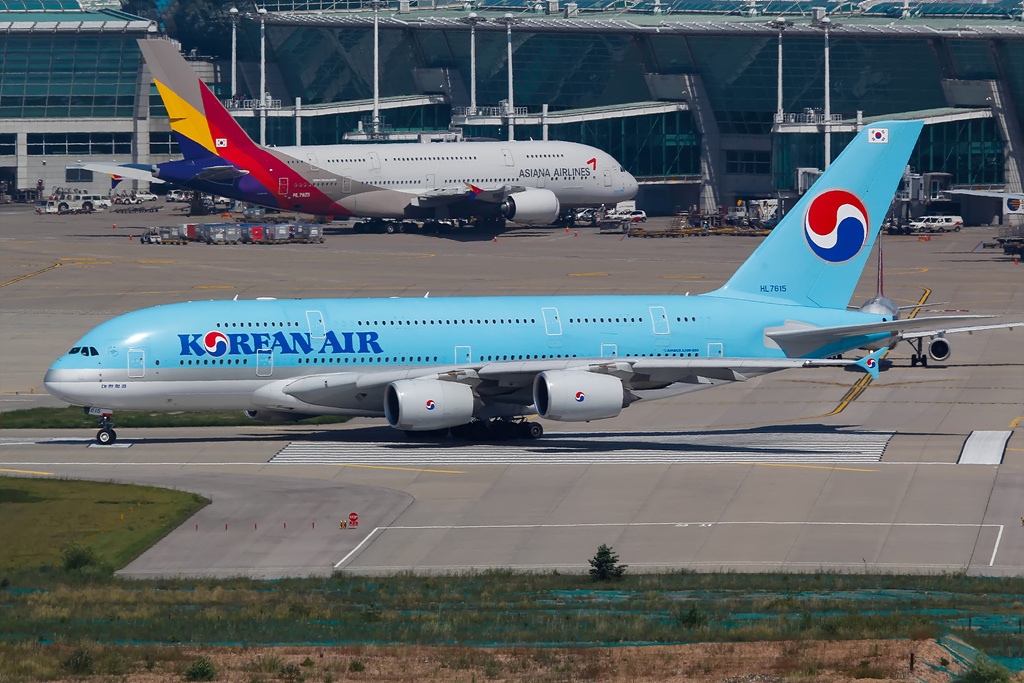
Korean Air, Asiana to Redistribute Routes
The FTC approved the merger in December 2024 on the condition that airport slots and traffic rights for 34 routes be reassigned to alternative carriers, reported Korea JoongAngDaily.
This move aims to preserve competition following concerns that the merger could create a dominant market player.
Airport slots refer to the specific takeoff and landing times allocated to airlines, while traffic rights represent the authority to operate flights on certain international routes.
Both are crucial resources in aviation and significantly influence market competition.
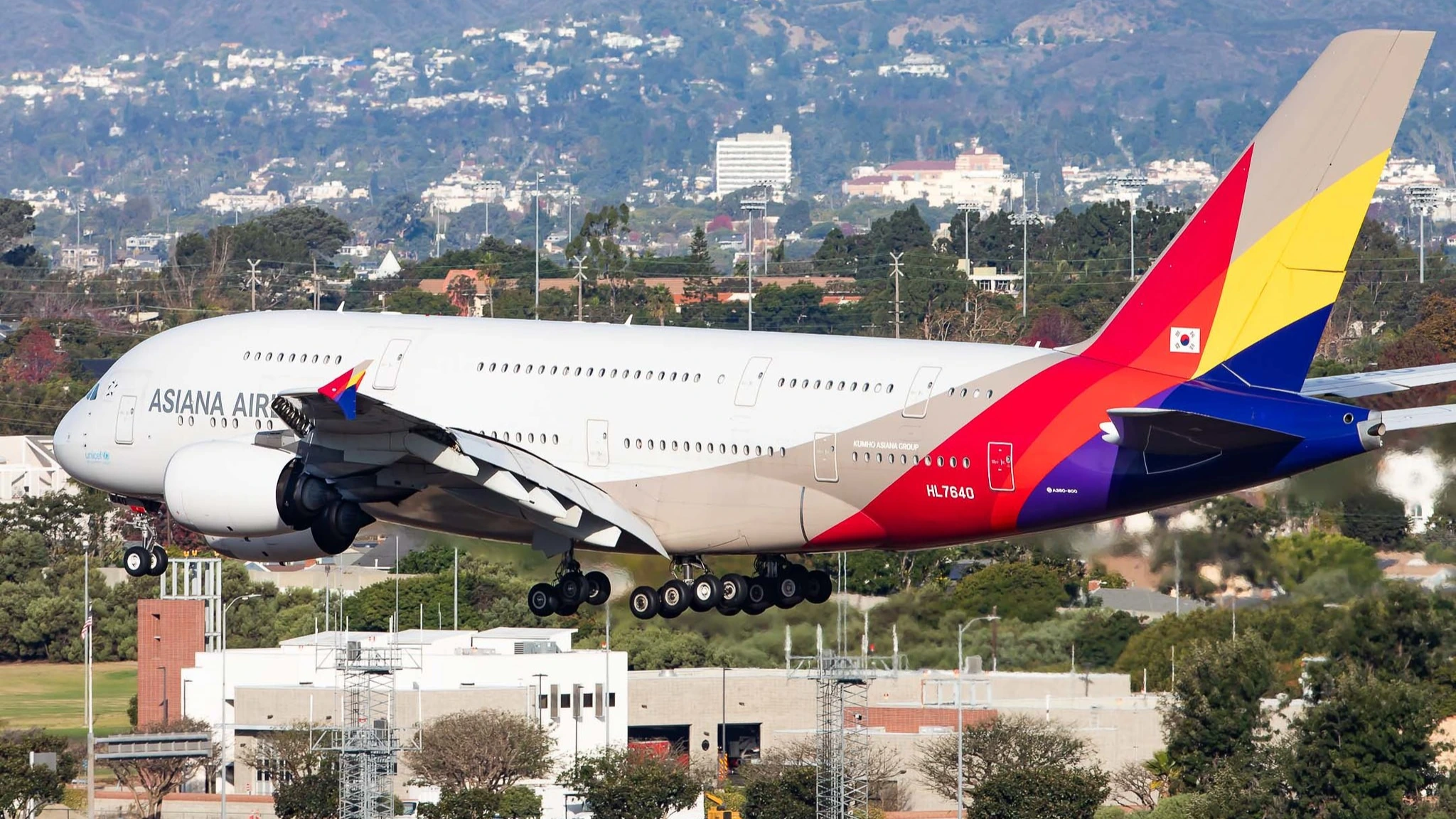
Key Routes and Allocation Plan
Among the 10 routes to be redistributed are:
- Four international routes to the United States
- One to London (LHR)
- One to Jakarta (CGK)
- Four key domestic routes.
The process involves an open call for bids, eligibility assessment, and final selection by the Ministry of Land, Infrastructure and Transport’s Air Transport Evaluation Committee.
The reassigned slots will enable other airlines to launch operations on these routes as early as the first half of 2026.
This redistribution aims to enhance connectivity, diversify carrier options for passengers, and stimulate competitive pricing.
Industry observers have noted that the redistribution could also influence future bilateral agreements between South Korea and other nations.
By reallocating traffic rights, the government aims to align its aviation policy with international competition standards, ensuring fair access to lucrative long-haul routes while fostering a stronger, more balanced airline network across Asia and beyond.
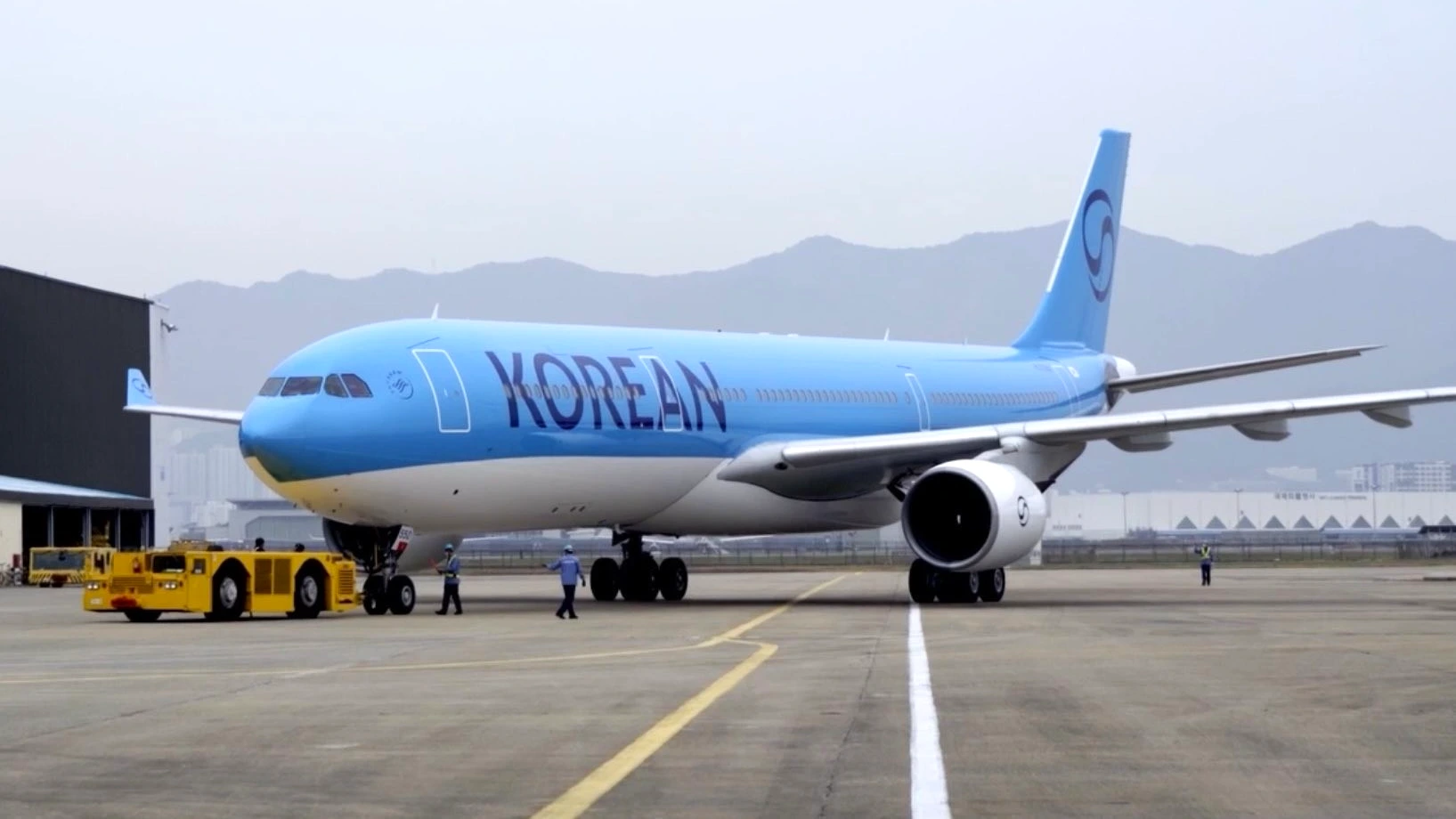
Impact on Carriers and Passengers
Industry analysts note that the redistribution process could strengthen smaller carriers, encouraging market diversification:
Slots and traffic rights for six routes — those between Incheon and Los Angeles, San Francisco, Barcelona, Frankfurt, Paris and Rome — have already been successfully reassigned to Air Premia, United Airlines and T’way Air. The remaining 18 routes will undergo the reassignment process early next year.
It is also expected to reduce passenger dependency on the merged airline, ensuring fairer competition in both domestic and long-haul markets.
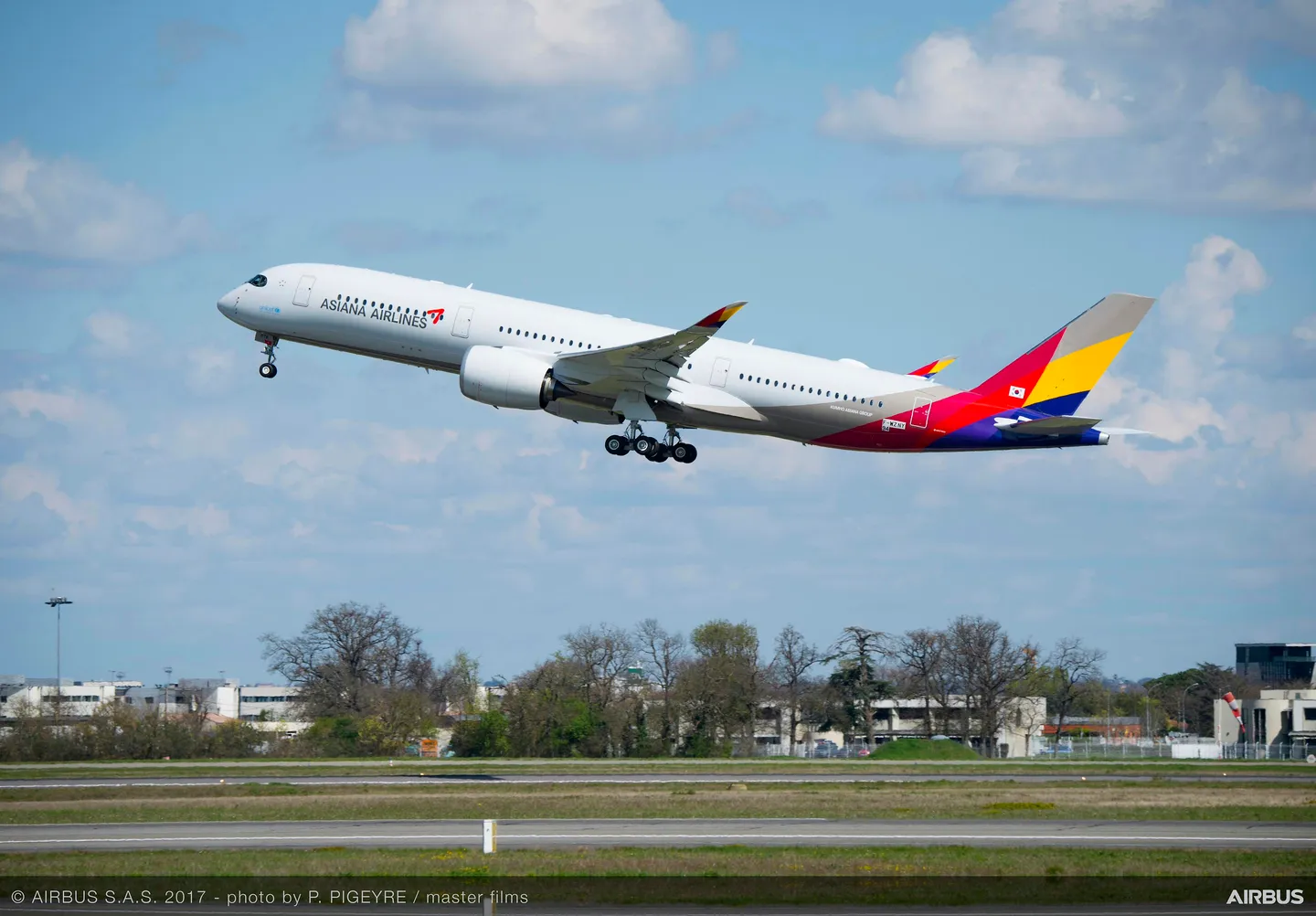
Bottom Line
The redistribution of routes from Korean Air and Asiana Airlines represents a significant regulatory step toward maintaining market balance in South Korea’s aviation sector.
By opening key routes to multiple operators, authorities aim to enhance consumer choice, stabilize airfares, and uphold competitive integrity following one of the country’s largest airline mergers.
Stay tuned with us. Further, follow us on social media for the latest updates.
Join us on Telegram Group for the Latest Aviation Updates. Subsequently, follow us on Google News
