

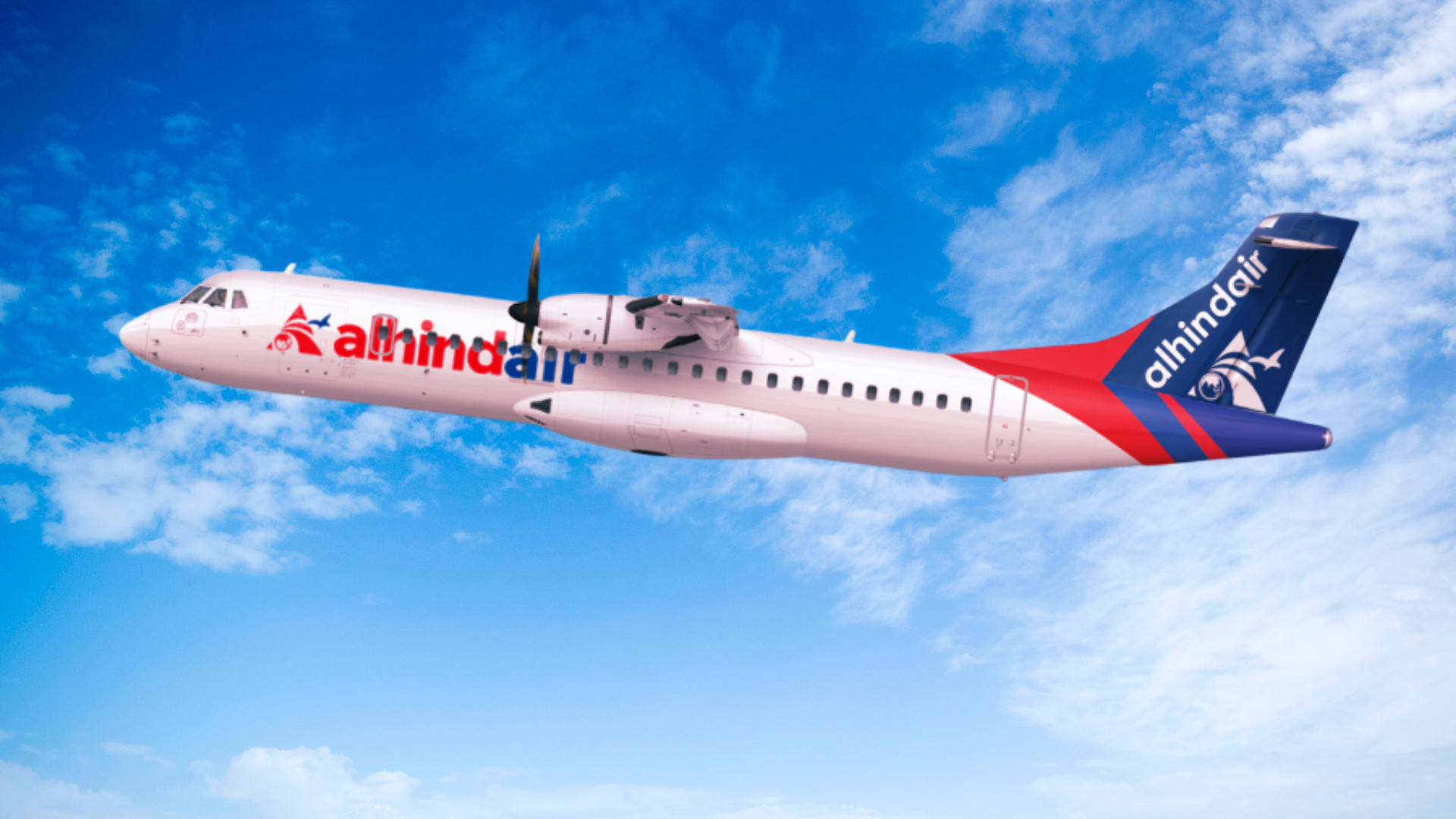
NEW DELHI- India’s aviation regulator has moved to widen airline competition after a major schedule collapse at IndiGo (6E) earlier this month exposed the risks of a duopoly-dominated market.
The approvals were issued by the Ministry of Civil Aviation in New Delhi to expand passenger choice and strengthen sector resilience.
The decision follows growing concern within government and industry that operational disruptions at a single dominant carrier can impact the entire network, especially in one of the world’s fastest-growing aviation markets.
India Approves Two New Airlines
The aviation ministry has issued No Objection Certificates (NOC) to 2 new airlines to reduce dependence on a limited number of operators.
Shankh Air had already secured its NOC earlier, while Al Hind Air and FlyExpress received their approvals during the past week.
Union aviation minister Ram Mohan Naidu stated that he met teams from all three aspiring airlines over the last week as part of the ministry’s effort to encourage new entrants.
He emphasized that India’s aviation sector ranks among the fastest-growing globally, driven by policy initiatives of the Modi government aimed at expanding capacity and connectivity.
Reported by The Times of India, the approvals reflect a clear policy push to prevent over-concentration in the skies.
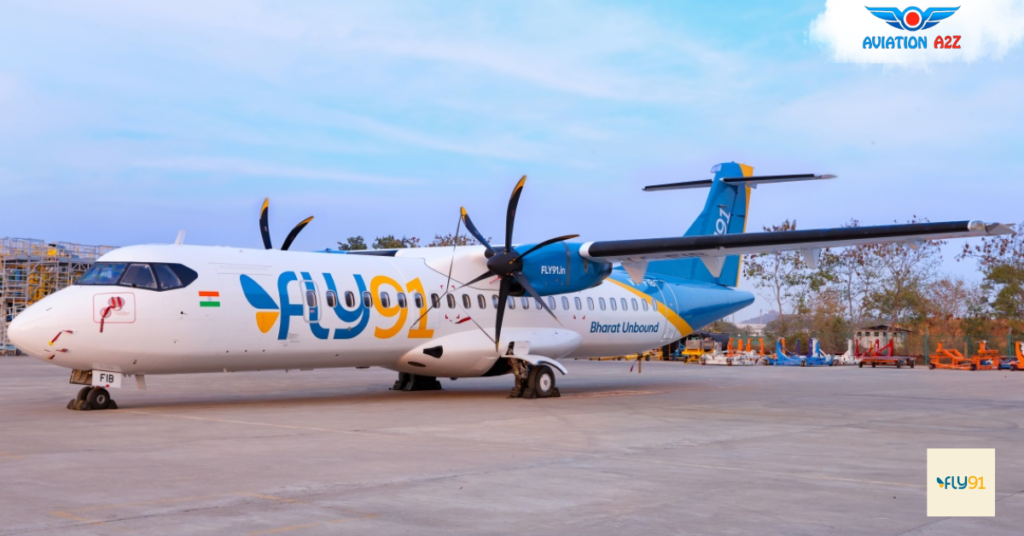
Government-backed programs have played a critical role in supporting airline diversity. The UDAN regional connectivity scheme has enabled smaller carriers such as Star Air, India One Air, and Fly91 to operate routes that were previously underserved.
These airlines have strengthened intrastate and tier 2 and tier 3 city connectivity, demonstrating that targeted policy support can lower entry barriers and stimulate regional air travel demand.

High Operating Costs and Industry Concerns
Despite regulatory encouragement, industry veterans caution that structural challenges remain severe. High aviation turbine fuel prices, multiple layers of taxation, and elevated airport charges continue to place Indian airlines among the highest-cost operators globally.
An industry observer noted that in the Indian aviation ecosystem, nearly all stakeholders except airlines remain profitable, which explains why carriers have repeatedly collapsed over the last three decades.
While launching a new airline is procedurally feasible, remaining airborne is difficult due to high cost structures, thin funding, limited management bandwidth, and sustained financial pressure.

Sustainability and Affordability Imperatives
Executives also stress that airline failures are not unique to India and occur worldwide. However, the cost-hostile domestic environment adds an additional layer of risk.
With flying no longer considered a luxury, policymakers face increasing pressure to ensure air travel remains accessible to the common traveler.
Industry leaders argue that cost and tax rationalization is essential to sustain new and existing airlines, preserve competition, and prevent repeated market exits that undermine passenger confidence.
Stay tuned with us. Further, follow us on social media for the latest updates.
Join us on Telegram Group for the Latest Aviation Updates. Subsequently, follow us on Google News
