

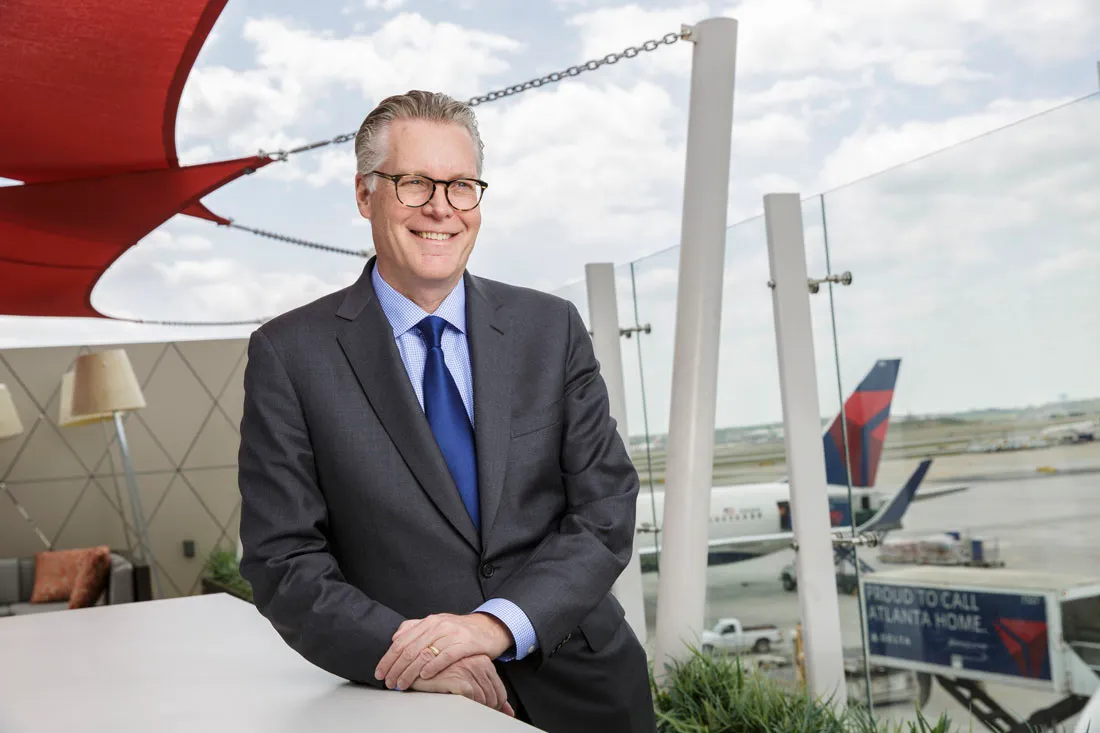
ATLANTA- Delta Air Lines (DL) and its CEO Ed Bastian have drawn attention after comments on declining civility in air travel sparked debate about passenger behavior. The discussion centers on whether broader access to flying has changed onboard conduct.
Hartsfield-Jackson Atlanta International Airport, Atlanta (ATL), serves as a key hub where these trends are visible. Data and industry context show the issue is complex and not tied to income alone, Enilria flagged.

Delta CEO Comments on Modern Travel
Ed Bastian, while speaking with CNN, remarks that modern air travel is comparable to the period before US airline deregulation in 1978. During that era, airfares were significantly higher, planes were rarely full, and passengers skewed heavily toward business travelers whose companies paid for tickets.
Lower fares over time have made flying more accessible, but this shift alone does not explain recent spikes in onboard conflict.
Most airline revenue today still comes from passengers earning over $100,000 annually. The core change is not income level but passenger diversity and volume.

How Air Travel Has Fundamentally Changed
Commercial aviation now carries far more people from a wider range of backgrounds. Planes are consistently full, seat density is higher, and personal space is limited. These factors raise stress levels before any interaction occurs.
The airport experience itself has also become more demanding. Post 9/11 security screening, crowded terminals, and irregular operations add pressure long before boarding. These conditions increase the likelihood of misunderstandings among passengers who do not share common travel norms.
The sharp rise in unruly passenger reports in 2021 and early 2022 aligns closely with pandemic-related rules. Mask mandates became politicized, and enforcement often fell to flight attendants, leading to confrontations and diversions.
After mask requirements ended, reported incidents declined. However, reporting standards became stricter during this period, meaning more incidents were formally documented rather than ignored.
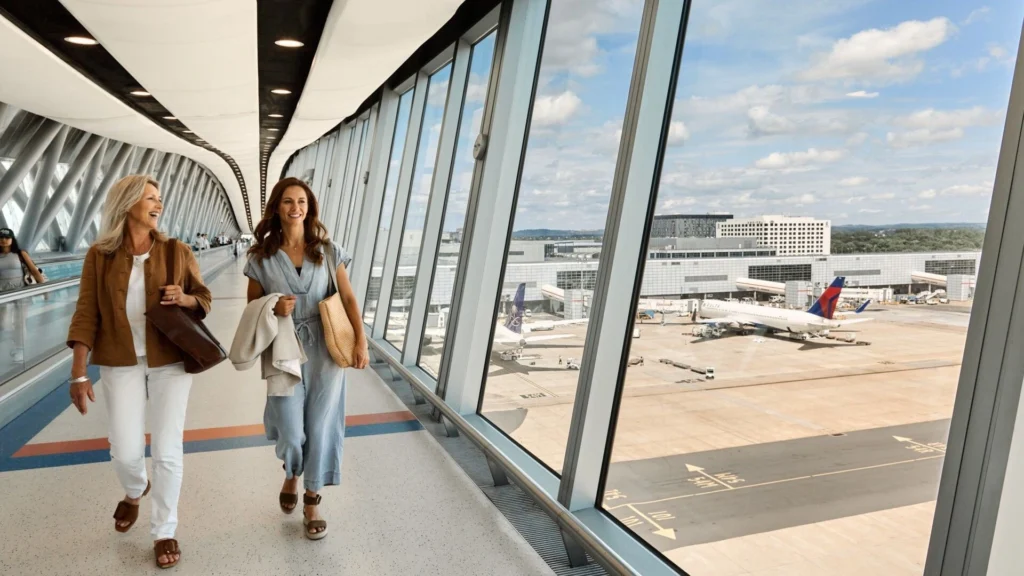
Shifts in Who Flies and When
Business travel has returned in volume but not in frequency. Many professionals now take fewer trips, and peak travel days have flattened across the week. Leisure travelers and infrequent flyers make up a larger share of passengers, ViewfromtheWing reported.
This shift increases passenger variance on any given flight. When frequent business travelers dominated cabins, shared expectations reduced friction. Greater variation today increases the chance of conflict, regardless of income.
FAA data illustrates why raw incident numbers can be misleading. Incidents per million passengers peaked in 2021 due to low overall travel volumes and heightened enforcement.
By 2024 and 2025, incident rates per million passengers have declined significantly and are closer to pre-pandemic norms. Reporting remains more thorough than before, which inflates comparisons with earlier years.
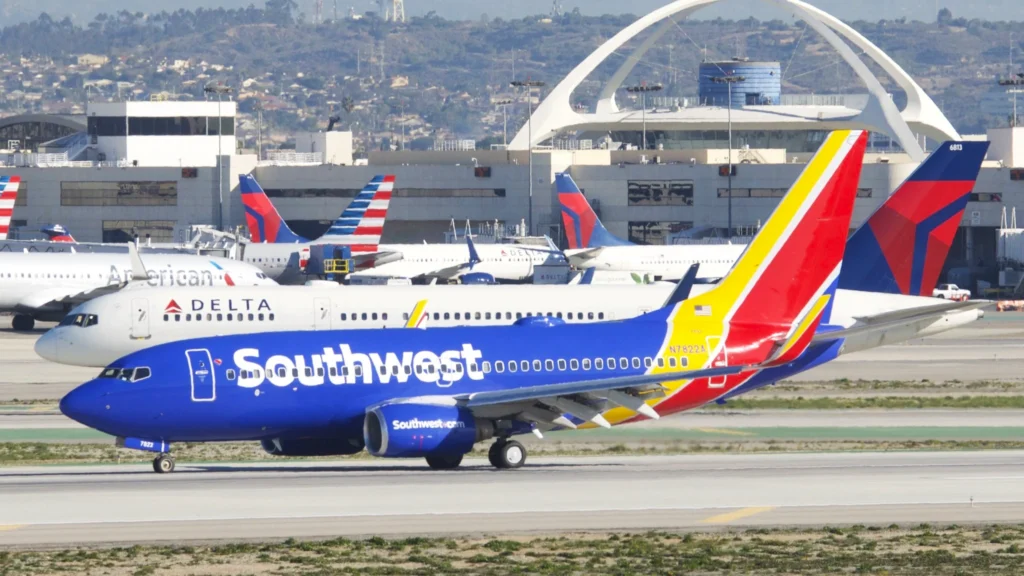
Why Income Is Not the Root Cause
Unruly behavior occurs across income levels. Documented cases include both high-net-worth individuals and average travelers. The issue is not wealth but stress, crowding, and differences in expectations.
Modern air travel places diverse groups into confined spaces under stressful conditions. That reality, not affordability alone, explains much of the decline in onboard civility.
Airlines now manage fuller planes, higher operational complexity, and a broader passenger base. While incidents remain relatively rare, the experience feels more tense due to visibility and reporting.
The data suggests behavior is stabilizing, even as more people fly than ever before. Understanding this context is essential when interpreting executive comments or headline statistics.
Stay tuned with us. Further, follow us on social media for the latest updates.
Join us on Telegram Group for the Latest Aviation Updates. Subsequently, follow us on Google News
