


ATLANTA- Delta Air Lines (DL) stands as one of the world’s most prominent full-service carriers, headquartered in Atlanta, Georgia. With a fleet exceeding 900 aircraft and operations stretching to over 275 destinations across six continents, it remains a key pillar of global aviation.
The airline is renowned for its operational reliability, premium cabins, and consistent customer satisfaction scores that regularly outpace its American rivals. Over the past few years, Delta has navigated challenges like volatile fuel prices, rising labour costs, and intense competition from both full-service and low-cost carriers.
Yet, under its current leadership, the airline continues to post strong financial results and steady growth. Naturally, such success reflects the stability and experience of its executive team, especially its long-serving Chief Executive Officer, Ed Bastian.
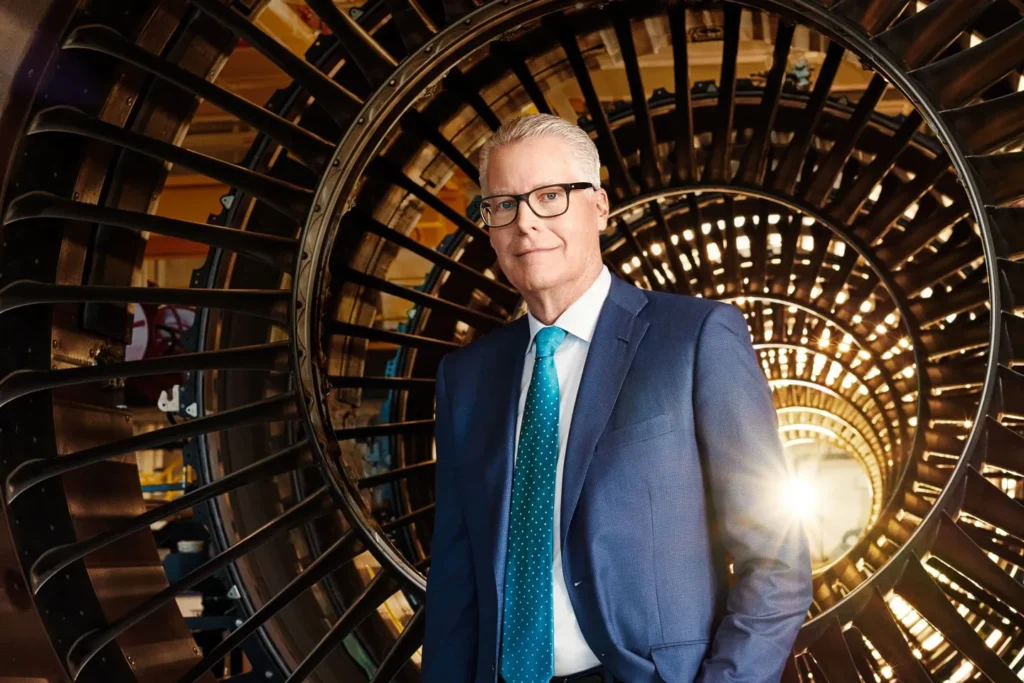
Here’s a closer look at who Ed Bastian is, his career background, and how much he earns as the head of one of America’s most influential airlines.

Who is Delta Air Lines CEO Ed Bastian?
Ed Bastian has been with Delta Air Lines for more than two decades and has served as CEO since 2016.
Born in Poughkeepsie, New York, in 1957, he graduated with a degree in Business Administration from St. Bonaventure University. Before joining Delta, Bastian began his career as an auditor at Price Waterhouse (now PwC), where he developed a sharp understanding of financial management and corporate strategy.
He first joined Delta in 1998 as Vice President of Finance, playing a critical role during one of the airline’s most turbulent decades. After leaving briefly to serve as Chief Financial Officer at Acuity Brands, Bastian returned to Delta in 2005 at the invitation of then-CEO Gerald Grinstein, right before the airline entered bankruptcy protection.
It was during this period that Bastian’s resilience and financial discipline became evident.
He helped guide Delta through its restructuring, merger with Northwest Airlines, and eventual recovery into one of the world’s most profitable carriers. His reputation within the company grew steadily, known for being approachable yet decisive, with a strong belief in the value of teamwork and transparency.
By the time he succeeded Richard Anderson as Chief Executive in 2016, Bastian had already established himself as a steady, pragmatic leader. He prioritised reliability, customer experience, and employee culture, making Delta one of the most respected employers in the U.S. airline industry.
Today, Bastian continues to be viewed as a thoughtful and disciplined leader, and someone who combines financial acumen with a deep commitment to customer service and staff wellbeing.

Delta Air Lines CEO Salary and Compensation in 2025
Delta Air Lines’ executive compensation system balances fixed pay with heavy performance-based incentives, designed to align leadership rewards with shareholder value and operational results.
As of the most recent financial year available, Ed Bastian’s total compensation stood at approximately US$27.1 million, one of the highest among airline executives worldwide.
The breakdown is as follows:
- Base Salary: Around US$991,000 annually.
- Annual Cash Bonus and Incentives: Approximately US$14.8 million, tied to company and personal performance goals.
- Stock Awards and Equity Grants: Roughly US$11 million, linked to Delta’s share price performance and long-term growth.
- Other Compensation (including benefits and retirement contributions): Around US $300,000.
This brings Bastian’s total target package to about US$27 million, whereas approximately US$100,000 was tied to sundry expenses incurred by the carrier on their CEO.
ALSO READ: United Airlines CEO Scott Kirby Salary in 2025

Why Ed Bastian’s Pay is Structured This Way
There are several reasons why Delta’s CEO pay package appears large but is considered performance-sensitive rather than fixed wealth:
- Scale of Operations: Delta operates one of the largest commercial fleets globally and manages a vast international workforce.
- Market Competition: Executive pay must stay competitive with peers like American Airlines and United to retain top talent.
- Performance Linkage: More than 80% of Bastian’s compensation depends on operational and financial performance metrics.
- Shareholder Alignment: A large portion of stock awards ensures his long-term incentives mirror Delta’s overall value growth.
- Employee-Centric Leadership: The company’s governance emphasises shared success, meaning bonuses rise only when overall results do.
Thus, while the numbers appear high, the actual cash received can fluctuate greatly year to year, depending on profit margins, stock value, and efficiency targets.
ALSO READ: American Airlines CEO Robert Isom Salary in 2025
Peer Comparison
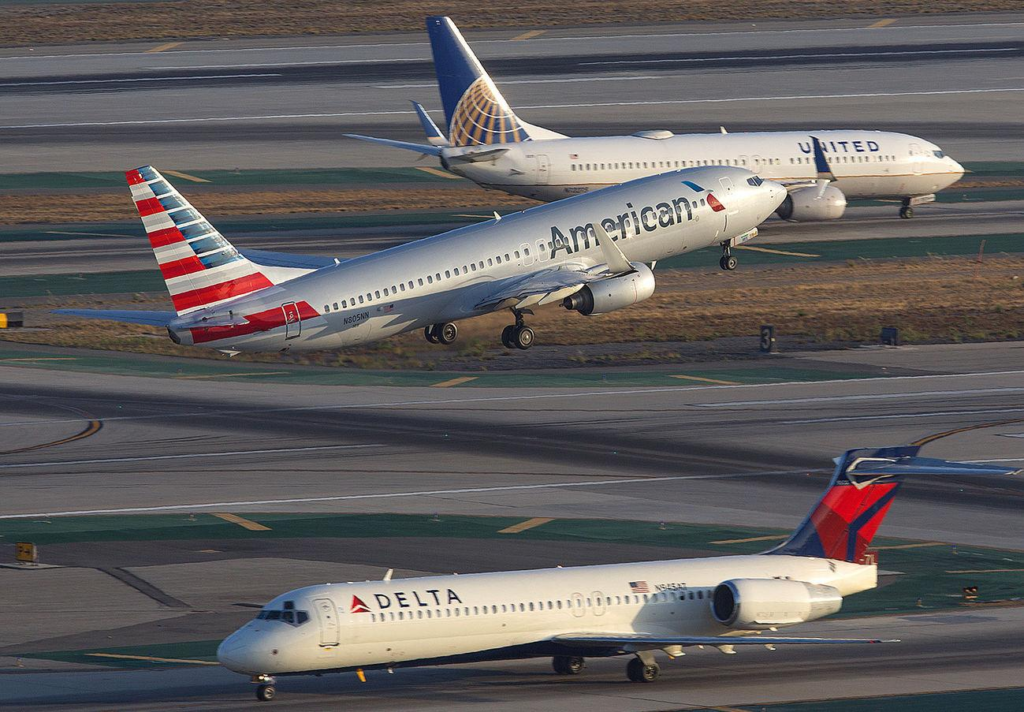
When comparing across major U.S. airlines, Ed Bastian’s total compensation ranks among the top.
Robert Isom, CEO of American Airlines, earned approximately US$31 million in total compensation in the previous financial year, an amount that was largely driven by deferred stock awards.
On the other hand, Scott Kirby of United Airlines followed closely with a package near US$18.5 million, while Bob Jordan of Southwest Airlines received about US$9.6 million.
In that context, Bastian’s US$27 million aligns with Delta’s consistently strong profitability and premium positioning. His base pay remains modest relative to his peers, but the significant equity and bonus components reflect Delta’s shareholder-driven approach.
What also sets Bastian apart is his long tenure and deep internal experience. While others in the industry have come from external management backgrounds, Bastian has spent nearly his entire aviation career at Delta, giving him unmatched insight into the company’s operations.
ALSO READ: Air Canada CEO Michael Rousseau Salary and Compensation
Delta Air Lines Plans for 2025
Delta enters 2025 on an optimistic footing, focusing on sustainability, fleet renewal, and digital innovation. The airline is expanding its long-haul network, with new routes connecting major U.S. hubs to Asia and Europe.
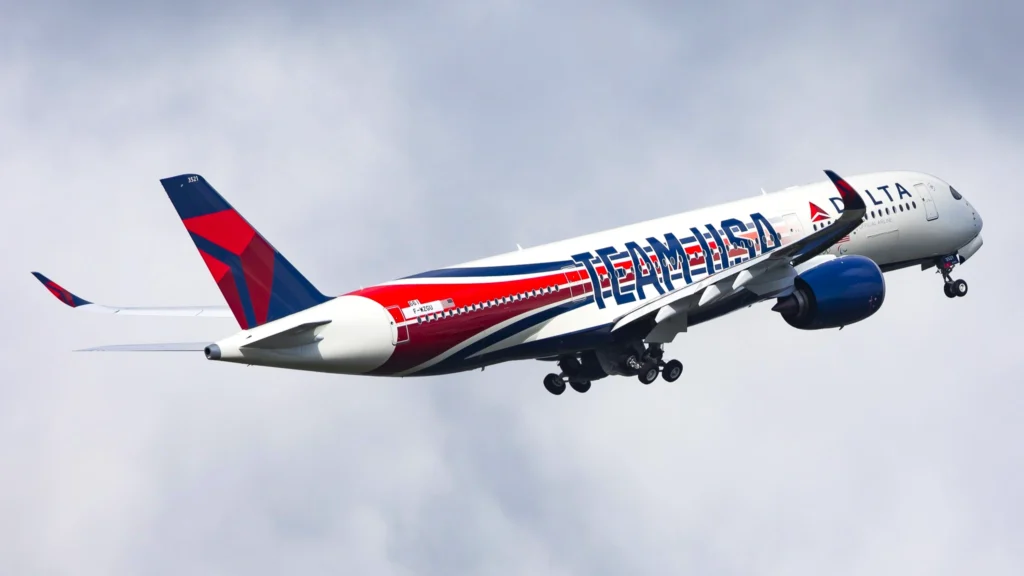
A key focus this year lies in operational reliability and carbon reduction. The company plans to integrate more Airbus A321neo and A350-900 aircraft, both offering improved fuel efficiency and lower emissions. On the digital side, Delta continues investing in biometric boarding, AI-powered maintenance systems, and real-time customer service technologies.
Financially, the airline aims for record revenue levels, supported by strong transatlantic demand and premium cabin sales. It has also increased its profit-sharing scheme for employees, a reflection of Bastian’s philosophy that when the airline wins, everyone should share the reward.
Bottom Line
Ed Bastian’s pay as Delta Air Lines’ CEO mirrors both the airline’s size and his pivotal role in maintaining its operational excellence.
While his total compensation of around US$27 million may appear steep, the bulk of it remains tied to performance, a structure that rewards steady leadership and long-term results rather than short-term gains.
Through his steady approach, focus on employees, and clear communication style, Bastian continues to be one of the most trusted leaders in global aviation. As Delta grows further into 2025, its leadership and incentive alignment remain central to its continued success.

Delta CEO Salary FAQs
Ed Bastian’s fixed base salary is roughly US$991,000 per year, which forms just a small portion of his overall pay package. The majority of his compensation depends on how well Delta performs financially and operationally.
In 2025, Bastian’s total compensation is expected to be around US$27 million, including bonuses and long-term stock awards. This figure can rise or fall each year, depending on Delta’s results and shareholder returns.
Bastian’s total package places him slightly below Robert Isom of American Airlines, who earns around US$31 million, but above Scott Kirby of United Airlines and Bob Jordan of Southwest Airlines. His compensation reflects Delta’s size, profitability, and strong market reputation.
Stay tuned with us. Further, follow us on social media for the latest updates.
Join us on Telegram Group for the Latest Aviation Updates. Subsequently, follow us on Google News
