

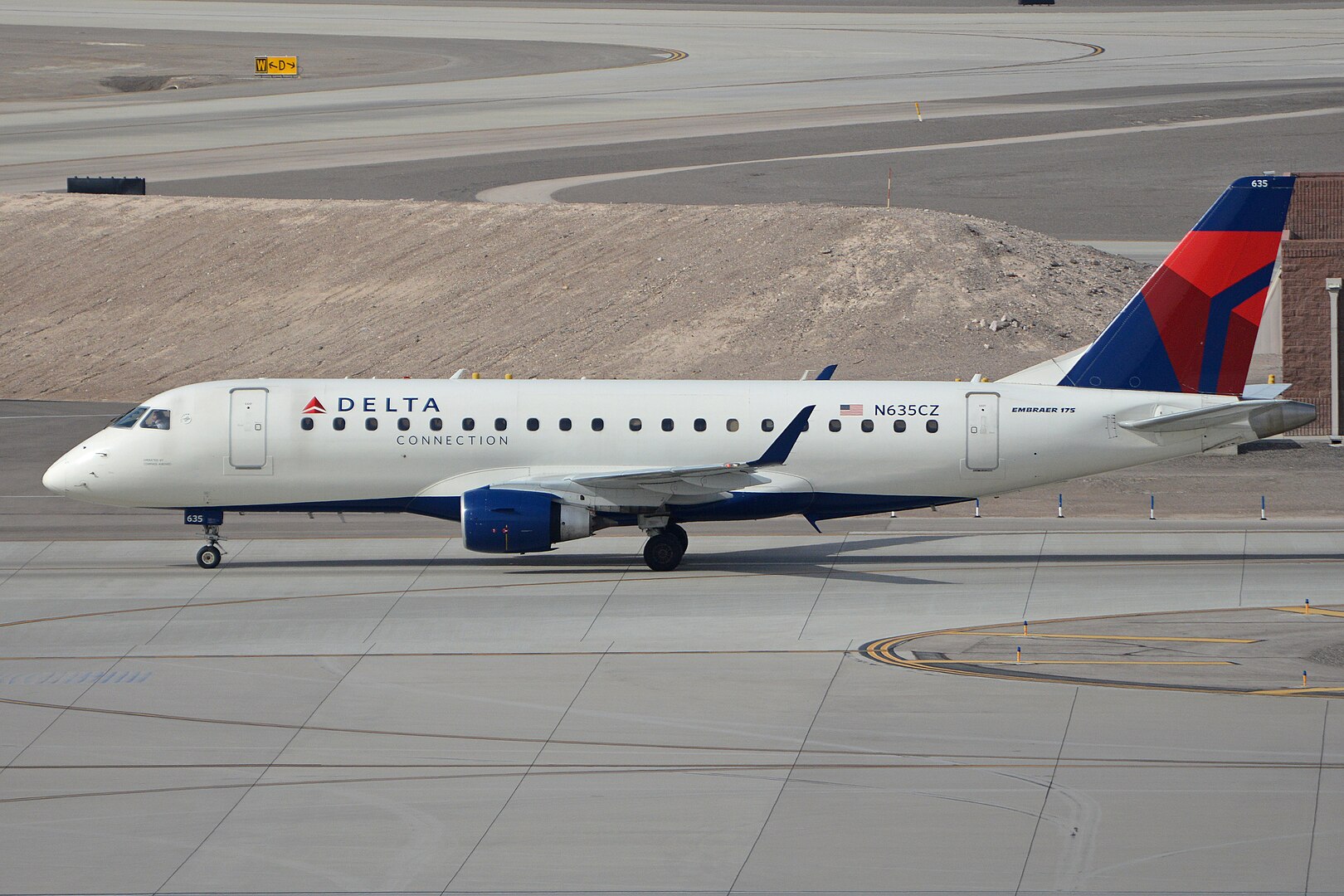
ATLANTA- A Delta Air Lines (DL) passenger accepted a $15,000 offer to give up his seat after it was announced onboard, then watched the airline cut the compensation to $1,500 once he complied.
The incident raises serious questions about whether airlines can walk away from verbal promises made to passengers.
The case illustrates how overbooking practices, verbal commitments, and limited passenger protections can collide, leaving travelers with little recourse when airlines reverse course, according to Elliott Report.
$15,000 Delta Announcement Became a $1,500 Offer
Daniel Christiansen, a Gold Medallion frequent flyer, boarded a Delta flight from Salt Lake City (SLC) to Palm Springs (PSP) with his wife and infant daughter.
Before departure, a flight attendant made an announcement over the intercom asking for one volunteer to give up a seat in exchange for $15,000 in compensation.
Christiansen immediately rang the call button and confirmed the amount twice with the flight crew.
He agreed to the offer and deplaned, leaving his wife and baby seated on the aircraft. Moments later, the plane pushed back from the gate and taxied away, eliminating any chance for him to reboard.
After the aircraft departed, Delta gate agents informed Christiansen that the compensation was not $15,000 but $1,500. When he objected, a gate agent and supervisor accused him of lying about the original announcement.
“They treated me like I’d invented the number out of thin air,” Christiansen said. “But the flight attendant, the captain, and even Delta’s own emails later admitted the $15,000 offer was real.”
Multiple witnesses supported his account. Christiansen’s wife, still onboard, heard the flight attendant double-check the $15,000 amount with a gate agent before Christiansen exited the plane.
Later email correspondence from Delta customer service acknowledged that the figure had been announced, describing it as “unintentional.”
An Unusual Offer, but Not an Illegal One
Airlines routinely oversell flights, expecting some passengers not to show up. When too many travelers arrive, carriers request volunteers to surrender seats in exchange for compensation, usually in the form of vouchers or miles.
While $15,000 is exceptionally high, it is not prohibited. The Department of Transportation caps mandatory compensation for involuntary denied boarding between $1,550 and $3,800, depending on the delay length.
Airlines are free to offer more to volunteers, particularly in voucher form.
Delta later characterized the $15,000 announcement as a miscommunication and declined to honor it.
Promising Review That Went Nowhere
Christiansen contacted Delta immediately, documenting the incident and citing witnesses. A customer service agent initially told him that onboard announcements are recorded and suggested the issue could be reviewed.
Weeks later, Delta closed the case. The airline offered $1,500 in flight credit plus 20,000 SkyMiles, worth roughly $200.
In a final email, Delta stated that its decision was final and that continued requests would not change the outcome.
Christiansen declined the offer and escalated the matter further.
Are Airlines Required to Honor Verbal Promises?
Verbal compensation offers made by airline staff can constitute unilateral contracts under state law if there is a clear offer, acceptance, and reliance. In this case, Christiansen gave up his seat based on the announcement.
Utah law recognizes oral contracts when reliance is clear. However, airlines often argue that internal errors void such agreements.
Federal preemption further complicates matters, allowing carriers to challenge the application of state contract laws.
As a practical matter, suing an airline for $15,000 is rarely viable. Legal fees would likely exceed any recovery, a reality airlines understand and often rely upon.
Christiansen was advised to file a formal complaint and contact customer service, which he did. Delta executives have resolved similar reader complaints in the past, and a direct appeal might have prompted a deeper review of flight recordings and internal emails.
Other options included contacting the Utah Division of Consumer Protection or applying public pressure through social media.
A legal threat without an actual lawsuit would likely have been routed to Delta’s legal department and stalled.
Ultimately, none of these avenues resulted in Delta honoring the original offer.
How Passengers Can Protect Themselves
Christiansen’s experience underscores the risks of relying on verbal promises. Travelers should not leave their seats without written confirmation of any compensation offer.
Passengers can also protect themselves by recording announcements where legally permitted. Utah is a one-party consent state, meaning a simple voice memo could have strengthened the case.
Understanding DOT rules helps travelers recognize that high-value offers, while rare, are not unlawful.
Had Christiansen obtained written confirmation, he may have received the promised $15,000 or remained onboard with his family.
Dispute Rooted in Trust
After further inquiry, Delta stated that it had resolved the matter and compensated the customer. Christiansen confirmed that no additional contact or resolution occurred beyond the reduced offer.
For him, the issue is not the money. It is trust. As a loyal Delta customer, he accepted an offer announced by the airline and acted on it in good faith.
The reversal left him questioning whether any airline promise can be relied upon without documentation.
The lesson is clear for travelers: always secure compensation offers in writing before giving up a confirmed seat.
Stay tuned with us. Further, follow us on social media for the latest updates.
Join us on Telegram Group for the Latest Aviation Updates. Subsequently, follow us on Google News
