


LOS ANGELES- A retired Delta Air Lines (DL) Captain has filed a class action lawsuit in California, claiming the airline’s pay slips for pilots based in Los Angeles (LAX) and other state locations failed to show required hour and rate breakdowns. The pilot argues that gaps in the wage statements stem from outdated internal systems.
The lawsuit seeks up to 5.2 million dollars in compensation for roughly 1,300 Delta Air Lines pilots who worked in California airports such as Los Angeles and San Francisco (SFO) during the alleged violations.
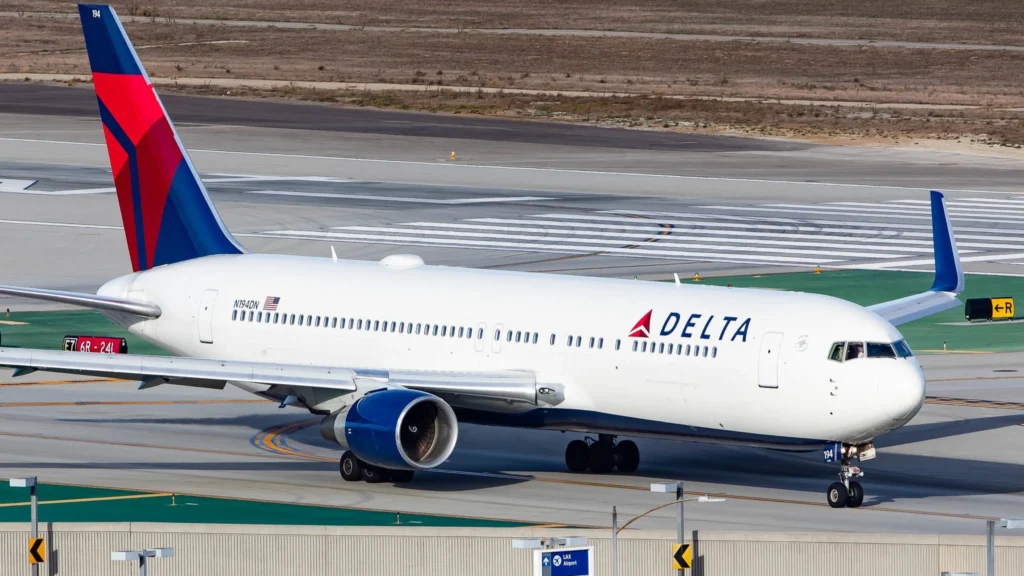
Delta Pilot Pay Errors Lawsuit
The complaint centers on California Labor Code requirements that mandate clear disclosure of total hours worked, applicable hourly rates, and the number of hours paid at each rate.
Calculating pay for airline crew involves multiple components, including flight duty time, premium hours, and various allowances. Even so, the law requires employers to show these figures plainly on every wage statement.
Retired Captain William McMillan claims Delta left these required fields blank, preventing pilots from confirming their pay accuracy at a glance.
Court filings state that pilots could not quickly determine total hours worked, hourly rates applied, or how those hours were distributed across different pay categories. According to PYOK, the lawsuit does not allege underpayment but focuses on the lack of mandated information.
ALPA, the union representing Delta pilots, has raised similar concerns for years. The group argues that Delta’s aging IT systems make wage verification difficult and that software upgrades remain underway but may take years to fully implement.
Delta’s Technology Limitations
Delta has acknowledged long-standing challenges within its pay processing systems. These systems were designed decades ago and must handle complex crew scheduling data that shifts throughout a duty period.
While the airline is actively modernizing its platforms, the transition involves extensive testing and integration with existing scheduling and payroll tools.
Industry analysts note that airlines with large domestic and international operations often depend on legacy platforms that are difficult to replace without major operational risk. This context may influence how the court interprets Delta’s compliance efforts, though state law still requires accurate and complete wage statements.
Potential Financial Impact
Delta argues that airline operations fall under federal oversight and that certain state requirements should not apply. If the court disagrees, the penalties could be significant.
California law outlines fines of fifty dollars for an initial violation and one hundred dollars for each subsequent one. When multiplied across more than a thousand pilots and multiple pay periods, the total exposure could reach several million dollars.
The case highlights ongoing challenges within airline payroll systems, where complex duty rules and legacy technology can leave workers uncertain about pay accuracy. The outcome may influence how airlines interpret state labor requirements moving forward.
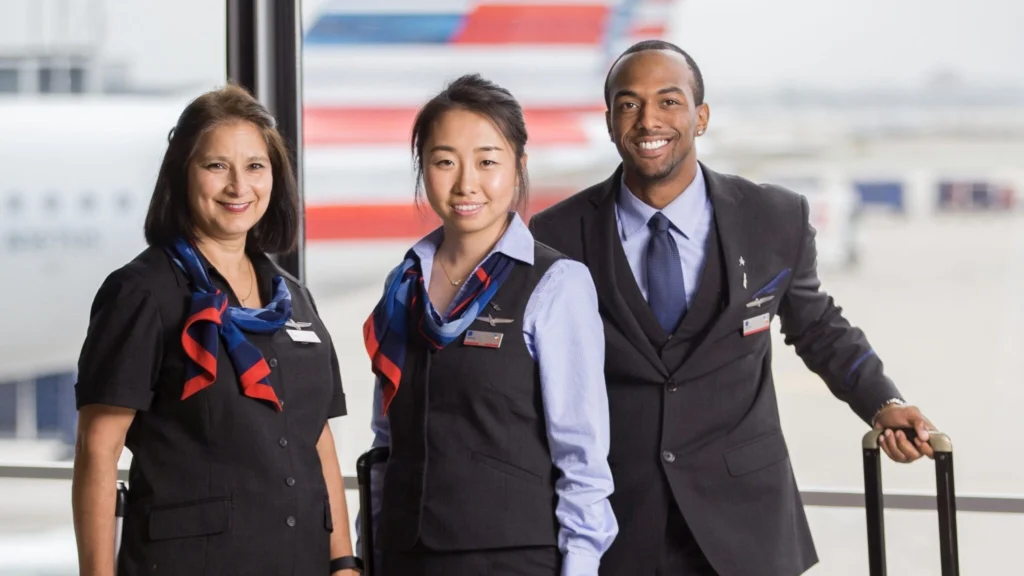
Similar Incident
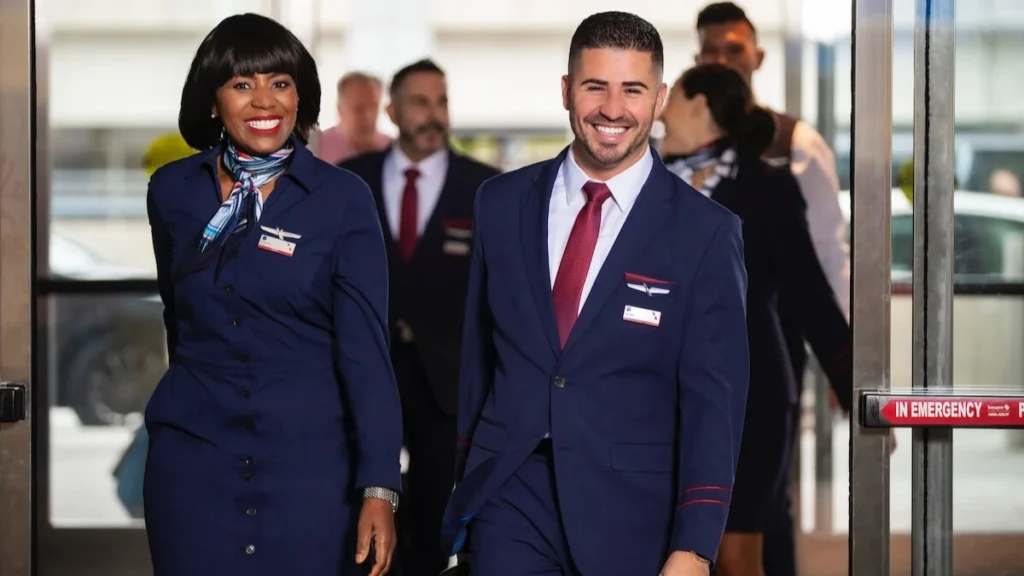
Two American Airlines (AA) flight attendants were removed from service after failing to resolve overdue dues owed to the Association of Professional Flight Attendants. The action stemmed from APFA’s broader effort to recover significant arrears from its membership.
The case involved crew based at or operating through Dallas Fort Worth International Airport (DFW), where APFA (AA) manages compliance with its union shop agreement. The dismissals reflect the union’s enforcement of mandatory membership and dues payment requirements.
Union Enforcement Pressures Soften but Continue
APFA represents tens of thousands of American Airlines flight attendants under an agreement that requires active membership. When dues remain unpaid, the union must notify the airline, which then removes the employee from service. This process resulted in two terminations earlier this year.
The union’s financial strain began during the pandemic, when reduced flying and extended leaves caused automatic payroll deductions to fall short. By 2022, APFA sought repayment of nearly 1.2 million dollars in outstanding dues.
About 362,000 dollars has been collected, and another 369,000 dollars is under installment plans. Roughly 600 crew members have entered repayment arrangements covering more than 500,000 dollars, though 65 plans have since defaulted.
Rising Arrears and Operational Impact
Some flight attendants accrued more than 10,000 dollars each in unpaid dues. While collection efforts have produced steady recovery, the number of crew members falling behind continues to grow.
Many of these cases trace back to reduced schedules or extended leaves that limited earnings and disrupted automatic deductions.
APFA requires more than 7 million dollars each quarter to run its operations, which include negotiations, representation, training programs, and legal support. Any disruption in dues revenue has an immediate effect on these services.
Mandatory Union Membership Requirements
American Airlines operates under the Railway Labor Act, which mandates union membership for flight attendants regardless of state Right to Work laws.
United Airlines (UA) is among the few other major carriers where similar requirements apply. While most members meet their obligations without issue, conflicts arise when non-payment coincides with disagreement over union policies or priorities.
Stay tuned with us. Further, follow us on social media for the latest updates.
Join us on Telegram Group for the Latest Aviation Updates. Subsequently, follow us on Google News
