

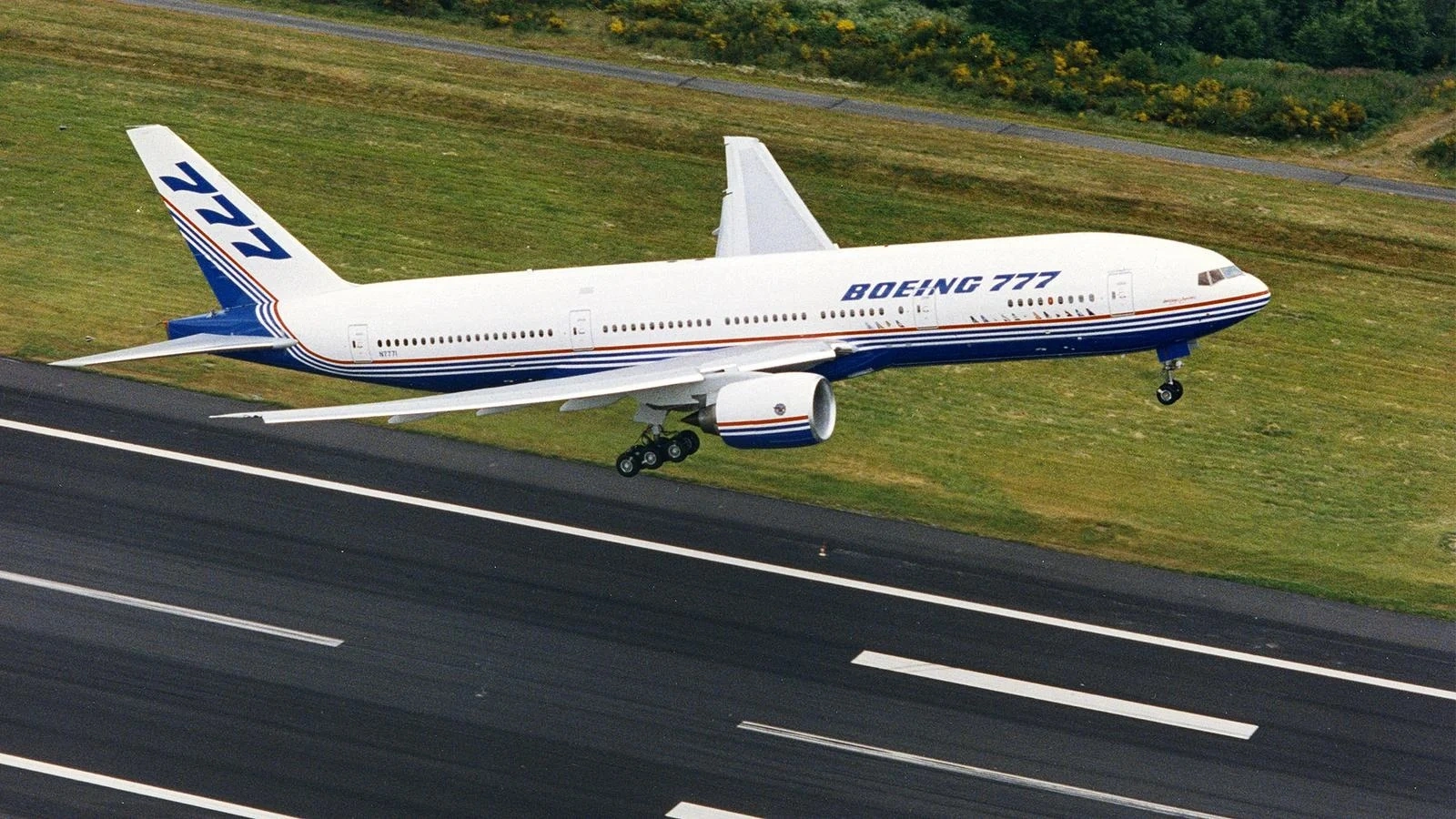
ARLINGTON- The Boeing 777 marks 30 years since its first delivery and entry into commercial service, establishing itself as the best-selling widebody aircraft family in aviation history.
Over three decades, it has reshaped long-haul travel through efficiency, reliability, and global connectivity.
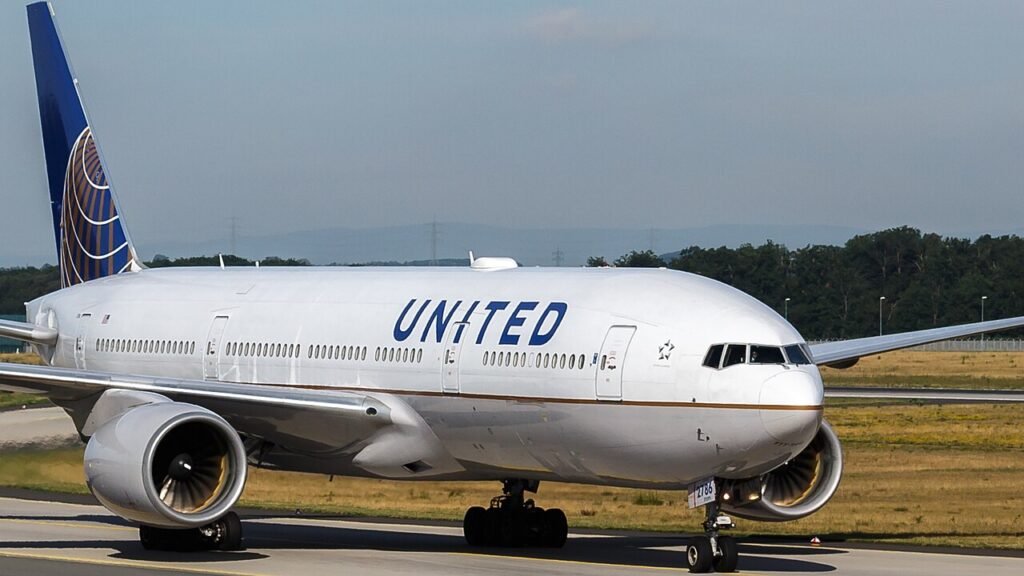
First operated by United Airlines (UA), the Boeing 777 began passenger service on a route connecting London Heathrow Airport (LHR) and Washington Dulles International Airport (IAD). Since that inaugural flight, the aircraft family has carried nearly four billion passengers worldwide.
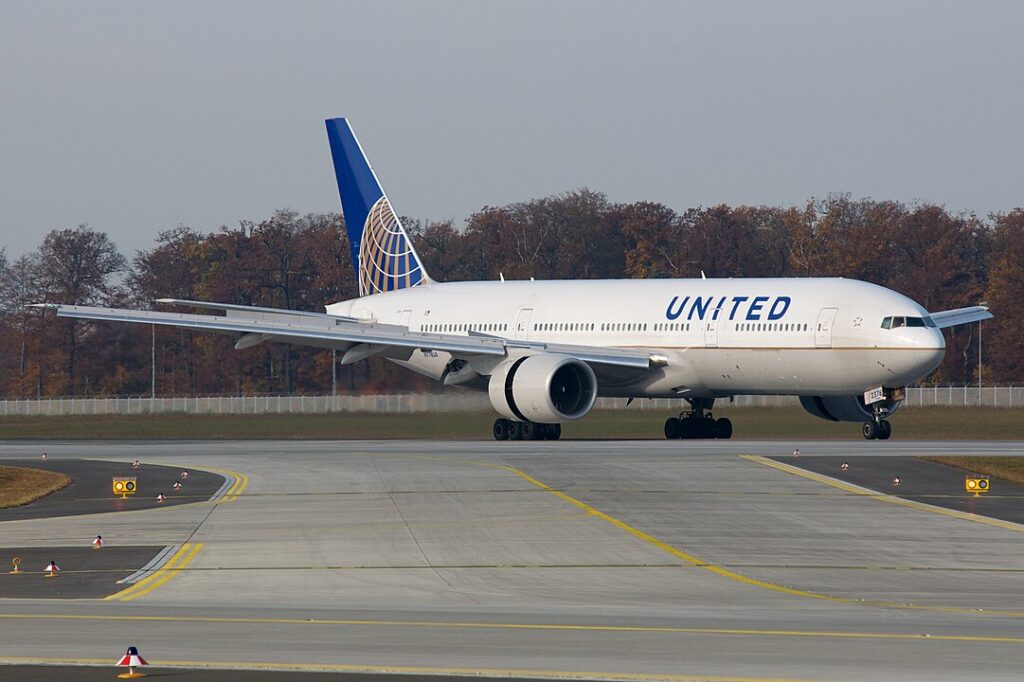
Boeing 777 30th First Flight Anniversary
Since entering service, the Boeing 777 has grown into a cornerstone of global air travel. Today, the fleet operates nearly 1,800 flights every day, linking major population centers, economic hubs, and remote regions across all continents.
The scale of its passenger impact is unprecedented. The nearly four billion travelers flown by the 777 over 30 years would fill Lumen Field, the home stadium of Seattle’s NFL team, every day for approximately 160 years.
This sustained operational volume underscores the aircraft’s enduring relevance in commercial aviation.
The Boeing 777 was developed to bridge the size and range gap between the 767-300ER and the 747-400.
Unlike previous Boeing programs, its design was shaped through direct collaboration with eight major airlines: All Nippon Airways, American Airlines, British Airways, Cathay Pacific, Delta Air Lines, Japan Airlines, Qantas, and United Airlines.
This “Working Together” group influenced key design decisions, including a wider cabin cross-section, flexible interior layouts, a two crew glass cockpit, fly-by-wire controls, and seat-mile costs targeted to be 10 percent lower than competing aircraft such as the Airbus A330 and McDonnell Douglas MD-11.
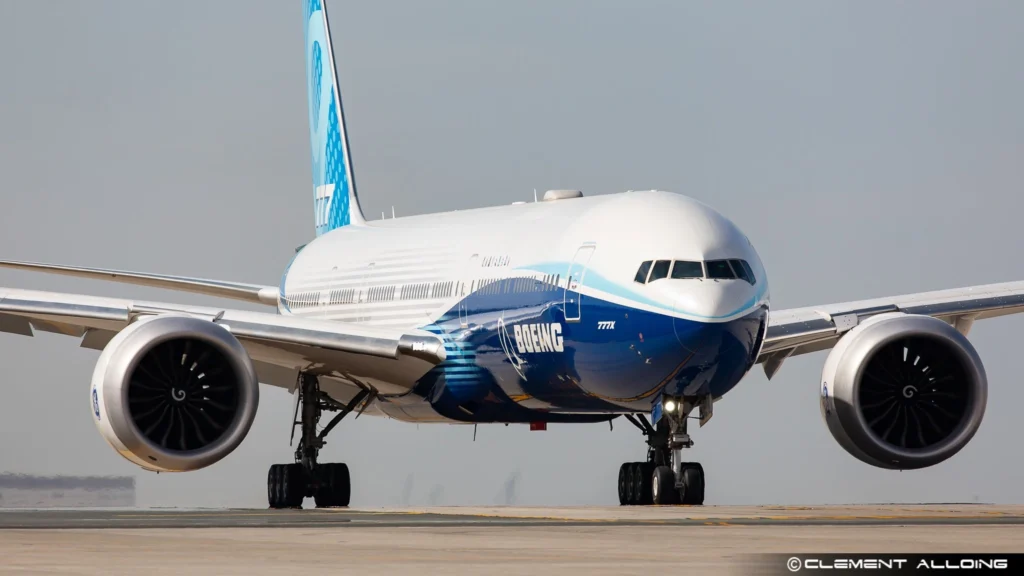
Testing, Certification, and Entry into Service
The Boeing 777 completed its maiden flight on June 12, 1994, initiating the most extensive flight-test program ever conducted for a Boeing commercial aircraft at the time.
Nine test aircraft powered by General Electric, Pratt & Whitney, and Rolls-Royce engines operated in environments ranging from California’s Edwards Air Force Base to extreme cold weather testing in Alaska.
Following 11 months of testing, the 777 received simultaneous airworthiness certification from the US Federal Aviation Administration and the European Joint Aviation Authorities on April 19, 1995.
This certification cleared the aircraft for global commercial operations under extended-range twin-engine operational performance standards.
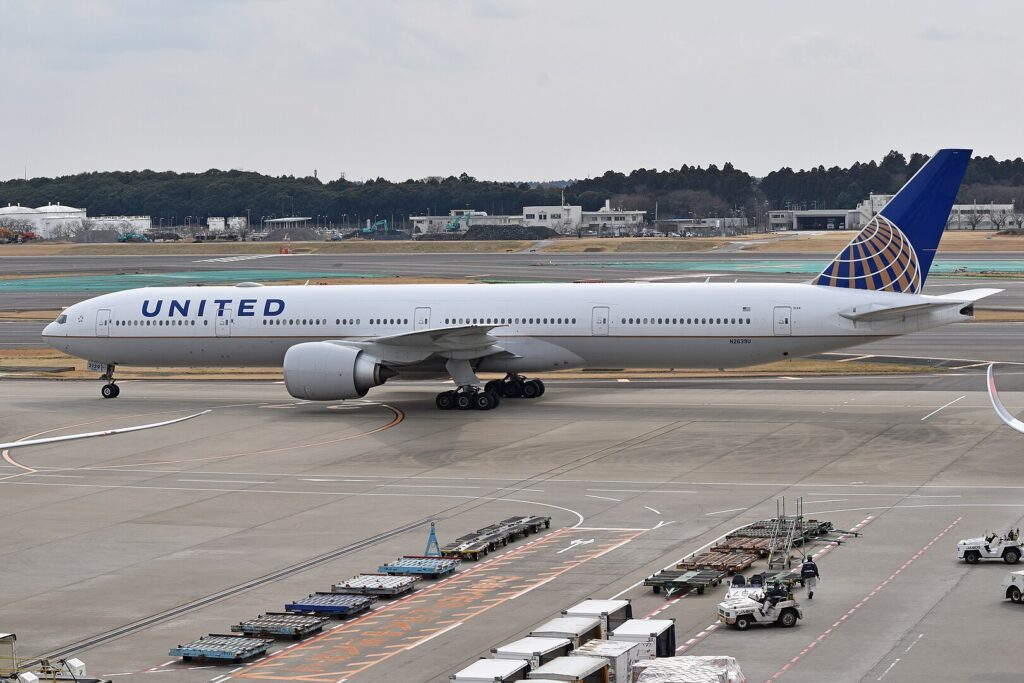
Production Scale and Industrial Impact
To support the 777 program, Boeing significantly expanded the Everett factory, investing approximately $1.5 billion to add two new final assembly lines.
The production process incorporated substantial international collaboration, with major structural components supplied by Japanese and Australian aerospace manufacturers.
Over time, the 777 evolved into Boeing’s most profitable widebody program. By the mid-2010s, it became the most widely used aircraft on transpacific routes and, in 2018, surpassed the Boeing 747 to become the most produced widebody aircraft in history.
Production rates were later adjusted in response to market conditions and the global aviation downturn caused by the COVID-19 pandemic.
Celebrating Customers and People Behind the Aircraft
To commemorate the 30th anniversary, Boeing released a video highlighting thousands of teammates from across the 777 program.
Employees expressed appreciation in more than 20 languages, ranging from Amharic to Urdu, directed to nearly 100 airline customers that have operated or ordered the aircraft family.
The anniversary also highlights personal connections within the program. One example is the Kojima family: Yuki Kojima began as a 777 structural engineer and later moved into Sales and Marketing; Yoko Kojima supports airlines as a customer engineer configuring 777X aircraft; and their daughter, Seira Kojima, works as a flight-test engineer on the 777X program.
Their combined careers reflect the multigenerational commitment behind the aircraft’s success.
Beyond Commercial Passenger Operations
The Boeing 777 fleet has supported a wide range of missions beyond scheduled passenger service.
Aircraft have delivered medical aid and humanitarian relief supplies, transported wildlife such as pandas and lions, and carried athletes to major global sporting events including the Olympic Games, the Super Bowl, and the FIFA World Cup.
These diverse operations demonstrate the aircraft’s adaptability, payload capability, and reliability in both commercial and special-purpose roles.
Market Leadership and Competitive Position
The success of the 777 strengthened Boeing’s leadership in the widebody market. The aircraft competed directly with models such as the Airbus A330, McDonnell Douglas DC-10, MD-11, and Lockheed L-1011, while eventually surpassing the 747 in total production.
Today, approximately two-thirds of all widebody aircraft in service and on order worldwide are Boeing airplanes, reflecting the long-term market impact of programs led by the 777 family.
Boeing 777 by the Numbers
- Nearly 100 airline customers worldwide
- More than 2,300 aircraft ordered
- Over 1,750 aircraft delivered
- 49 billion miles flown globally
- Equivalent to more than 237,000 round-trip flights between Earth and the Moon
Stay tuned with us. Further, follow us on social media for the latest updates.
Join us on Telegram Group for the Latest Aviation Updates. Subsequently, follow us on Google News
