


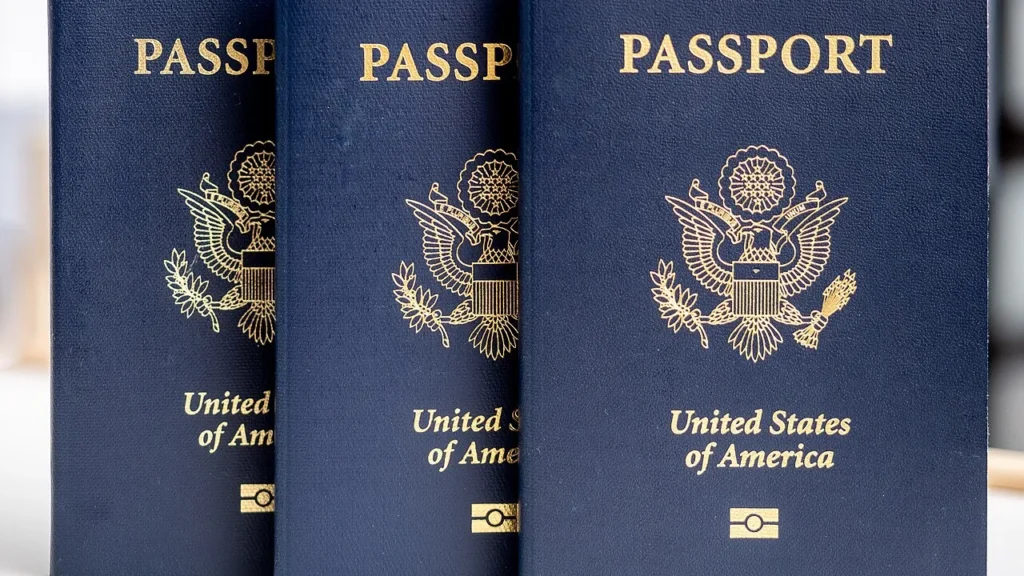
SYDNEY- Passengers may soon face higher renewal costs as Australia prepares for another passport fee increase. The government confirmed that application charges will rise again on January 1, continuing the trend of annual indexation.
Travelers planning international trips with carriers such as Qantas (QF) out of major airports like Melbourne (MEL) may want to apply early, since any application submitted before January 1 is charged at current rates. The hike will add between 5 and 10 dollars to the already world-leading passport fee.
Australia Passport Gets More Expensive
Australia’s 10-year passport currently costs $412, and the upcoming adjustment follows legislative requirements that tie fees to movements in the Consumer Price Index.
The Department of Foreign Affairs and Trade states that the price reflects the document’s security features and fraud prevention measures. These standards place the Australian passport among the most technically advanced globally.
The increase is part of the routine annual indexation that has been in place since 2011. It applies regardless of when the passport is printed or delivered, provided the application is lodged before the deadline.
Last year saw two separate increases, including a significant 15 percent adjustment that took effect on July 1. For comparison, a 10-year passport in 2023 cost 325 dollars, marking a clear upward trend across consecutive years.
How Australia Compares Internationally
Australia holds the distinction of issuing the most expensive passport in the world, yet its ranking among global passport indices slipped this year. It now sits in equal seventh, granting access to 185 destinations.
The previous year’s position was equal sixth with 189 destinations. Singapore holds the top ranking while issuing passports at a far lower cost, roughly 80 Australian dollars.
What This Means for Travellers
The upcoming fee rise reinforces the value of early application. Those planning trips in 2025 may reduce expenses by submitting their paperwork before January 1.
The cost structure reflects the government’s focus on document integrity, though it continues to widen the gap between Australia and lower-cost international counterparts.

Australia Travel Guide
Australia’s scale surprises many visitors. Long distances, distinct climates, and regional differences shape every trip.
First-timers often underestimate travel time, so early route planning pays off. Sydney and Melbourne anchor the urban experience with architecture, museums, and busy waterfronts.
Further north, Queensland’s tropical climates offer rainforest, reef, and relaxed coastal towns. Western Australia provides remote wilderness and fewer crowds, while the Northern Territory highlights deep Indigenous history and dramatic desert landscapes.
Natural landmarks set the tone for many itineraries. Uluru draws visitors for its cultural importance and sunrise views. The Great Barrier Reef offers unmatched marine life with diving and snorkeling suitable for most skill levels.
The Whitsundays attract sailors and beach lovers. Inland, the Outback delivers rugged scenery that defines the country for many. Each area requires different planning considerations, from transportation to park passes to weather patterns.
Top Destinations for First-Time Visitors
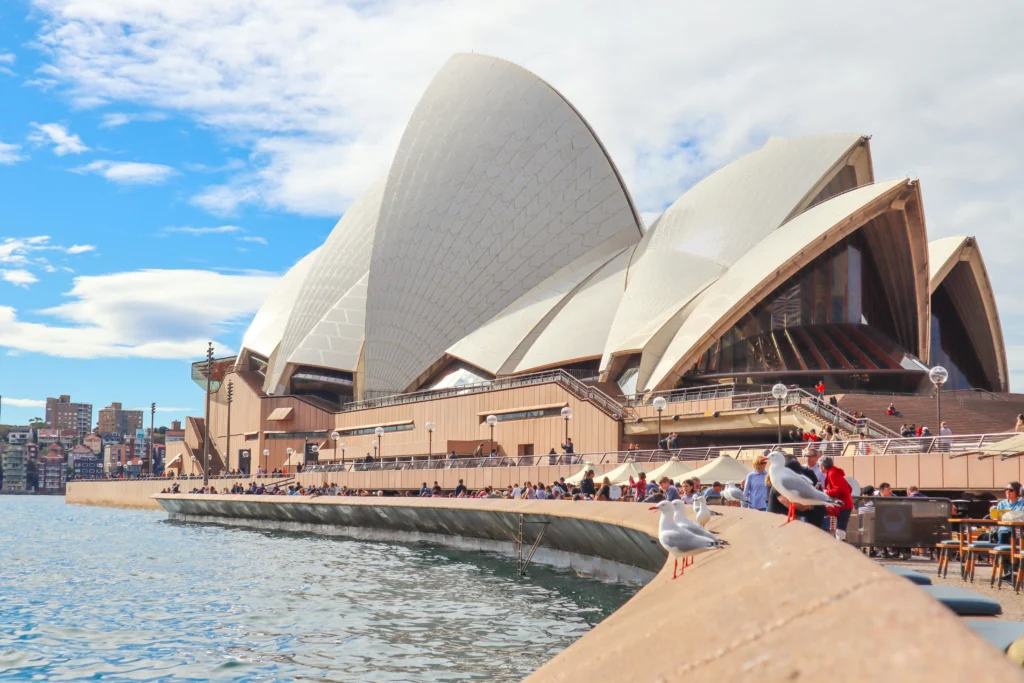
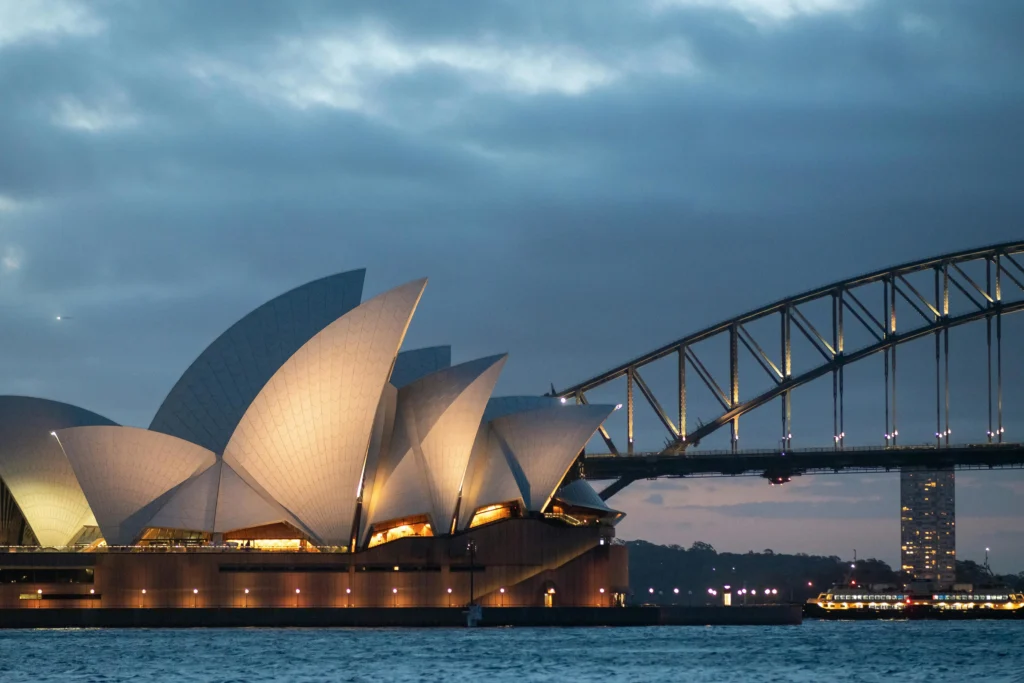
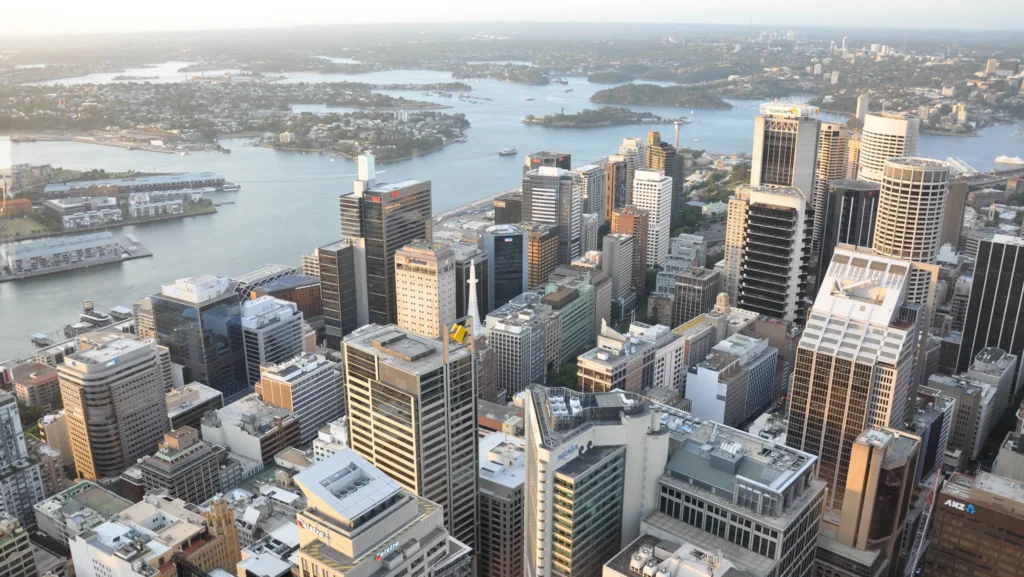
Sydney remains a must for those seeking a blend of city energy and coastal living. Travelers explore the harbour, visit Bondi and Manly, tour the Opera House, and walk through neighborhoods that reveal the city’s evolving character. Adventure options range from surfing lessons to guided bridge climbs.
Uluru offers a deeper look at Australia’s heritage. Visitors walk the base, learn about Anangu culture, and watch the colors shift during sunrise and sunset. Access requires park passes and careful planning due to the remote location.
The Great Barrier Reef stands out as the country’s most famous natural asset. Cairns serves as a common base for dive trips for all levels. Marine life is abundant, and conditions are reliable during much of the year.
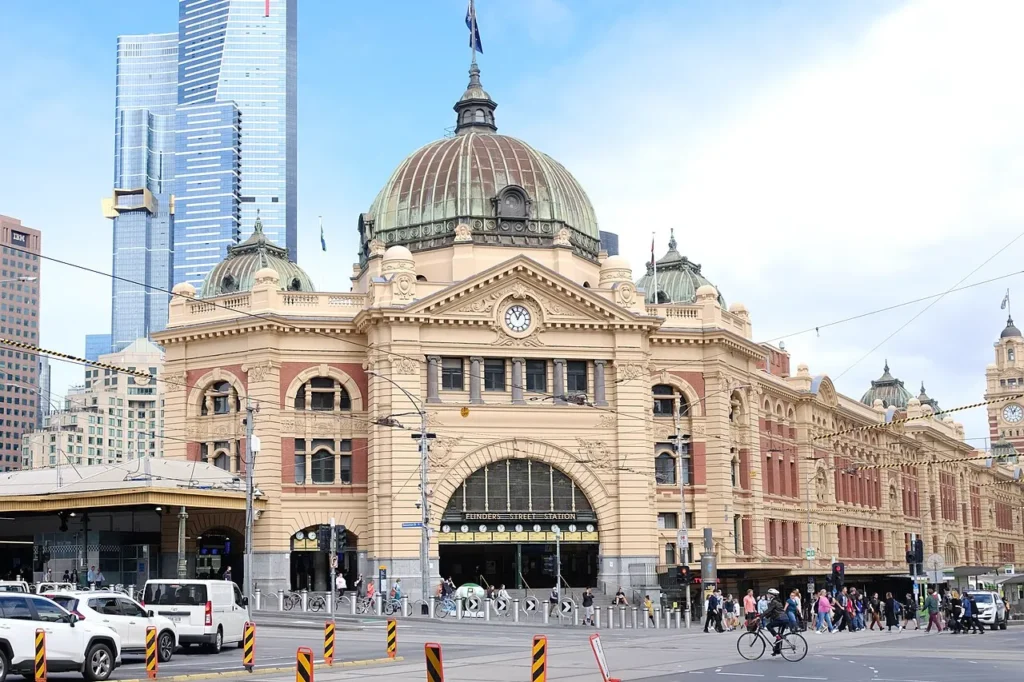
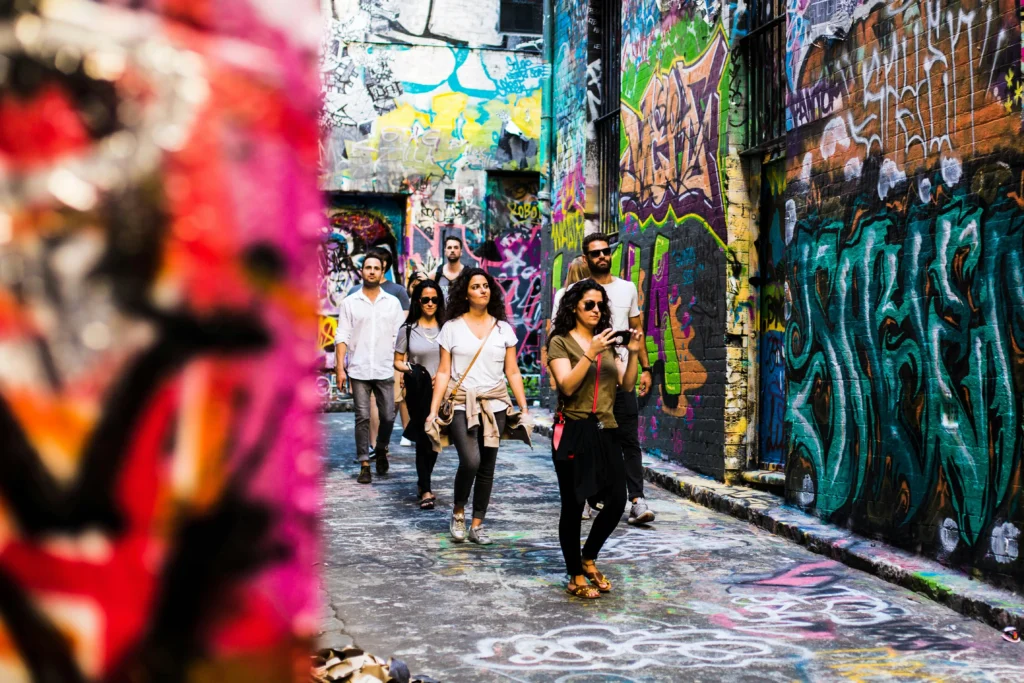
Melbourne provides a different pace. Its laneways, botanical gardens, multicultural food, markets, and art spaces appeal to travelers who enjoy slow exploration. The city also works well as a gateway to coastal drives and wineries.
The Whitsundays attract travelers looking for sailing, calm waters, and pristine island scenery. Guided multi-day trips remain the simplest way to explore the area for first-timers.
More Places Worth Considering
- Fraser Island draws visitors for its freshwater lakes, tall forests, sand dunes, and wildlife. A Four Wheel Drive is often needed.
- Cairns works as a hub for rainforest visits, waterfalls, and slow days in tropical heat.
- Brisbane’s South Bank offers relaxed walks, museums, and river views.
- The Daintree Rainforest gives travelers access to one of the world’s oldest ecosystems with varied hiking trails.
- Perth offers beaches, breweries, and access to Fremantle and Rottnest Island.
- The Outback delivers raw landscapes from valleys to red desert, best suited to travelers who enjoy remote road trips.
- The Gold Coast provides reliable surf conditions and beginner-friendly lessons.
- Wine regions such as Margaret River, Barossa Valley, and Hunter Valley offer tastings and scenic drives.
- Ningaloo Reef allows snorkelers to access coral close to shore with fewer crowds.
- Tasmania offers bays, hiking trails, small towns, and cooler weather.
- The Blue Mountains provide day hikes and viewpoints easily reached from Sydney.
- Broome and the Kimberley offer history, wilderness, and coastal scenery.
- Kakadu National Park contains wetlands, wildlife, and ancient rock art across a vast protected area.
Safety Guidance for New Travelers
Australia is safe, but nature presents real risks. Visitors need sunscreen, hydration, and awareness of long distances between towns. Remote drives require planning, fuel management, and communication.
Hikers should follow marked trails and understand weather conditions. Swimmers should stay inside flagged areas on beaches. Wildlife such as snakes, jellyfish, and crocodiles requires caution in specific regions.
Standard travel safety practices apply. Keep copies of documents, avoid walking alone late at night when intoxicated, and seek help by dialing 000 in emergencies.
Accommodation Overview
Options range from hostels to high-end hotels. Dorm beds start around 30 to 40 AUD, while privates sit near 110 to 150 AUD.
Budget hotels average 150 AUD, and luxury stays exceed 300 AUD. Airbnb offers private rooms and apartments across most major cities. Campgrounds remain affordable for road trips and remote travel.
Typical Food and Drink Costs
Prepared sandwiches cost 12 to 15 AUD. Pub meals average 15 to 30 AUD. Casual restaurants range from 25 to 55 AUD. Coffee is about 5 to 6 AUD. Groceries for a week generally fall between 90 and 150 AUD per person.
Suggested Daily Budgets
Backpackers spend around 120 AUD per day on hostels, cooking, and simple sightseeing.
Midrange travelers spend about 250 AUD per day on hotels, meals out, and more excursions.
Upscale visitors expect 500 AUD or more for luxury hotels, tours, and higher-end dining.
Getting Around the Country
Cities rely on reliable bus, train, and tram networks. Fares usually range from 2.75 to 4 AUD, with day passes under 10 AUD.
Intercity buses on the East Coast offer affordable travel when booked early. Greyhound and Premier remain the primary operators. Whimit Passes give flexible travel for 15 to 120 days.
Backpacker bus options cater to social groups with set itineraries across major regions.
Rail routes connect key cities and offer scenic trips such as the Ghan and Indian Pacific. Prices vary based on distance and timing.
Flights shorten long journeys across the country. Booking ahead helps keep prices down between major hubs.
Rideshares remain common among backpackers, while car rentals give flexibility for travelers exploring remote regions.
Hitchhiking is possible but best suited for those with flexible schedules.
Best Time to Visit
Summer typically runs from December to February, characterized by hot temperatures and increased crowds. Northern regions receive heavy rain during this season.
Winter, from June to August, brings cooler weather and lower prices. Southern areas become chilly and wet while northern areas stay warm.
Spring and autumn deliver mild conditions and fewer crowds.
Jellyfish season runs from October to April in northern waters and from November to March elsewhere, limiting safe swimming areas.
Stay tuned with us. Further, follow us on social media for the latest updates.
Join us on Telegram Group for the Latest Aviation Updates. Subsequently, follow us on Google News
