

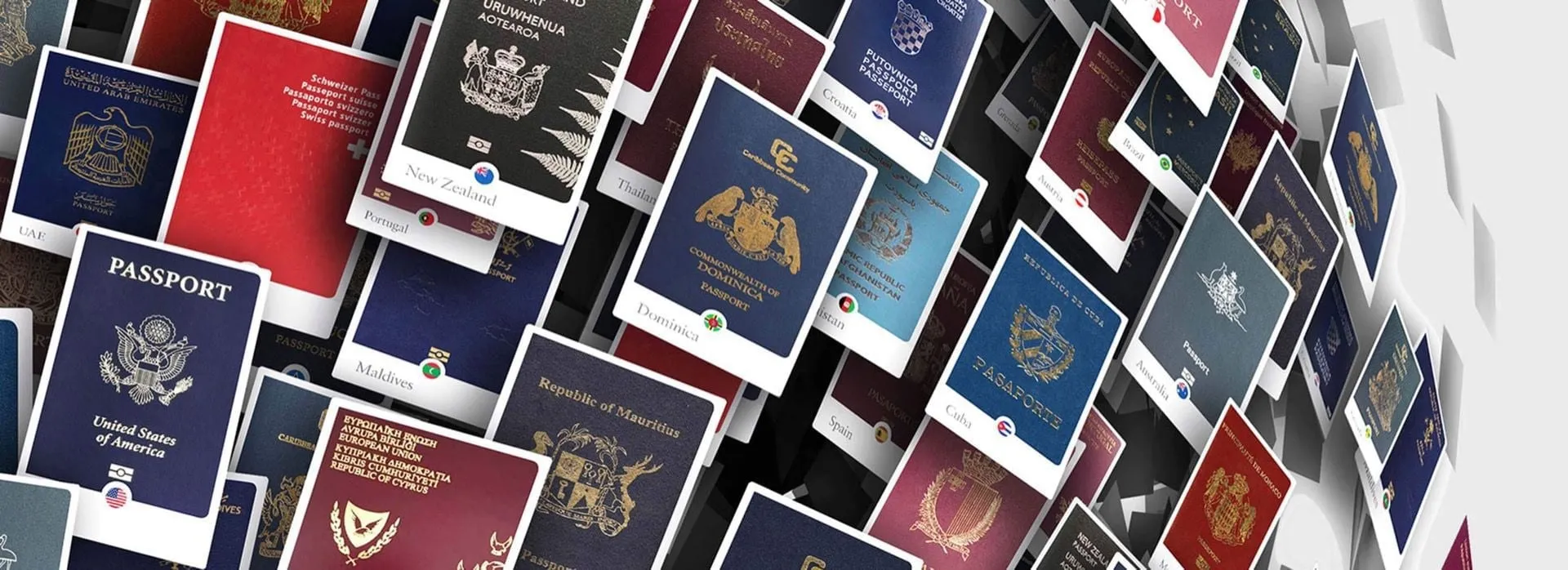
Every year, passport power rankings remind us that freedom to travel isn’t evenly distributed. While some citizens can hop across borders with little more than a smile and a stamp, others face endless visa queues and paperwork.
The 2025 Henley Passport Index—one of the most widely referenced global mobility reports—has just been released, and it tells a story of shifting influence, tightening borders, and surprising winners.
The rankings are a reminder that passport power isn’t just about prestige—it’s about geopolitics, diplomacy, and perception. Each ranking reflects years of behind-the-scenes negotiations, reciprocal agreements, and international relationships built—or strained—over time.
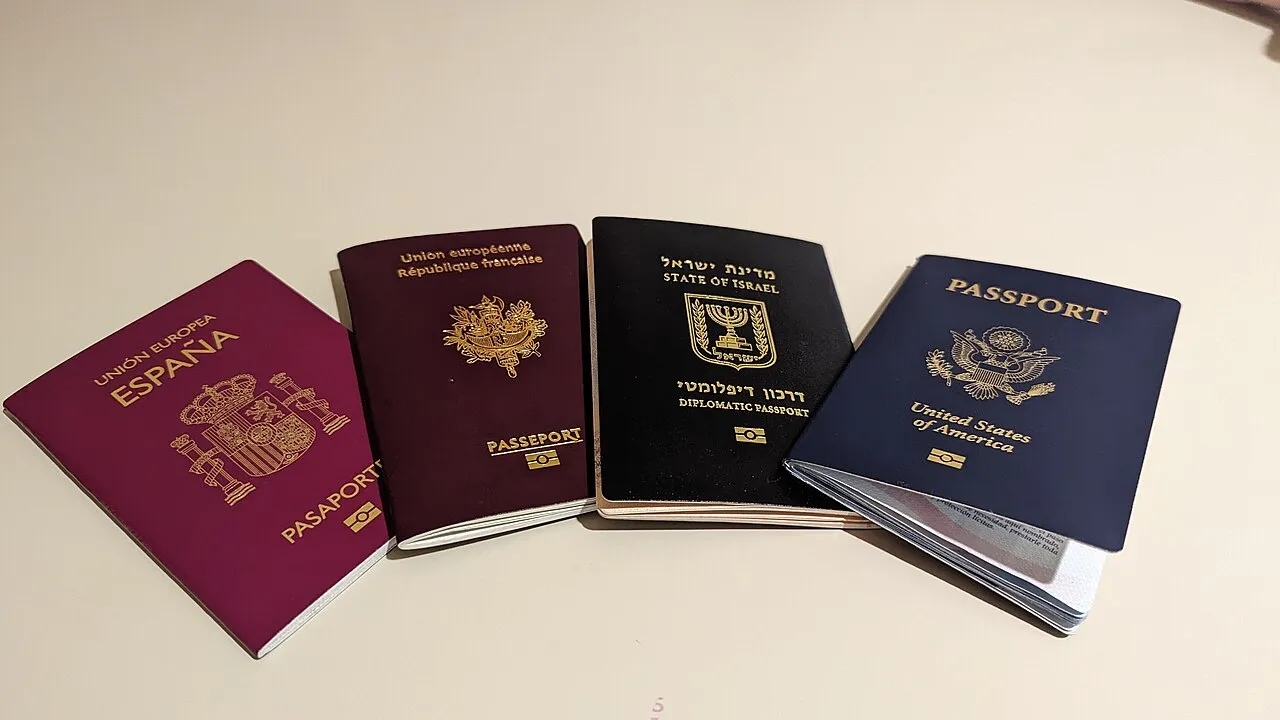
https://commons.wikimedia.org/wiki/File:Four_Different_Passports.jpg
World’s Most Powerful Passports in 2025
The Henley Passport Index, compiled using data from the International Air Transport Association (IATA), ranks passports based on how many destinations their holders can visit without applying for a visa in advance. This includes:
- Visa-free access
- Visas on arrival
- Electronic travel authorizations (ETAs).
This year’s top performers are dominated by Asian and European countries—reflecting years of steady diplomatic outreach, reciprocal visa agreements, and strong travel infrastructure.

Top 10 Most Powerful Passports (2025)
| Rank | Country | Visa-Free Access |
|---|---|---|
| 1 | Singapore | 194 countries |
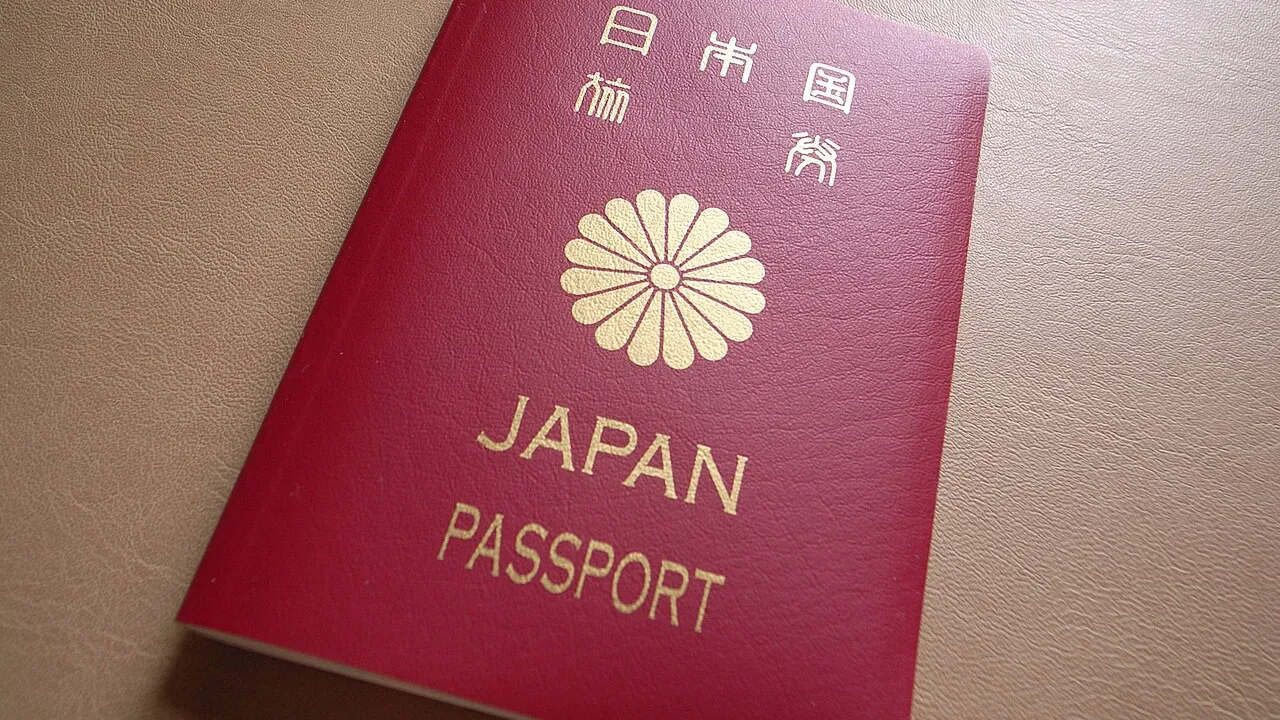
| 2 | Japan | 191 countries |
| 3 | South Korea | 190 countries |
| 4 | Germany, Italy, Spain, Switzerland | 189 countries |
| 5 | France, Netherlands, Luxembourg, Sweden | 188 countries |
| 6 | Finland, Norway, Portugal, Ireland, Austria | 187 countries |
| 7 | New Zealand, Belgium, Greece | 186 countries |
| 8 | Australia, Poland, Malta, Czechia | 185 countries |
| 9 | United Kingdom, United Arab Emirates | 184 countries |
| 10 | Canada | 183 countries |
Once again, Singapore retains the crown, offering near-global access unmatched by any other nation.
The strength of Asian passports—Singapore, Japan, and South Korea—underscores how consistent diplomatic engagement and reciprocal agreements can elevate mobility in a relatively short period.

World’s Least Powerful Passports
At the other end of the list, many citizens continue to face extreme travel restrictions, often reflecting their countries’ political instability, economic challenges, or strained international relations.
For these travelers, even short regional trips can require multiple applications, interviews, and fees.
Bottom 10 Passports (2025)
| Rank | Country | Visa-Free Access |
|---|---|---|
| 108 | Afghanistan | 25 countries |
| 107 | Syria | 27 countries |
| 106 | Iraq | 30 countries |
| 105 | Yemen, Pakistan | 32 countries |
| 104 | Somalia | 34 countries |
| 103 | Nepal | 37 countries |
| 102 | North Korea, Bangladesh | 39 countries |
| 101 | Libya, Eritrea, Palestine | 40 countries |
| 100 | Iran, Sudan, Sri Lanka | 42 countries |
| 99 | Congo, South Sudan | 44 countries |
These rankings have barely shifted over the past decade. Geopolitical instability, conflict, and weak diplomatic networks keep these nations’ passports near the bottom. For citizens of these countries, even obtaining a visitor visa can be an ordeal of uncertainty and cost.
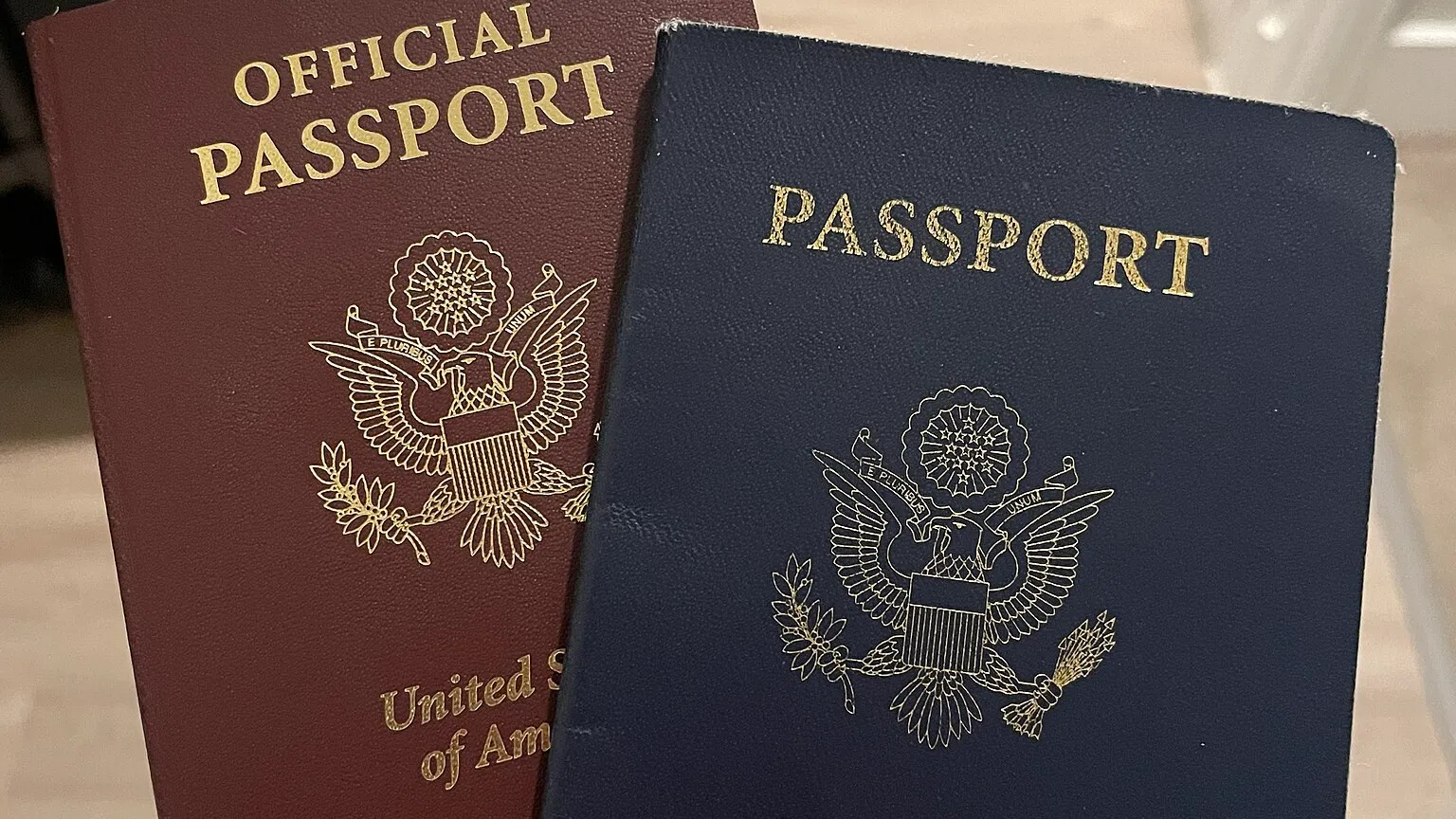
https://commons.wikimedia.org/wiki/File:US_Official_and_Regular_Passport_Comparison.jpg
Where Does the United States Rank in 2025?
Here’s where things get interesting—and a little humbling.
The U.S. passport now ranks 12th, tied with Malaysia, offering visa-free access to 180 countries. That might still sound impressive, but it marks a steep decline from a decade ago.
Back in 2014, the United States topped the global rankings, boasting near-universal travel freedom. Today, the once “world’s most powerful passport” has quietly slipped into the middle of the pack.
So, what happened?
Countries often base their visa rules on how they are treated in return. The U.S. has historically maintained strict visa requirements for many nations, including Brazil, Turkey, and several Southeast Asian countries.
In response, some of these nations have tightened their own policies toward American travelers.
Asian countries, in particular, have expanded visa-free access for European citizens but not necessarily for Americans. Vietnam, for instance, now allows short-term visa-free travel for several EU nationals but still requires U.S. citizens to apply.
Global perception matters. Political polarization, security vetting, and inconsistent immigration policies can all influence how other nations treat U.S. travelers. While the American passport still opens many doors, it no longer guarantees “effortless entry” in the way it once did.
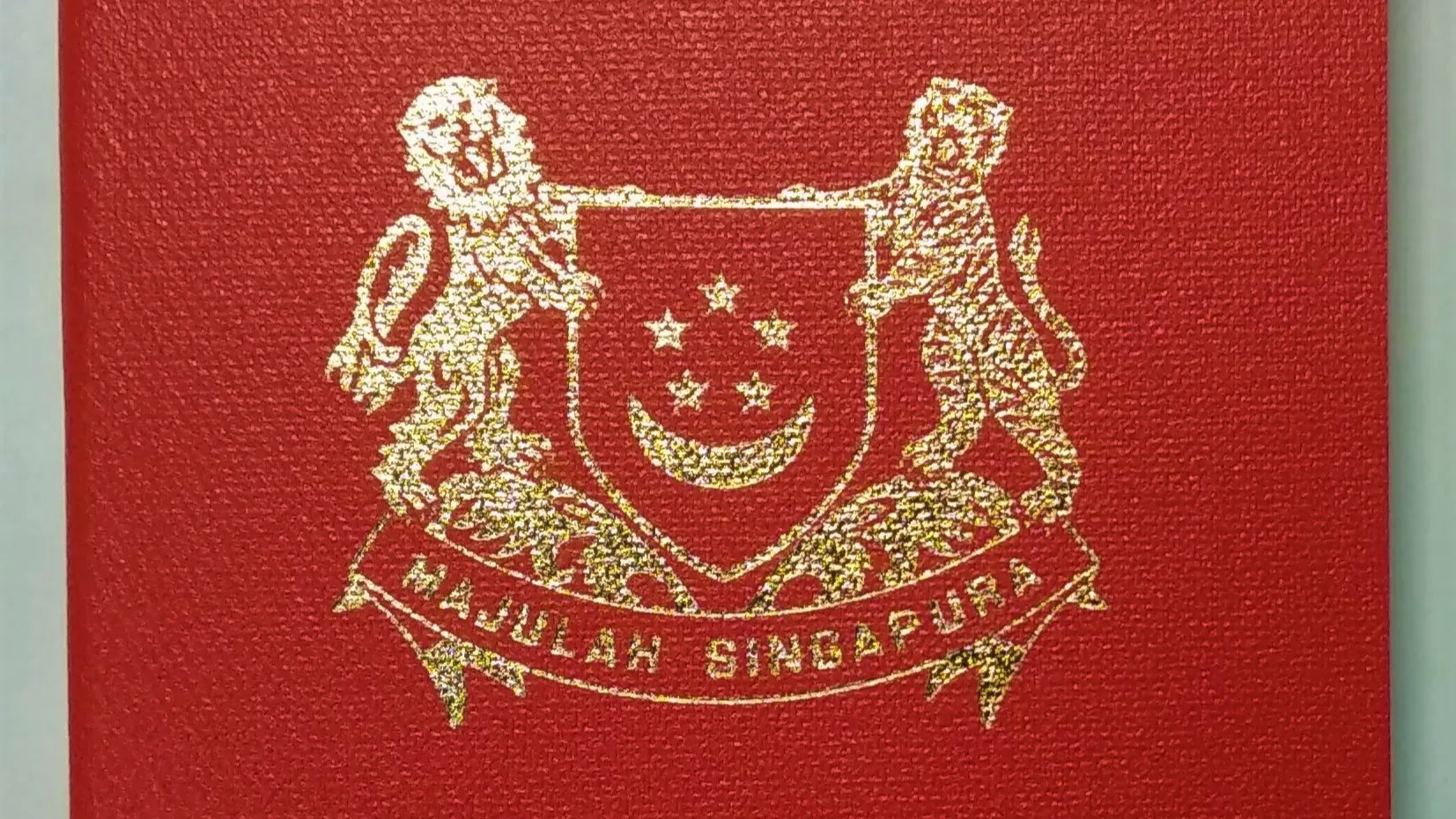
https://commons.wikimedia.org/wiki/File:2018_singapore_passport_cover.jpg
The Rise of Asia’s “Travel Superpowers”
Asia’s dominance in passport power isn’t just symbolic—it reflects an ongoing realignment of global influence.
Singapore’s rise is particularly noteworthy. As a global financial hub with strong ties to both East and West, it’s managed to build one of the most respected travel documents in the world.
Similarly, Japan and South Korea have leveraged decades of diplomatic goodwill and soft power to create remarkably open travel access for their citizens.
Even the United Arab Emirates has climbed into the top 10 in just over a decade—a remarkable achievement for a country that, until recently, required visas for much of Europe and North America.
What Makes a Passport “Powerful”?
While rankings like the Henley Index focus on the number of visa-free destinations, they don’t always capture quality of access. Several factors shape how useful a passport really is.
1. Duration and ease of entry
Some “visa-free” arrangements allow only short visits—sometimes just 15 days—while other nations grant multi-year visas on arrival. For example, U.S. travelers to Russia can obtain three-year, multiple-entry visas, even though Russia isn’t visa-free.
2. Right to work or reside
European Union passports, particularly those from Ireland or Germany, offer freedom of movement across the EU, including the right to live and work—something no number of short-term visas can match.
3. Consular protection
Another underrated factor is the level of support available abroad. The U.S. and China, for instance, maintain some of the world’s largest diplomatic networks, offering emergency assistance even in remote regions.
4. Ease of obtaining the passport
While the Henley Index measures global access, it doesn’t reflect how easy (or expensive) it is for citizens to get their passports in the first place. An Australian passport, for example, costs roughly AUD 412 (USD 265)—one of the world’s most expensive.

https://commons.wikimedia.org/wiki/File:Photomontage_Listenbourg_passport_-_derivative_work.jpg
Why Rankings Are Shifting
The 2025 results highlight three long-term trends shaping global mobility:
- Post-pandemic normalization
Countries that imposed temporary entry restrictions during COVID-19 have mostly reopened, but the experience led many to reassess security and reciprocity policies. - Digital travel authorizations
Systems like Europe’s upcoming ETIAS and the U.K.’s ETA will soon require travelers from traditionally visa-free nations (including the U.S.) to register online before arrival—technically not visas, but extra friction nonetheless. - Geopolitical realignments
As Asia and the Middle East strengthen their diplomatic and economic influence, traditional Western travel privileges are slowly eroding. The rise of multipolar global diplomacy means visa-free travel is increasingly a two-way negotiation.
Does Passport Power Really Matter?
If you’re a frequent flier who crosses multiple borders every month, visa-free access can save thousands in fees and weeks of waiting. But for the average tourist visiting two or three countries a year, the difference between 180 and 190 destinations is marginal.
More importantly, where you can go often matters more than how many places you can visit. A U.S. or Canadian passport may not top the charts, but both still allow effortless travel to the world’s most visited destinations—Europe, Japan, Australia, and much of Latin America.
https://commons.wikimedia.org/wiki/File:Japanese_passport_crimson.jpg
Bottom Line
The 2025 Henley Passport Index reveals a shifting world map of mobility. Singapore remains the global leader, while the United States has fallen out of the top 10 for the first time in decades. The change isn’t catastrophic—but it is symbolic.
Still, whether you carry the world’s strongest or weakest passport, one truth remains constant: the value of travel lies not in how many countries you can visit, but in how deeply you experience the ones you do.
Stay tuned with us. Further, follow us on social media for the latest updates.
Join us on Telegram Group for the Latest Aviation Updates. Subsequently, follow us on Google News
