

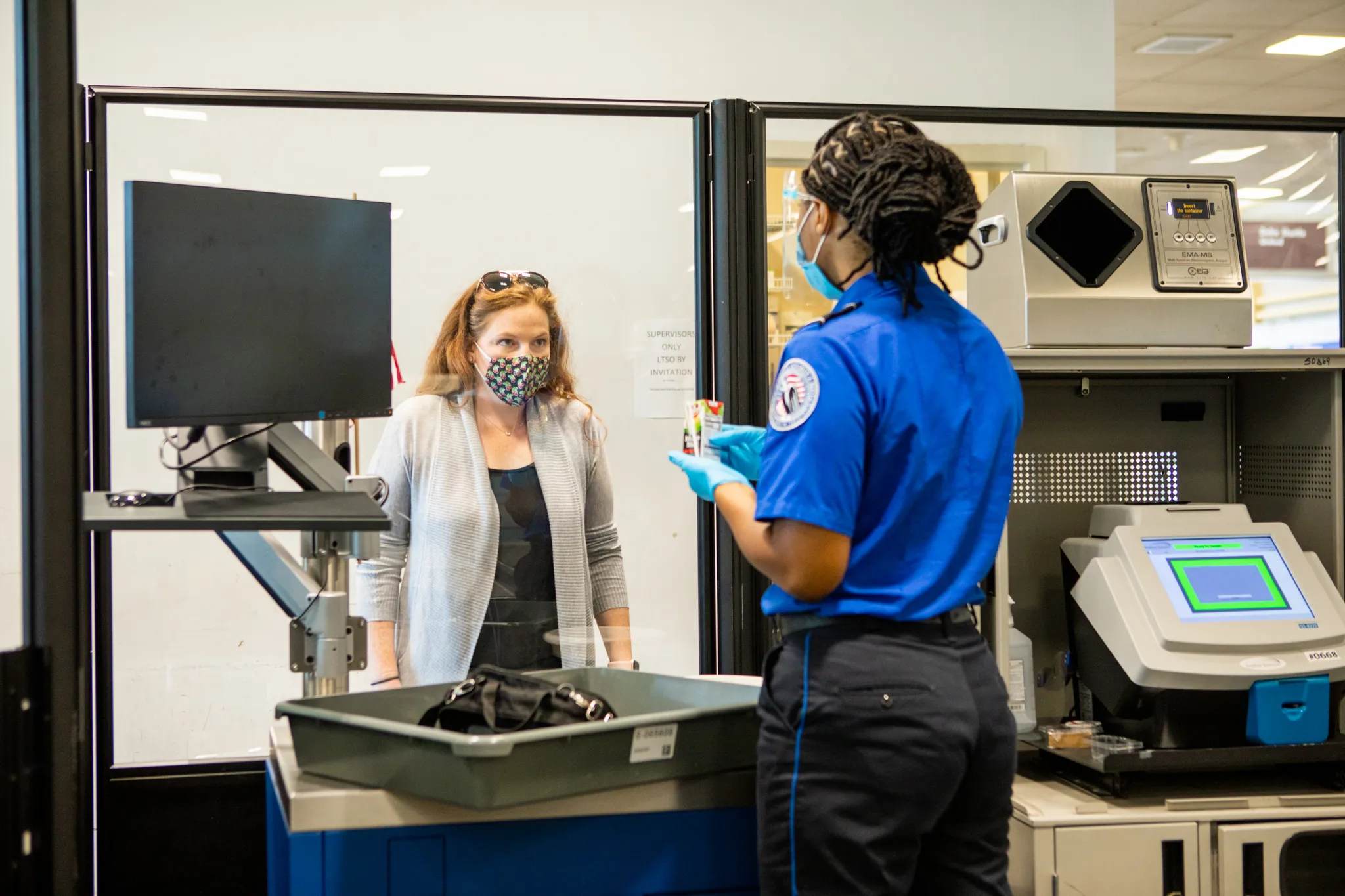
WASHINGTON- The Transportation Security Administration (TSA) has expanded how airline passenger data is used, allowing immigration authorities (ICE) to make arrests at US airports, including on domestic routes. This change reflects deeper coordination between federal agencies on immigration enforcement.
Airlines and departure points are now part of an operational process where booking data collected for security screening is also used to identify travelers subject to deportation orders.

TSA Shares Passenger Data to ICE
According to reporting by The New York Times, the Trump administration is increasingly relying on airline booking information to support deportation efforts.
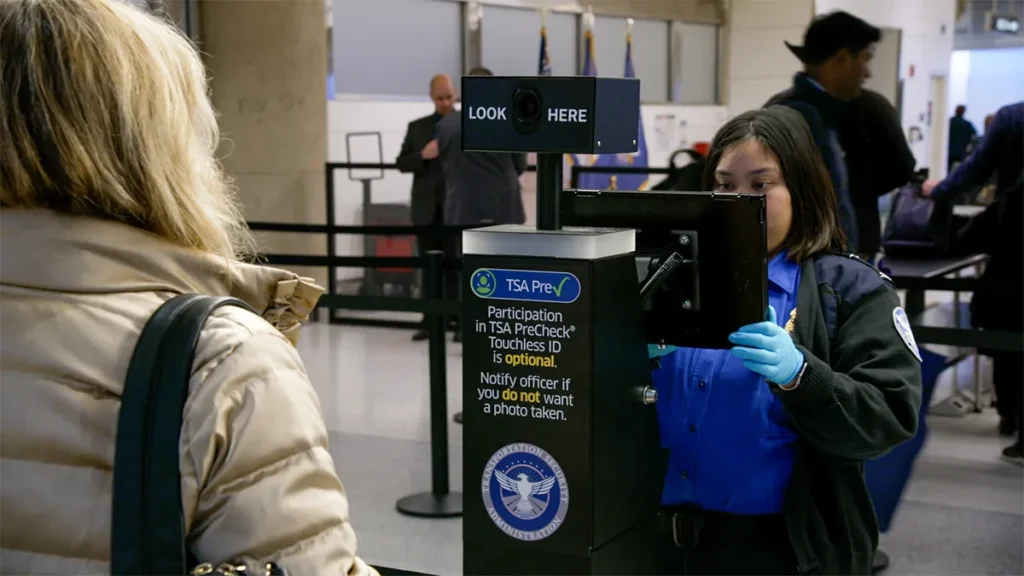
When travelers purchase airline tickets, their personal data is routinely transmitted to the TSA and checked against national security databases.
Historically, this screening focused on identifying suspected terrorists or individuals on security watch lists. The TSA did not use this information for routine domestic criminal enforcement or immigration matters. That practice changed in March 2025.
Under a program launched at that time, the TSA began sharing the names of all travelers booked on flights with Immigration and Customs Enforcement (ICE) multiple times per week.
ICE compares these passenger lists against its own database of individuals subject to deportation and dispatches agents to airports to arrest those identified before departure.
According to OMAAT, this marks one of the most significant expansions of how domestic airline data is used beyond aviation security purposes.

Trump Administration Objectives and DHS Messaging
The program aligns with President Donald Trump’s stated goal of carrying out the largest deportation campaign in United States history.
A spokesperson for the Department of Homeland Security summarized the administration’s position by stating that “the message to those in the country illegally is clear: the only reason you should be flying is to self-deport home.”
A former deputy head of ICE’s New York City office described the initiative as a strategic enforcement tool, stating that routine air travel has been transformed into a force multiplier for removals.
The official emphasized that airports allow authorities to efficiently identify individuals who believed they could avoid enforcement simply by boarding a plane.
The practical application of this policy gained national attention following the arrest of Any Lucia Lopez Belloza, a 19 year old college student living in Boston.
On November 20, 2025, she arrived at Boston Logan International Airport to fly to Texas for Thanksgiving to visit her family.
Shortly before boarding, she was told there was an issue with her boarding pass. While walking toward a customer service desk, she was surrounded by ICE agents, placed in handcuffs, and removed from the airport, according to her attorney.
Within 48 hours, she was deported to Honduras, a country she had not lived in since the age of seven, when her parents brought her to the United States while seeking asylum.

Conflicting Legal Claims and Due Process
Her attorney stated that she was deported despite a federal judge issuing an order barring the government from removing her outside Massachusetts.
The attorney also said she was never shown a warrant, a removal order, or given an explanation by ICE officials.
The Department of Homeland Security responded that an immigration judge ordered her removal in 2015 and that she remained in the country illegally afterward.
Her attorney disputed this claim, stating that the only record found in the government database indicated her case was closed in 2017.
Ethical Debate and Enforcement Targets
Immigration enforcement remains a deeply divisive issue. Public opinion broadly supports the deportation of violent criminals, but cases involving individuals brought to the United States as children continue to raise ethical concerns.
Critics argue that some deportations appear driven by numerical targets rather than individualized assessments.
Senior White House official Stephen Miller has publicly stated a goal of arresting 3,000 people per day for immigration violations, a benchmark that has intensified scrutiny of enforcement tactics.
Supporters of the policy note that airports provide precise information about where and when individuals will be present.
TSA screening also confirms that passengers do not have weapons, making airport arrests operationally efficient.
Implications for Domestic Air Travelers
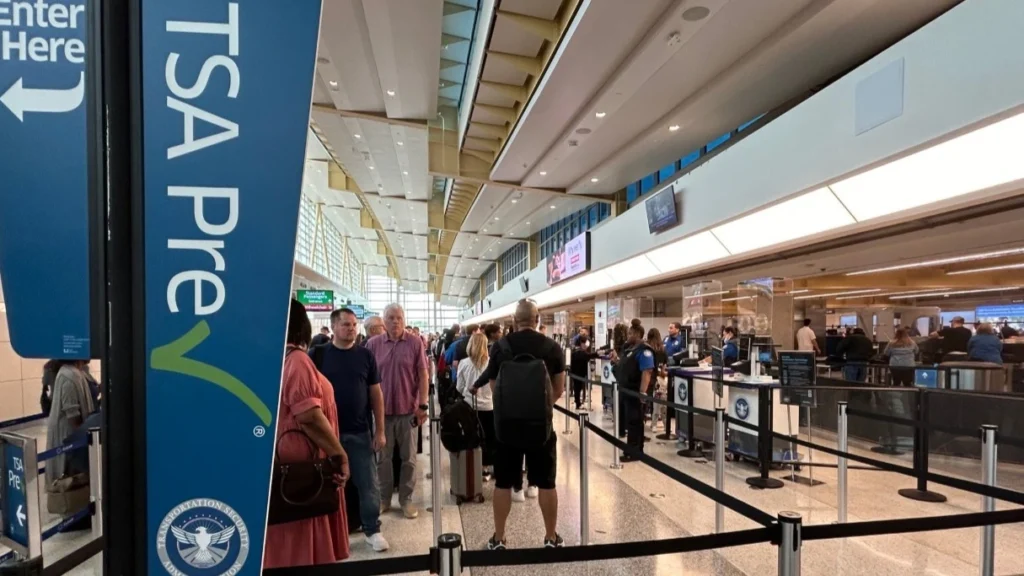
The expanded sharing of passenger lists represents a clear departure from how domestic airline data was previously used. Travelers who may be subject to deportation proceedings now face increased risk when flying within the United States, even on purely domestic itineraries.
This shift underscores how routine air travel has become an active point of contact for immigration enforcement rather than solely a security screening process.
Stay tuned with us. Further, follow us on social media for the latest updates.
Join us on Telegram Group for the Latest Aviation Updates. Subsequently, follow us on Google News
