

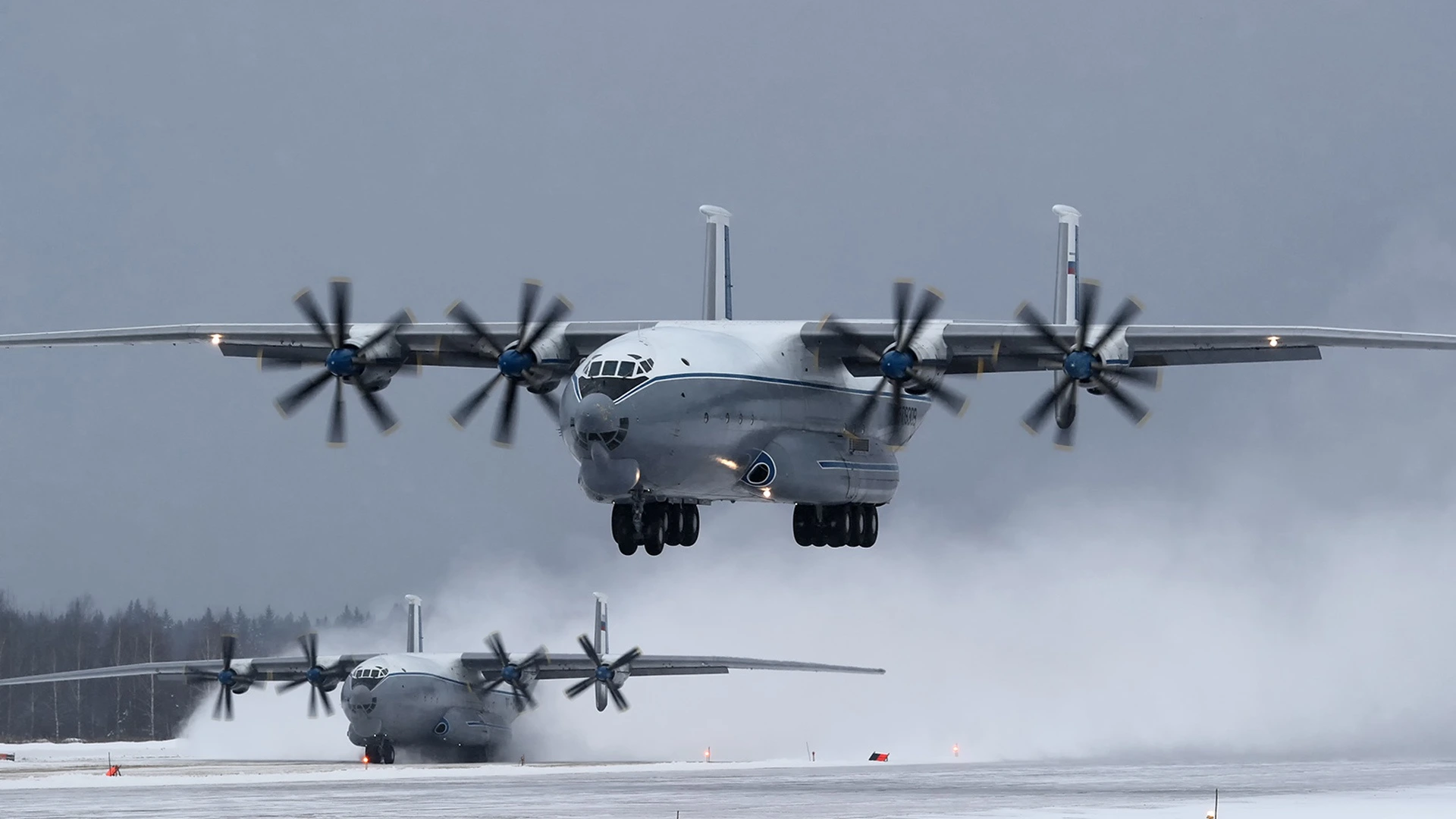
The Antonov An-22 Antei, operated by the Russian Ministry of Defence, crashed into the Uvodskoye Reservoir in the Furmanovsky District near Ivanovo (IWA). The aircraft was on a test flight following repairs when it went down, leaving only fragments on the surface.
Early reports indicate that all seven crew members on board are believed to have died. The flight took place during a period when Russia was preparing to withdraw the type from service.
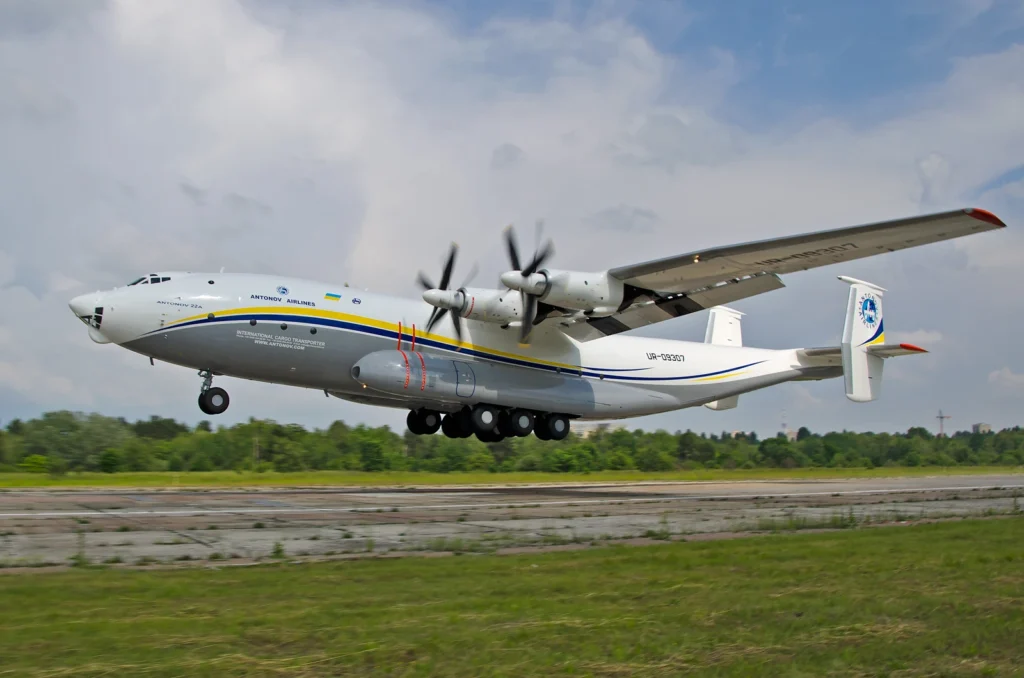
Antonov An-22 Crashed in Russia
The An-22 had been nearing the end of its operational life, with Russian officials previously confirming plans to retire the aircraft in 2024. Despite that intention, the transport fleet remains under pressure due to the demands of ongoing military operations, which continue to stretch the available heavy-lift platforms.
The aircraft involved was one of only a few still considered flightworthy. According to the Russian Planes database, just three An-22s remain capable of flight, while ten others are in storage.
The remainder of the 68 examples built have been scrapped or lost over time. The aircraft’s return to test flying suggests the need to maintain older airframes in service because Russia lacks enough lifting capacity from its Il-76s, limited An-124s, and declining numbers of An-12s and An-26s.
Background On The An-22’s Long Service Life
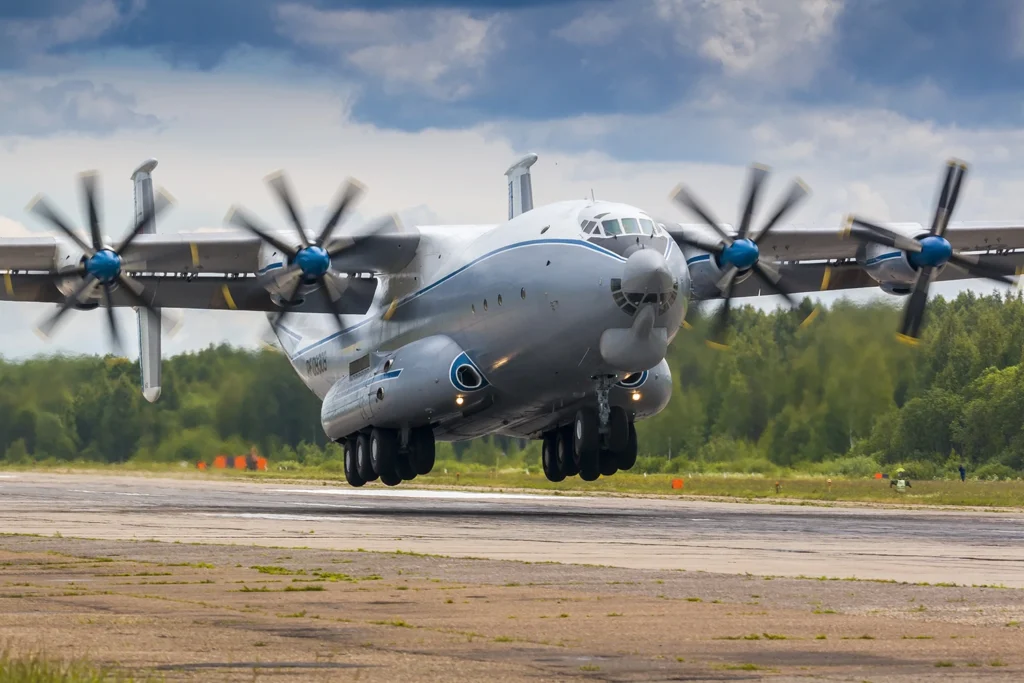
The An-22 Antei first flew in 1965 and entered military service shortly after. Its appearance at the Paris Air Show the same year drew global attention due to its size and power.
Four Kuznetsov NK-12MA turboprops, each producing more than 14,800 horsepower, gave it a performance unmatched by any other turboprop aircraft.
At nearly 58 metres long with a wingspan of more than 64 metres, it was the first widebody transport aircraft. Its large cargo hold and maximum payload of about 80 tonnes enabled missions ranging from moving armoured vehicles to delivering aid into poorly prepared airstrips.
The aircraft set 41 world records, many tied to payload and performance. It also supported the production and transport of parts for larger aircraft such as the An-124 and the An-225.

Decline Of A Soviet-Era Transport Icon
Sustaining the An-22 has become increasingly difficult. Age, limited spare parts, and rising maintenance demands have pushed the type toward retirement.
Russia’s reliance on these older aircraft increases safety risks, especially when high operational tempo forces continued use of airframes approaching six decades of service.
With the loss of this aircraft in Ivanovo, the available fleet shrinks further, highlighting the challenges Russia faces in maintaining its military airlift capacity.
Similar Incident
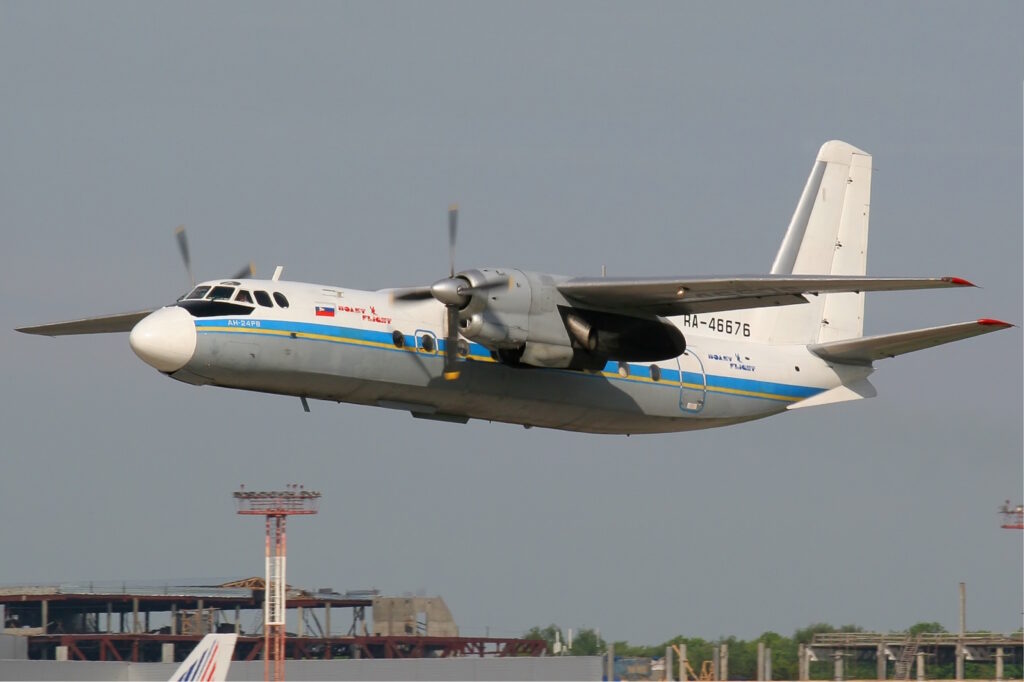
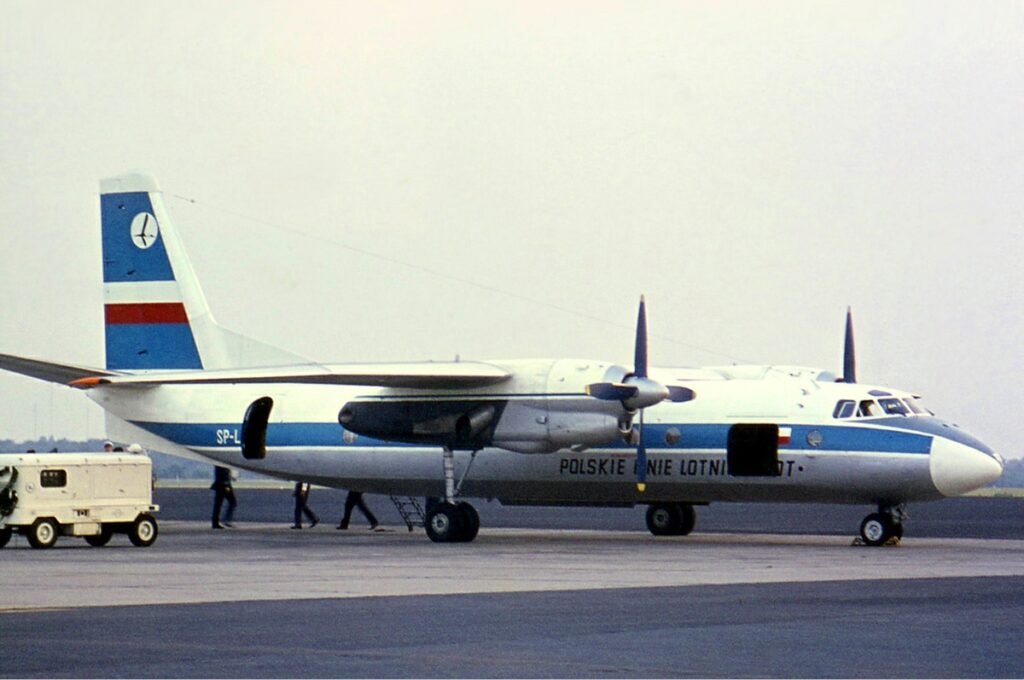
A Soviet era Antonov An-24 operated by Angara Airlines AG has crashed while approaching Tynda Airport TYD in Russia’s far east, killing all 48 people onboard. The aircraft had departed from Blagoveshchensk BQS and lost contact with controllers shortly before its scheduled landing.
Authorities reported that burning wreckage from the nearly 50-year-old aircraft was located about 15 kilometres from Tynda Airport TYD on a remote mountainside. Rescue teams reached the site after clearing dense forest with heavy machinery.
Angara Airlines An-24 Crash Details and Findings
Investigators confirmed that 42 passengers, including five children, and six crew members were aboard the Angara Airlines AG flight. The aircraft vanished from radar during its descent toward Tynda, a small town in the Amur region near the Chinese border. Russian media later published images showing smoke rising above thick woodland at the crash location.
A criminal case has been opened to examine suspected violations of air traffic and operational rules. Early assessments point to a possible technical malfunction or human error. Regional governor Vasily Orlov announced three days of mourning and ordered flags lowered as authorities work through the aftermath.
The Aircraft’s History and Operational Challenges
The Antonov An-24 is a twin-turboprop regional aircraft introduced in the late 1950s. It became widely used in remote parts of Russia and Central Asia due to its durability and ability to operate on unpaved runways. The aircraft involved in this crash was built in 1976, placing it among the older units still in service.
Russia has faced mounting mechanical issues across its aviation sector since the start of the Ukraine conflict. Sanctions have limited access to spare parts for Western aircraft and complicated the maintenance of Soviet era fleets.
In recent years, several regional operators have urged authorities to extend the service life of the An 24, arguing that sanctions make it difficult to replace ageing models.
Previous Technical Issues Linked to the Aircraft
Records indicate that this particular An 24 had encountered at least two technical malfunctions since 2022. The generator failed during a flight in May 2022.
In March of this year, the crew was asked to return to the parking area before departure due to radio communication issues on a scheduled service from Irkutsk to Kirensk.
The crash marks Russia’s first fatal passenger aviation accident since July 2021, when a Petropavlovsk Kamchatsky An-26 went down near Palana, resulting in 28 deaths.
Stay tuned with us. Further, follow us on social media for the latest updates.
Join us on Telegram Group for the Latest Aviation Updates. Subsequently, follow us on Google News
