


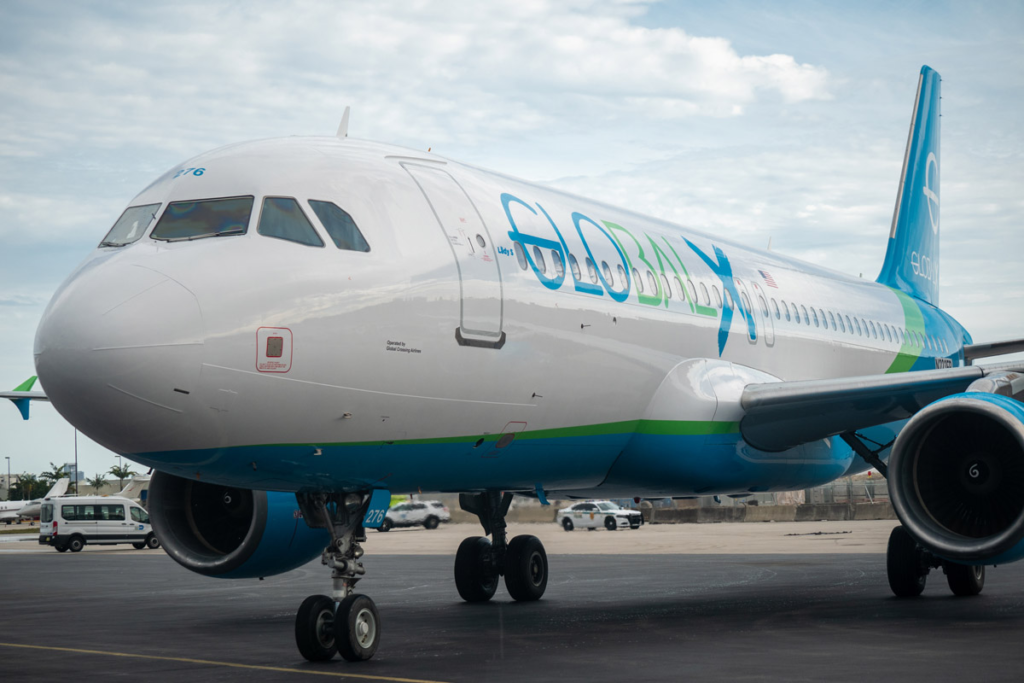
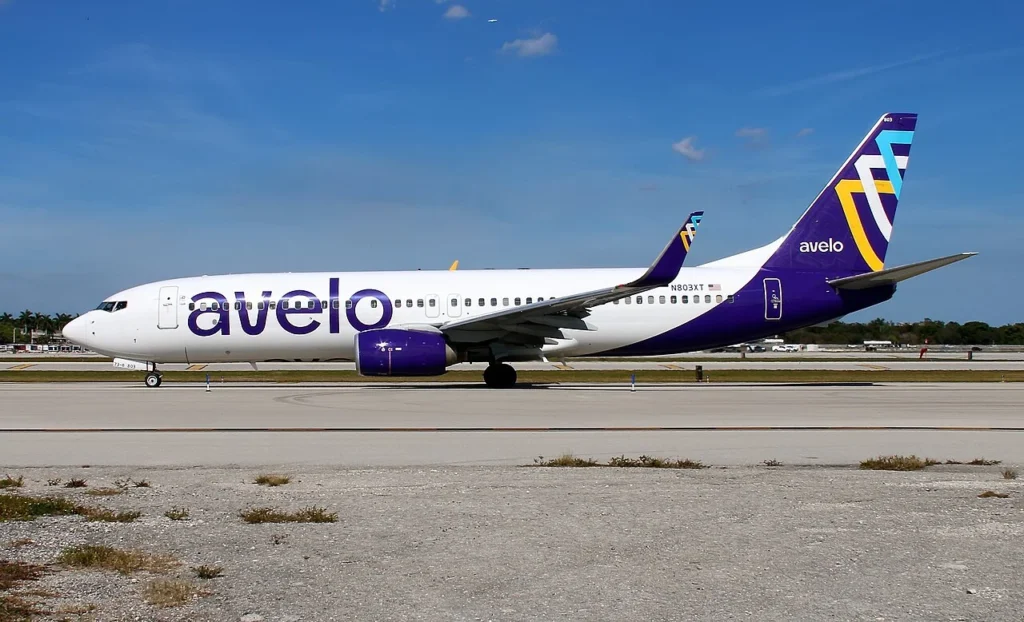
WASHINGTON- ICE is preparing to operate its own Boeing 737 fleet to expand deportation flights, replacing partial reliance on charter carriers such as Avelo Air (XP), GlobalX Air (G6), and Omni Air International (OY).
The program supports increased deportation targets across key hubs, including Miami International Airport (MIA) and Oklahoma City Airport (OKC).
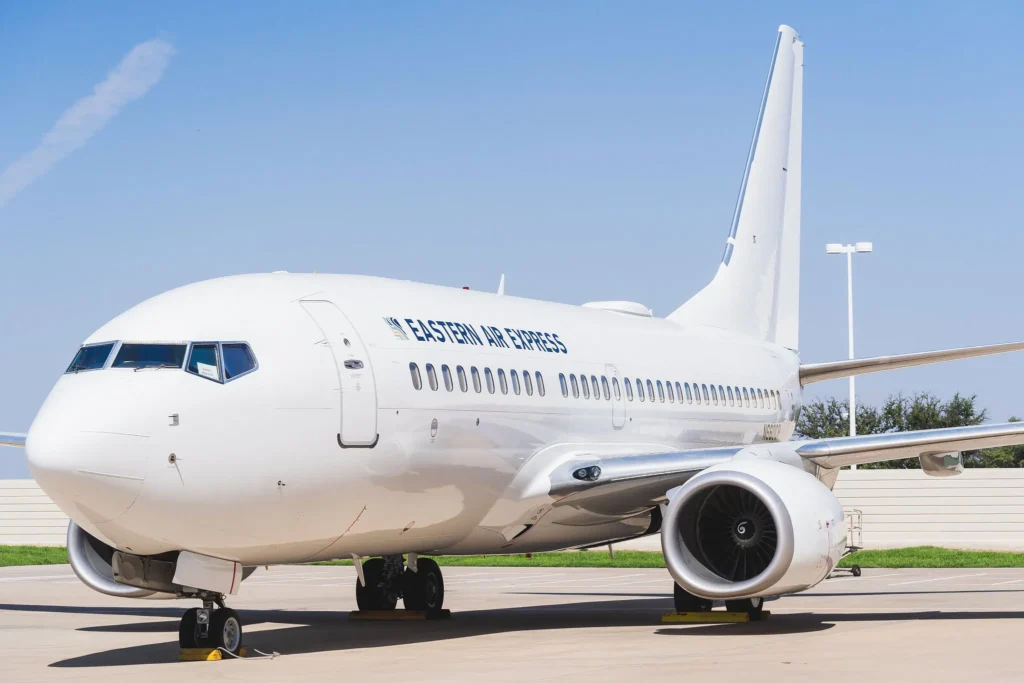
The Department of Homeland Security (DHS) plans to raise capacity after acquiring six Boeing 737 aircraft, enabling higher monthly deportations and reducing dependency on commercial operators such as Eastern Air Express, World Atlantic Airlines, and other contracted carriers.
ICE Buys 6 Boeing 737 for Deportation
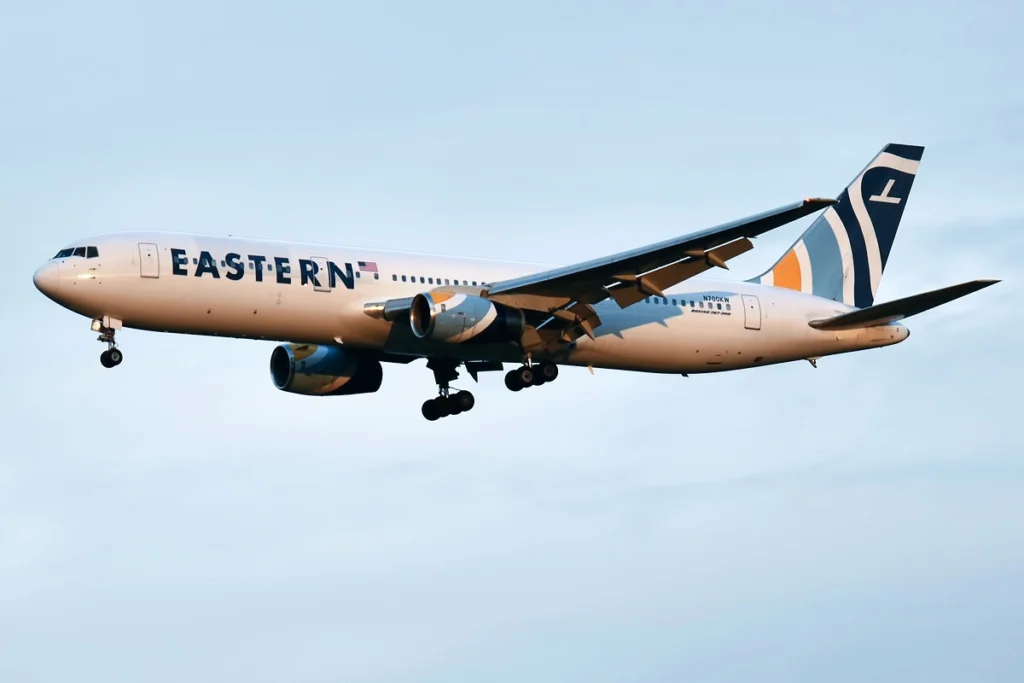
For years, deportation flights were operated using chartered aircraft from airlines such as Avelo Air, Eastern Air Express, GlobalX Air, Omni Air International, and World Atlantic Airlines.
Reported by OMAAT, this long-standing outsourcing model will shift as DHS finalizes a $140 million purchase of 6 Boeing 737s to support higher-volume deportations.
The administration aims to meet the stated goal of deporting one million undocumented immigrants per year.
In the first 6 months of the current term, ICE removed between 100,000 and 150,000 individuals, including voluntary self-departures.
The plan follows internal recommendations to double the monthly number of people removed by giving ICE dedicated aircraft capable of consistent scheduling.
ICE currently charters 8 to 14 aircraft at a time, enabling about 15,000 deportations per month. As detention centers approach capacity, regular flight schedules help prevent overcrowding and reduce operational delays.
Contract, Budget, and Cost Efficiency
The aircraft acquisition is executed through Daedalus Aviation, whose executives are also associated with Salus Worldwide Solutions, a company holding a nearly $1 billion DHS contract supporting voluntary departure programs.
A DHS spokesperson stated that the initiative would save $279 million in taxpayer funds by enabling more efficient flight patterns and streamlined operations.
Charter flights typically cost about $25,000 per flight hour, resulting in average mission costs between $100,000 and $200,000.
Trump’s “big, beautiful bill” expanded ICE’s funding to more than $75 billion, including $30 billion dedicated to deportation efforts.
This represents a significant increase over the prior $9.5 billion annual budget and provides financial capacity for aircraft ownership, maintenance, staffing, and scheduling.
Constraints and Capacity Considerations
Questions remain about whether aircraft availability is the true bottleneck in deportation operations.
Commercial operators often maintain excess capacity, and the competitive aviation market makes government charters attractive revenue sources.
Spirit Airlines (NK) was cited as an example of a carrier that might view such contracts as a margin improvement opportunity.
Owning a fleet reduces flexibility during shifting immigration levels. Charter operators allow rapid scaling up or down, while owned aircraft require consistent use to justify cost. If border inflow decreases or policy changes reduce removal volumes, surplus government aircraft could become underutilized.
This will not be the first aviation operation run by the US government. The Justice Prisoner and Alien Transportation System (JPATS), operated by the US Marshals Service, manages prisoner transport flights nationwide.
Oklahoma City Airport (OKC) includes a dedicated terminal for JPATS operations, demonstrating existing federal aviation infrastructure.
Bottom Line
DHS has committed to purchasing 6 Boeing 737 aircraft to expand deportation capacity, reduce reliance on charter carriers, and support higher monthly removal targets.
While intended to lower long-term costs and stabilize operations, the efficiency of government-operated aircraft compared to commercial charter services remains debated.
The projected savings of $279 million lack a publicly detailed breakdown, leaving open questions about long-term operational efficiency.
Stay tuned with us. Further, follow us on social media for the latest updates.
Join us on Telegram Group for the Latest Aviation Updates. Subsequently, follow us on Google News
