

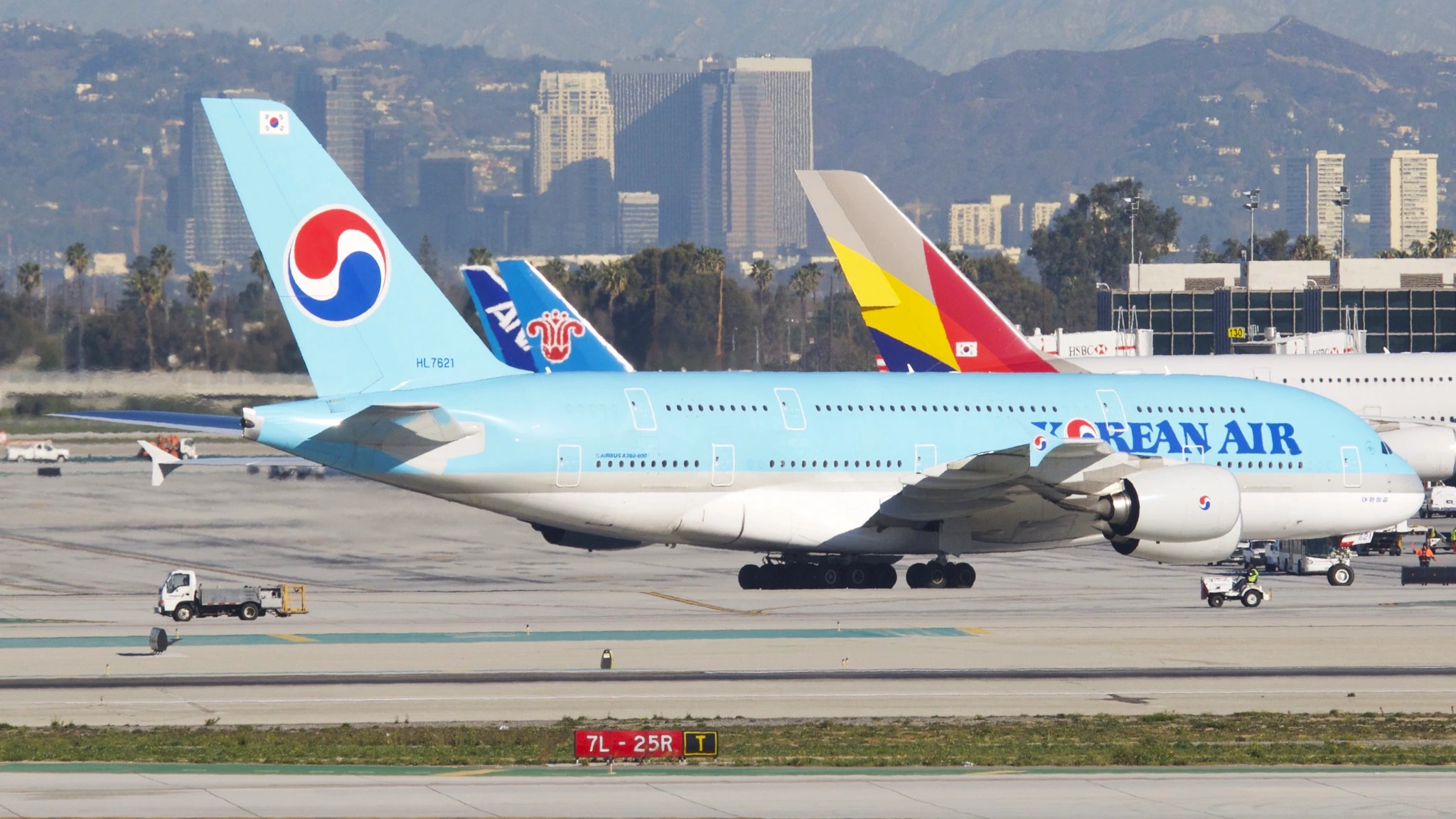
SEOUL- Korean Air (KE) reported strong passenger demand across Seoul in 2025, transporting more than 16 million travelers between January and early November. The airline’s year-end travel analysis shows that Tokyo remained the most preferred international destination for the second straight year, reflecting continued interest in short-haul regional travel.
The carrier noted that routes to Japan, Thailand, and China played a central role in its performance. Travel to cities such as Tokyo, Osaka, and Fukuoka helped strengthen outbound demand, while growing inbound traffic from the United States and China increased the airline’s international share.
Korean Air Passenger Trends
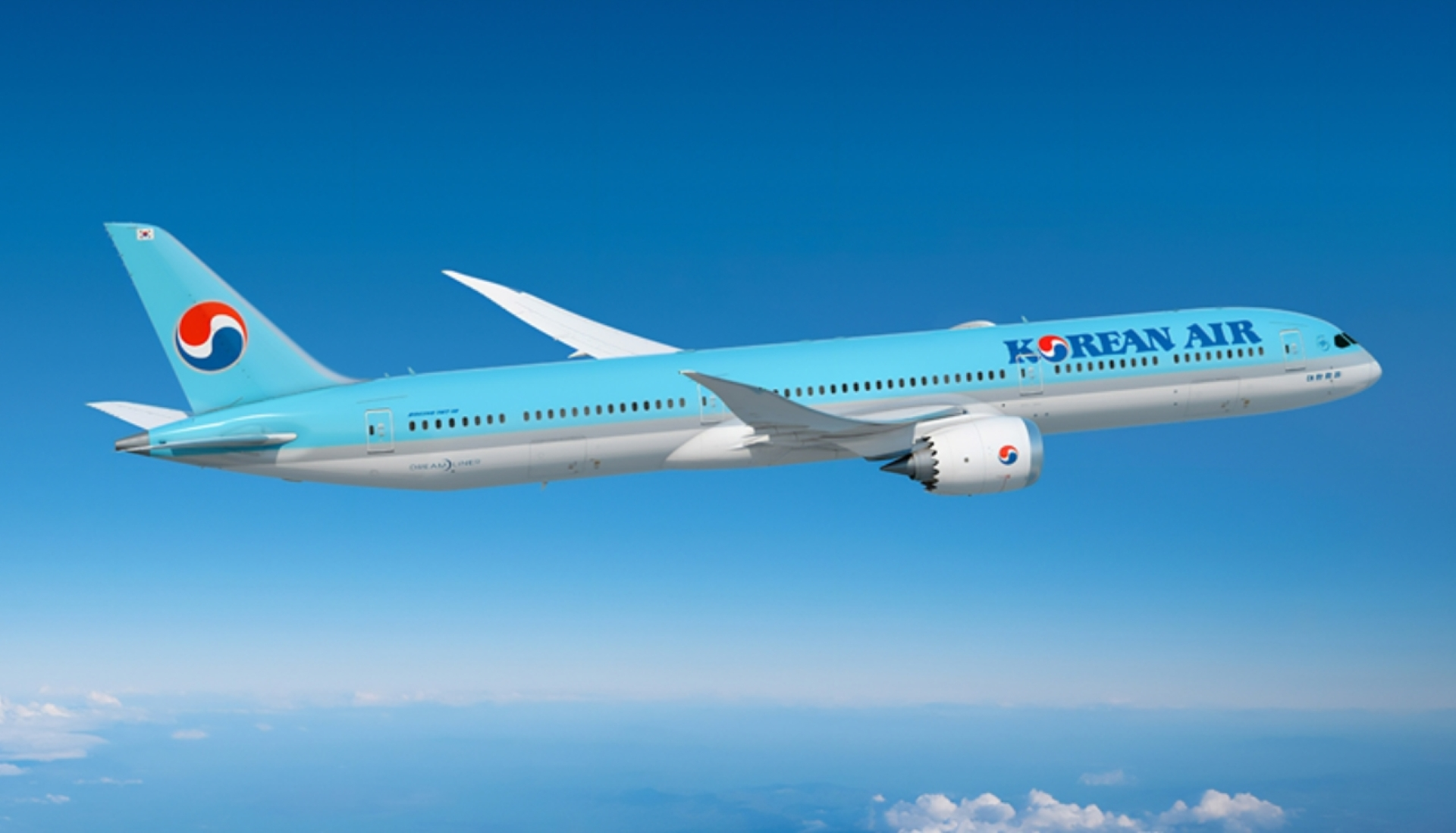
Korean Air recorded 16.49 million passengers from Jan. 1 to Nov. 10, demonstrating solid recovery momentum across its global network. The airline flew a total of 280 million kilometers during this period, a distance equivalent to almost 7,000 laps around Earth.
This operational scale shows a sustained rise in leisure and business travel returning to pre-pandemic levels.
The report highlights that Tokyo held the top spot in the destination rankings, followed by Osaka, Fukuoka, and Bangkok. These cities remained popular due to short travel times, competitive fares, and strong cultural appeal.
Passenger data also shows a sharp increase in travel to China, where Shanghai traffic rose by 128,000 passengers and Beijing flights added 71,000 more travelers compared with last year.
Shifting Market Dynamics
China’s visa-free entry program for Korean nationals, launched in late 2024 and extended through 2026, played a significant role in the surge.
This policy allowed Korean travelers to enter for up to 15 days without a visa, making travel more convenient and boosting demand on previously slower routes.
The airline expects this upward trend to continue through 2026 as more passengers take advantage of relaxed travel requirements.
Demographic data shows that travelers in their 30s and 40s represented the largest segment at 40 percent of total passengers. Customers in their 50s and 60s accounted for 30 percent, reflecting strong demand among both family and senior travelers.
Foreign nationals made up 35 percent of all passengers, with Americans and Chinese each accounting for nearly a quarter of that group.
Travel Behaviors and Services
Korean Air reported several unique travel patterns throughout the year. The most frequent flyer completed 216 trips, demonstrating the continued importance of high-value corporate and loyalty travelers.
Additionally, 5,192 unaccompanied minors used the airline’s specialized child assistance service, while nearly 32,000 pets were transported internationally.
Onboard preferences also revealed notable trends. The most-watched in-flight movie was “Captain America: Brave New World,” while Korean dramas and local entertainment remained popular choices.
In Prestige business class, stir-fried spicy octopus with rice topped the meal selection list. These insights help Korean Air refine its product offerings as it prepares for full integration with Asiana Airlines by 2027.
Bottom Line
Korean Air’s 2025 results underline the airline’s strong recovery and expanding international appeal, driven by rising demand to Japan and renewed interest in China.
With more than 16 million passengers carried and new travel patterns emerging, the carrier enters its merger transition period with continued growth momentum.
Stay tuned with us. Further, follow us on social media for the latest updates.
Join us on Telegram Group for the Latest Aviation Updates. Subsequently, follow us on Google News
