

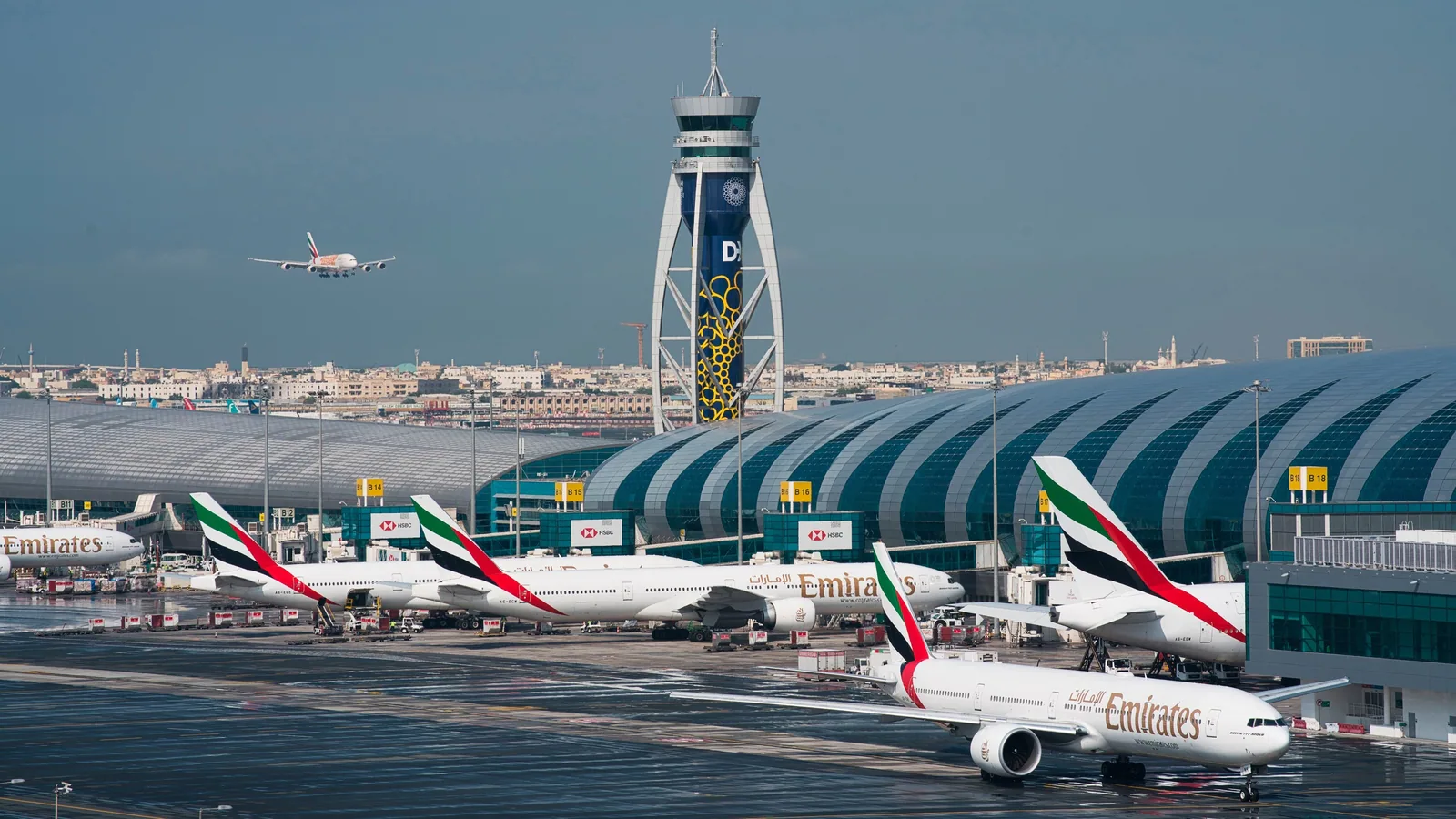
DUBAI— Dubai International Airport (DXB) is confident it will remain the world’s busiest international passenger hub in 2026, despite a sharp fall in traffic caused by regional conflict and widespread flight disruptions.
Dubai Airports chief executive Paul Griffiths said the airport’s geographic position and extensive global network would support a strong recovery during the second half of the year.
Emirates (EK), flydubai (FZ) and international carriers are gradually restoring services, while Dubai International Airport (DXB) continues rebuilding capacity.
Griffiths expects the recovery to accelerate as airlines return for the winter schedule and transit demand strengthens across the Gulf.
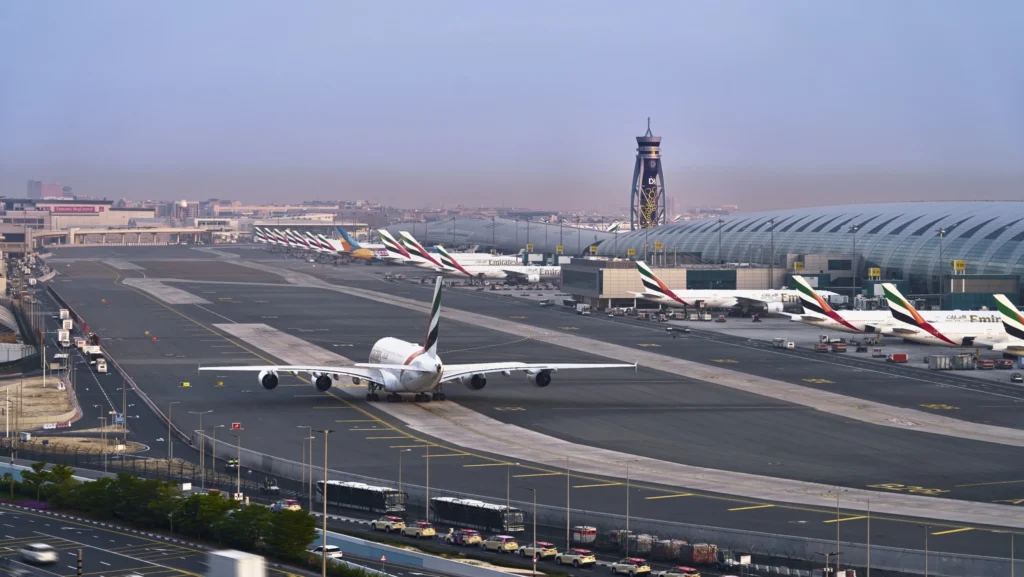
Dubai Airport Traffic Drops Sharply
DXB handled 13 million passengers during the second quarter of 2026, a 42 per cent decline from the 22.5 million recorded during the same period last year.
The downturn followed major disruptions to regional airspace after the Iran war affected airline schedules and international connectivity.
The weaker second quarter reduced first-half passenger traffic to 31.5 million, representing a 31.3 per cent year-on-year decline. However, passenger numbers improved steadily during the quarter, increasing from 3.5 million in April to 4.5 million in May and 5 million in June.
Aircraft movements also declined by 32.1 per cent year on year to 150,600 during the first six months.
Despite the disruption, Dubai Airports said improving airline capacity, stronger load factors and returning international services indicate growing momentum ahead of the traditionally busy winter period.
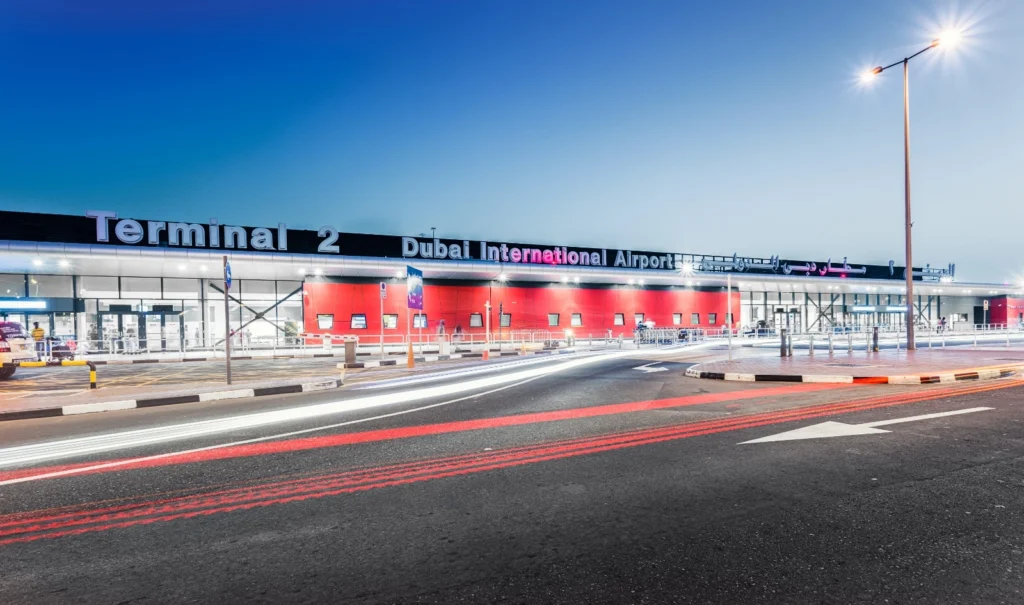
DXB Targets Strong Passenger Recovery
Dubai Airports expects DXB to handle about 70 million passengers in 2026, significantly below the record 95.2 million passengers recorded last year. The airport has pushed its 100 million passenger milestone toward 2027 as the conflict continues to affect regional aviation demand.
Griffiths said the airport has already recovered to about 86 per cent of its capacity and expects a fuller schedule as airlines restore routes.
Emirates and flydubai are expected to recover about 90 per cent of their networks, while additional international carriers could return with the winter schedule from late October.
The number of airlines serving DXB has fallen to 56 from about 90 before the conflict. Several major international carriers, including Lufthansa (LH) and Singapore Airlines (SQ), have remained cautious while reviewing their regional operations.
DXB is also engaging major international airlines about potential services to Dubai and Al Maktoum International Airport (DWC).
The growing availability of longer-range aircraft such as the Airbus A321XLR could make new routes commercially viable without requiring wide-body aircraft.
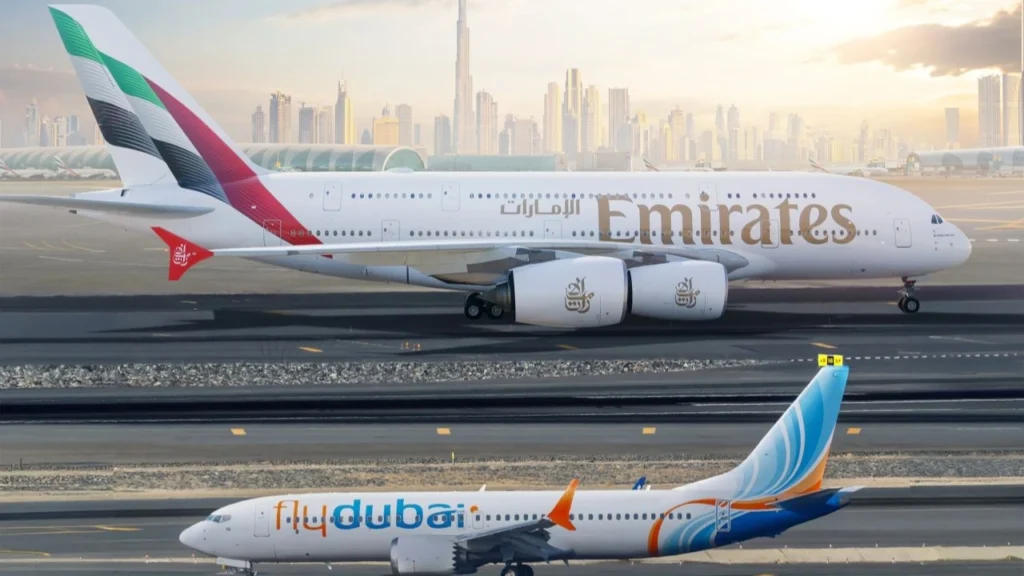
Dubai Retains Global Aviation Lead
Griffiths remains confident that DXB will regain the top position for international passenger traffic by the end of 2026.
The airport has held the global crown for 12 consecutive years, and its management believes its connectivity and large transfer market will help it withstand temporary shifts in passenger flows.
The Middle East remains a major global transfer market, with roughly 100 million passengers travelling through its hubs.
DXB accounts for a significant share of that traffic, while India, Saudi Arabia and the United Kingdom continue to rank among its major source markets, The National News reported.
Dubai Airports expects demand to strengthen further as travel advisories ease, airline capacity returns and winter schedules take effect.
The airport’s strategy remains focused on restoring connectivity, supporting airline growth and reaching the 100 million passenger milestone while defending its position as the world’s leading international aviation hub.
Stay tuned with us. Further, follow us on social media for the latest updates.
Join us on Telegram Group for the Latest Aviation Updates. Subsequently, follow us on Google News
