

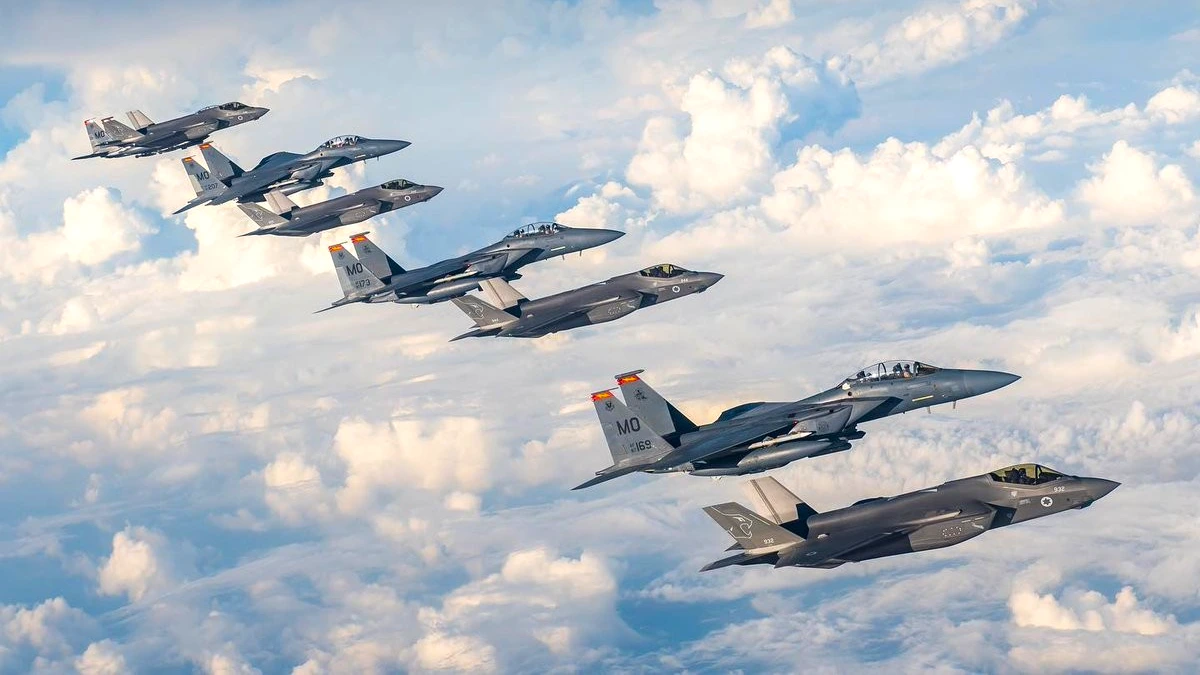
WASHINGTON- The US Air Force is pursuing an AI-enabled approach to modernize high-speed wargaming, supported by efforts associated with Arlington, Virginia.
The service aims to replace manual, slow, and fragmented simulation methods with a unified, cloud-based engine that rapidly generates and evaluates operational scenarios.
A recent request for information outlines plans for a digital sandbox powered by artificial intelligence to run simulations up to 10,000 times faster than real time.
The initiative seeks to address long-standing shortcomings in defense wargaming and to introduce a scientific, fully digitized workflow for large-scale analysis.
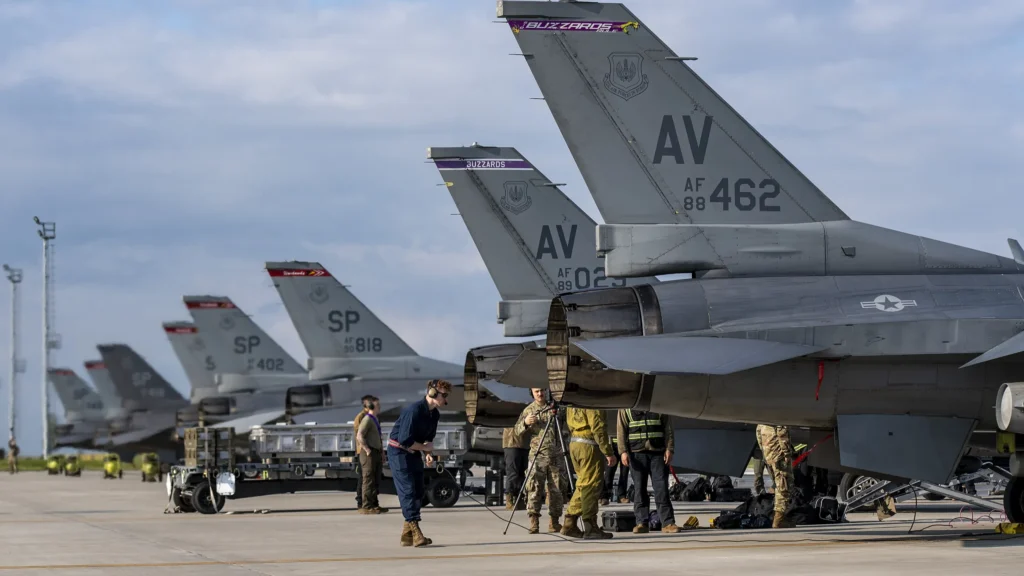
US Air Force WarMatrix Wargaming
WarMatrix is defined as a toolkit and orchestration environment designed to create and manage complex scenarios while supporting a common analytical workflow.
It remedies issues caused by disconnected, outdated, and vendor-locked tools that limited past operational studies.
Reported by Defense News, the system introduces rapid scenario generation and human-on-the-loop adjudication to accelerate high-speed decision support.
The Air Force requires simulations capable of operating at super-real-time speeds, ideally reaching up to 10,000 times faster than real time.
This performance enables hundreds or thousands of scenario iterations during force design, logistics planning, and battle plan testing, compared to a single iteration in a traditional tabletop wargame.
The system must scale to hundreds of users, support tens of thousands of simulated entities, and function across classification levels, including Unclassified, Secret, TS, SCI, and SAP.
It must also integrate with Air Force systems such as AFSIM and simulations from other military services, using an interface that reduces barriers to entry and expands access for all personnel.
Each simulation entity is represented as an autonomous agent capable of reacting to real-time conditions, including effects from jamming and cyber operations.
WarMatrix also addresses administrative and data-collection burdens by using large language models for real-time transcription and diarization of commander discussions.
Additional AI functions support course of action development using neuro-symbolic methods that rank options based on risk, resources, and operational tradeoffs.
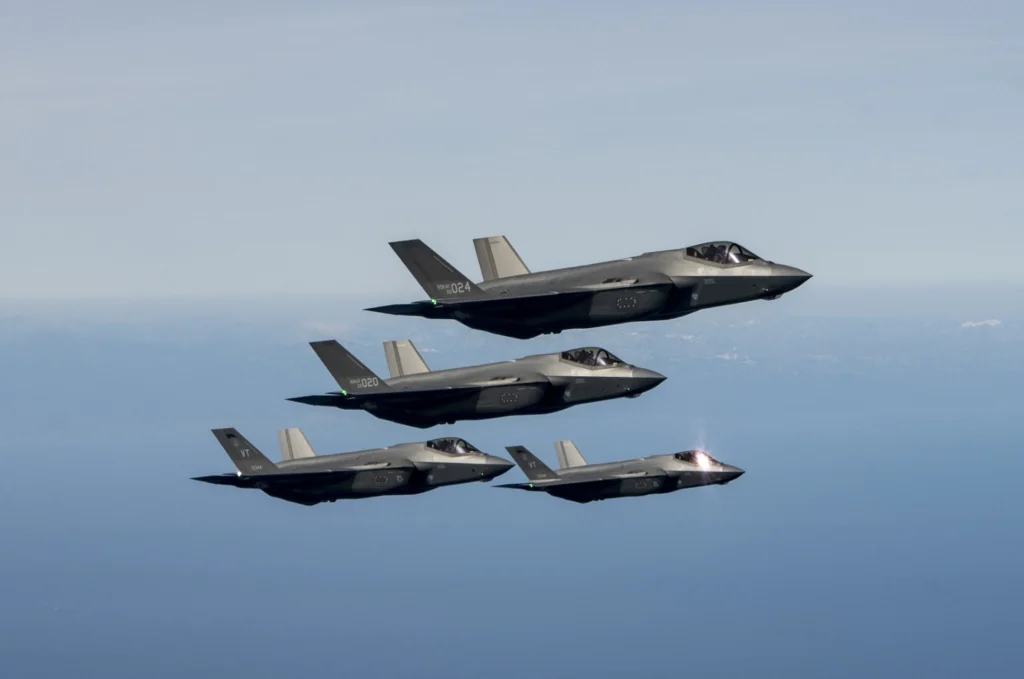
Addressing WarMatrix Limitations
Earlier defense simulations often struggled with slow processing and weak automated opponents. Some systems could not manage basic tasks such as directing a tank column down a road.
To compensate, wargame organizers frequently relied on “pucksters,” human operators who controlled enemy forces manually in place of functioning computer adversaries.
Large models were sometimes too slow to adjudicate multiple moves in a week and often continued processing long after a wargame ended, delaying results.
Matthew Caffrey, former chief of wargaming at the Air Force Research Laboratory, noted that expert panels often had to adjudicate moves due to system delays, while models ran post-game for later analysis.
WarMatrix seeks to eliminate these issues by fusing computational precision with human insight. All assumptions and outcomes are designed to be transparent and auditable, correcting the black box nature of past mega-simulations.
The system is built under government leadership rather than outsourced development, ensuring integration consistency across the Department of the Air Force and the joint force.
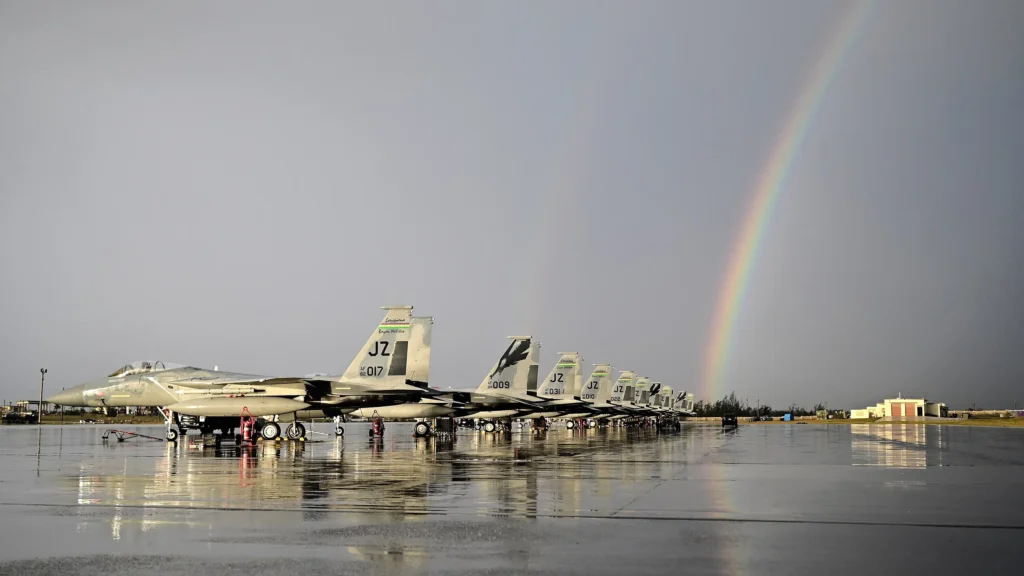
Building a Scalable and Transparent Wargaming Ecosystem
The US Air Force envisions WarMatrix as a joint wargaming tool that improves the speed, clarity, and reliability of operational studies.
Its design centers on making the Defense Department’s simulation arsenal accessible to every airman, reducing complexity and creating a standardized analytical environment.
The system is intended to support planners, analysts, and commanders by presenting realistic opponents, structured data outputs, and high-speed scenario adjudication.
WarMatrix also aims to reduce manual burdens for wargame designers and umpires by automating administrative tasks and enabling immediate access to structured qualitative and quantitative data.
The platform supports scientific repeatability, allowing decision makers to review many variations of the same scenario with consistent, transparent logic.
Future Outlook
As adoption expands, US Air Force WarMatrix is expected to reshape how the Air Force conducts wargames, evaluates capabilities, and studies force design.
The platform promises to modernize operational analysis by combining speed, scalability, and transparent decision logic.
Its design, developed by wargamers for wargamers, enables a more rigorous and efficient approach to military experimentation.
Stay tuned with us. Further, follow us on social media for the latest updates.
Join us on Telegram Group for the Latest Aviation Updates. Subsequently, follow us on Google News
