

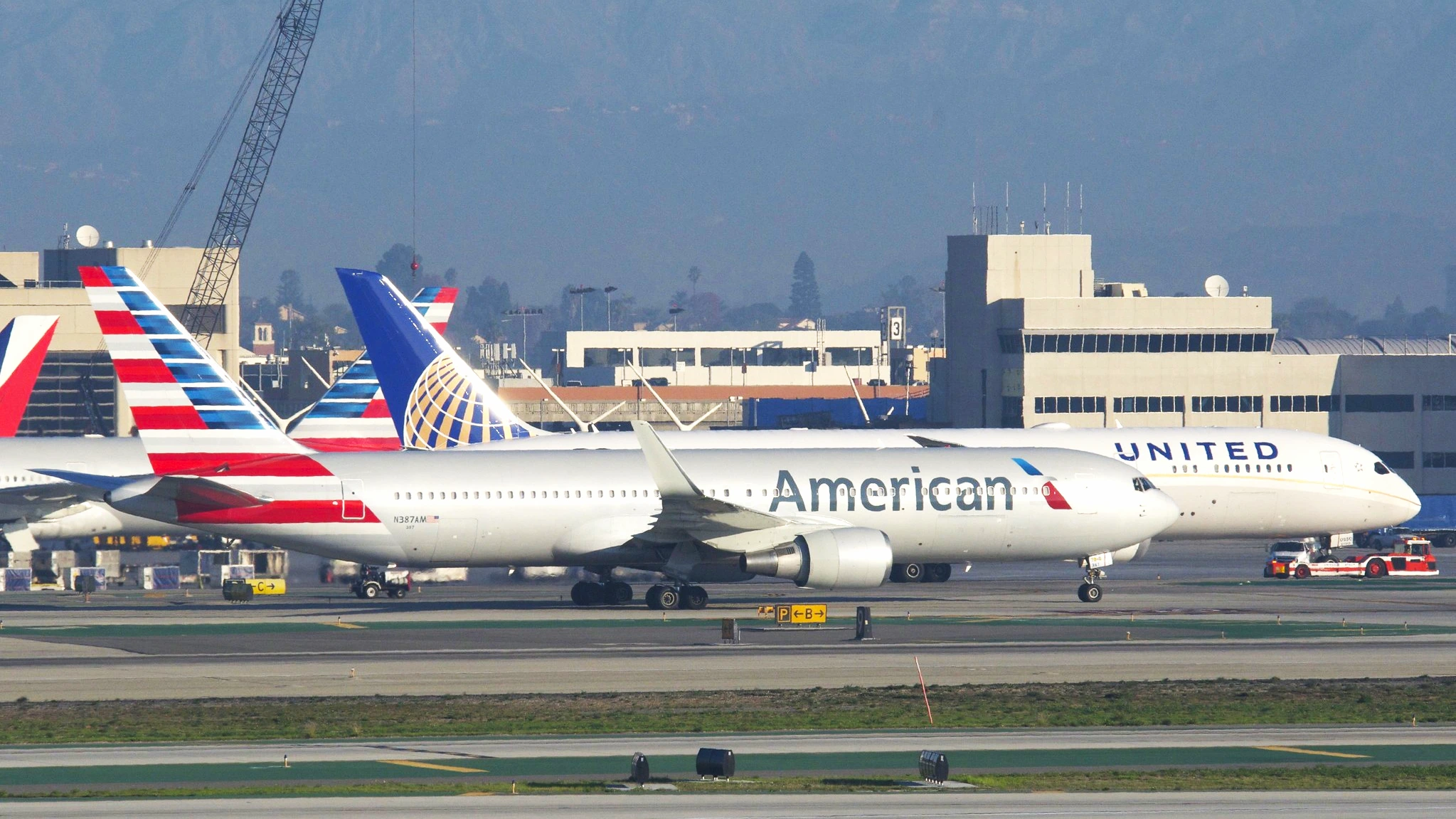
CHICAGO- American Airlines (AA) and United Airlines (UA) are locked in an increasingly competitive battle at Chicago O’Hare International Airport (ORD), where both carriers operate major hubs. United currently holds the stronger position, while American continues to defend its long-standing presence in Chicago.
United CEO Scott Kirby has predicted that American could eventually abandon its Chicago hub, potentially allowing United to expand significantly at ORD. American, however, has rejected any suggestion that it plans to retreat from the market, Chicago Business reported.

United and American Intensify the Chicago Hub Battle
Chicago O’Hare International Airport (ORD) remains one of the most important airports in the United States for both American Airlines (AA) and United Airlines (UA). The two carriers use the airport as a major connecting hub, creating one of the most significant airline rivalries in the country.
United has a clear advantage in Chicago in terms of network scale and financial performance. The airline has maintained the leading position at ORD, while American has faced greater financial pressure from its operation there.
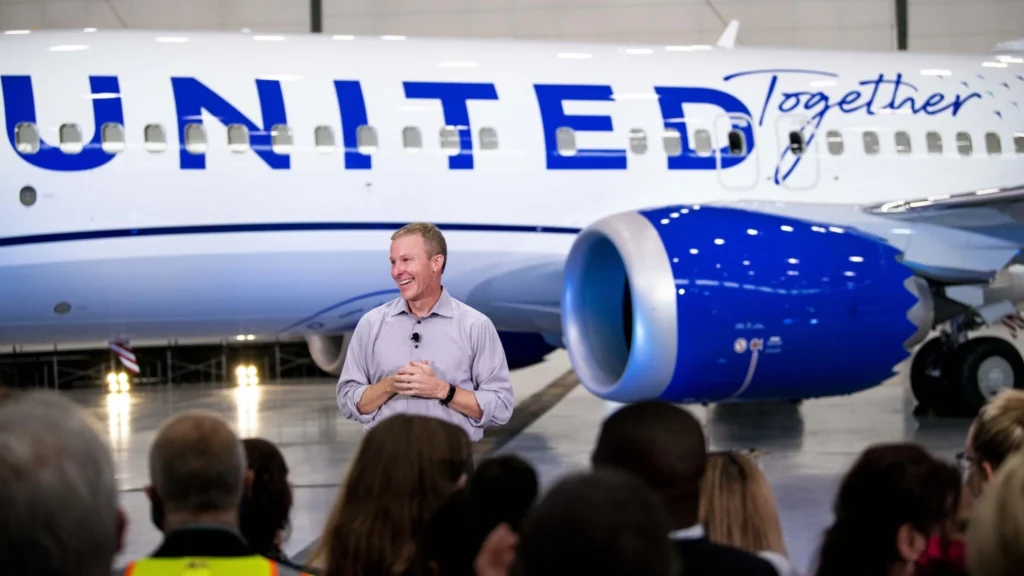
According to OMAAT, United CEO Scott Kirby has again increased his criticism of American’s position in Chicago. Kirby has argued that American’s economics at ORD are difficult to sustain and predicted that economic pressures could eventually force the carrier to reconsider its hub.
Kirby has cited an estimated $1.1 billion loss for American in Chicago over a one-year period. He has argued that the situation could become increasingly difficult for American, saying that economic forces will eventually determine the outcome of the competition.
Kirby Envisions a Much Larger United Hub
If American were to significantly reduce its Chicago operation, Kirby believes United could substantially expand at O’Hare.
The United CEO has discussed a potential operation of around 1,000 daily departures from ORD. He also believes a larger United network could support approximately 15 additional long-haul routes from Chicago.
Such an expansion would require additional airport capacity, including more gates. Kirby’s argument is that United cannot achieve this level of growth while American continues to occupy a significant portion of the airport’s available infrastructure.
The vision would effectively turn Chicago into a much stronger United-dominated global hub, similar in structure to major fortress hubs such as Atlanta and Dallas Fort Worth.
Atlanta is dominated by Delta Air Lines, while Dallas Fort Worth is heavily controlled by American Airlines. A similar structure at Chicago would give United significantly greater control over the airport’s connecting traffic and route network.
American Rejects Any Retreat From Chicago
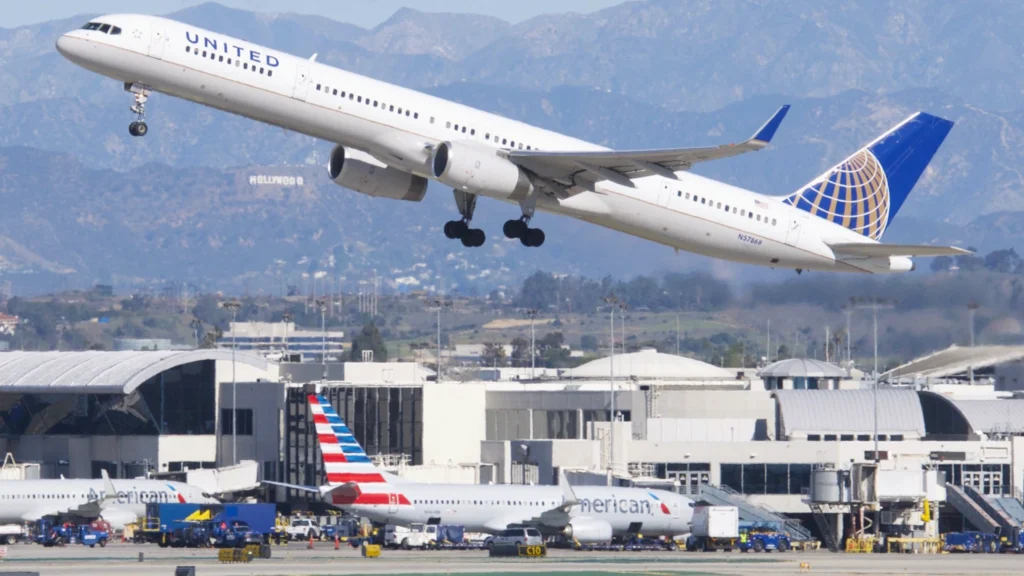
American Airlines has strongly rejected the suggestion that it is preparing to abandon Chicago.
The airline maintains that it intends to continue investing in the market and competing with United for years to come. That position reflects the strategic importance of Chicago to American’s broader US network.
Chicago provides American with an important Midwest hub and a major source of connecting traffic. Leaving the market would therefore create a significant gap in the carrier’s network.
American also argues that United’s preferred outcome would reduce competition at one of the country’s largest airports.
The disagreement highlights a fundamental difference between the two airlines. United views American’s Chicago operation as an opportunity for further expansion, while American sees maintaining a strong presence as necessary to protect its network and competitive position.

What a United-Dominated O’Hare Could Mean for Passengers
A larger United operation at ORD could produce more nonstop destinations. Fortress hubs can support extensive route networks because airlines can concentrate connecting passengers through a single airport.
However, a larger network does not automatically mean lower fares.
Competition between airlines is a major factor in determining ticket prices. When two carriers compete directly on a route, each has an incentive to keep fares competitive. If one carrier becomes dominant, that pressure can weaken.
Chicago currently benefits from competition between American and United across numerous domestic and international markets. Removing one major competitor could reduce duplicated service while potentially increasing United’s control over pricing.
More Routes Could Come With Higher Fares
The difference can be illustrated through international markets such as Chicago to Tokyo.
The source material indicates that economy round-trip fares from Chicago to Tokyo can be available for less than $1,500 on selected travel dates. Comparable fares from Atlanta or Dallas Fort Worth to Tokyo were around $2,300 on the dates examined.
That does not establish a universal fare difference for every date or itinerary, but it illustrates the potential pricing impact of concentrated airline competition.
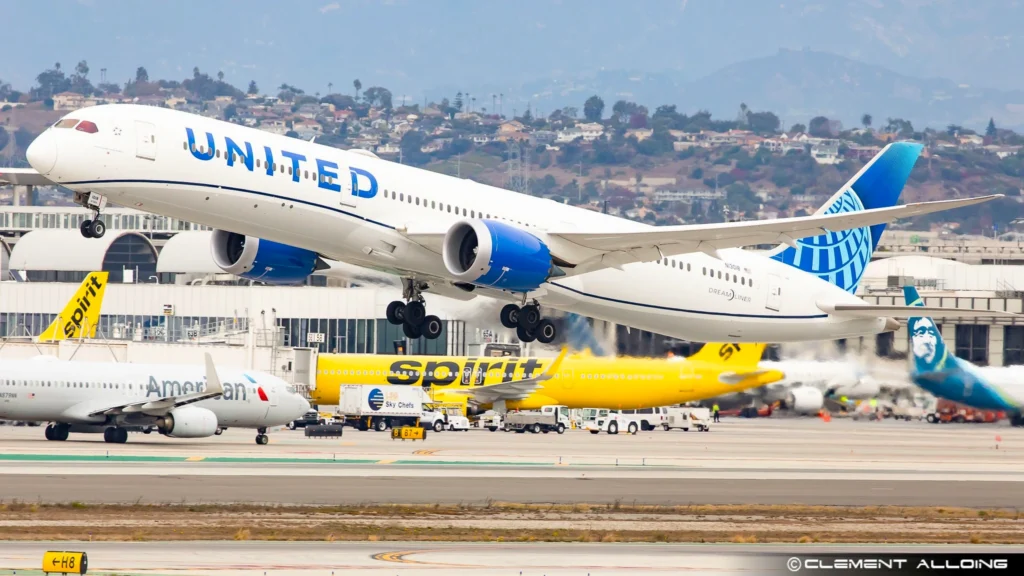
A fortress hub can offer passengers an impressive range of nonstop destinations while providing fewer competitive alternatives. For travelers, the number of available routes is therefore only one part of the equation. The cost of those flights also matters.
Questions Over American’s Chicago Losses
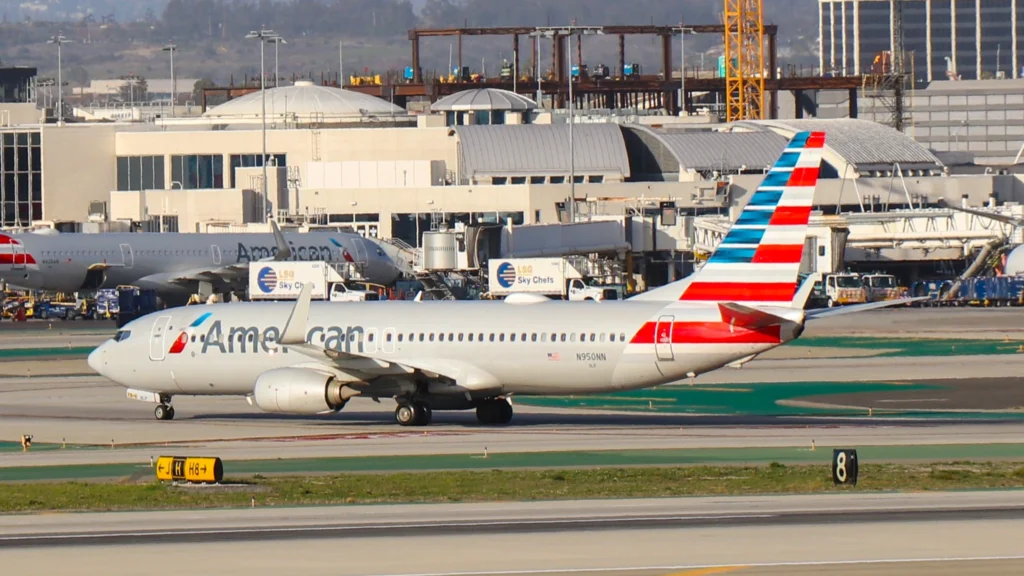
Kirby’s argument about American’s financial performance in Chicago also deserves context.
American may indeed be losing substantial money from the direct operation of its Chicago hub. However, calculating the profitability of a hub is more complicated than measuring the direct operating results of flights based there.
Hub operations can generate wider network benefits, including connecting traffic, loyalty revenue, and other commercial contributions. Those factors can affect the overall economics of maintaining a hub.
That does not necessarily mean American’s Chicago operation is profitable. It does mean that a single estimate of operating losses may not capture the full financial value of the hub to the airline’s network.
United’s stronger performance in Chicago nevertheless gives it a significant advantage. The carrier has fewer financial reasons to reduce its presence and a strong incentive to prevent American from gaining additional market share.
Why American Cannot Easily Leave Chicago
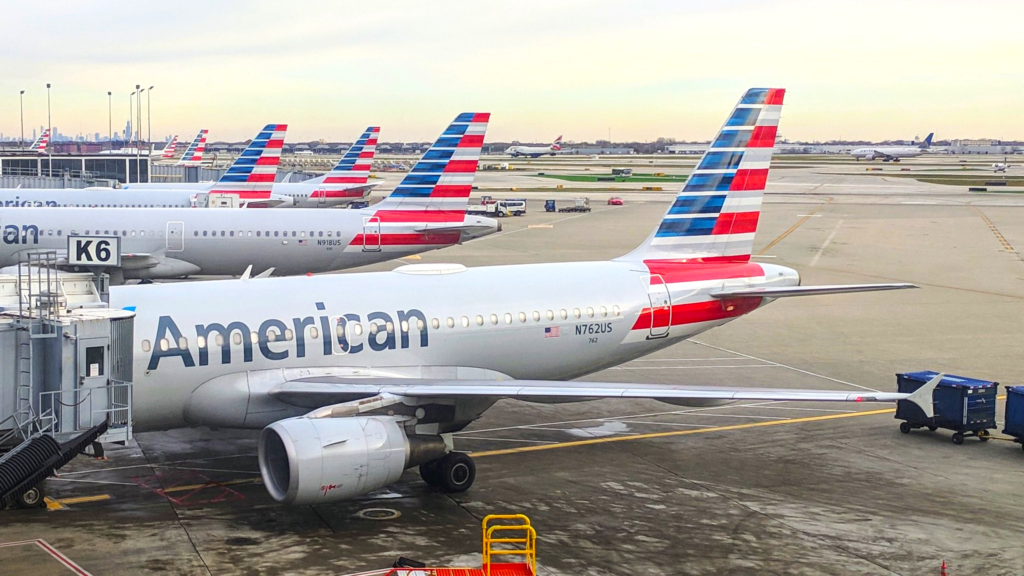
Despite the financial pressure, American has limited strategic options.
Chicago is one of the largest aviation markets in the United States and occupies a central position in the country’s Midwest network. American needs a major hub in the region to support its domestic connectivity and international operations.
Abandoning Chicago would not simply mean eliminating an unprofitable operation. It would also reshape the airline’s wider network and potentially hand a major strategic advantage to United.
For American, the choice is therefore more complicated than simply determining whether Chicago is profitable on a standalone basis. Maintaining a competitive presence may be costly, but surrendering the market could carry its own long-term consequences.
The Stakes for Chicago Travelers
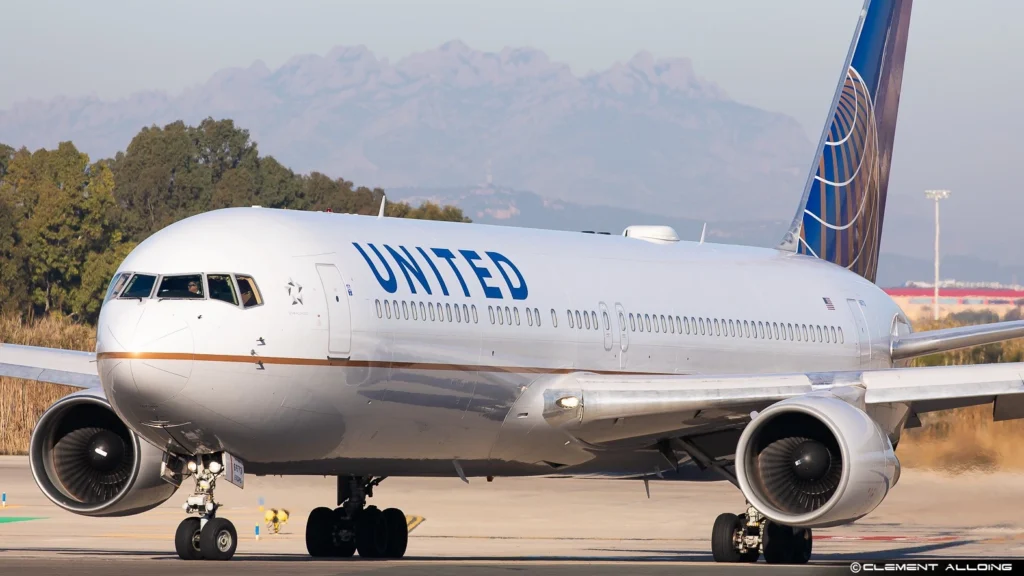
The competition between American and United has direct implications for passengers at O’Hare.
If both airlines remain committed to Chicago, travelers are likely to benefit from competition across a broad range of routes. Competing networks can give passengers more choices in schedules, fares, and connections.
If American substantially reduces its operation, United could potentially add destinations and increase frequencies. However, reduced competition could also weaken pricing pressure.
The central issue is therefore not simply whether O’Hare can become a larger global hub. It is whether that growth would come with enough competition to keep fares attractive for passengers.
United Wants the Upper Hand at ORD
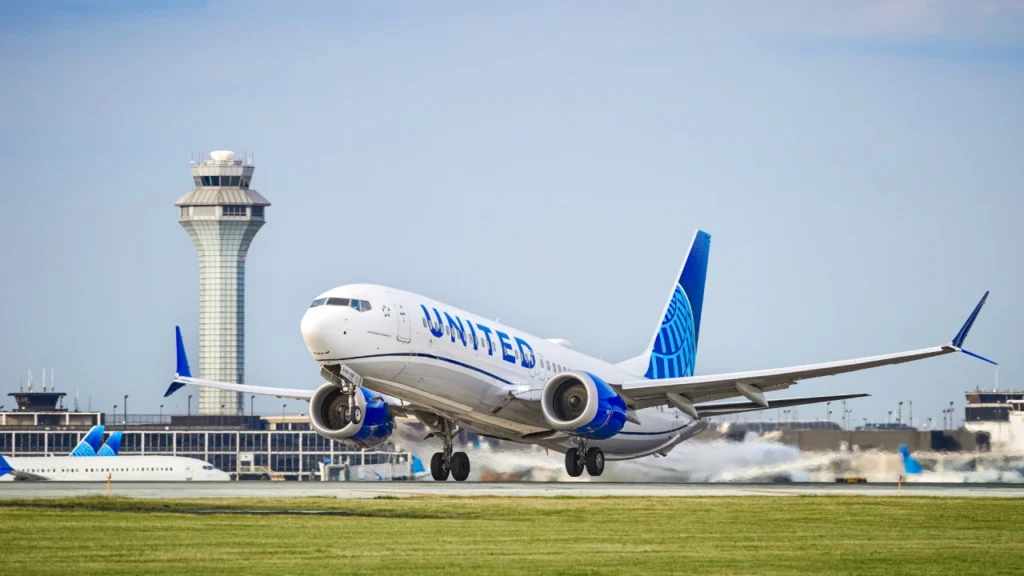
Scott Kirby’s latest comments reinforce United’s long-running confidence in its position at Chicago O’Hare.
United already has the stronger presence and appears determined to maintain its advantage. Kirby’s prediction that American will eventually retreat represents an aggressive view of how the rivalry could develop.
American has made clear that it does not intend to surrender Chicago. The airline continues to regard ORD as strategically important and plans to remain a competitor.
For Chicago, the outcome matters beyond airline market share. A United-dominated O’Hare could support a larger network and more nonstop destinations, but maintaining two major competing hubs provides a stronger check on fares.
As long as American and United continue fighting for passengers at ORD, Chicago travelers retain an important competitive advantage.
Stay tuned with us. Further, follow us on social media for the latest updates.
Join us on Telegram Group for the Latest Aviation Updates. Subsequently, follow us on Google News
