

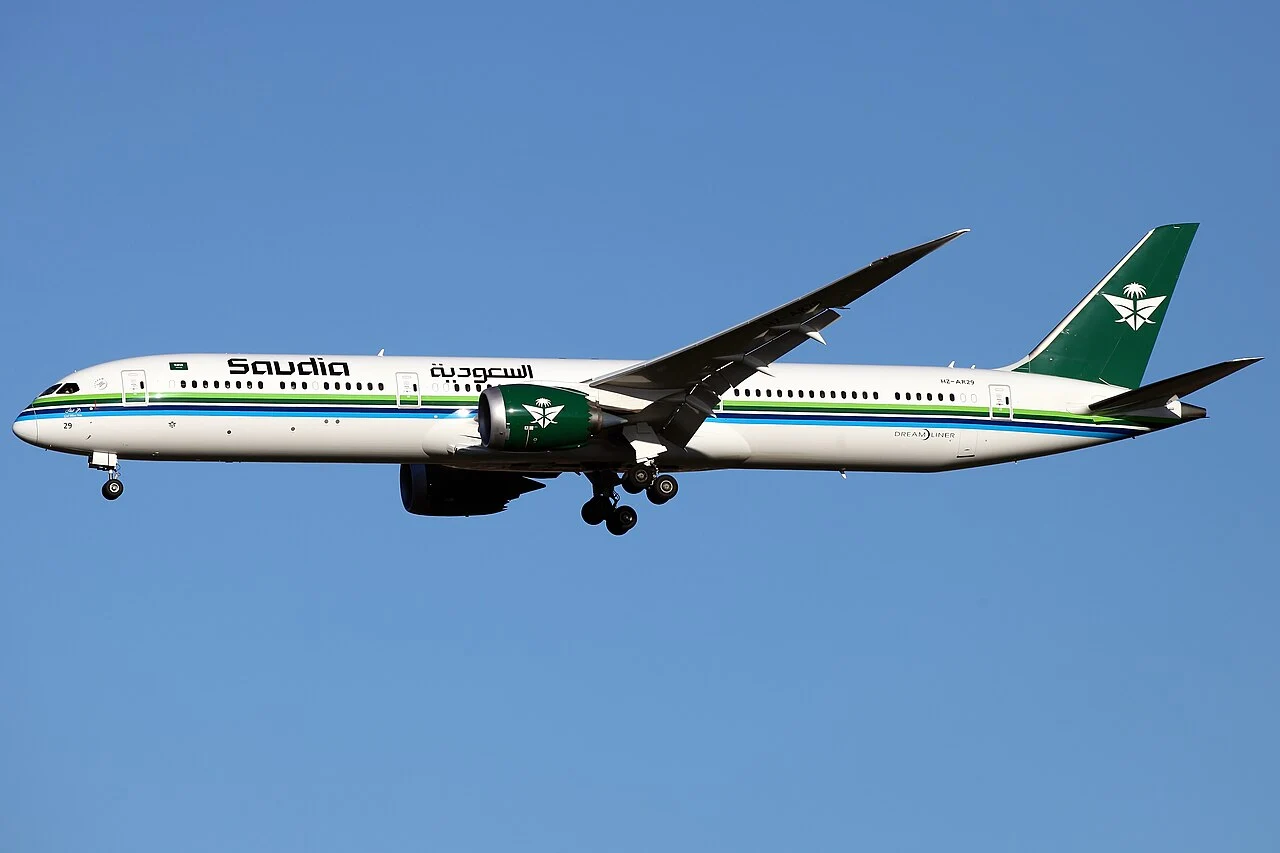
RIYADH- Saudi Arabia has introduced a significant policy shift as the kingdom quietly expands access to alcohol after more than seven decades of prohibition. The move—limited to wealthy non-Muslim expatriates—comes as Riyadh accelerates its massive investment in tourism, aviation, and hospitality under Vision 2030.
The decision aligns with the kingdom’s broader attempt to diversify its economy and capture a share of global leisure travel. Senior officials have repeatedly emphasized that Saudi Arabia aims to rival established hubs such as Dubai by attracting higher-spending international visitors and expanding its aviation sector.
Alcohol Access Rules
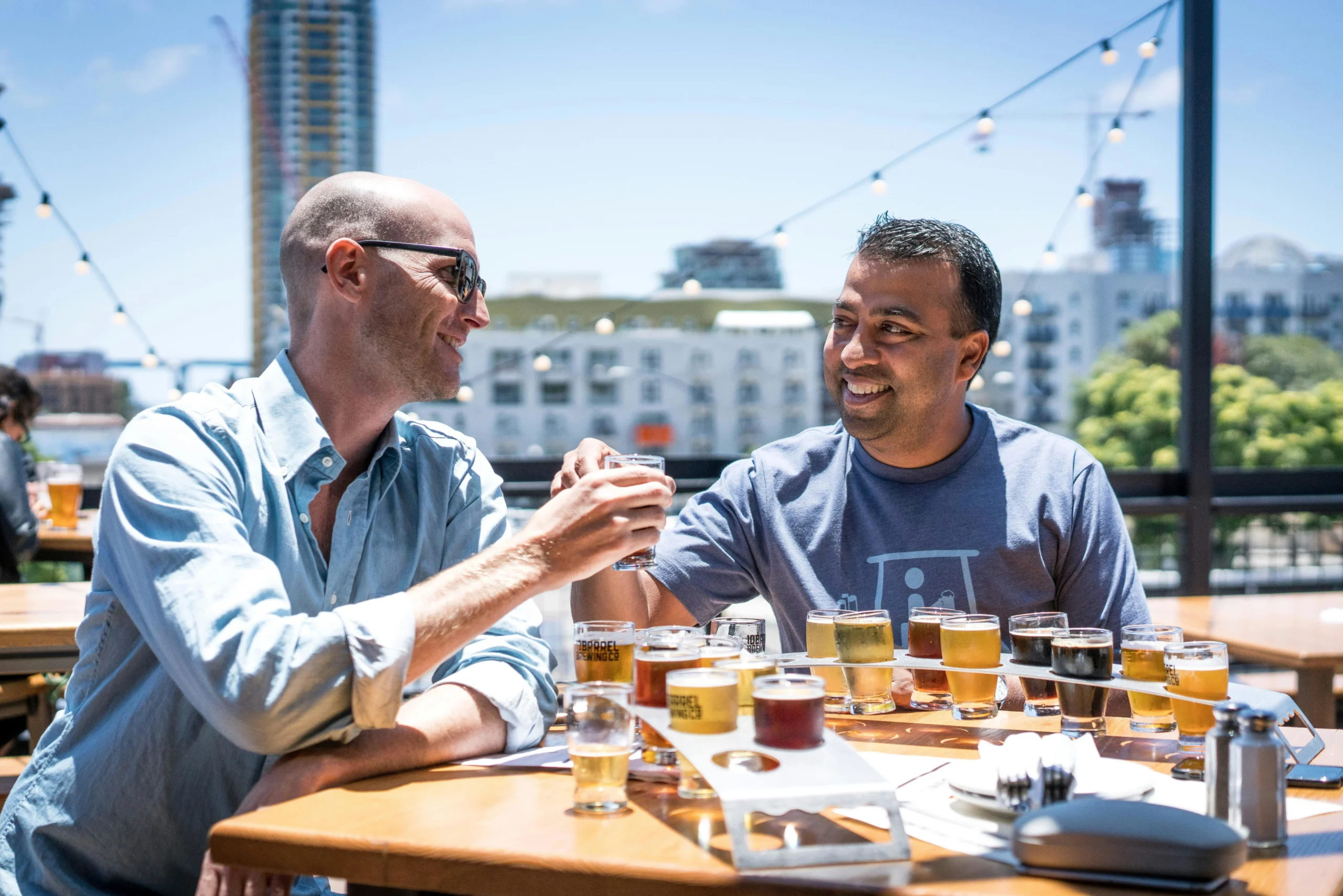
Saudi authorities have quietly expanded the scope of a specialized alcohol store that opened in 2024 in Riyadh. Initially accessible only to foreign diplomats, the store is now open to non-Muslim expatriates who hold “premium residency” status.
This visa category typically applies to highly skilled professionals employed by major corporations and who have spent at least 30 months in the country over the past five years.
Entry into the store remains tightly regulated. Eligible residents must earn a minimum of 50,000 Saudi riyals per month—about USD 13,300—and must present a salary certificate during the registration process.
Visitors must also book appointments in advance, and their purchases are limited through a points-based quota system that tracks monthly consumption. Reports indicate that similar outlets may open in other major cities as the government evaluates demand.
Tourism Policy Direction
The expansion is widely viewed as a sign of where Saudi tourism policy is heading. Industry analysts note that alcohol availability, even in restricted environments, is a common expectation among many international leisure travelers.
As the kingdom builds new resorts, aviation corridors, and infrastructure, officials appear to be testing how far they can liberalize while maintaining conservative cultural standards.
Saudi Arabia has set ambitious tourism targets, aiming to attract tens of millions of visitors annually.
Competing destinations across the Middle East already offer alcohol in hotels, lounges, and entertainment venues, which places pressure on Riyadh to close the experience gap.
Observers believe this controlled expansion marks the first stage of a long-term shift that may eventually extend to select tourist zones.

Aviation and Market Impact
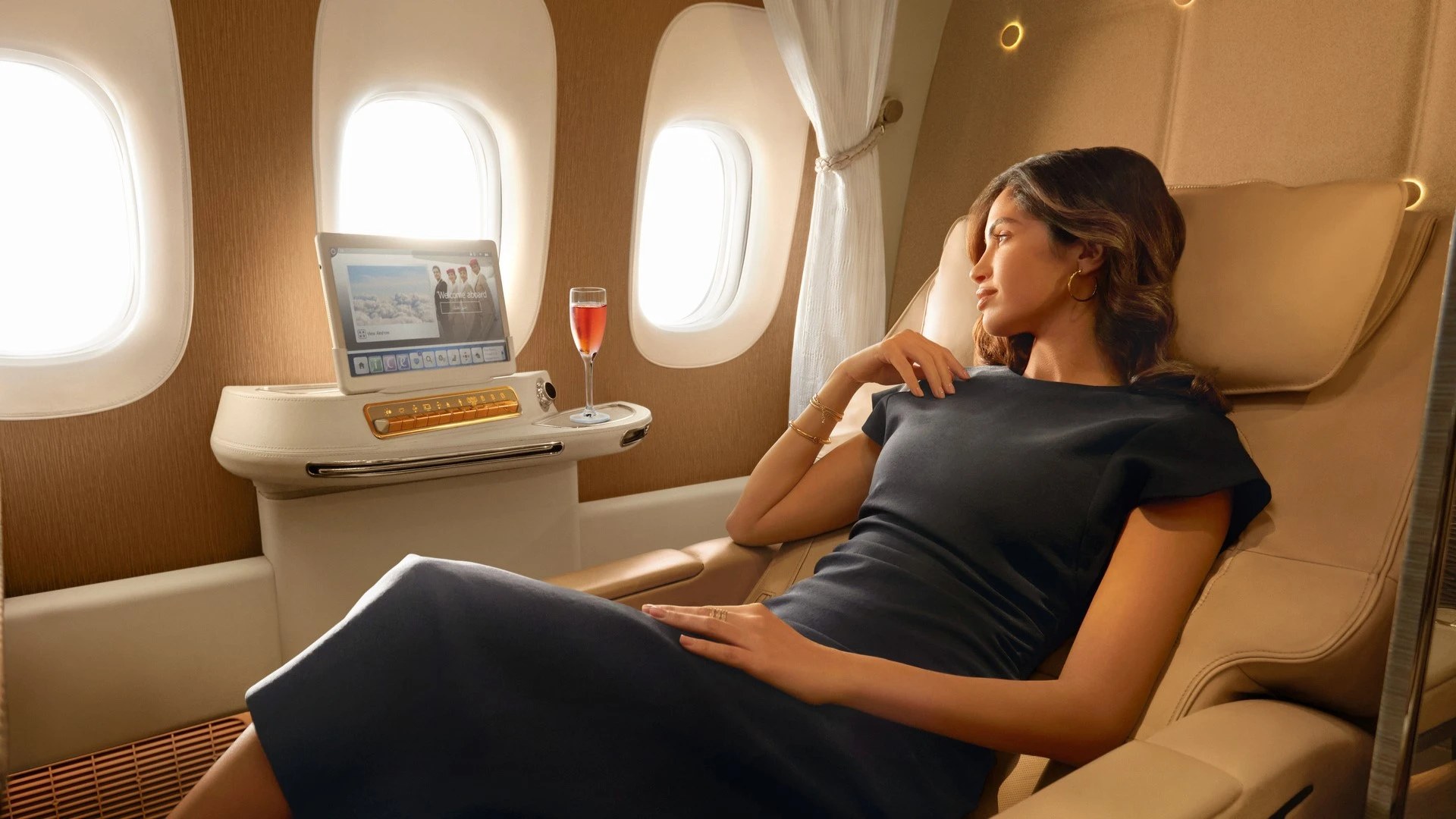
The aviation sector stands to benefit from these policy adjustments. Airlines operating flights to Saudi Arabia, including full-service carriers and low-cost operators, are monitoring whether eased restrictions will improve passenger sentiment and increase leisure arrivals.
With the kingdom positioning itself as a major hub, the availability of alcohol, at least for certain residents, signals a gradual realignment toward global travel norms.
Commercial operators note that traveler preferences influence route planning, onboard service strategies, and airport retail development.
If future phases include controlled alcohol access for tourists, the country could see increased competitiveness against nearby hubs, ultimately boosting capacity and international connectivity.
Bottom Line
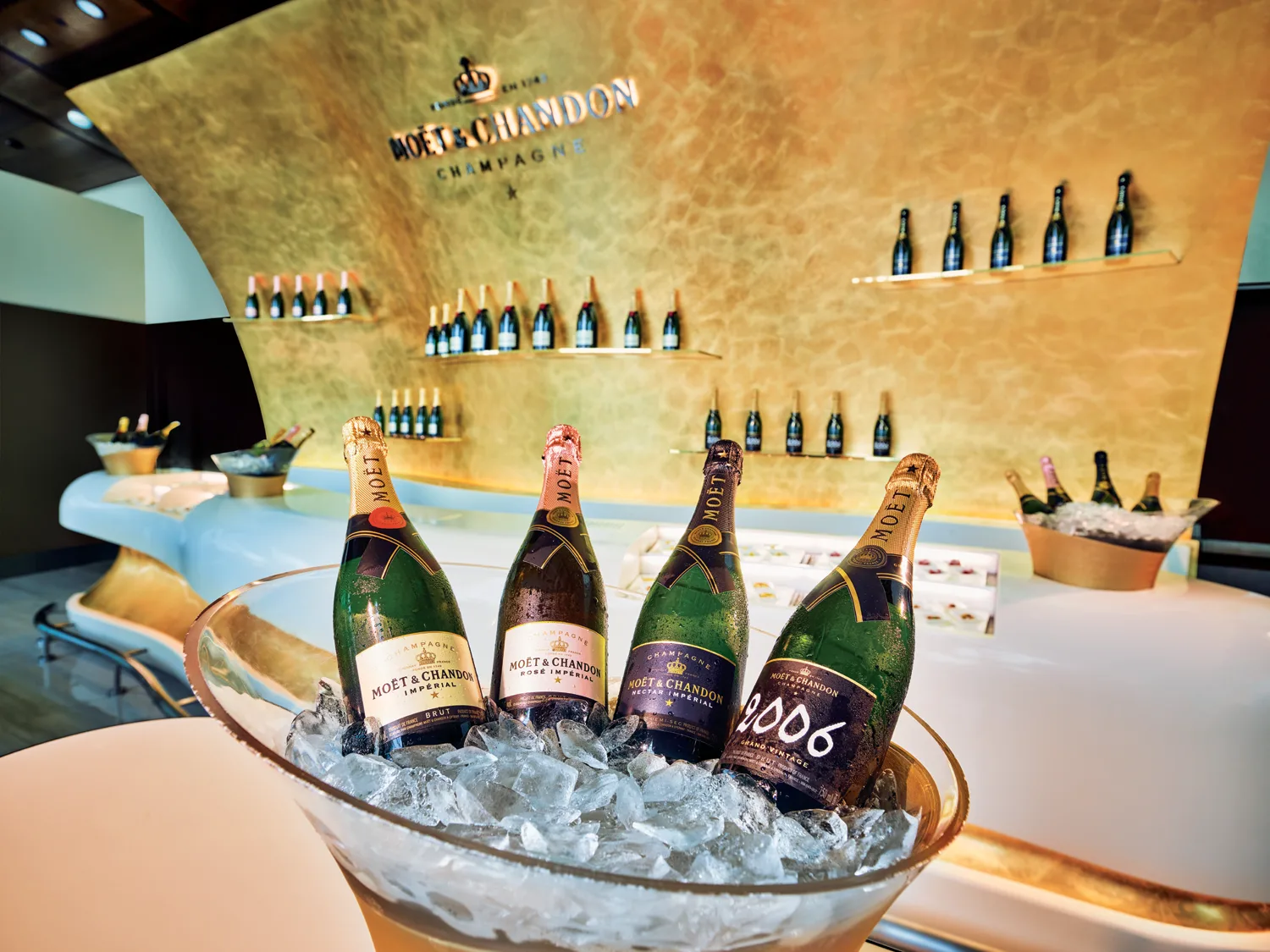
Saudi Arabia has taken a notable step by allowing wealthy foreign expatriates to purchase alcohol under strict criteria.
While the policy remains limited, it reflects a clear strategic direction as the kingdom attempts to grow its tourism and aviation markets.
Industry observers expect further developments, though the timeline for wider visitor access remains uncertain.
Stay tuned with us. Further, follow us on social media for the latest updates.
Join us on Telegram Group for the Latest Aviation Updates. Subsequently, follow us on Google News
