

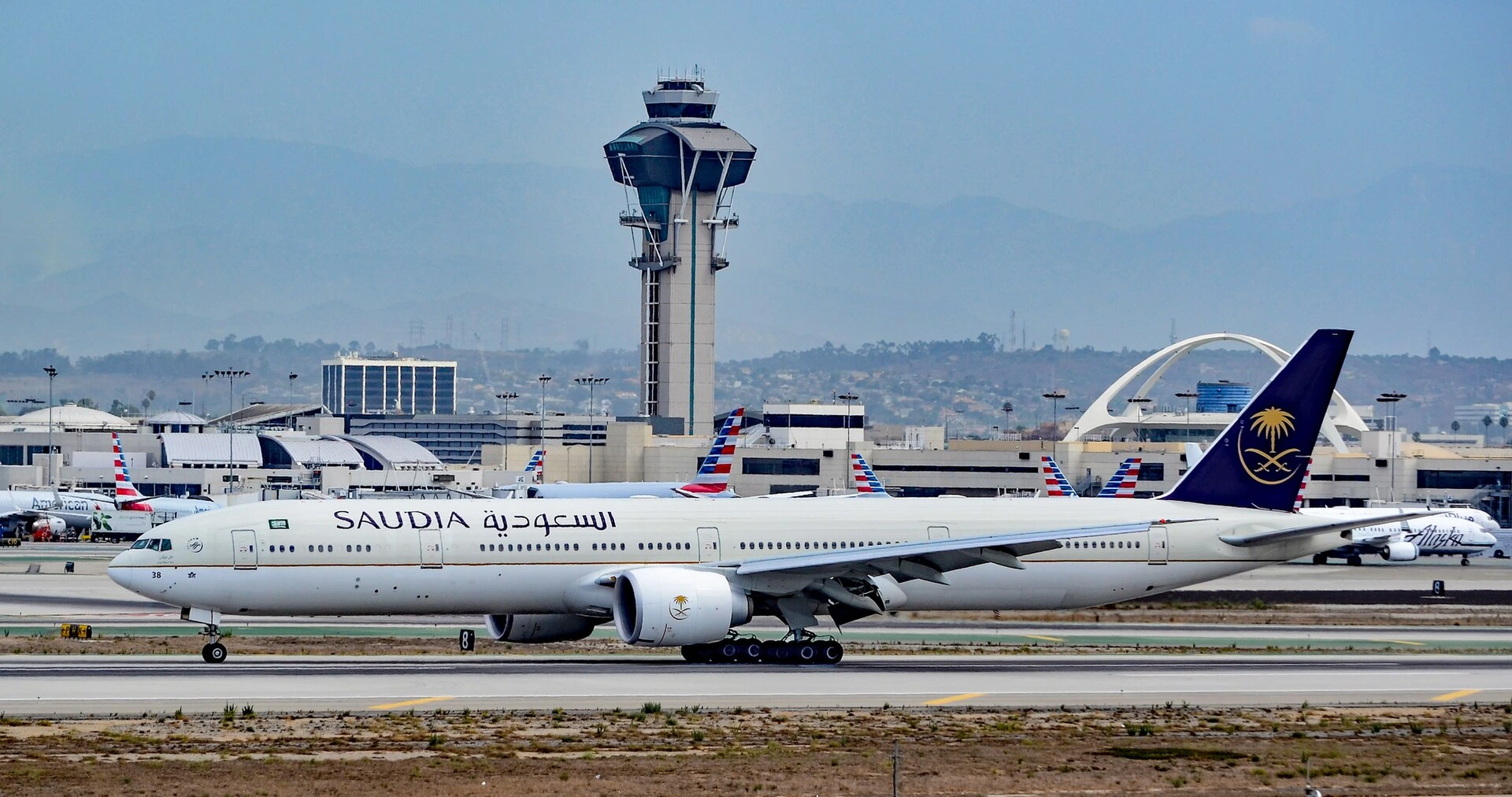
JEDDAH— Saudia (SV) and the Saudi government have publicly distanced themselves from the sale of five ageing Boeing 777 widebody jets that have now surfaced in Iran, despite long-standing U.S. sanctions designed to keep Western aircraft and spare parts out of the Iranian regime’s hands.
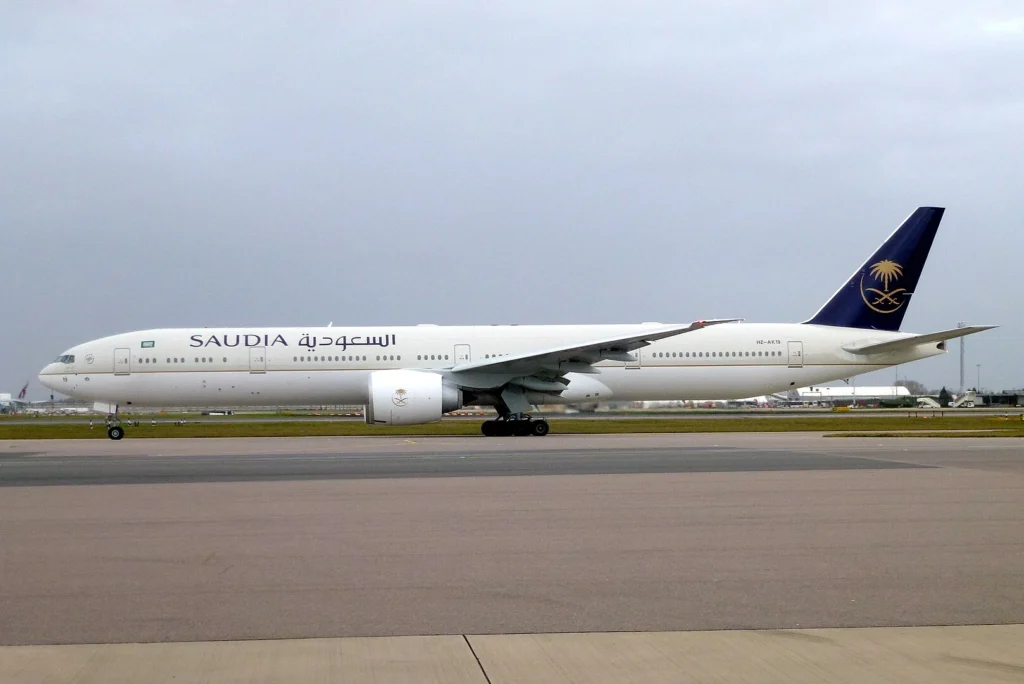
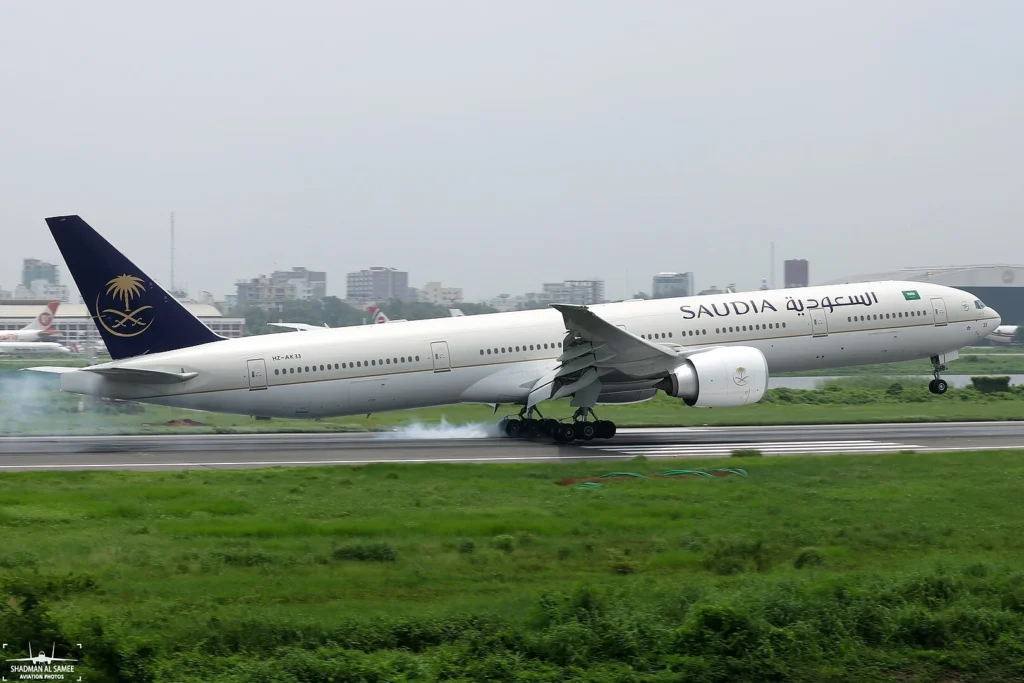
The five Boeing 777-200ER aircraft, all once part of the Saudia fleet, are now confirmed to be on Iranian soil. Reports point to Iranian operators Iran Air (IR) and Mahan Air (W5) as the type of carriers that typically absorb such jets, with one earlier Boeing 777 destroyed in an airstrike at Mashhad International Airport (MHD) after arriving in the country.
Saudia Rejects Any Link to the Iran Deal
Once news of the acquisition broke, social media claims suggested that Saudi Arabia had played a role in the transaction. Those claims sit uneasily against the political backdrop, as the Kingdom’s Sunni-led Royal Family has long opposed Iran’s Shia-controlled regime.
Saudia responded by denying any involvement. The airline stated that it sold the aircraft on June 7, 2023, to a company registered outside Saudi Arabia.
It said the sale complied with the applicable commercial and legal procedures governing such transactions, indicating it did not breach U.S. sanctions on Iran.
The carrier added that it has held no operational or commercial relationship with the aircraft since the sale closed. In short, Saudia positions itself as a seller that lost all connection to the jets long before they reached Iran.
How Aircraft Reach Iran Despite Sanctions
Iran has grown skilled at obtaining Western-built aircraft by moving them through a chain of middlemen and holding companies. That paper trail, however, does not explain how the physical aircraft actually land inside the country.
According to PYOK, the common method involves pilots filing a flight plan that passes over or near Iranian airspace. Once the aircraft is close, the crew declares an emergency that forces a diversion to an airport inside Iran. Once the jet is on the ground, a local operator, such as Iran Air or Mahan Air, takes control of it.
This pattern allows Iran to fold sanctioned aircraft into its domestic fleets while maintaining a layer of separation from the original owners and sellers.

A Singapore Airlines Jet Met a Similar Fate
Saudia is not the only airline linked, however loosely, to aircraft that ended up in Iran through irregular routes.
During the COVID-19 pandemic, Singapore Airlines (SQ) sold an old Boeing 777-200 that its low-cost subsidiary NokScoot had previously operated.
In 2025, that same aircraft appeared in Iran under Mahan Air. The jet, registered EP-MTC, was later destroyed in an airstrike on Mashhad International Airport on March 29.
The case shows how aircraft can pass through legitimate sales and still resurface in the hands of sanctioned carriers years later.
Iranian Carriers Face Weapons Smuggling Allegations
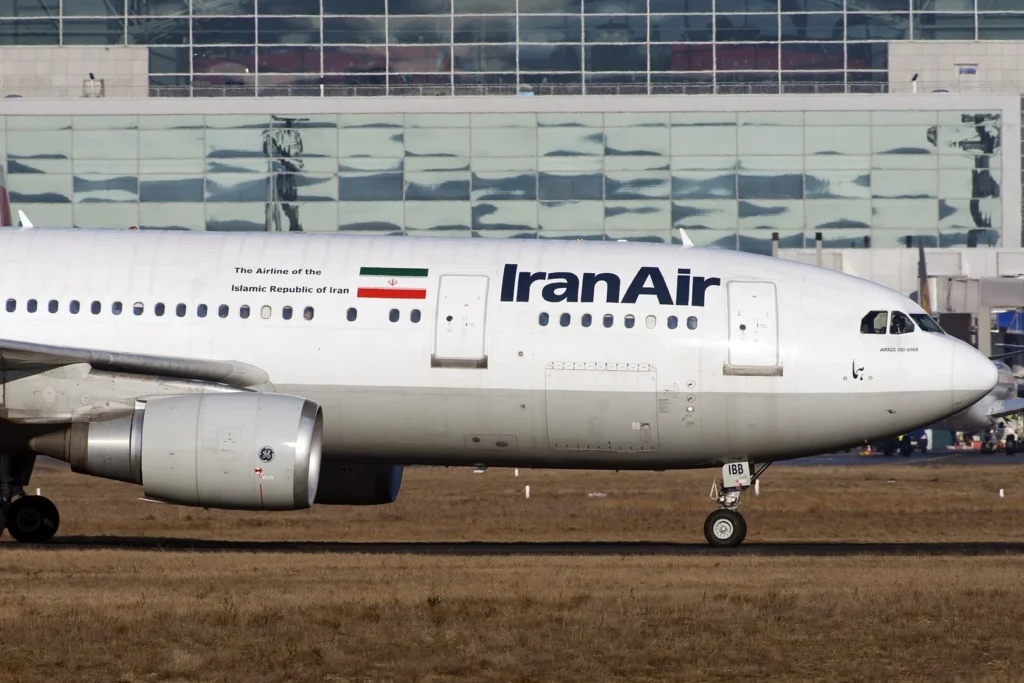
Both operators tied to these aircraft carry a history of serious accusations. Mahan Air has been accused of smuggling weapons into Syria and Lebanon on behalf of the Islamic Revolutionary Guard Corps.
A report by the Alma Research and Education Center accused Mahan Air of running its own smuggling division, known as Special Unit 190. The unit allegedly moved Iranian-made weapons across the Middle East, including advanced weapons components sent to Hezbollah in Lebanon and to Bashar al-Assad’s regime in Syria.
Iran Air has faced similar claims. In 2024, the European Council imposed sanctions on the carrier over allegations that it transported Iranian-made military drones to Russia for use against Ukraine.
Stay tuned with us. Further, follow us on social media for the latest updates.
Join us on Telegram Group for the Latest Aviation Updates. Subsequently, follow us on Google News
