


ABU DHABI- Etihad Airways (EY) flight attendant collapses from sudden anaphylaxis mid-flight from the Ethiopian capital Addis Ababa (ADD) to the airline’s home hub in Abu Dhabi (AUH). Two off-duty doctors intervene with onboard medical kit.
The incident reveals rapid response at 38,000 feet and emphasizes cabin crew training for life-threatening emergencies.
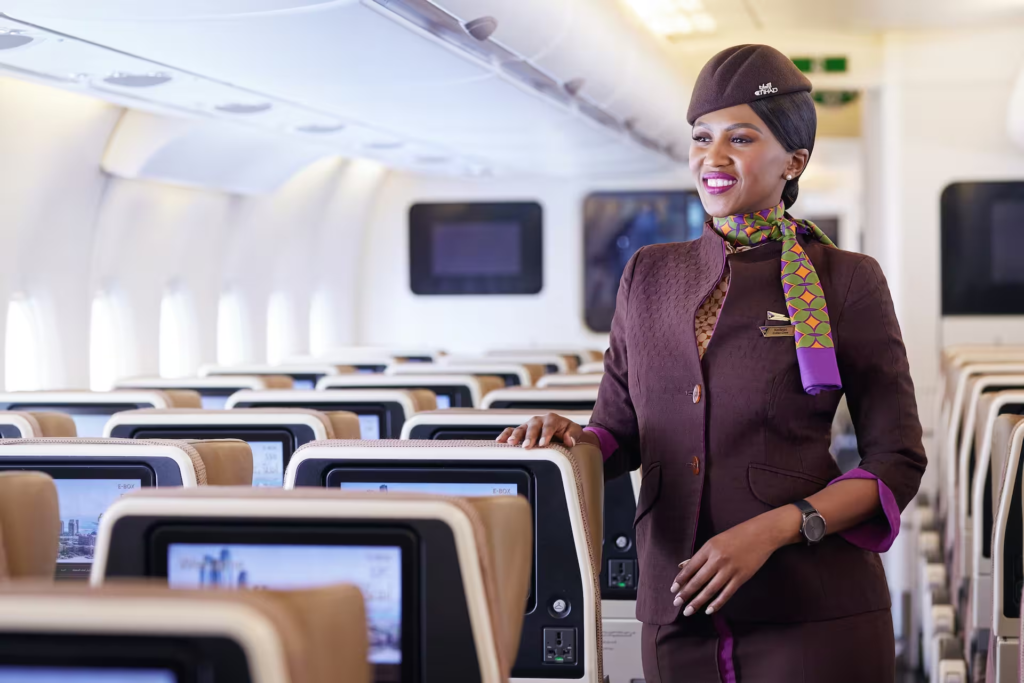
Etihad Attendant Mid Air Anaphylaxis
Etihad Airways (EY) operates a daily flight between the Ethiopian capital Addis Ababa (ADD) and the airline’s home hub in Abu Dhabi (AUH). On December 1, a young flight attendant suddenly fell gravely sick and collapsed in the aisle during the four-hour journey.
Anaphylaxis is an incredibly serious medical emergency that requires rapid intervention to prevent serious injury or even death.
The crew member couldn’t have found better care from 2 off-duty Indian physicians who just happened to be on the flight, who stepped up to help treat the flight attendant.
By the time they were alerted to the serious situation that was unfolding, Dr. M. Gopinathan and Dr. Sudharshan Balaji of MGM Healthcare in Chennai found he already had dangerously low oxygen levels that necessitated immediate intervention.
As reported by the popular aviation Facebook page ‘A Fly Guy’s Cabin Crew Lounge,’ the doctors accessed a special onboard medical kit reserved for use by healthcare professionals.
According to PYOK, they administered a regimen of steroids, bronchodilators, and antihistamines to stabilize the crew member’s condition as the plane flew into Abu Dhabi (AUH).
After an hour of intensive treatment, the crew member’s breathing stabilized, and he was both conscious and responsive on arrival, where he was taken to the hospital for further treatment.
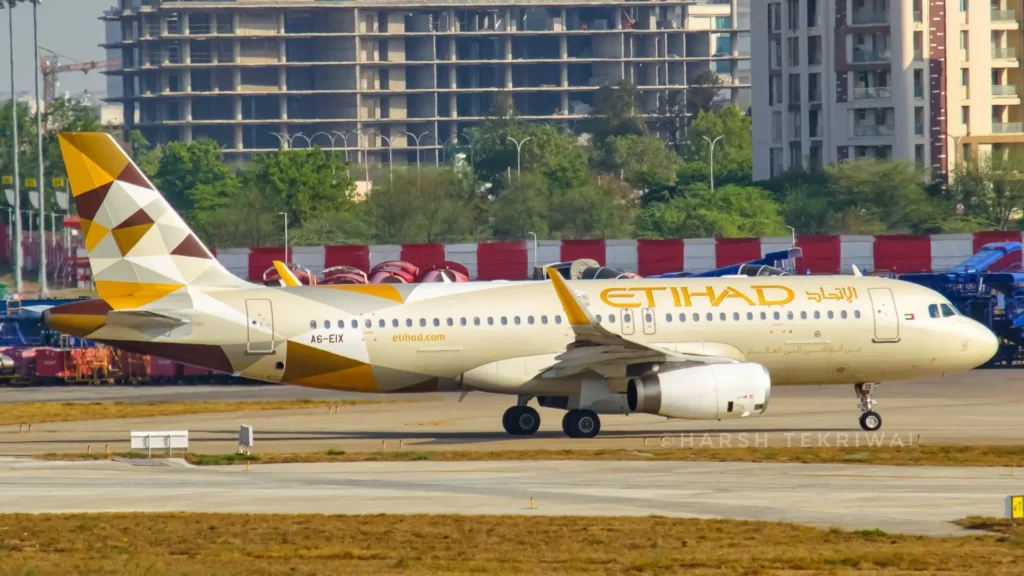
Cabin Crew First Aid Training
Flight attendants from around the world undergo rigorous First Aid training before they are ever allowed to step foot onboard an airplane as a working crew member, and every year, their skills are put through their paces in annual ‘recurrent’ training.
The list of First Aid skills cabin crew are taught is impressively long and includes dealing with a collapsed casualty who has fainted, managing choking, recognising and managing breathing difficulties like asthma and hyperventilation, sudden illnesses like chest pain, stroke, low blood sugar, allergic reactions, deep vein thrombosis, barotrauma, decompression illness, and even substance misuse.
Flight attendants must also learn how to deal with fractures, burns, and amputations, along with communicable diseases and infection control procedures.
In many cases, cabin crew will call upon the assistance of off-duty medical professionals who are willing and able to help in the case of an in-flight emergency, but if there are none available, the crew can often call upon ground-based doctors using the plane’s satellite phone for 27/7 support anywhere in the world.

Etihad Approaches to Nut Allergies
While a contentious issue, some airlines are taking the threat posed by allergy sufferers suffering anaphylaxis mid-flight increasingly seriously.
British Airways (BA) and EasyJet (U2) are just two of the well-known carriers that will refuse to serve nuts onboard if anyone alerts them to the fact that they are allergic.
The same cannot, however, be said of all airlines, and allergy sufferers are often caught off guard when they fly a different carrier and find out the hard way that their allergy is left completely up to them to manage.
Many international carriers will not stop serving nuts if someone has a serious air-borne allergy, and it is uncommon for airlines to make announcements or let passengers pre-board so they can wipe down their seat area.
The International Air Transport Association (IATA) urges passengers who suffer from severe allergies to discuss their medical needs with their personal physician ahead of travel, and to carry any required medication with them.

Epinephrine Availability on Flights
Epinephrine autoinjectors like EpiPens are one of the quickest ways to reverse the life-threatening symptoms of anaphylaxis, but you might be surprised to learn that most airlines are not legally required to carry EpiPens in their onboard medical kits.
In the United States, the Federal Aviation Administration (FAA) only requires commercial airlines to carry Epinephrine in vial format in their emergency medical kits.
The Epinephrine then has to be delivered via syringe, but this requires the assistance of an off-duty physician, nurse, or paramedic who just happens to be on the flight.
Southwest Airlines (WN) is, however, one of a handful of US carriers that voluntarily carries Epinephrine autoinjectors in its onboard medical kit, a decision it made last February after a campaign by a host of US Senators to get airlines to improve onboard medical provisions.
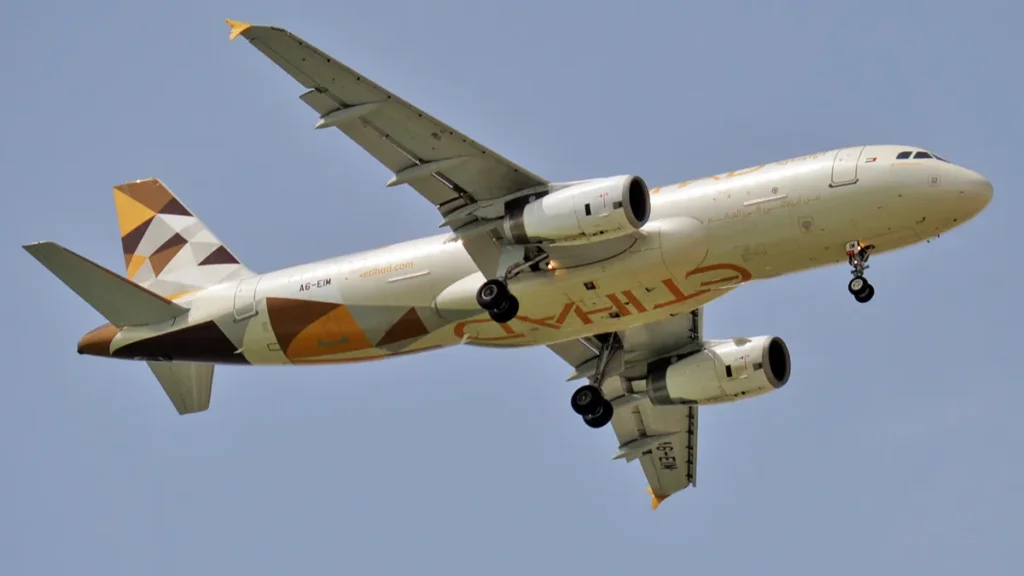
https://commons.wikimedia.org/wiki/File:Etihad,_A6-EIM,_Airbus_A320-232_(49570660241).jpg
Final Outcome
The quick thinking of two off-duty doctors potentially saved the life of a young Etihad Airways (EY) flight attendant after they suffered a dangerous allergic reaction during a flight from Addis Ababa (ADD) to Abu Dhabi (AUH) on December 1.
Stay tuned with us. Further, follow us on social media for the latest updates.
Join us on Telegram Group for the Latest Aviation Updates. Subsequently, follow us on Google News
