


Global influence is no longer defined solely by economic size or military strength. Today, a country’s power is also shaped by its technological leadership, diplomatic reach, strategic resources, and ability to influence international affairs.
The 2026 Best Countries Index, published by the University of Pennsylvania’s Wharton School, ranks nations based on how people perceive their global influence rather than objective economic or military data.
Drawing on responses from more than 15,000 adults across 33 countries, the survey highlights how public opinion views national power.
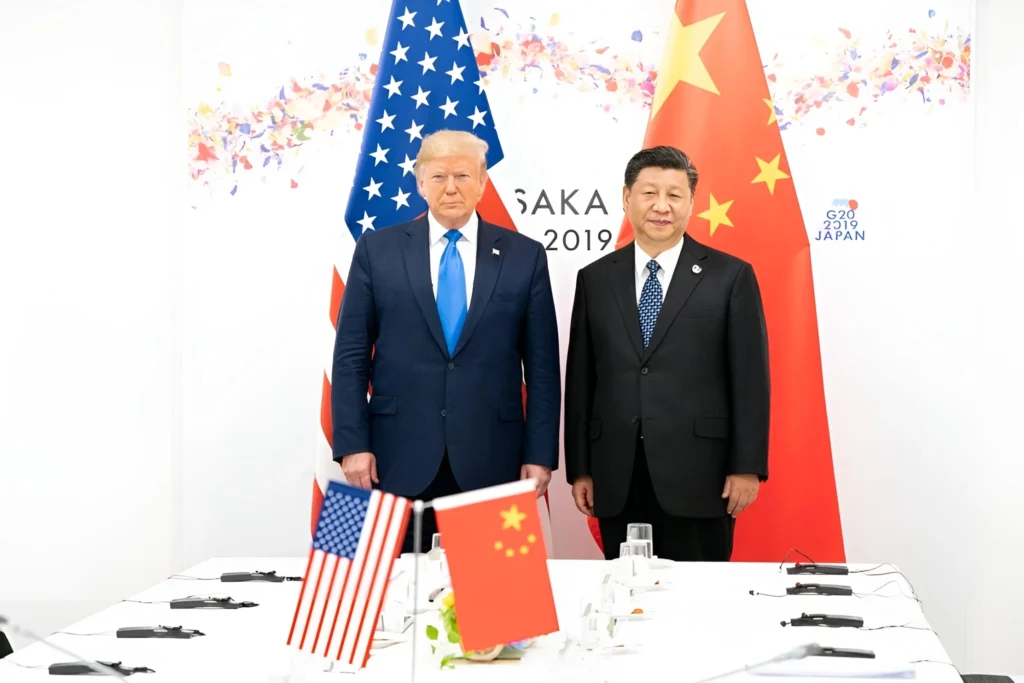
10 Most Powerful Countries in the World
The findings show that influence depends on a mix of military, economic, political, and technological factors, allowing some countries to rank higher than larger economies.
Here are the 10 most powerful countries in the world in 2026, according to global opinion, as reported by Visual Capitalist.

1. United States
The United States ranks first with a perfect relative power score of 100, maintaining its position as the world’s most powerful country. Its influence is driven by the world’s largest economy, unmatched military strength, advanced technology, global alliances, and cultural reach.
The U.S. also leads in diplomacy, international finance, and innovation, while the U.S. dollar remains the world’s primary reserve currency.
Despite growing competition from other major powers, global opinion continues to view the United States as the leading force shaping international politics, security, and economic affairs.

2. China
China ranks second with a relative power score of 93.6, reflecting its rise as a global superpower. As the world’s manufacturing hub, China has expanded its influence through trade, infrastructure projects, and technology.
It also possesses the world’s largest active-duty military and continues investing in advanced defense systems, space exploration, and critical mineral production.
Its growing economic and diplomatic reach, strengthened by initiatives like the Belt and Road, has positioned China as one of the world’s most influential countries, second only to the United States in global perception.

3. Russia
Russia ranks third with a relative power score of 91.4, highlighting the importance of military and geopolitical influence in global perceptions.
Despite having a smaller economy than several countries below it, Russia remains one of the world’s leading powers due to its vast nuclear arsenal, advanced military capabilities, and abundant energy resources.
Its role in regional conflicts and international affairs, combined with its strategic geopolitical position, continues to reinforce its reputation as a major global power despite ongoing economic challenges and sanctions.

4. United Kingdom
The United Kingdom ranks fourth with a relative power score of 84.3, reflecting its lasting global influence through finance, diplomacy, and defense.
London remains one of the world’s leading financial centers, while the UK plays a prominent role in NATO, the G7, and the UN Security Council.
Its globally respected universities, research institutions, media, and cultural industries further strengthen its international standing. Supported by a capable military and extensive diplomatic network, the UK continues to be viewed as one of the world’s most influential countries.
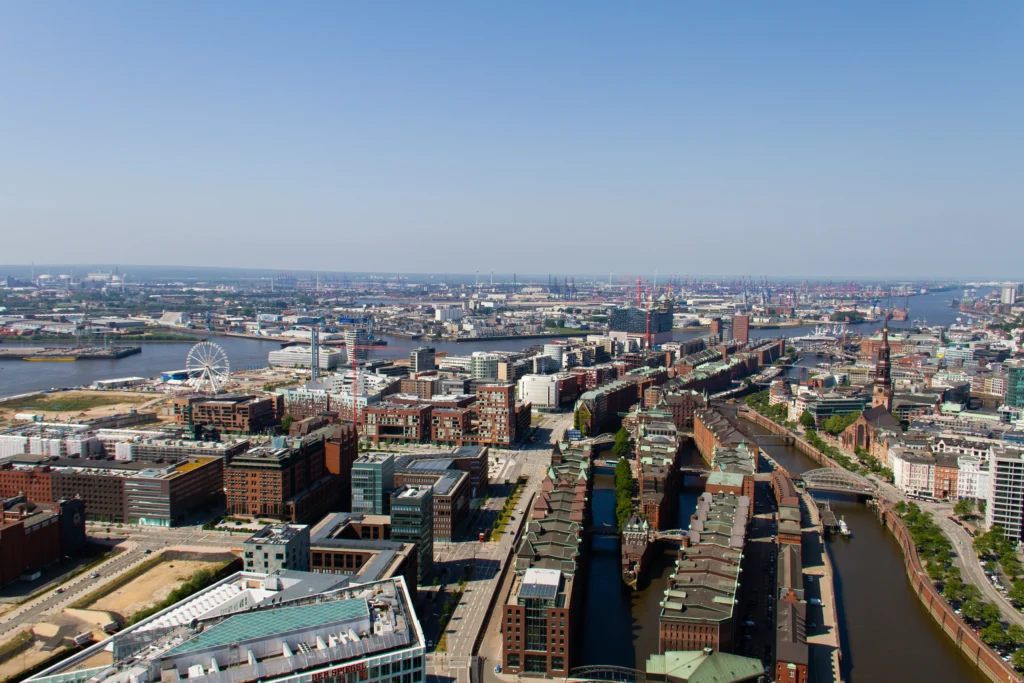
5. Germany
Germany ranks fifth with a relative power score of 74.1, driven by its economic strength and leadership within Europe. As the continent’s largest economy, it is renowned for advanced engineering, automotive manufacturing, and industrial innovation.
Germany also plays a key role in shaping European Union policies and global trade discussions.
While its influence relies more on economic stability, technological expertise, and diplomacy than military power, the country’s strong exports, political stability, and growing defense investments continue to reinforce its reputation as one of the world’s most influential nations.
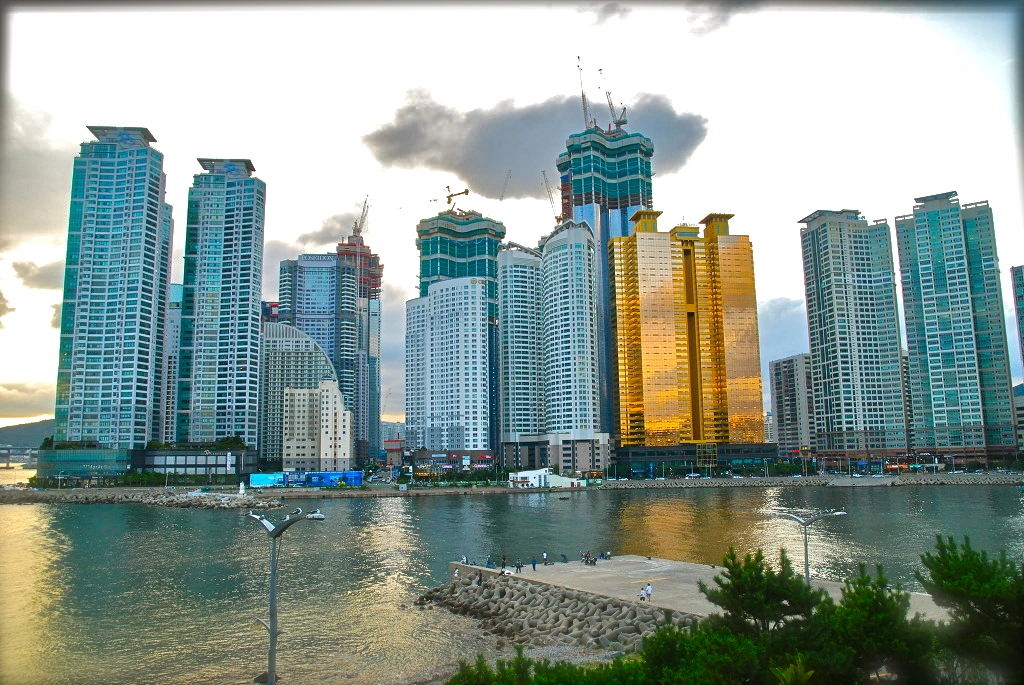
6. South Korea
South Korea ranks sixth with a relative power score of 62.7, driven by its leadership in technology, manufacturing, and innovation. The country is a global hub for electronics, semiconductors, and automotive production, making it vital to international supply chains.
Alongside its modern military and strong alliance with the United States, South Korea has expanded its global influence through the worldwide popularity of its music, films, television, and digital entertainment, reinforcing its position as one of the world’s most influential countries.
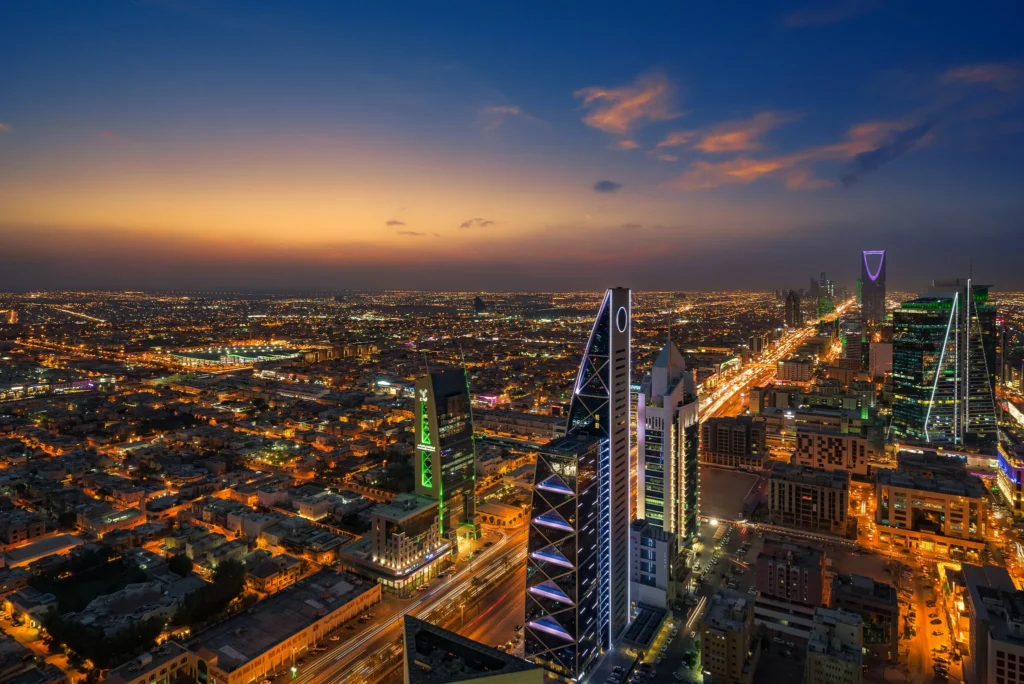
7. Saudi Arabia
Saudi Arabia ranks seventh with a relative power score of 61.0, reflecting its growing geopolitical and economic influence.
As one of the world’s largest oil producers, it plays a vital role in global energy markets while expanding investments in technology, tourism, infrastructure, and renewable energy through its Vision 2030 strategy.
Its strategic location and active role in regional diplomacy, along with its influence within OPEC+, have strengthened its global standing, making Saudi Arabia one of the world’s most influential nations.

8. France
France ranks eighth with a relative power score of 59.5, reflecting its strong diplomatic, military, and economic influence. As a permanent member of the UN Security Council and a nuclear power, France remains a key player in global affairs.
It also holds significant influence within the European Union while excelling in industries such as aerospace, defense, luxury goods, and energy. Combined with its rich cultural heritage and global diplomatic presence, these strengths keep France among the world’s most influential countries.

9. Japan
Japan ranks ninth with a relative power score of 59.0, driven by its technological innovation and economic strength. It remains a global leader in manufacturing, robotics, automobiles, and electronics, despite slower economic growth in recent decades.
Japan has also strengthened its defense capabilities and regional partnerships in response to evolving security challenges.
Beyond its economy, the country’s global influence is reinforced by its cultural impact through anime, cuisine, fashion, and tourism, helping maintain its reputation as one of the world’s most respected and influential nations.

10. United Arab Emirates (UAE)
The United Arab Emirates ranks 10th with a relative power score of 58.6, demonstrating how a smaller nation can wield significant global influence.
Its diversified economy, strategic location, and strong investments in finance, aviation, technology, and tourism have elevated its international standing.
Cities like Dubai and Abu Dhabi serve as global business hubs, while the UAE continues expanding its role in diplomacy, renewable energy, and space exploration. These strengths have helped the country earn recognition as one of the world’s most influential nations.

Bottom Line
The 2026 perception rankings demonstrate that national power is determined by far more than military budgets or economic output.
Countries that combine technological innovation, diplomatic influence, strategic resources, and global engagement tend to be viewed as more powerful on the world stage.
While the United States, China, and Russia remain clearly ahead of the rest, the rise of countries such as South Korea, Saudi Arabia, and the United Arab Emirates shows that influence is becoming increasingly diverse.
As geopolitical dynamics continue to evolve, global perceptions of power are likely to shift alongside changing economic, technological, and diplomatic realities.
Stay tuned with us. Further, follow us on social media for the latest updates.
Join us on Telegram Group for the Latest Aviation Updates. Subsequently, follow us on Google News
